Hospitals, aged care homes, day surgeries and medical centres cannot shut for a repair. We plan concrete, waterproofing, facade and structural works around patients, staff and clinical services, with the infection control, noise and access controls your facility sets.
A hospital runs every hour of every day. Wards, theatres, imaging, kitchens and loading docks all keep working while the building around them is repaired. Remedial works that would be simple in an empty office become a careful exercise in keeping dust, water, noise and vibration away from people who are unwell.
Healthcare buildings also have their own failure points. Large flat roofs and plant decks over clinical areas, multi-level car parks used around the clock, ageing concrete facades, ambulance bays and wet areas that are cleaned hard every day all wear out. A leak above a ward or a falling piece of concrete over an entry is a clinical risk as well as a building one.
We plan the work with your facility manager, engineering team and infection prevention staff before anything starts: what can be done during the day, what has to happen after hours, which areas need to be closed or protected, and how patients, visitors and emergency access keep moving.
If any of these sound familiar, it is worth a free site visit. We will tell you straight what your site needs.
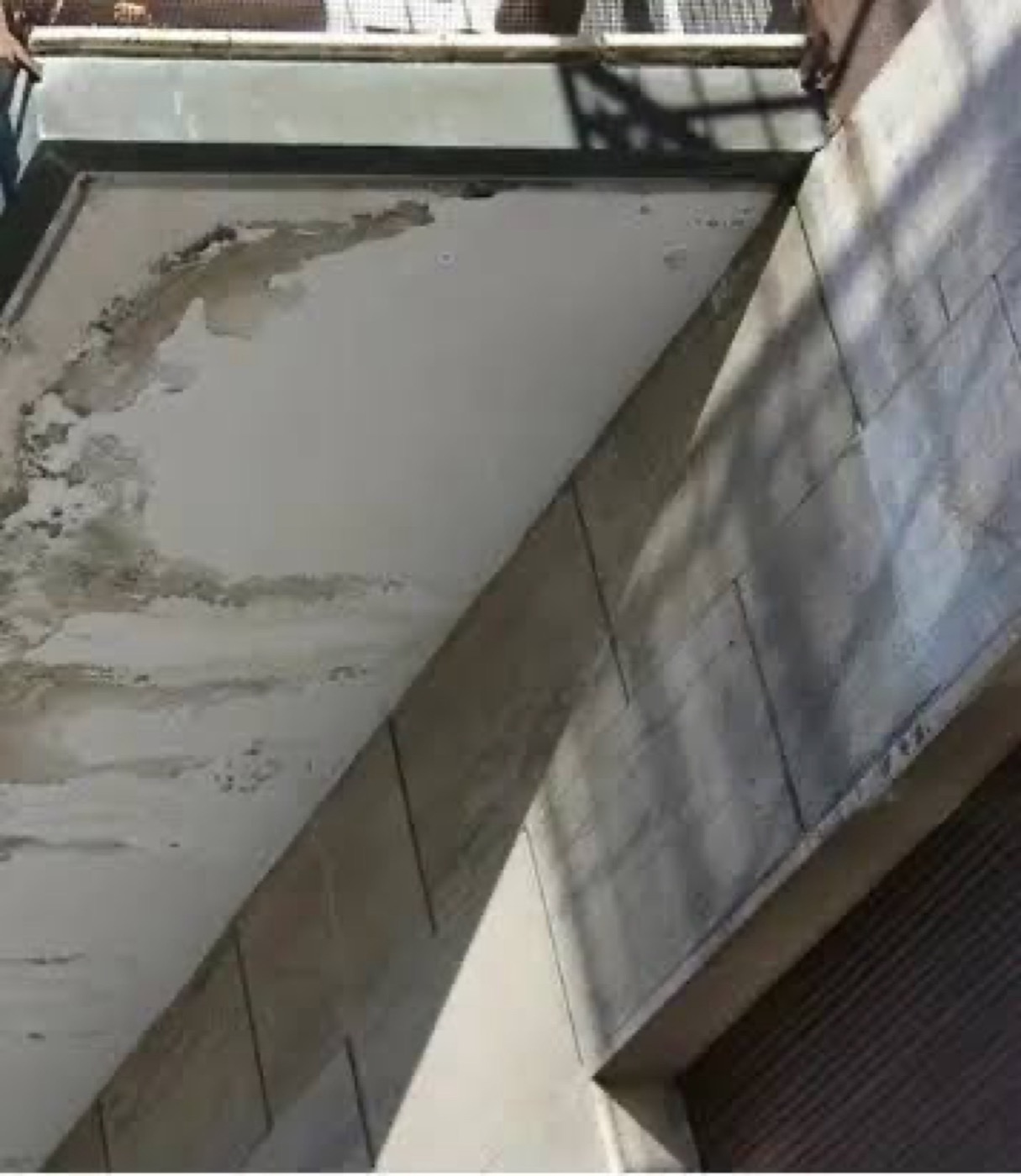
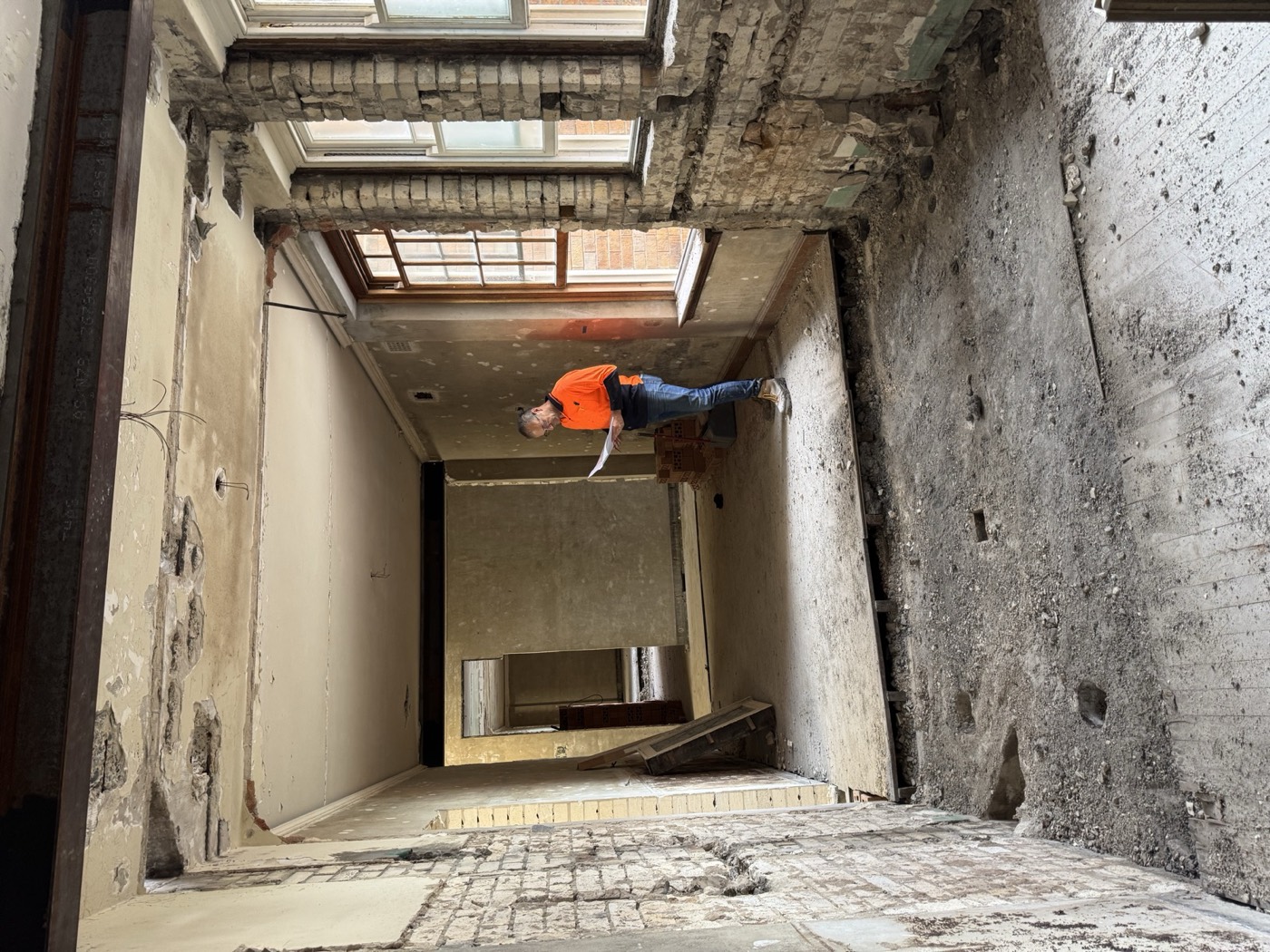
Water coming through ceilings above wards, theatres, corridors or equipment rooms.
Spalling soffits, rusted columns and cracked ramps in staff and visitor car parks.
Wind-driven rain through old concrete, brick or window frames into rooms and offices.
Loose pieces over entries, ambulance bays, courtyards and walkways.
Leaking bathrooms, sluice rooms and kitchens damaging floors and rooms below.
Worn membranes, trip hazards and corroded balustrades in aged care homes.
Facility or maintenance manager? Send us the defect list or a few photos and we will tell you what needs to happen first.
Construction dust can carry fungal spores, and water damage can grow mould. In a hospital that matters, because some patients are far more vulnerable than the rest of us. Most facilities ask contractors to work within an infection control risk assessment, prepared or approved by the infection prevention team, which sets the controls for each area.
Depending on the risk, those controls can include sealed barriers, sticky mats, negative air with filtered extraction, covered waste routes, wet cutting, sealed ceiling tiles and extra cleaning. We price and program the work around the controls your facility sets, rather than adding them as an afterthought.
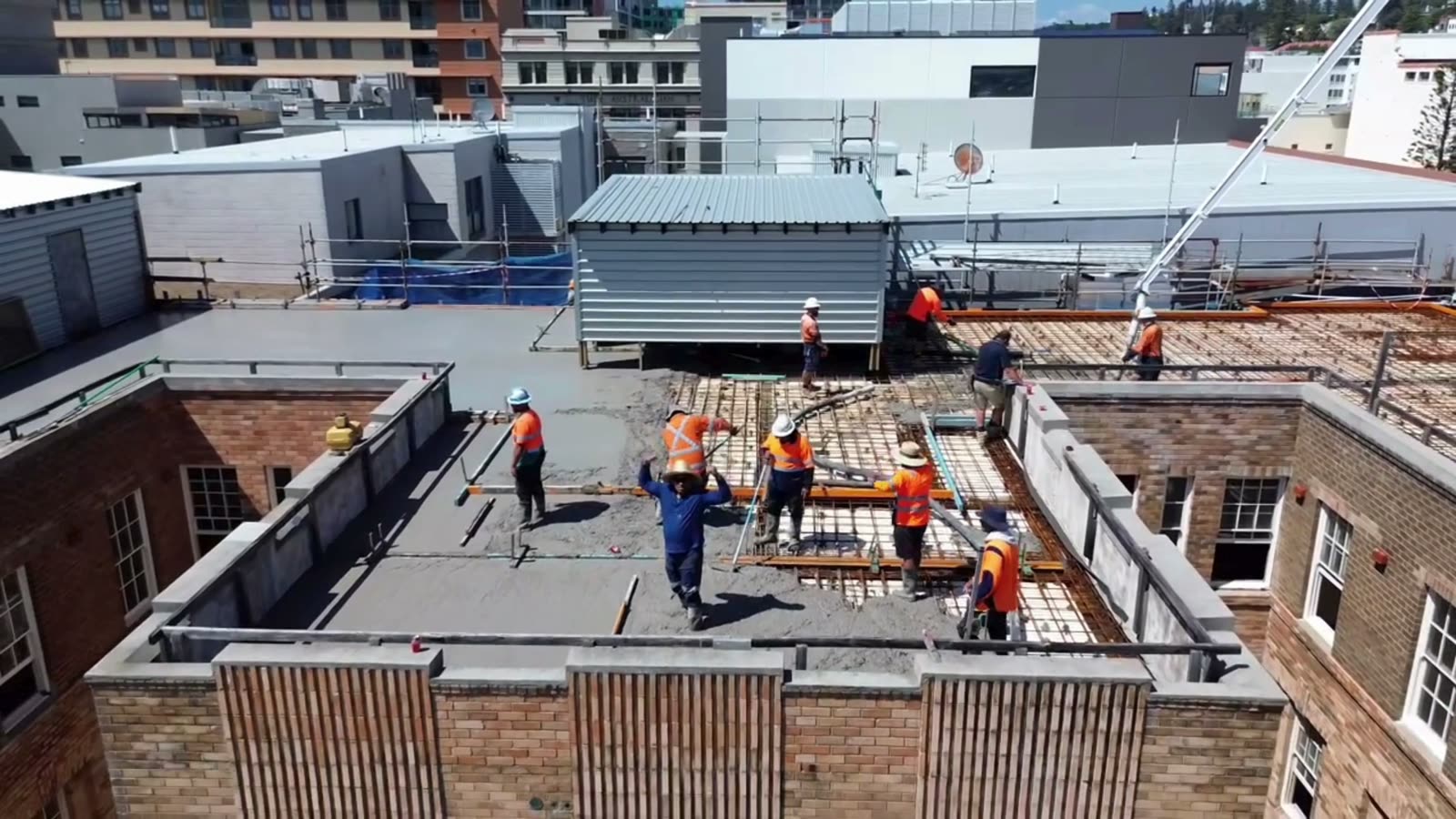
A remedial program in a hospital is usually split into small zones. Each zone is handed over, repaired and handed back before the next one starts, so clinical services can move or keep running. Noisy work such as concrete break-out or core drilling is often done in agreed windows, away from theatres, imaging and sleeping patients.
We plan around fire exits, ambulance and delivery routes, lifts, oxygen and medical gas services, and the essential services that must not be interrupted. Where a shutdown is needed, it is booked in advance with your engineering team. Read more about working in occupied hospitals.
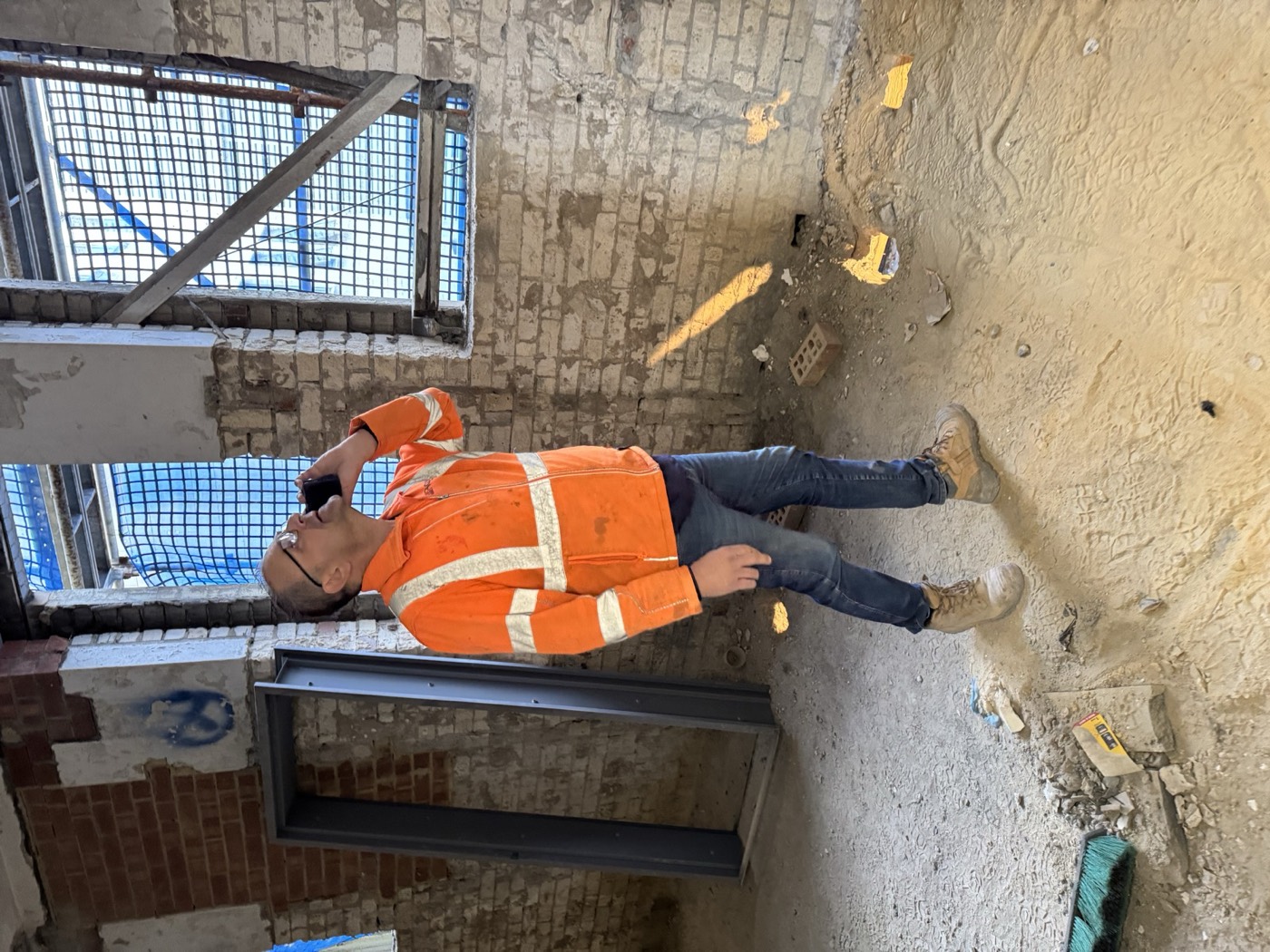

Hospital car parks are used day and night, often by people in a hurry. Water and salt carried in on cars, leaking expansion joints and thin concrete cover all lead to concrete cancer in soffits, columns and ramps. Plant decks on the roof carry heavy equipment and many penetrations, and they leak at the joints.
Repairs are designed by your engineer and done bay by bay or level by level so most of the car park stays open. We keep traffic and pedestrians separated from the work, and record each repair with photos before it is covered.
A roof membrane over a ward cannot be stripped and left open overnight. Roof waterproofing is done in sections that are made watertight every day, with weather watched closely and temporary protection ready.
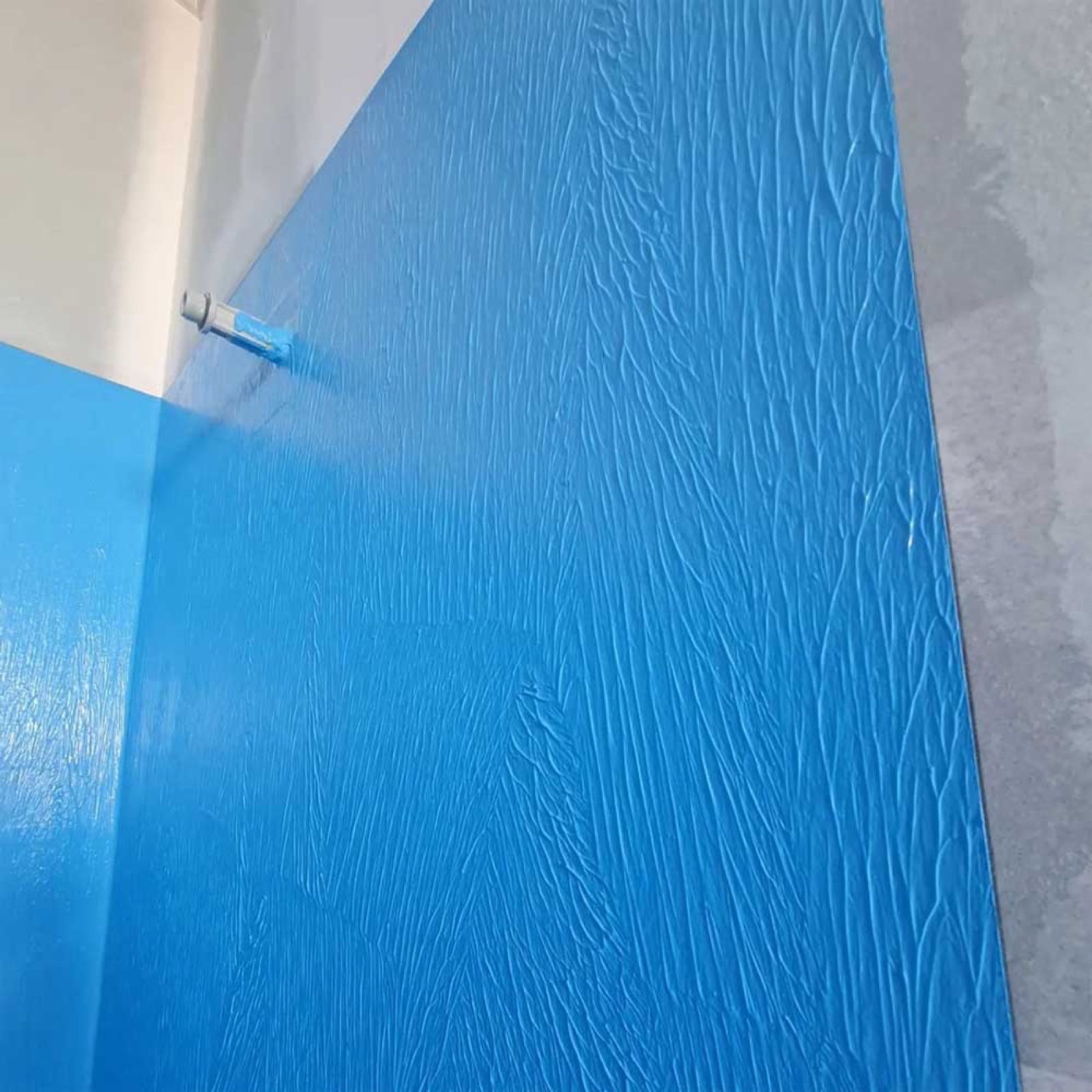
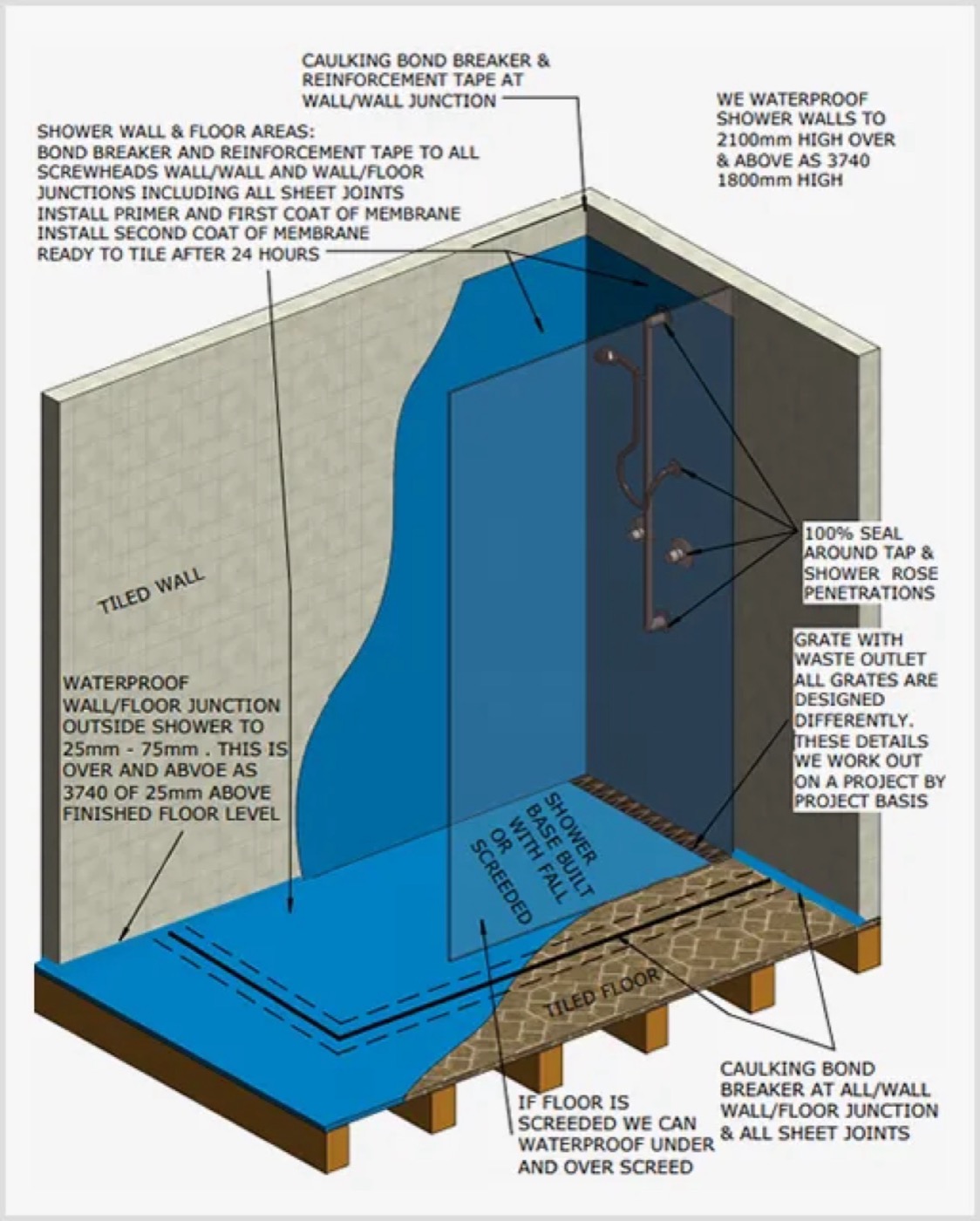
Inside, bathrooms, sluice rooms and kitchens are washed down hard and often. When their waterproofing fails, water travels into slabs and the rooms below. We strip, repair, waterproof, test and rebuild these rooms in a sequence that suits the ward, so beds are out of action for as short a time as possible.
One builder for the remedial scope, working to your engineer's design and your facility rules, with work zones planned around clinical services.
Car parks, slab edges, columns, plant decks and soffits repaired to the engineer's specification.
Membranes over clinical areas replaced in stages, with temporary protection every night.
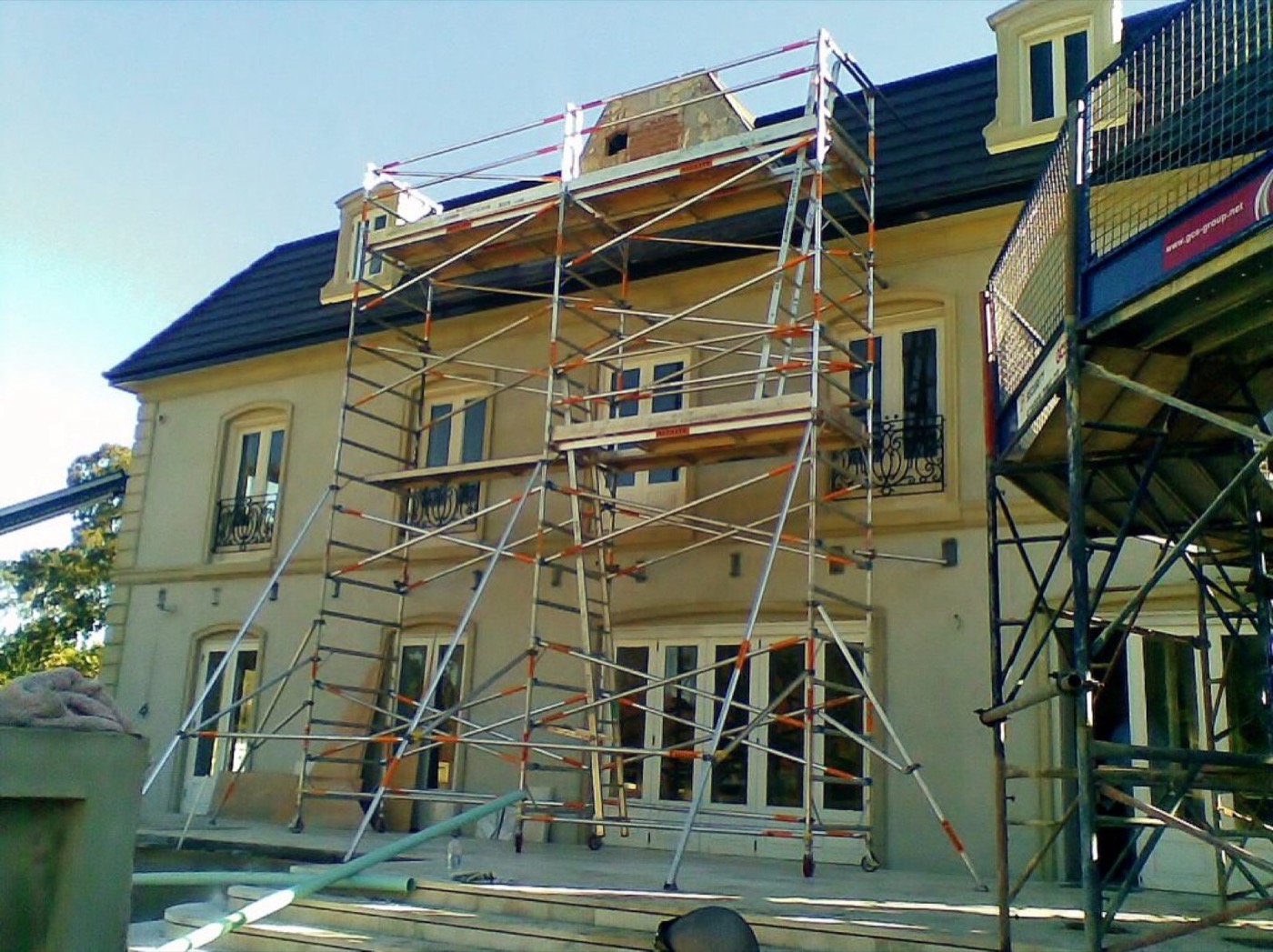
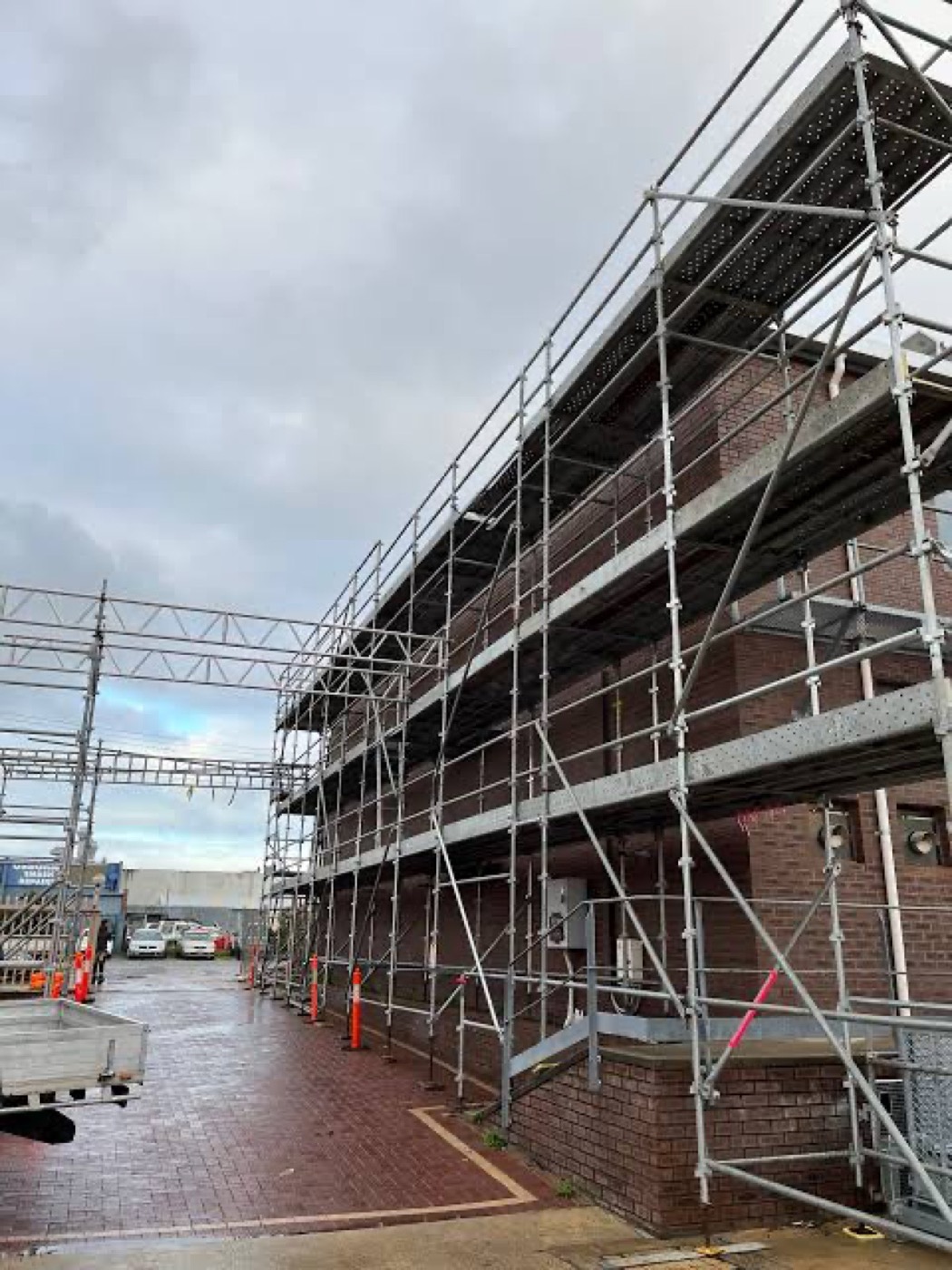
Concrete, brick, render, sealants and window perimeters repaired from scaffold or other access.
Strengthening, steel replacement and repairs around services and equipment.
Bathrooms, sluice rooms and kitchens stripped, waterproofed and rebuilt.
Balconies, walkways, ramps and entries repaired with residents in mind.
A selection of recent hospitals & healthcare projects across Sydney.
View all projectsEvery healthcare job starts with the facility rules: access, infection control, noise limits, after-hours windows and permits to work.
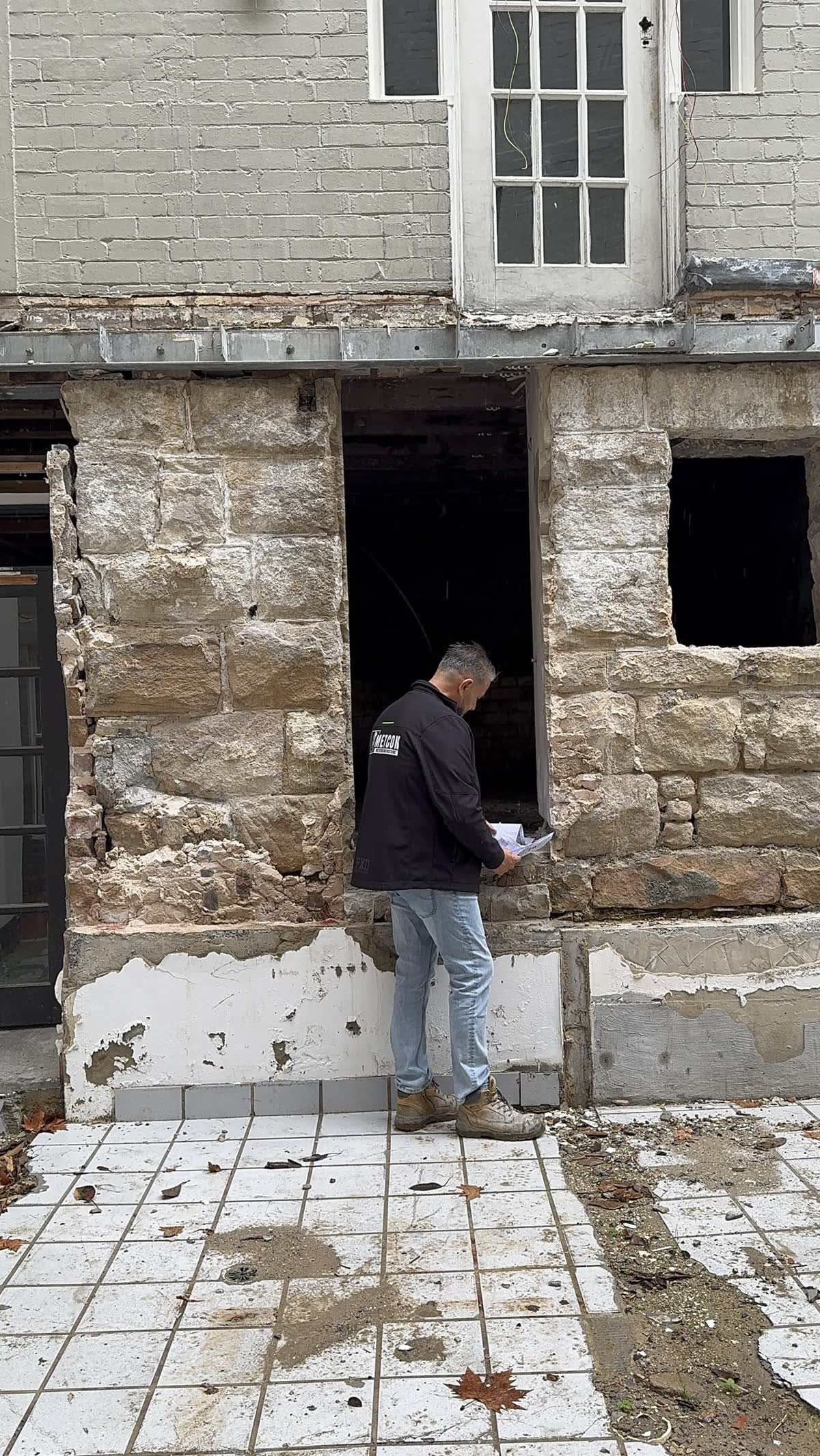
We attend site, inspect the defect and its surroundings, and identify the cause rather than just the symptom. Where needed we take photos, moisture readings and cover measurements.
We coordinate a remedial or structural engineer where required and agree a written scope of works that fixes the cause, not only the visible damage.
You receive a clear, itemised written quote with methodology, materials, access, programme and any approvals. No vague lump sums.
Our crew carries out the work to the engineer's specification and Australian Standards, with progress photos and hold-point inspections at each critical stage.
Final inspection, clean-up and a handover pack: photos, product data, engineer sign-off where applicable, and your statutory warranty under the Home Building Act 1989.
Work zones, barriers, after-hours windows and daily clean-up agreed with your facility team before we start, and a full record of the work at the end.
Licensed builder 384697C and DBP registered BUP4254812, working with facility managers, engineers and project managers on occupied buildings across Sydney.
We diagnose why the defect happened. Patching over the symptom is why so many repairs fail twice.
DBP General Unrestricted (BUP4254812). Qualified for Class 2 apartment remedial work under the Design and Building Practitioners Act 2020.
Builder Licence 384697C, $20M public liability, workers compensation and HBCF cover where required.
We work with remedial and structural engineers from diagnosis to sign-off, so the fix is designed, not guessed.
Photos, product data, hold-point records and certification. Exactly what strata committees, insurers and buyers ask for.
Hands-on remedial and heritage work across Sydney since the 1970s, including jobs other builders turned down.
Real reviews from homeowners, strata and builders.
My partner and I own an original 1920s semi-detached home in Vaucluse, with complex sandstone foundations and multiple structural challenges caused by previous defective works. After years of delays, failed consultants, and no progress, I met Constatine and his team. From the beginning, I was impressed by the detailed review of our plans and the identification of numerous discrepancies that previous builders had missed. The team supported us through lengthy council negotiations, neighbour consultations, and COVID-related delays, even before contracts were signed. Once construction commenced, Constatine and the Meteora Constructions team were exceptional. Progress remained on schedule despite heavy rain, unforeseen structural issues, and highly complex underpinning works that previous builders had refused to undertake. They completed the work efficiently and at significantly less cost than other builders had quoted. I cannot speak highly enough of Constatine and METCON Remedial Services. It is no understatement to say that engaging Constatine and his team saved not only our project, but probably our marriage as well.
I couldn't be more pleased that I found Constatine and his team to assist our strata building with landscaping, waterproofing, and concrete cancer repairs. He was knowledgeable, reliable, patient, and deeply committed to achieving the best result for everyone involved. I am 100% confident that the work completed will stand the test of time. He will absolutely be my go-to moving forward, and I have no doubt we will work together again.
We got three quotes. METCON was not the cheapest but was clearly the most thorough. Worth every dollar.
Straight answers from the builder. Anything else, just ask.
Usually, yes. The work is split into small zones, noisy and dusty work is done in agreed windows, and each zone is protected and cleaned before it is handed back. Some items, such as service shutdowns, are booked in advance with your engineering team.
It is the facility's assessment of the risk construction dust and water pose to patients in each area, and the controls needed, such as sealed barriers, filtered negative air and extra cleaning. We plan and price the works to the controls your infection prevention team sets.
Hospitals are generally Class 9a buildings, which are not regulated buildings under the NSW DBP scheme. Engineering design, approvals and the Building Code still apply. For aged care homes (Class 9c), check the current NSW position on remedial work. METCON is DBP registered (BUP4254812) either way.
Yes, where the facility needs it. Noisy, dusty or disruptive work is often scheduled for nights or weekends near clinical areas.
Yes. We price to the engineer's design, follow your permit-to-work and site rules, and report progress to your facility team.
Remedial problems rarely come alone. Leaks cause concrete cancer, damp causes render failure. We fix the whole chain.
Back to Remedial BuildingPlain-language guides from our team on the questions we are asked most.
Hospitals, aged care homes, clinics and medical centres across Sydney and NSW.
Send us your engineer's report, defect list or photos and we will come back with next steps and how the work could be staged.