Before excavation, demolition, underpinning or major building work, a dilapidation report records the existing condition of neighbouring properties and public assets. If damage is claimed later, everyone can see what was there before, and disputes are settled on facts.
Excavation, demolition, piling and heavy machinery can cause vibration and movement that crack neighbouring walls, slabs and paths. Councils and certifiers often require dilapidation reports as a condition of consent, particularly for excavation near boundaries. Even when they are not required, they are cheap insurance.
Without a report, every crack next door becomes an argument about whether it was there before. With a dated, photographed record of existing cracks, their widths and locations, a later inspection can show exactly what changed. That protects the owner doing the work and the neighbour alike.
For neighbours, a pre-construction report is the best evidence if damage happens. For builders and developers, it stops claims for pre-existing damage. If a dispute does arise, we can carry out the post-construction inspection and report on any change and the cost to repair it.
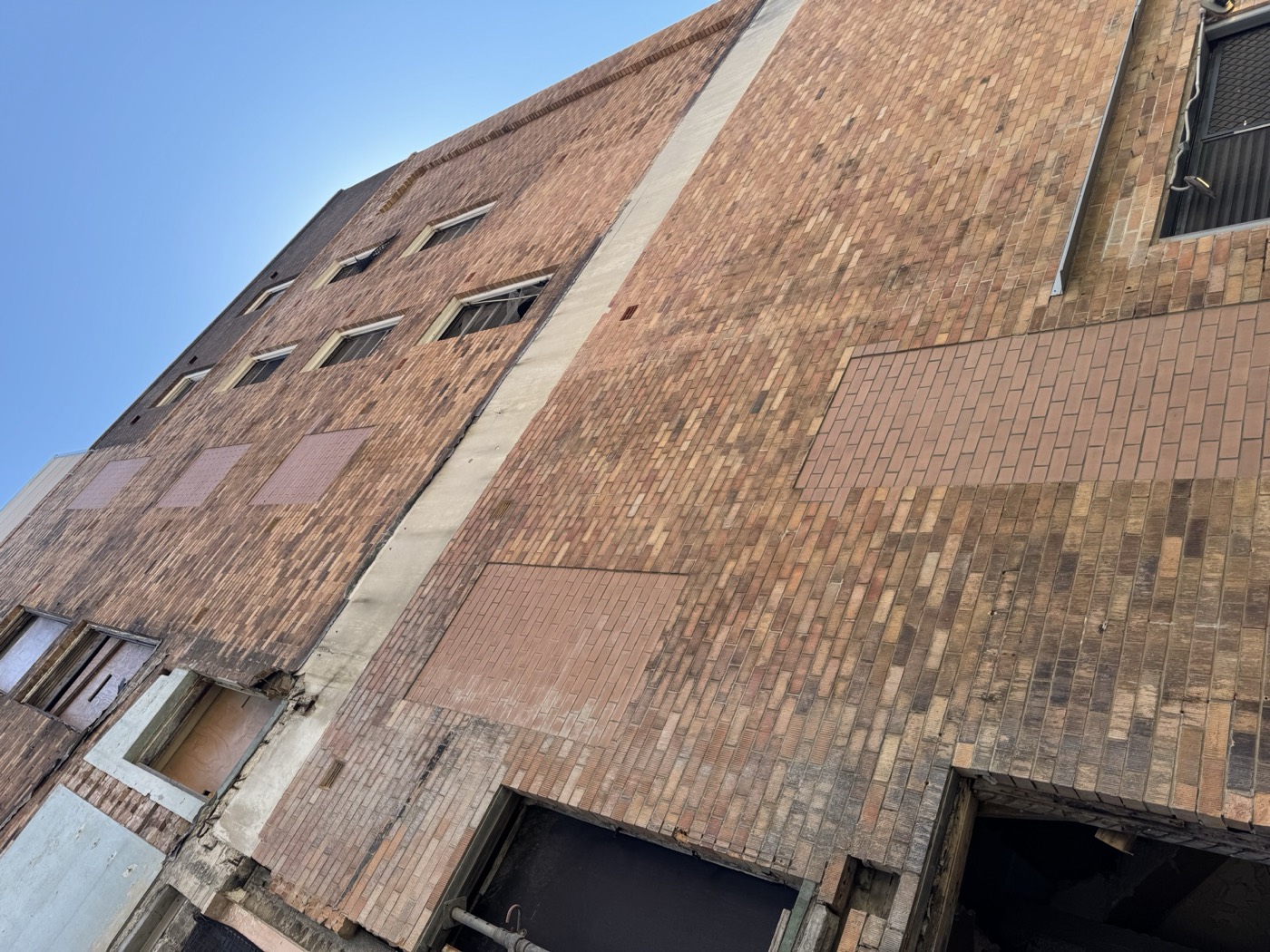
If any of these sound familiar, it is worth a call. We will tell you which report or quotation will help, and confirm a fixed fee before we start.
Basements, pools, retaining walls or footings close to neighbouring buildings.
Demolition of an existing building, especially a shared or adjoining wall.
Your development consent or construction certificate requires one.
Work that involves vibration or changes to support under or near another building.
Your neighbour is about to build and you want your property's condition recorded first.
Cracking has appeared after nearby work and a comparison report is needed.
Work starting soon? Book the inspection before any machinery arrives on site. Call us with your start date.
Reports that can be compared item by item with a post-construction inspection.
Facades, walls, fences, retaining walls, paving, driveways and paths facing the works.
Walls, ceilings, floors and cornices in rooms nearest the works, with access agreed with the owner.
Location, length and width of existing cracks, photographed with a scale for later comparison.
Kerbs, gutters, footpaths and road surfaces where council requires them.
A follow-up inspection reporting any new or worsened damage against the first report.
Where new damage is found, a scope and fixed-price cost to repair it.
We arrange access with neighbours, inspect, and issue the report before work starts.
Tell us what the report is for and send the contract, plans, photos, correspondence and any Tribunal directions. We confirm the scope, timing and a fixed fee in writing before we attend.
We inspect, measure and photograph every item, take moisture readings and carry out non-destructive checks where they help. Each item is numbered and located.
Each item is assessed against the contract, the approved plans, the National Construction Code, Australian Standards and the manufacturer's instructions, and we identify the cause, not just the symptom.
You receive a written report with our opinion and reasons for each item, the scope of work to fix it and an itemised, fixed-price costing that shows how every figure was calculated.
We answer questions, prepare supplementary reports if new information comes to light, and attend an expert conclave, joint report or hearing when directed, with those fees agreed in advance.
A dated, photographed record of existing condition turns "you cracked my wall" into a simple comparison.
We excavate, underpin and build next to existing buildings, so we know what to look for and what can change.
We have built and repaired buildings in Sydney for over 40 years, so our scopes are buildable and our costs come from what the work really takes.
Builder licence 384697C and DBP General Unrestricted registration BUP4254812, including Class 2 apartment buildings.
Reports follow the structure NCAT and the courts expect: instructions, facts and assumptions, reasons for each opinion and the code of conduct acknowledgement.
You know the cost of the inspection and report before we attend. No hourly meter running in the background.
Every item is scoped and priced separately, with preliminaries, access, waste, supervision, margin and GST shown, so the numbers stand up to scrutiny.
Dated photos, measurements, readings and references to the relevant standards for every item, laid out so a member or judge can follow it.
Real reviews from METCON clients.
They handled the DA, the engineer, and the build. We didn't have to chase council once. Massive wall, done in under two weeks.
Council approval sorted, engineering sorted, wall done in a week. Could not fault the process.
I called three builders and METCON were the only ones who actually came to look at the site before quoting. Honest pricing, no surprises.
Straight answers. Anything else, just ask.
Usually the person carrying out the works, especially when it is a council condition. Neighbours sometimes commission their own report for extra protection.
No. Internal inspections need the owner's consent. If access is refused, we record what we can see from the boundary and public areas and note the refusal in the report.
It is worth doing if any damage is claimed, or if your consent requires it. We compare the condition against the first report and record any changes.
It depends on the size of the property, the number of items and what the report is for. We confirm a fixed fee in writing before we attend, based on your documents and a short call, so there are no surprises.
Tell us your deadline when you first call. We schedule inspections around Tribunal and court timetables and agree a delivery date upfront. Urgent matters are often possible, but more notice always gives a better report.
Most disputes need more than one document: a defect report, a costing, a Scott Schedule and sometimes a hearing. We can prepare them all from one inspection.
Back to Inspections & ReportsPlain-language guides from our team on the questions we are asked most.
Houses, terraces and apartment buildings across Sydney and surrounding NSW.
Send the address, the properties to inspect and your start date. We will confirm the fee and arrange access.