A door that suddenly sticks in winter is usually nothing. A door that sticks, the frame cracks, and the floor nearby starts to slope is a different story. The top signs foundation movement causes in a home rarely show up as one dramatic failure. More often, they appear as a pattern of small changes that build over time.
For homeowners and property managers across Sydney and NSW, that pattern matters. Foundation movement can affect safety, compliance, waterproofing, finishes and long-term asset value. It also has a habit of becoming more expensive when early signs are ignored.
What foundation movement actually looks like
Foundation movement means the footing system or supporting ground has shifted enough to affect the structure above. That movement can be minor and seasonal, or it can signal a more serious issue tied to drainage, poor soil conditions, tree roots, excavation, leaking services or inadequate footing design.
Not every crack means the house is failing. Buildings move. Materials shrink, expand and settle. The key question is whether the movement is isolated, stable and cosmetic, or whether it points to ongoing structural displacement. That is where experience and proper assessment matter.
Top signs foundation movement is affecting your property
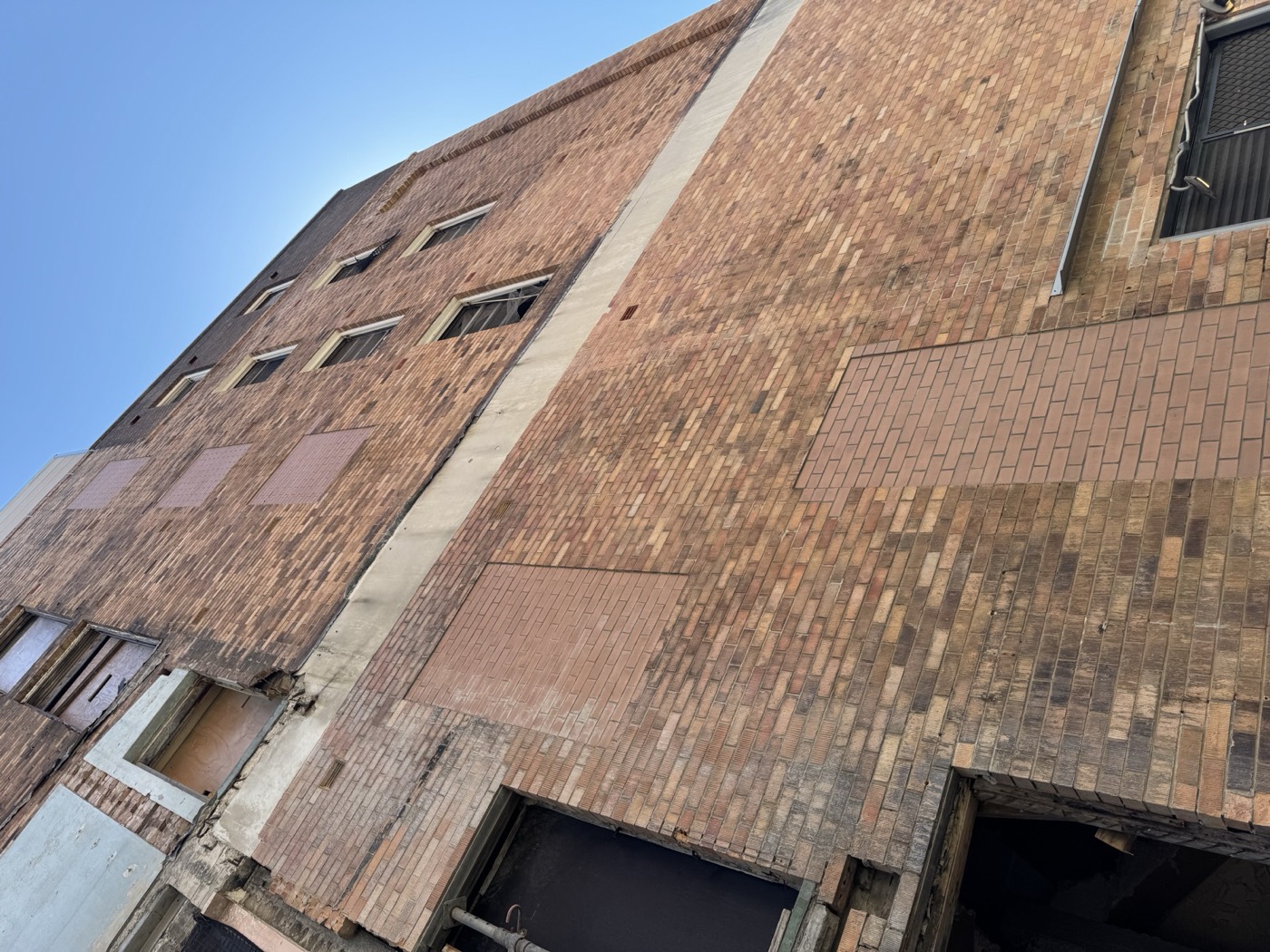
The clearest warning sign is cracking, but the location and shape of the cracks tell you more than the crack alone. Diagonal cracks running from the corners of windows and doors often indicate differential movement. Step cracking in brickwork can also suggest that one part of the structure is moving differently to another.
Internal wall cracks can be misleading because plasterboard joints and render finishes do crack for simpler reasons. What raises concern is when cracks keep reopening after patching, widen over time, or appear alongside other symptoms. A single hairline crack in isolation is not the same as a group of related defects appearing in the same zone of the building.
Doors and windows are another common indicator. If they suddenly become hard to open or close, latch poorly, or show uneven gaps around the frame, movement may be distorting the opening. Timber swelling from moisture can cause similar issues, so context matters. If sticking doors sit alongside wall cracking or sloping floors, the case for structural movement becomes stronger.
Floors can also provide early evidence. You might notice a floor that feels out of level, bouncy in one area, or separated from skirtings. In tiled areas, cracked grout lines or tented tiles can point to movement beneath. Again, there are trade-offs here. Tile failure can result from poor installation, but when it lines up with wall cracks and distorted frames, it should not be brushed off.
External brickwork and masonry deserve close attention. Step cracks through mortar joints, separation between walls and attached structures, or visible gaps where building elements once met tightly can indicate footing movement. Retaining walls leaning, cracking or rotating may also be part of the same ground movement issue, especially on sloping sites.
Signs outside the house are often the giveaway
Many owners focus on the internal finishes first, but the source of the problem is often outside. Poor drainage is one of the biggest contributors to foundation movement in Sydney properties. Water pooling near the perimeter, overflowing downpipes, blocked stormwater lines or ground levels sloping back towards the building can soften founding soils and cause localised settlement.
In dry periods, the opposite can happen. Reactive clay soils can shrink as they lose moisture, particularly where large trees are drawing water from the ground. That seasonal expansion and contraction can put footings under stress. The result may be movement that comes and goes at first, then gradually worsens.
Look for cracked paths, sunken paving, gaps around external stairs, or separation between the house and adjoining hardstand areas. These changes do not always mean the main footing system has failed, but they can show that the supporting ground is shifting.
When cracks are cosmetic and when they are not
This is where many property owners get mixed messages. Cosmetic cracks are usually fine, stable, and limited to finishes. They tend to be narrow, with no related distortion in nearby building elements. Structural cracks are more likely to be wider, repeated, progressive, or tied to movement in masonry, openings or floors.
There is no single millimetre rule that works for every building. A wider crack draws attention, but a smaller crack that continues to grow can be more significant than a larger crack that has been stable for years. The age of the building, type of construction, soil conditions, renovation history and recent weather all need to be considered.
If you are seeing multiple signs at once, the risk goes up. Cracks plus sticking doors plus sloping floors is not a repainting issue. It needs proper investigation.
Common causes in Sydney and NSW properties
Foundation movement is rarely random. In residential and light commercial settings, the main causes are usually moisture variation in reactive soils, uncontrolled surface water, leaking stormwater or plumbing services, poor site drainage, nearby excavation, tree root activity and inadequate or ageing footings.
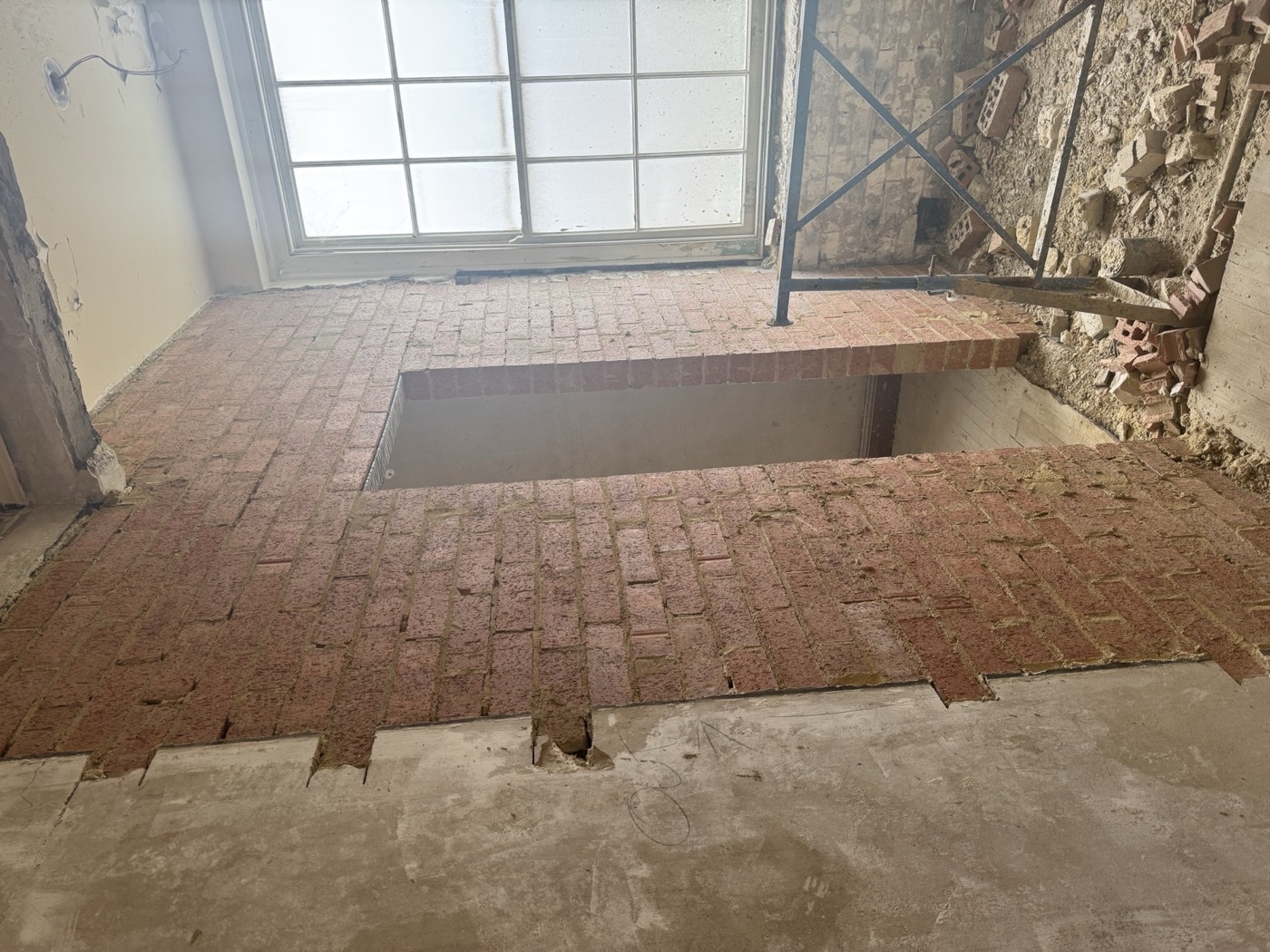
Renovation work can also play a role. Removing walls, adding loads, excavating near existing footings or carrying out extensions without proper structural integration can expose weaknesses in the original support system. Older homes are particularly vulnerable where past additions were not engineered or documented properly.
Sloping sites bring their own risks. Retaining pressure, runoff concentration and varying founding depths can create uneven movement across the building footprint. In these cases, the issue may not sit neatly under one room. It can involve the wider site and surrounding structures.
What to do if you spot the top signs of foundation movement
Start by documenting what you can see. Take dated photos of cracks, door frames, brickwork and any external drainage issues. Note whether defects appear to be getting worse, whether they change after heavy rain, and whether they are localised to one part of the property.
Do not rush straight into patch repairs. Filling cracks without understanding the cause often wastes money and can hide movement that should be monitored. Cosmetic repairs come after the source has been identified and addressed.
The right next step is a proper building and structural assessment. Depending on the issue, that may involve a builder with structural remediation experience, a structural engineer, or both. In more complex cases, levels may need to be checked, drainage reviewed and the footing performance assessed before a repair method is selected.
That repair method could involve drainage correction, stormwater rectification, root management, localised footing stabilisation, underpinning, retaining work or broader structural remediation. It depends on the cause. There is no one-size-fits-all fix, and anyone offering one without a proper inspection is guessing.
Why early action saves money
Foundation problems do not just affect the structure. They tend to spread into finishes, waterproofing, joinery, services and compliance. A small movement issue left alone can turn into cracked bathrooms, misaligned windows, water ingress, damaged retaining walls and larger rectification scope later.
Early intervention does not always mean major works. In some cases, fixing drainage and monitoring the structure is enough. In others, more involved works are necessary to stabilise the building. The advantage of acting early is that you can make that decision based on evidence, not after the damage has compounded.
For owners planning renovations, extensions or a sale, this matters even more. Existing movement issues can affect design, approvals, build sequencing and buyer confidence. Getting clarity early puts you in control of the next step.
Why assessment and delivery need to be joined up
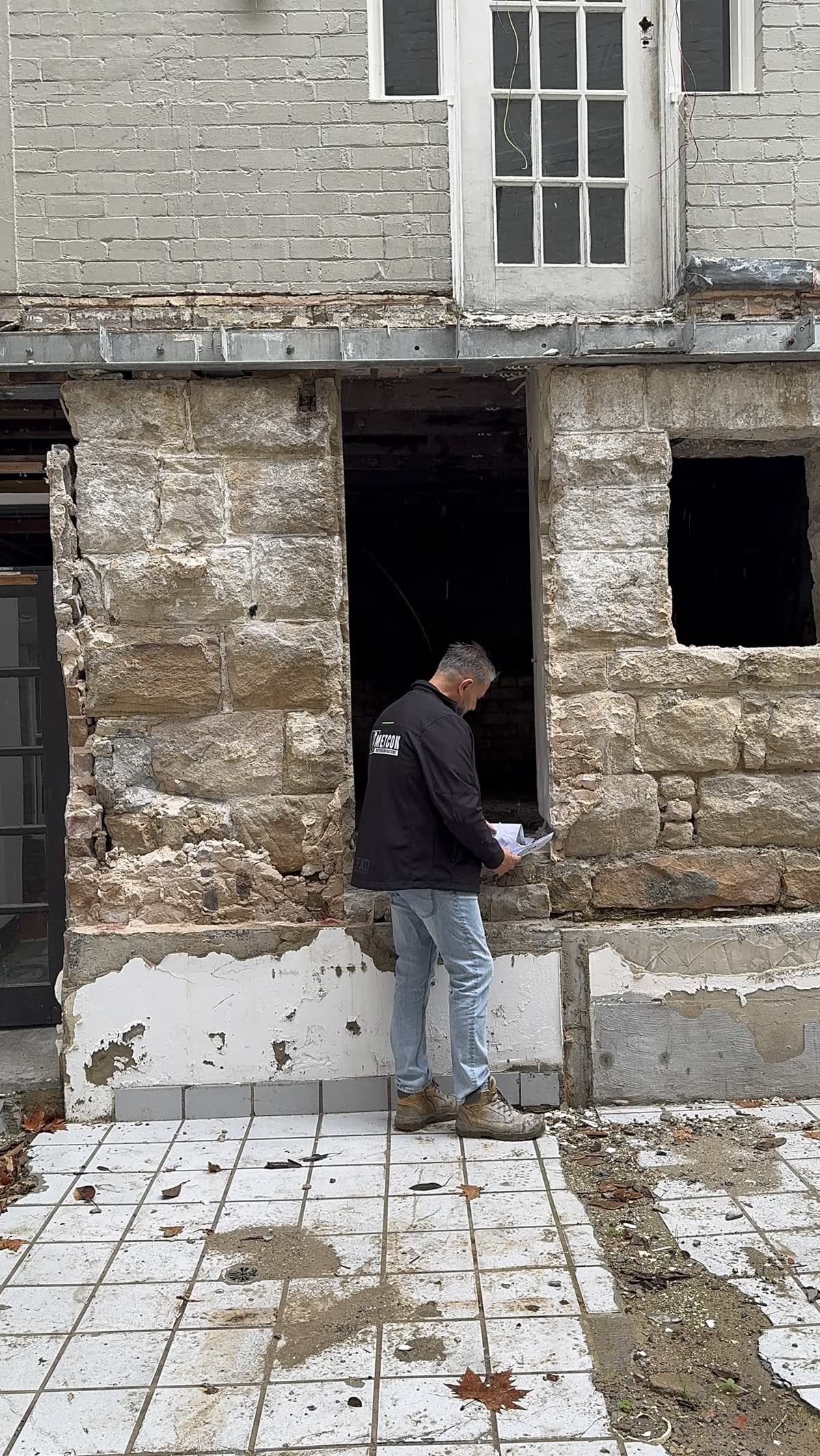
Foundation movement sits at the intersection of structure, site conditions and compliance. That is why fragmented advice often causes delays. An engineer may diagnose the issue, but the repair still needs a licensed builder who can coordinate excavation, underpinning, concrete, drainage, retaining and reinstatement to specification.
For that reason, many NSW property owners prefer a contractor that can work directly with engineers, manage approvals where required, and carry the project through from investigation to construction. METCON approaches these projects with that discipline in mind, clear scope, proper documentation, compliant delivery and no guesswork on site.
If your property is showing a cluster of movement signs, the smartest move is not to panic and it is not to ignore it. It is to get a straight answer while the problem is still manageable.