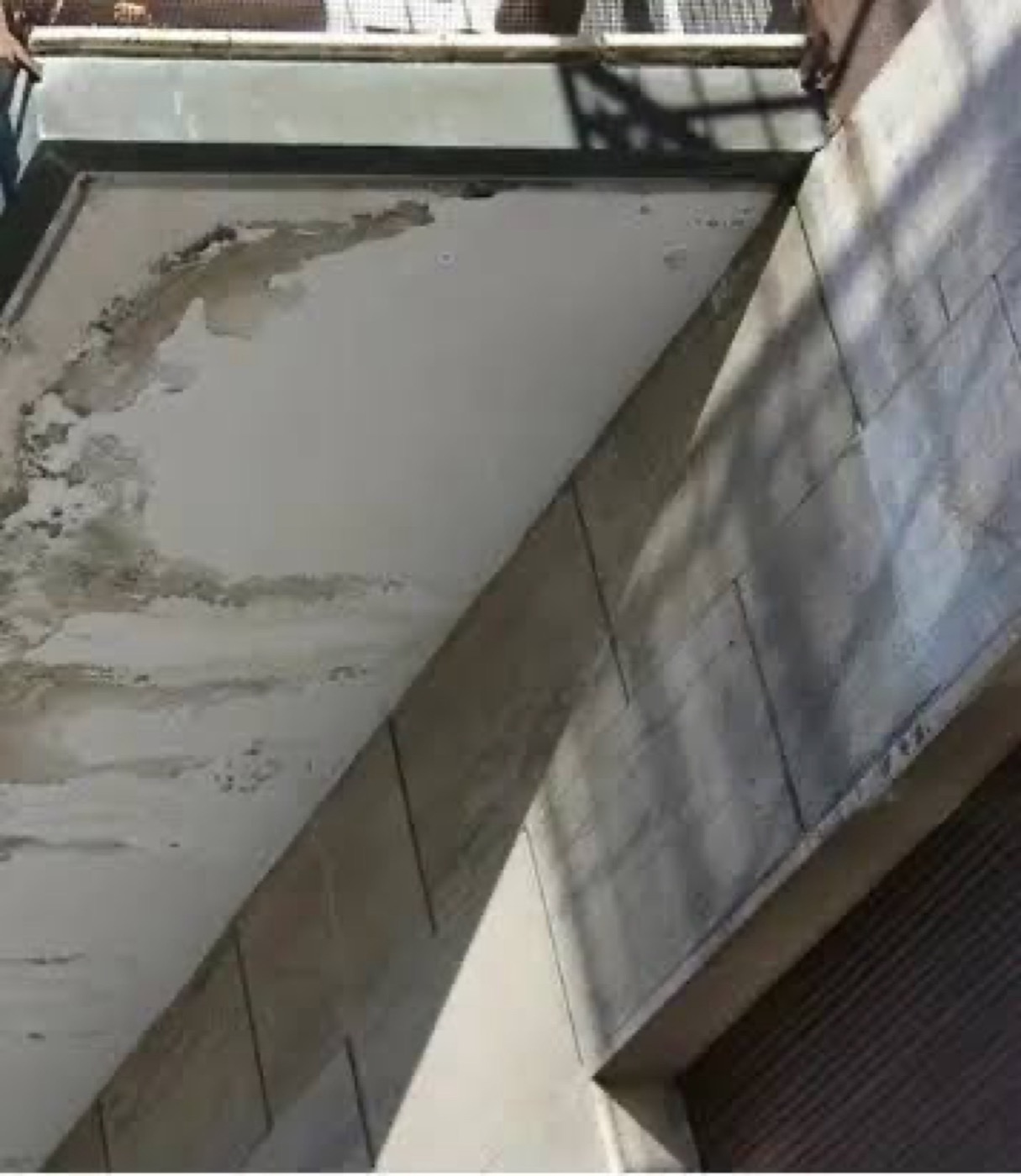
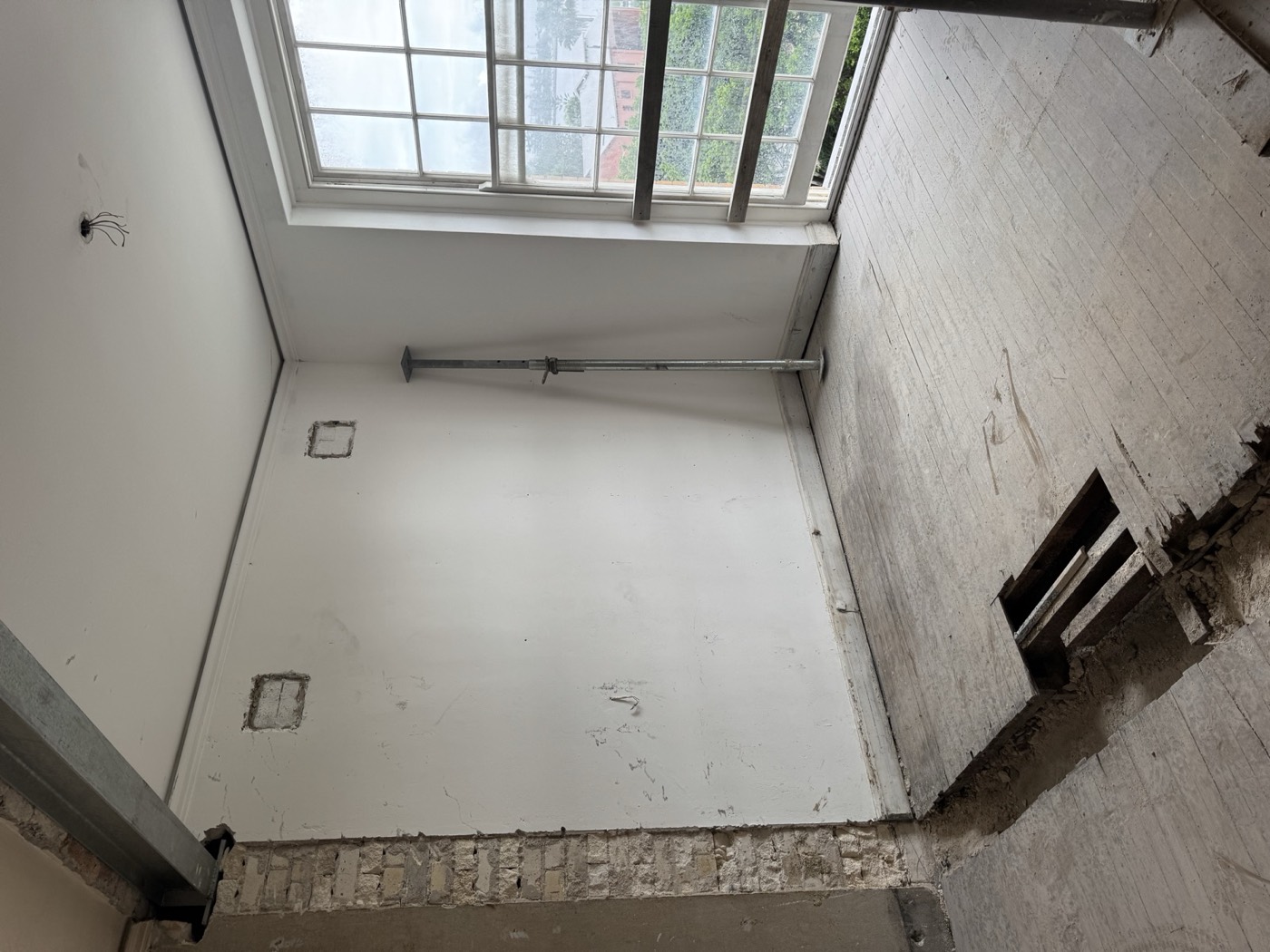
A dilapidation report records the condition of a property, usually a neighbour's, before nearby building work starts. If cracks or damage appear later, the report shows what was already there.
What a dilapidation report includes
- Detailed, dated photos of walls, ceilings, floors, paths, fences and structures.
- Existing cracks, with locations and widths recorded.
- Notes on existing defects, damp and movement.
- Sometimes measurements for monitoring during the works.
When you need one
- Demolition near neighbouring buildings.
- Excavation, basements and rock breaking.
- Underpinning and work on shared or party walls.
- Retaining walls on or near boundaries.
- Piling and heavy vibration.
- When a consent condition requires it, which is common for DAs and CDCs involving excavation.
Before and after
A report before works starts, and a second inspection after completion, give a clear comparison if damage is claimed.
Who arranges it?
Usually the owner or builder doing the work arranges reports on neighbouring properties, with the neighbours' permission. Neighbours should receive a copy.
Why it protects everyone
- The neighbour has evidence if the works cause damage.
- The owner and builder are protected from claims about damage that already existed.
- Disputes are faster and cheaper to resolve.
We organise it as part of the job
On demolition, excavation and structural projects we arrange dilapidation reports and neighbour communication. See our demolition and excavation services or read how to choose a demolition company.
Frequently asked questions
What is a dilapidation report?
A dated, photographic record of a property's condition before nearby building work, so later damage can be compared.
Who pays for a dilapidation report?
Usually the owner or builder carrying out the works arranges and pays for reports on neighbouring properties.
Is a dilapidation report required by council?
Often, as a condition of consent for demolition, excavation or work near boundaries.