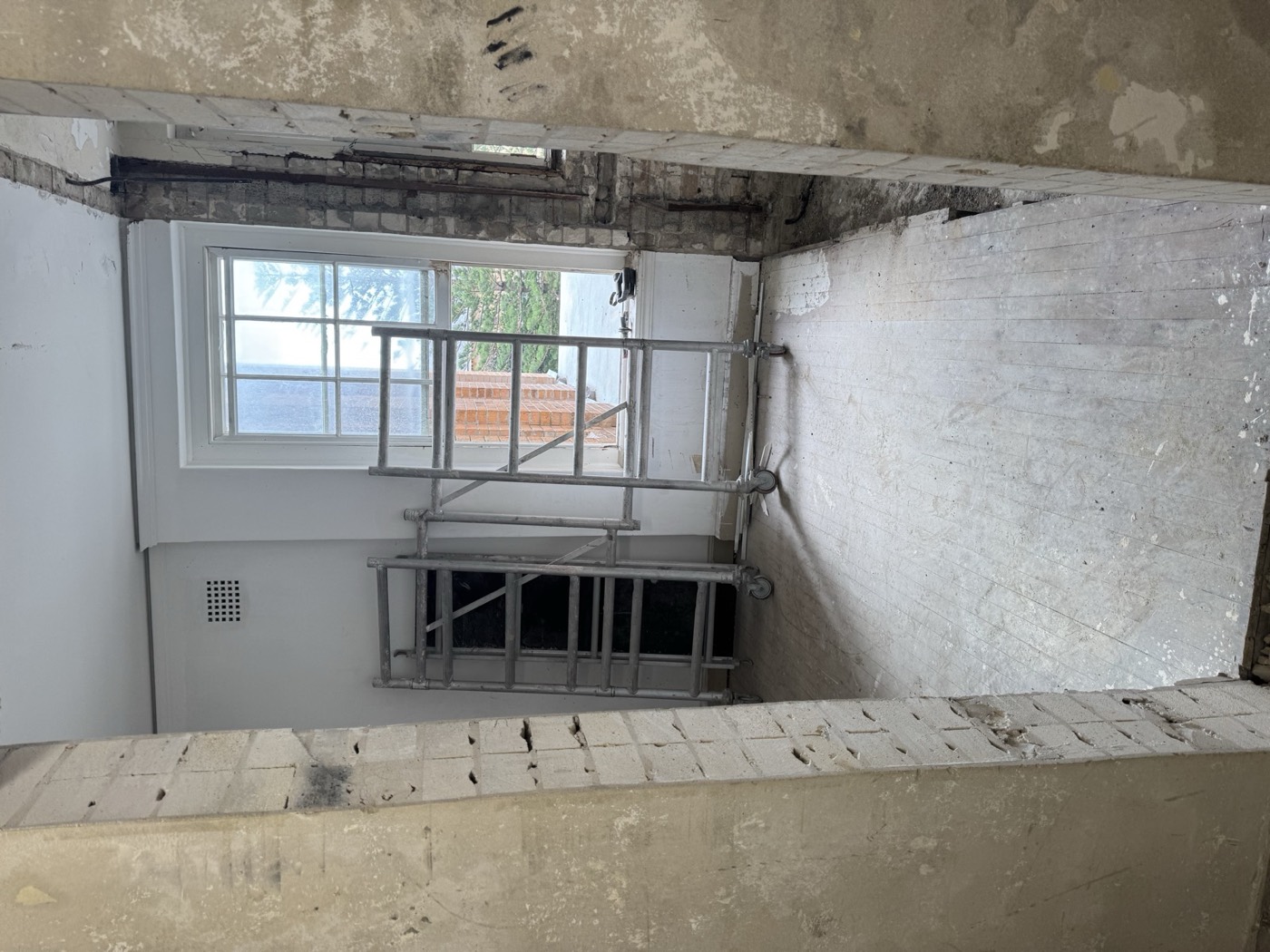
Turning an old office, warehouse or commercial building into apartments can unlock great value. But existing buildings come with existing problems. Finding them early, before the budget and program are locked in, is one of the keys to a successful conversion.
This is general information from a builder, not legal or planning advice.
Investigate before you buy or design
- Structural survey: condition of the frame, slabs and footings, and capacity for new loads.
- Concrete testing: carbonation, chlorides and cover. See carbonation vs chloride.
- Facade survey: brickwork, wall ties, lintels, windows and render. See wall ties.
- Roof and drainage: membranes, box gutters and stormwater.
- Hazardous materials: asbestos and lead. See asbestos in remedial works.
- Heritage: listings and conservation controls. See heritage approvals.
Common remedial work in conversions
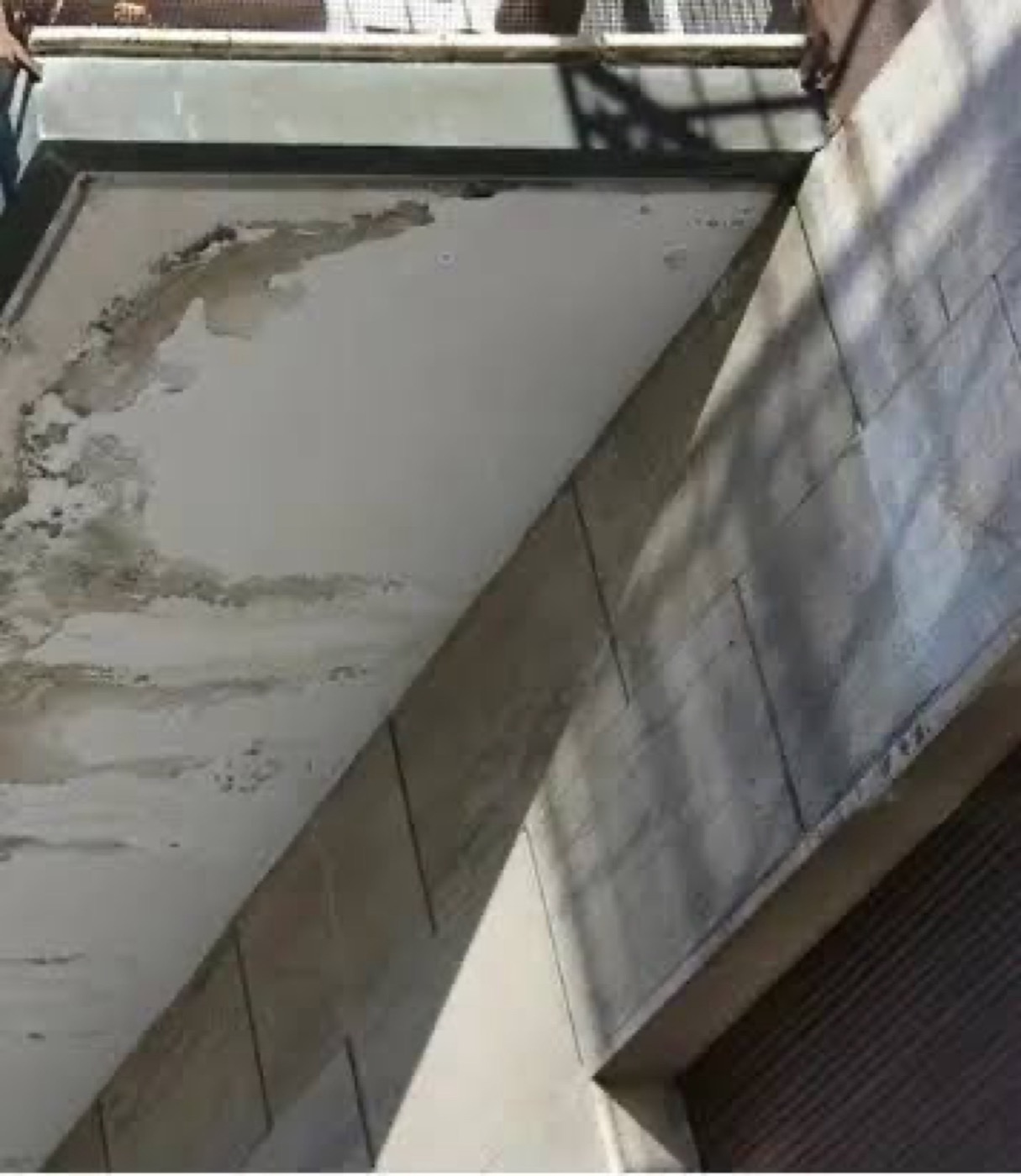
- Concrete cancer repairs and protective coatings. See concrete cancer signs.
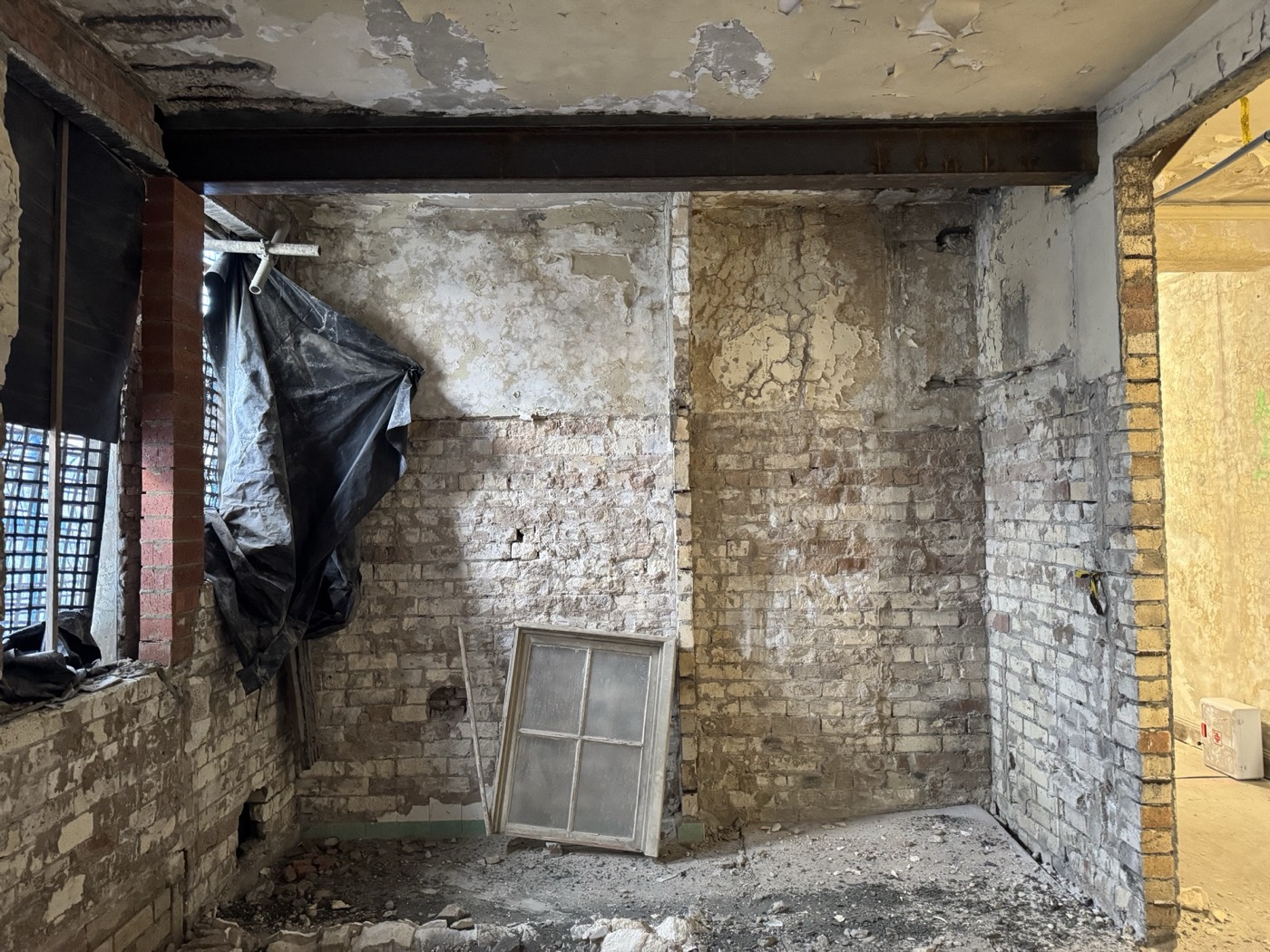
- Replacing corroded lintels and steel. See steel beam replacement.
- Strengthening for new loads, sometimes with carbon fibre. See carbon fibre.
- New waterproofing for roofs, terraces and wet areas.
- Masonry repairs and repointing.
- Basement and lift pit waterproofing. See lift pits.
Compliance considerations
A conversion to apartments generally means the building, or part of it, becomes a Class 2 building. That brings DBP Act requirements, fire safety upgrades, acoustic and accessibility requirements, and the RAB Act. See Class 2 buildings and RAB Act orders.
Budget and program tips
- Allow a realistic contingency for hidden conditions.
- Do early opening-up works to reduce unknowns.
- Price remedial items separately from the new fitout.
- Plan remedial work before finishes, so it is not undone later.
How remedial planning helps developers
Good early investigation reduces cost blowouts, avoids defects passing to buyers and protects your reputation. See warehouse conversions.
Conversion remedial works
We carry out structural and remedial works on existing buildings, working with your consultants. METCON is a licensed builder (384697C) and DBP registered (BUP4254812) for Class 2 work. Call 0415 840 500 or book a free inspection.
Frequently asked questions
What should a developer check before converting a building to apartments?
Structure, concrete condition, facade, roof and drainage, hazardous materials and heritage controls, ideally before the design and budget are fixed.
Does a conversion to apartments make the building Class 2?
Usually the residential part becomes Class 2, which brings DBP Act and other compliance requirements. Confirm with your certifier.
How much contingency should a conversion have?
It depends on the building and investigations, but conversions generally need more contingency than new builds because of hidden conditions.