Steel beams and lintels in older buildings were often encased in concrete, plaster or brickwork. When water reaches them over decades, they corrode, expand and crack the material around them. Replacing corroded structural steel is one of the most common jobs in building restoration and structural remediation.
Signs of corroded steel
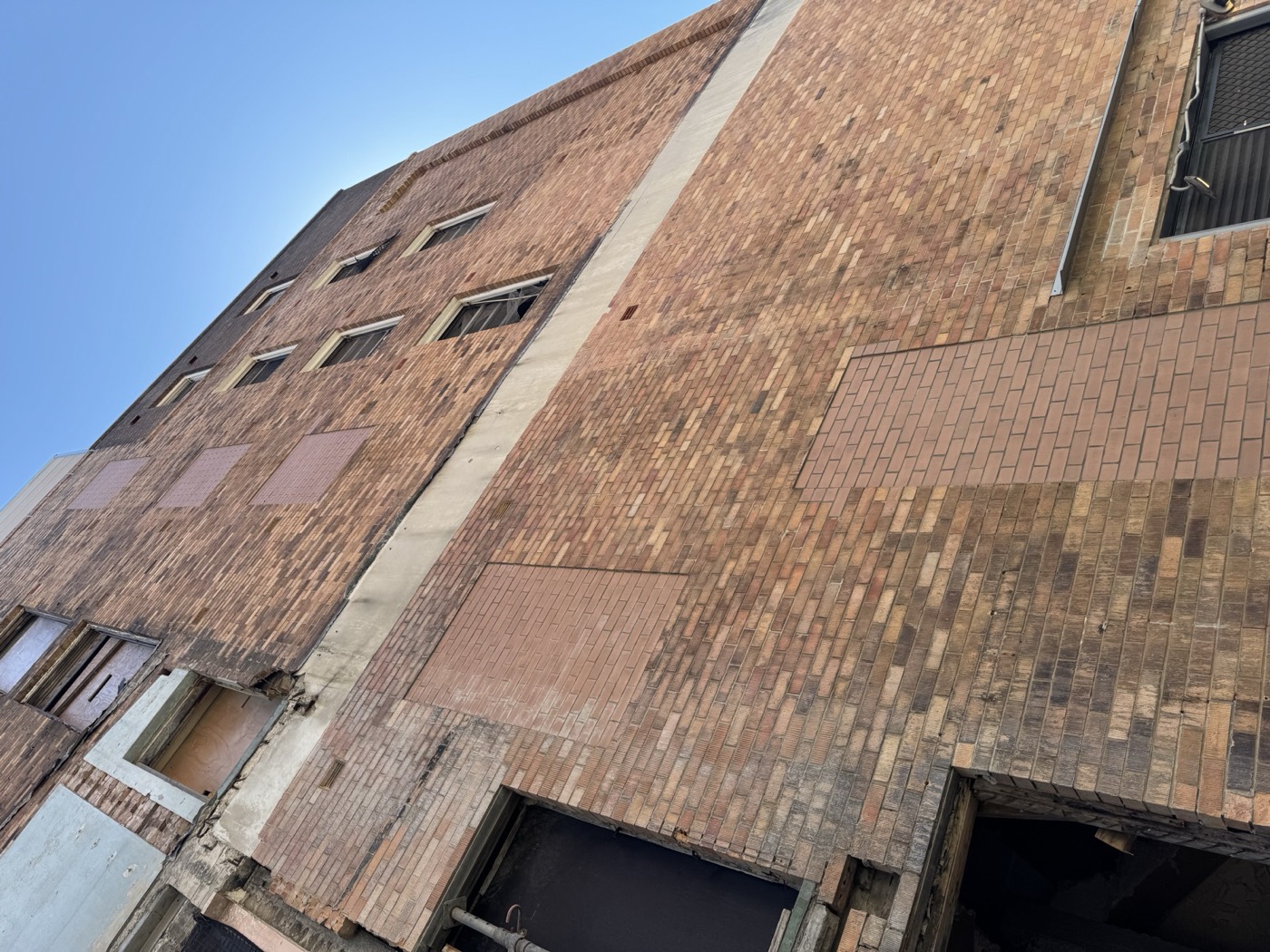
- Rust stains on ceilings, walls or render.
- Cracks running along the line of a beam or above window and door heads.
- Spalling concrete or plaster falling from beams and ceilings.
- Sagging over openings.
- Visible flaking, layered rust on exposed steel.
Why steel corrodes
Steel needs oxygen and moisture to rust. Leaking roofs, balconies and facades let water reach it, and once corrosion starts, the rust takes up more space than the original steel. That expansion is what cracks surrounding concrete and brickwork, which lets in more water.
How a beam replacement is done
- Engineering. A structural engineer assesses the loads and specifies the new beam, bearings and propping.
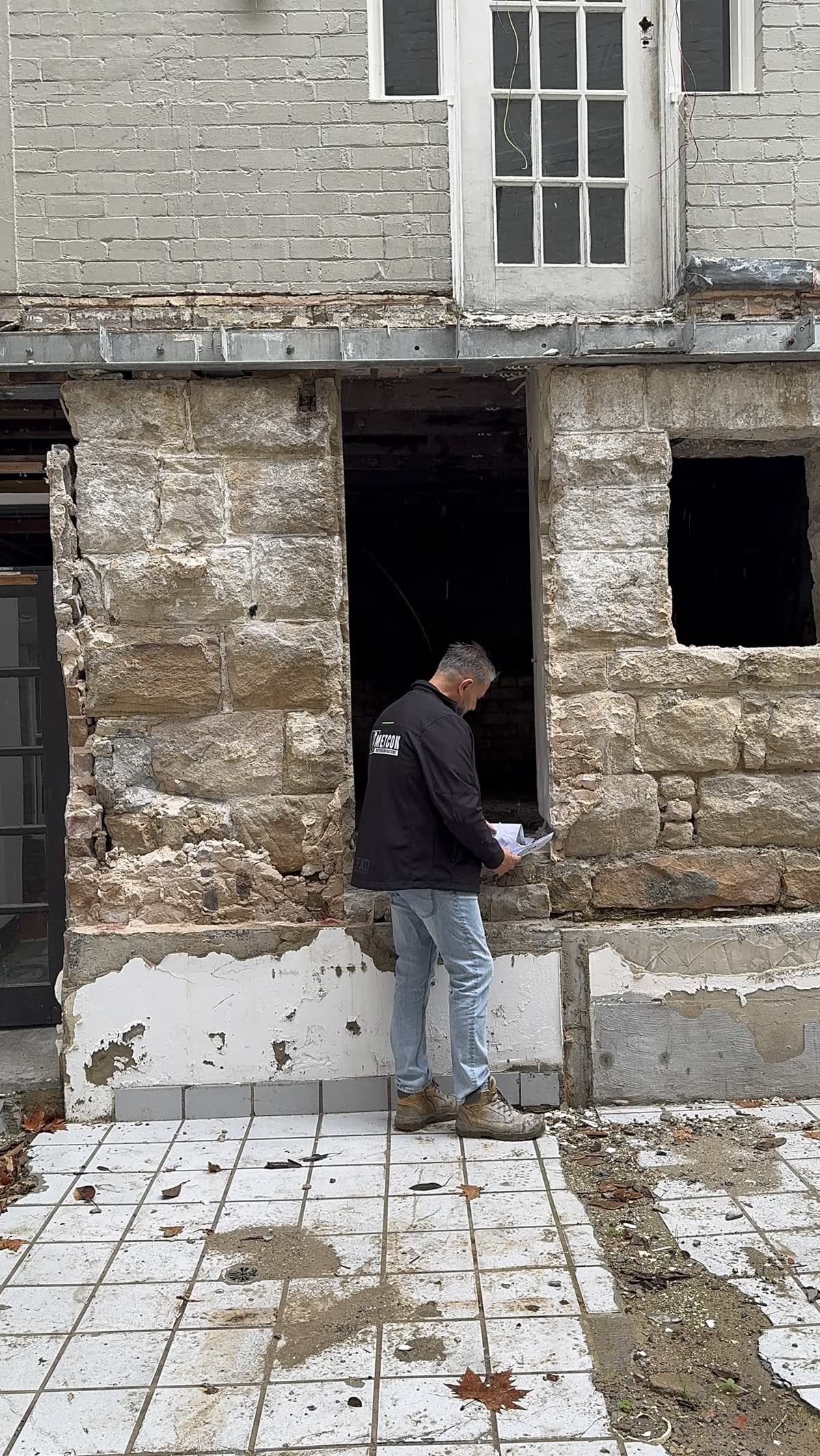
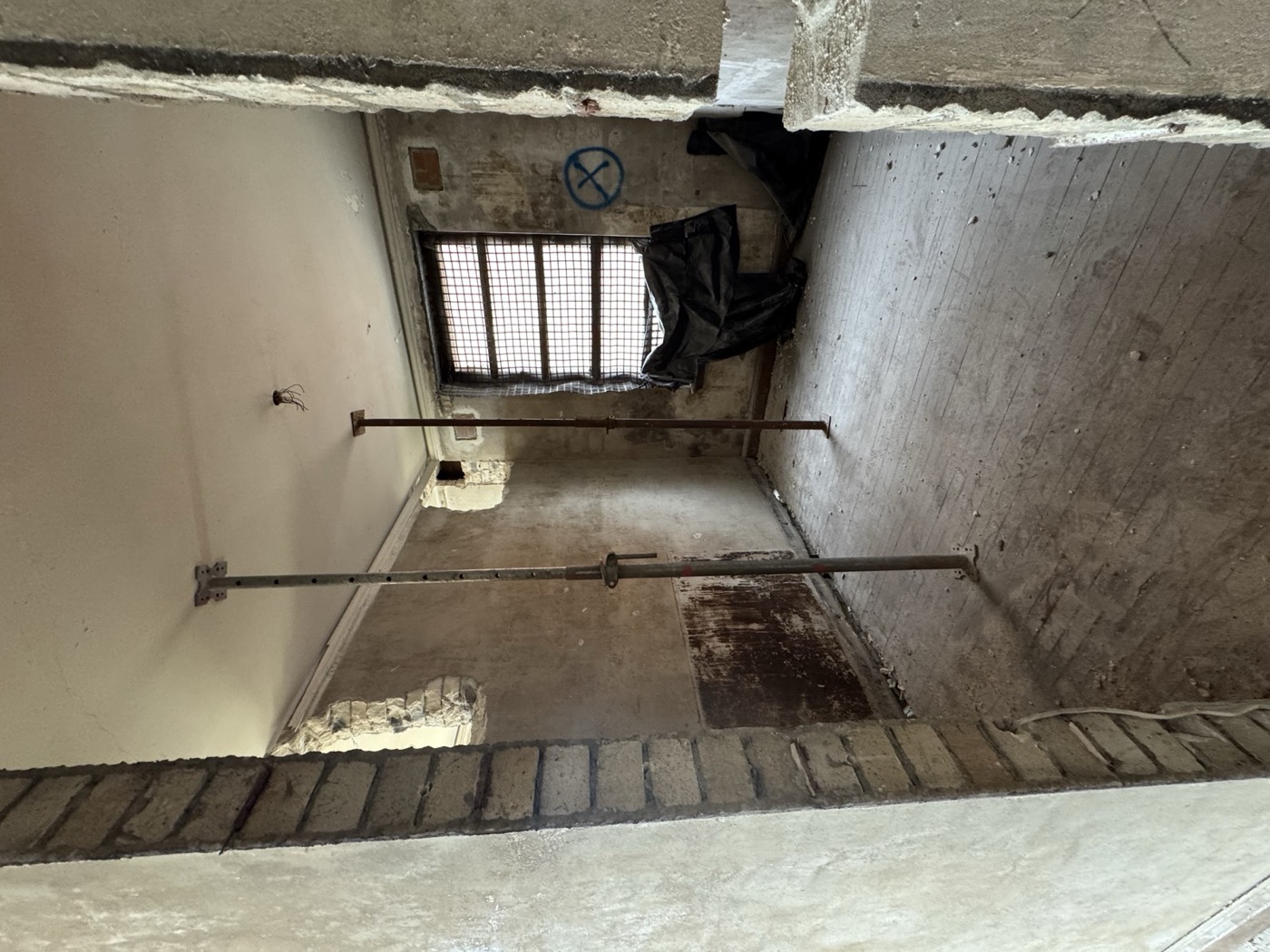
- Propping. Temporary props are installed to carry the load while the old beam is removed.
- Removal. The corroded beam and any damaged concrete or masonry around it are removed.
- New steel. The new beam is installed with proper bearings and packing, then inspected.
- Protection. The steel is protected against future corrosion with appropriate coatings and cover.
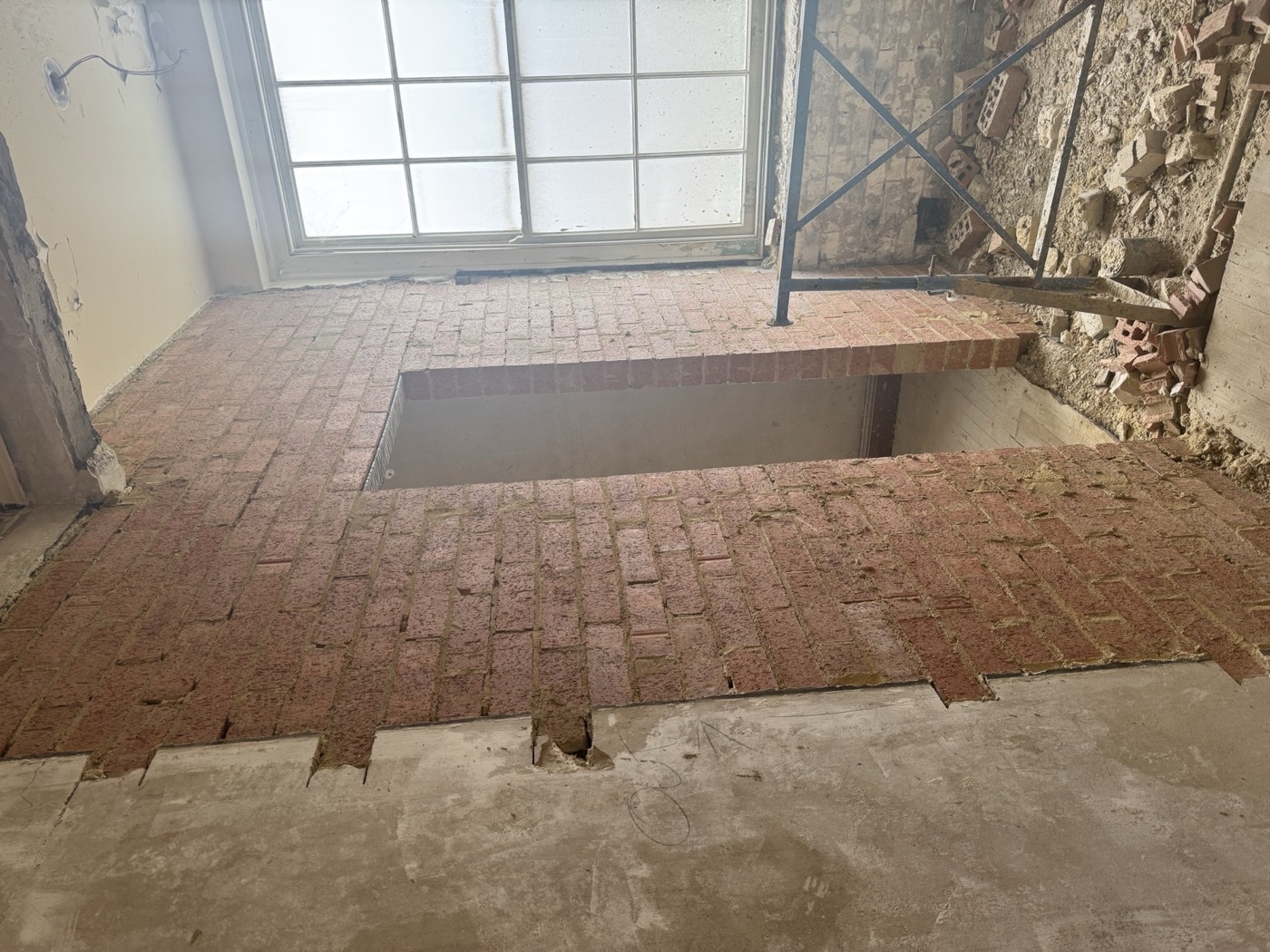
- Making good. Surrounding masonry, concrete and finishes are reinstated.
Fix the water too
A new beam will corrode again if the leak that damaged the old one is not fixed. Roof, balcony and facade repairs are usually part of the same job.
Forming new openings
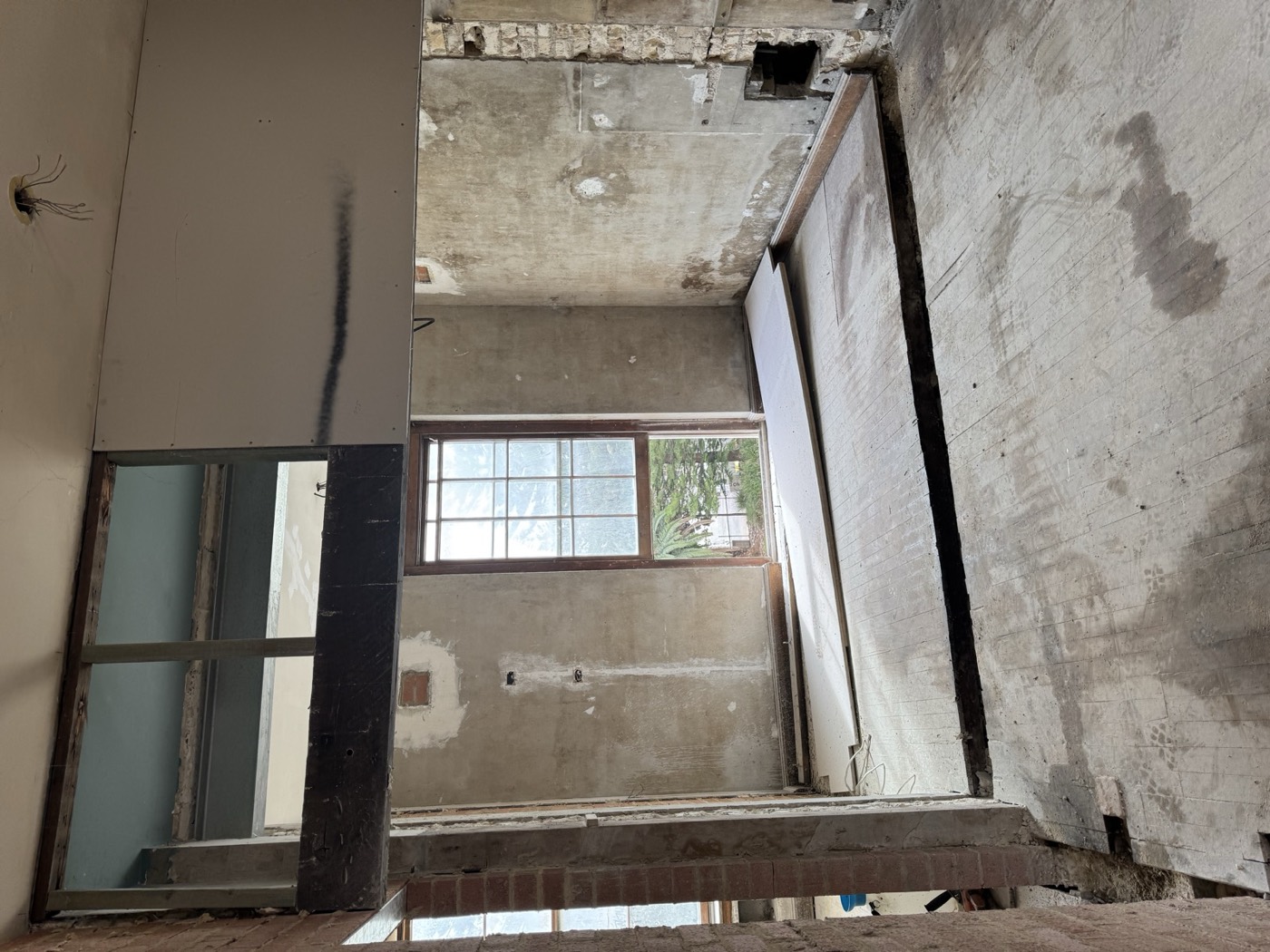
The same approach is used when walls are removed or new openings cut during a refurbishment: prop, install engineered steel, then remove the wall below. On large restoration projects this can mean hundreds of openings.
Structural remediation
We replace corroded beams and lintels and form new openings in older residential and commercial buildings. See our structural remediation service.
Frequently asked questions
Can a corroded steel beam be repaired instead of replaced?
Lightly corroded steel can sometimes be cleaned and protected. Where section loss is significant, the engineer will usually specify replacement or strengthening.
Do I need an engineer to replace a beam?
Yes. Beam replacement is structural work that needs an engineer to size the steel and specify the propping and bearings.
Can the building stay occupied during beam replacement?
Often, yes. The work area is propped and isolated, and the rest of the building can usually remain in use.