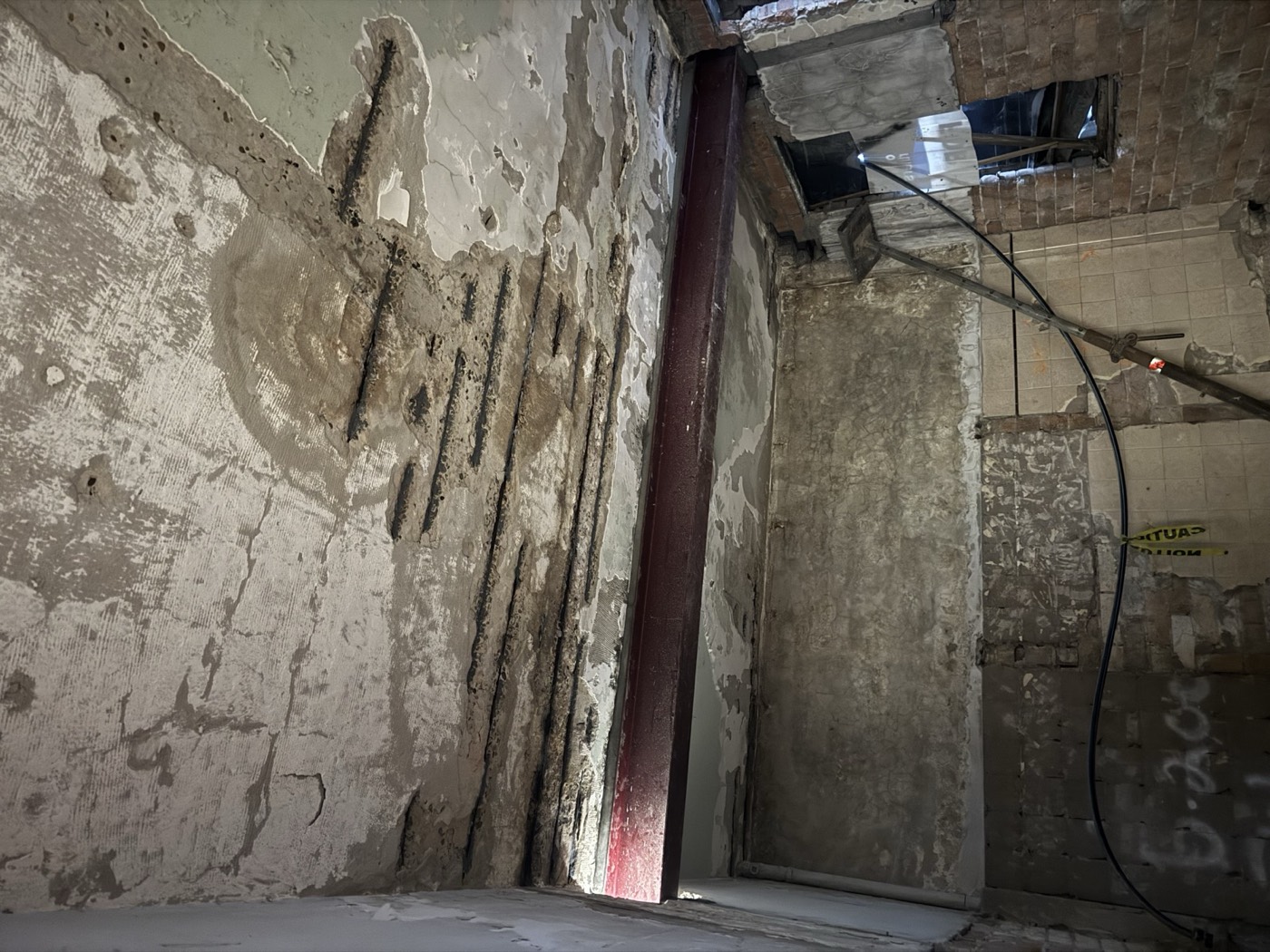
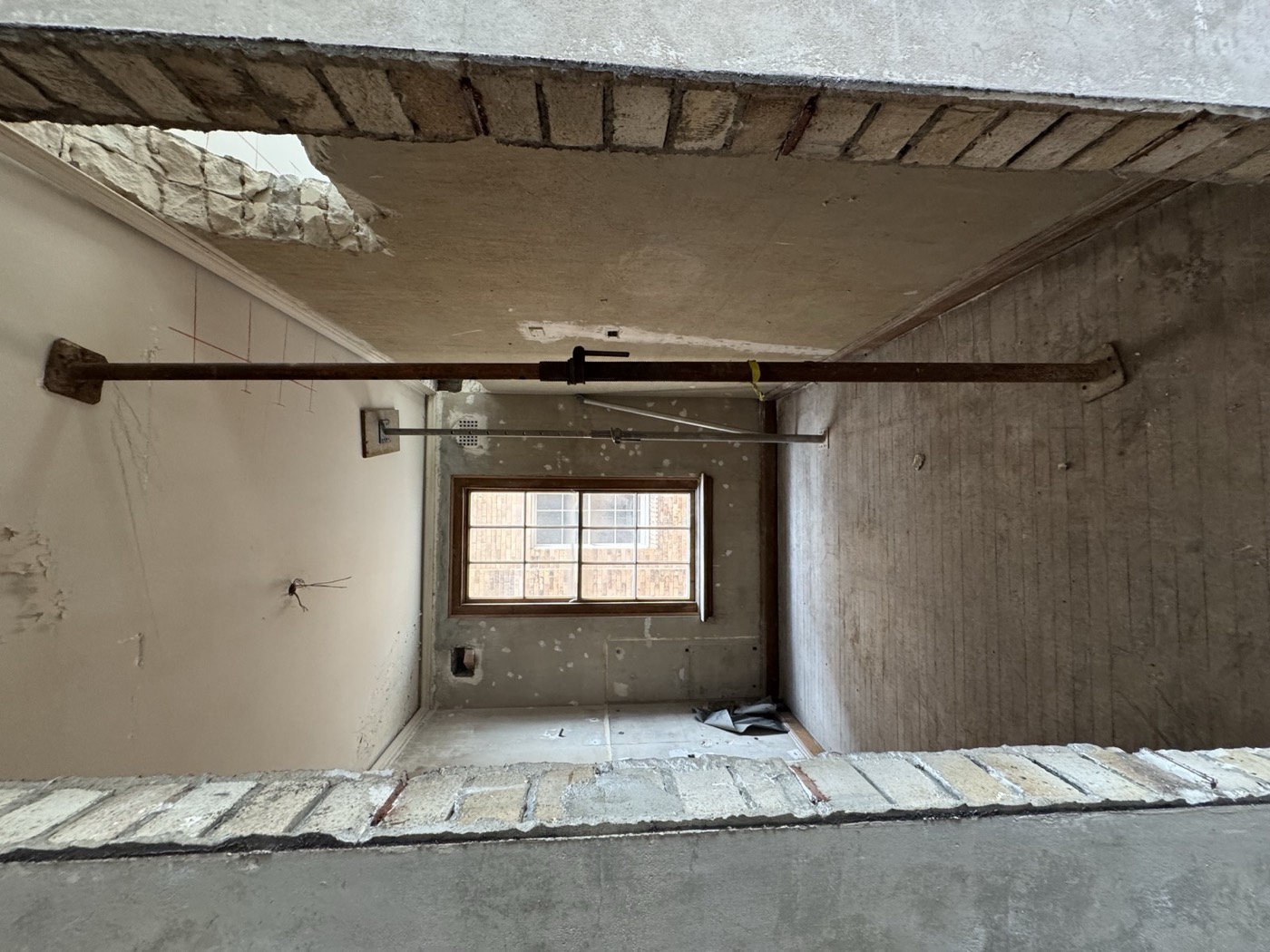
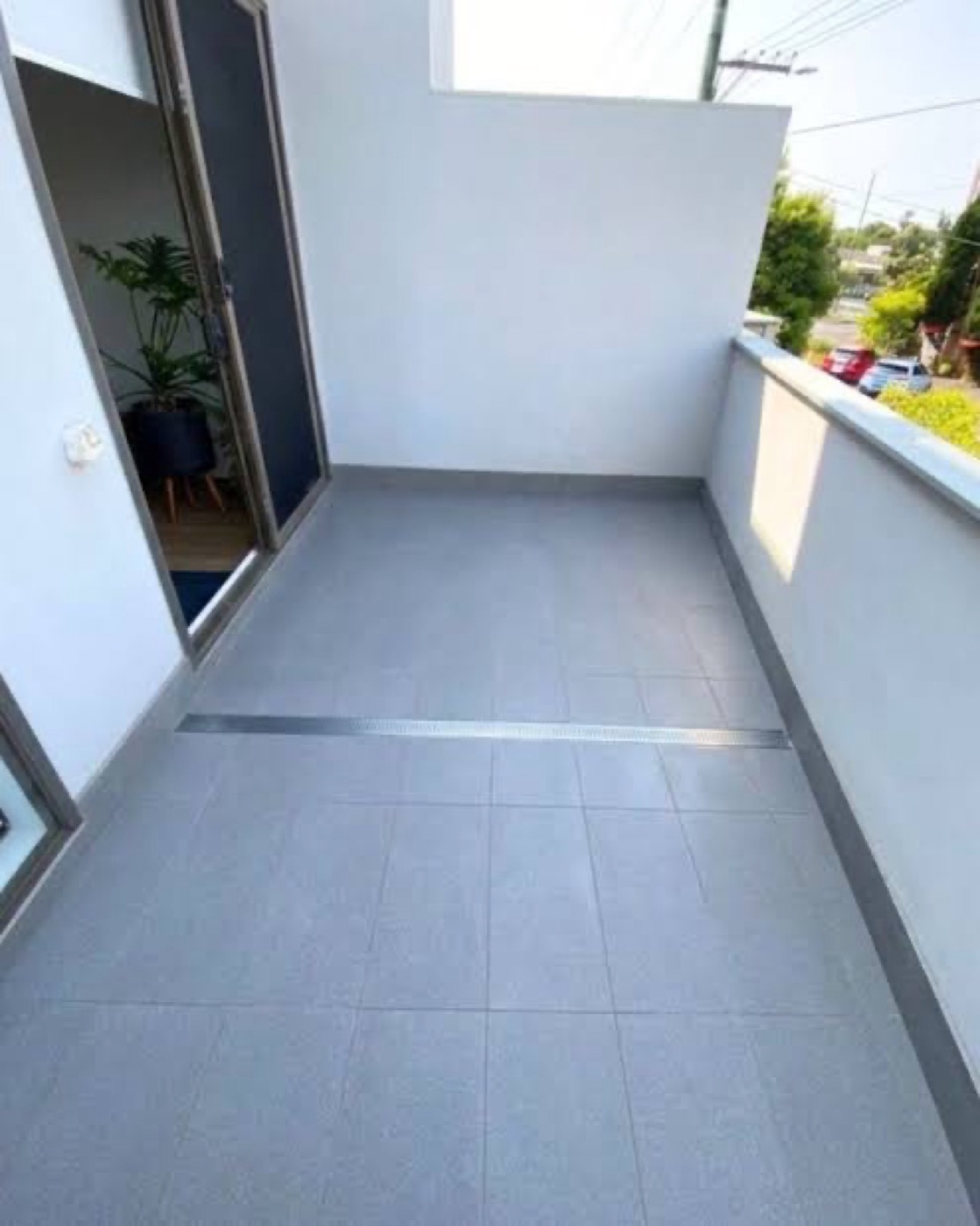
Some apartment buildings and many homes have steel-framed or bolt-on balconies, sometimes added years after the building. Steel is strong, but corrosion at connections can quietly weaken it.
Where corrosion starts
- Bolts and brackets fixing the balcony to the building.
- Beam ends built into walls.
- Where decking or tiles trap water against steel.
- Welds and cut edges without good coatings.
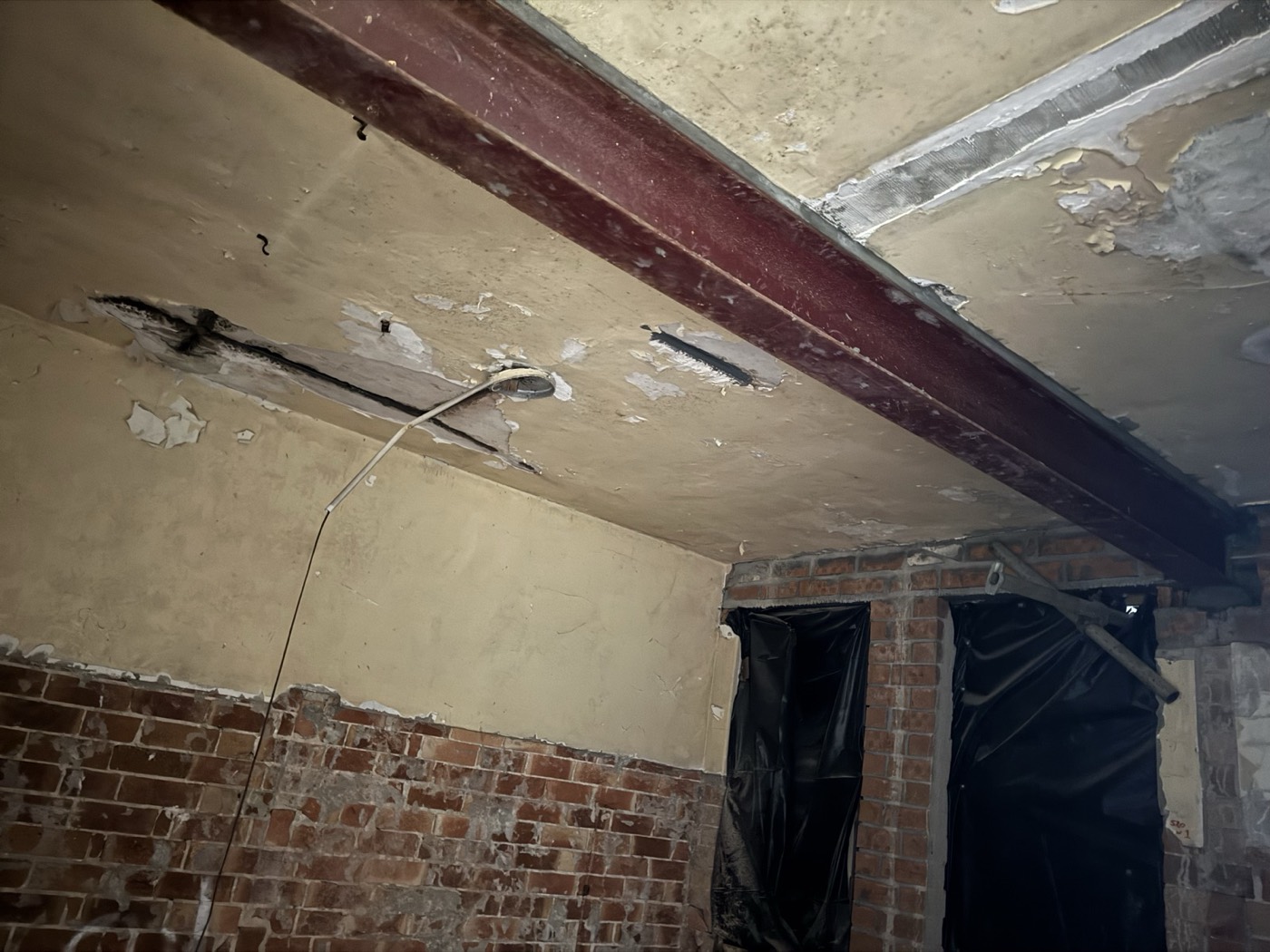
Warning signs
- Rust stains, flaking and bubbling paint.
- Cracks in walls around fixings.
- The balcony sloping or moving.
- Loose or noisy connections.
Inspection
A structural engineer should check connections and members, which may need coverings removed. If there are signs of movement, restrict use until it is checked. See emergency balcony repairs.
Repair options
- Cleaning and recoating steel.
- Replacing corroded bolts and brackets.
- Adding or replacing members, to engineer's design.
- Improving drainage so water does not sit on steel.
- Replacing the balcony where corrosion is severe.
See corroded steel.
Coastal buildings
Near the sea, steel corrodes faster. Use suitable coatings or galvanising and inspect more often. See beachside balconies.
How repairs help
Repairs keep balconies safe and extend their life, often avoiding a full replacement.
Steel balcony repairs
We repair and replace steel balcony members and connections with engineers. Call 0415 840 500 or book a free inspection.
Frequently asked questions
Are steel balconies safe?
They can be when maintained, but corrosion at connections can weaken them. Regular inspection matters.
How do I know if my steel balcony is rusting badly?
Rust stains, flaking paint, cracks around fixings and movement are warning signs. Get an engineer to check.
Can a rusted steel balcony be repaired?
Often, by replacing corroded parts and recoating. Severe corrosion may require replacement.