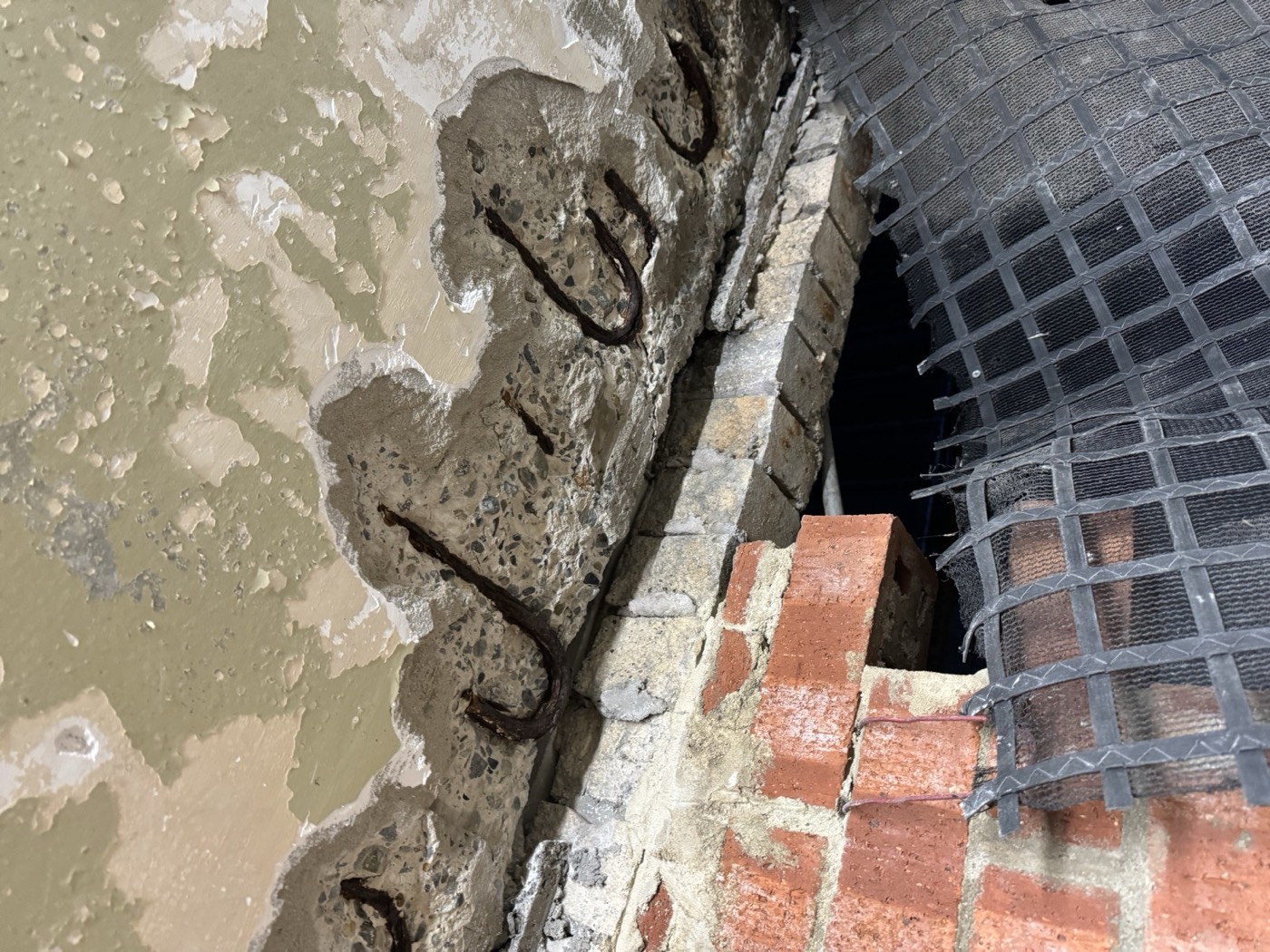
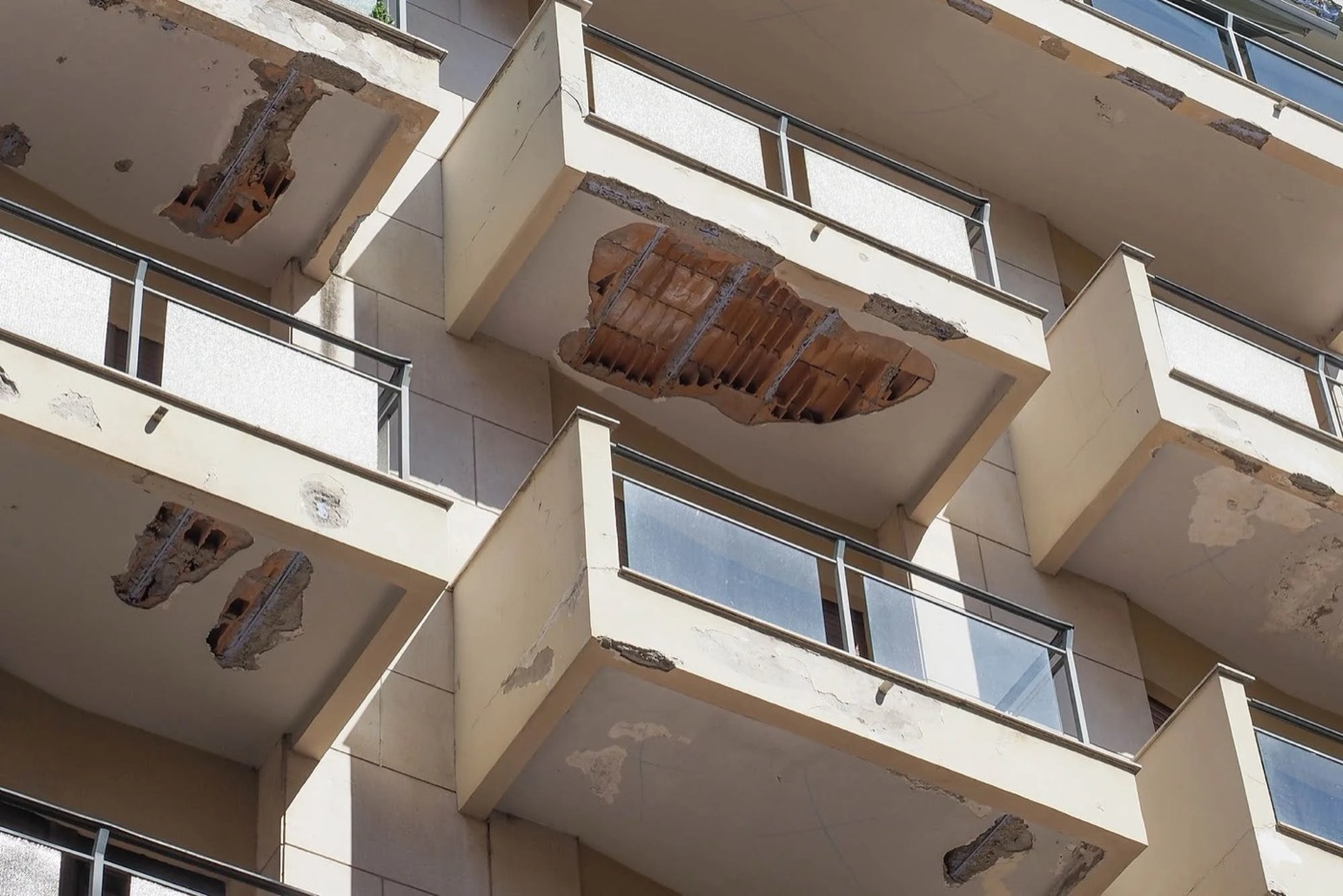
The lift pit is the lowest part of most apartment buildings: a concrete box below the lowest floor, often surrounded by wet ground. It is also one of the places water most likely gets in. Your lift contractor may already have flagged it in a service report.
Why water in a lift pit is a problem
- Equipment damage. Buffers, sensors, wiring and other components in the pit can corrode or fail when wet.
- Lift breakdowns. Water can trip safety devices and take the lift out of service, which is a serious problem for residents with mobility needs.
- Safety for technicians. Lift technicians work in the pit. Standing water and electrical equipment are a bad combination.
- Concrete damage. Constant water speeds up corrosion of reinforcement in the pit walls and slab.
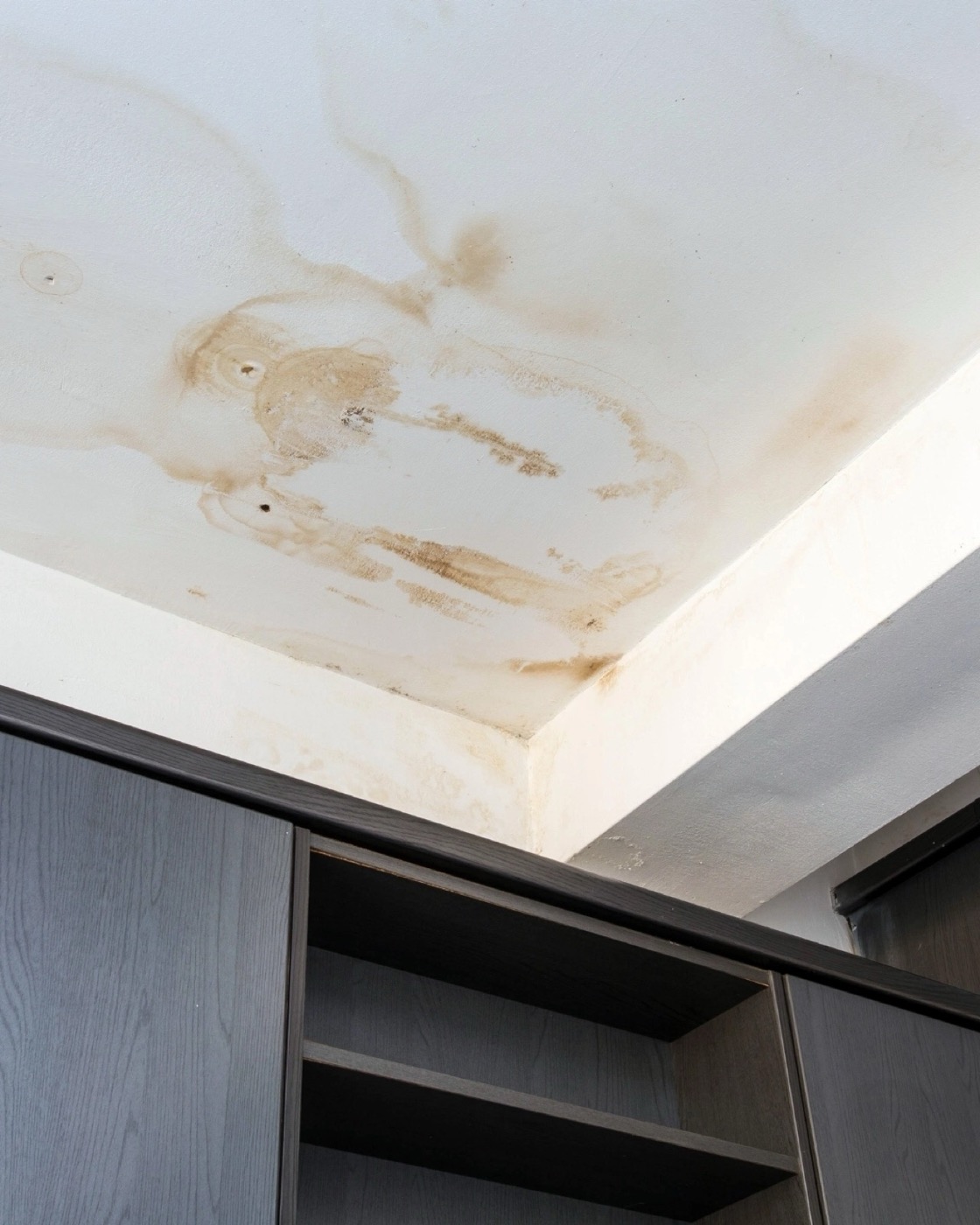
Where lift pits leak
- The joint between the base slab and the walls, the most common entry point.
- Construction joints where wall pours meet.
- Cracks from shrinkage or movement.
- Form tie holes and penetrations for conduits, drains or fixings.
- Failed external waterproofing, if any was installed, which cannot be reached without excavation.
How lift pit leaks are fixed
1. Find out where the water comes from
The pit is pumped dry and cleaned, then watched to see where water enters. Groundwater, stormwater from a nearby drain and water from a leaking pipe each need a different answer.
2. Injection
Leaking cracks and joints are usually treated with polyurethane crack injection, which reacts with water and seals while wet.
3. Negative-side waterproofing
Because the outside of the pit is buried, the waterproofing is applied on the inside, the "negative side". Cementitious or crystalline systems that bond to the concrete and resist water pressure from behind are common choices.
4. Drainage
Some pits have, or can be given, a small sump. Whether a pump is allowed, and where it discharges, depends on the lift standard requirements and your lift contractor, so this is always agreed with them.
Working with the lift company
Lift pit work is always coordinated with your lift contractor. They isolate the lift, make the pit safe, protect or remove equipment if needed, and return the lift to service after checks. Work is planned to keep the lift out of service for as short a time as possible, and residents are told well ahead.
Is it common property?
In most strata schemes the lift and the structure around it are common property, so the owners corporation is responsible. See who is responsible for repairs in strata.
New building with a leaking lift pit?
A leaking lift pit in a recently completed building may be a waterproofing defect. Get it documented and look at warranty time limits before repairing it yourself.
Lift pit and basement waterproofing in Sydney
We repair leaking lift pits, basements and car parks in apartment buildings, working with your lift contractor and engineer. METCON is a licensed builder (384697C) and DBP registered (BUP4254812) for Class 2 work. Call 0415 840 500 or book a free inspection.
Frequently asked questions
Why is there water in our lift pit?
Usually groundwater coming through the joint between the base slab and walls, construction joints, cracks or tie holes. Sometimes it is stormwater or a leaking pipe nearby.
Can a lift pit be waterproofed from the inside?
Yes. Leaks are injected and a negative-side waterproofing system, such as a cementitious or crystalline coating, is applied to the inside of the pit.
Will the lift be out of service during the repair?
Yes, for part of the work. The lift contractor isolates the lift while work in the pit is done, and the job is planned to keep the shutdown short.