Water coming through a crack in a basement wall, a car park slab or a lift pit is one of the most common leaks in apartment buildings. In many cases the fix is not to dig out and re-waterproof the outside of the wall, but to inject the crack from the inside with a resin that fills it and stops the water.
How crack injection works
- Assess the crack. Is it dry, damp or running with water? Is it still moving? Is it structural? An engineer may need to answer the last question.
- Prepare the surface. The crack is cleaned and, depending on the system, the surface is sealed over so resin cannot escape.
- Install ports or packers. Holes are drilled at an angle to cross the crack at intervals along it, and packers are fitted. Surface ports are used for some epoxy systems.
- Inject. Resin is pumped in under pressure, starting at the lowest packer, until it appears at the next one. The process moves along the crack.
- Finish. Once cured, the packers are removed, holes are filled and the surface is made good.
Epoxy injection
Epoxy resins cure hard and bond strongly to concrete. They can restore much of the strength across a crack.
- Best for: dry or damp cracks that are no longer moving, and cracks where structural bond matters, as specified by an engineer.
- Not for: actively leaking cracks, which stop the epoxy curing and bonding, or cracks that will keep opening and closing.
Polyurethane injection
Polyurethane resins react with water. Some foam and expand to stop running water quickly; others cure to a flexible gel or rubber that can cope with small movements.
- Best for: actively leaking cracks, construction joints and cracks that move slightly with temperature.
- Not for: restoring structural strength. Polyurethane seals, it does not bond the concrete back together.
Some jobs use both: polyurethane first to stop the water, and epoxy later once the crack is dry, where strength is needed.
Other injection methods
- Acrylic gel injection can be pumped through a wall to form a waterproof layer in the ground behind it. It is sometimes called curtain injection and is used where water is coming through a wall in many places.
- Joint injection fills leaking construction joints, where one concrete pour meets another, a very common leak point at slab-to-wall junctions.
When crack injection is not enough
- When water is coming through the whole wall, not just at cracks, a wider waterproofing approach such as negative-side tanking may be needed.
- When cracks are caused by ongoing structural movement, the cause has to be fixed first.
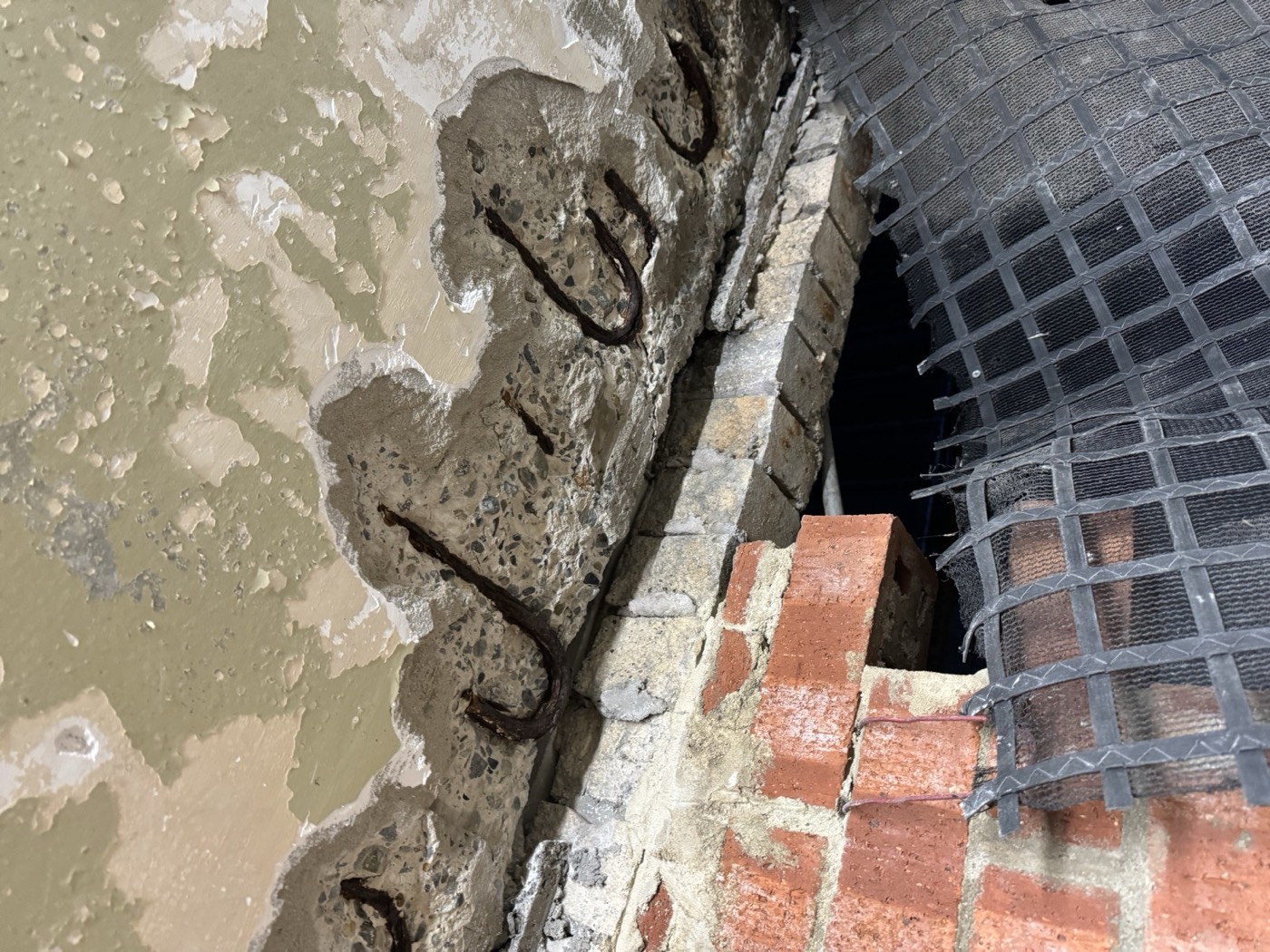
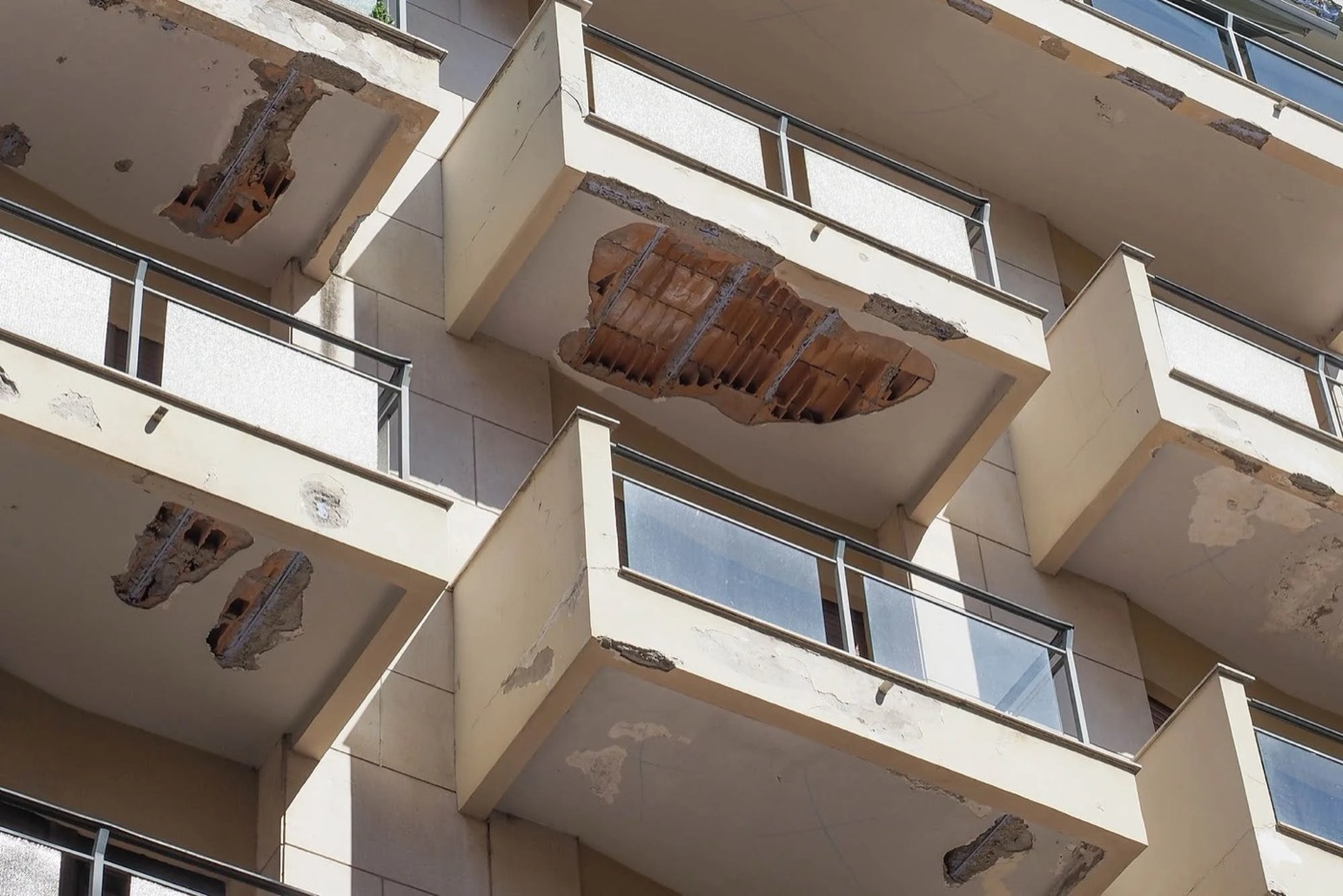
- When the steel is already rusting, concrete repairs may be needed as well.
- When the leak is from a failed membrane above, such as a podium or terrace, injecting the slab underneath treats the symptom, not the cause.
Where we use it in strata buildings
- Basement and car park walls and slabs.
- Lift pits and plant rooms.
- Construction joints and slab edges.
- Planter box walls and podium slabs, alongside new waterproofing.
For work on waterproofing in a Class 2 building, the DBP Act may require a regulated design and compliance declaration. METCON is a licensed builder (384697C) and DBP registered (BUP4254812) for Class 2 work. Call 0415 840 500 or book a free inspection.
Frequently asked questions
Can you inject a crack that is actively leaking?
Yes. Water-reactive polyurethane resins are designed for wet and running cracks. Epoxy is not suitable while water is flowing.
Is epoxy or polyurethane better for basement cracks?
For leaking cracks, polyurethane is usually the choice because it reacts with water and copes with small movement. Epoxy suits dry, stable cracks where structural bond matters.
How long does crack injection last?
Done properly on the right crack, it can last for many years. It can fail if the crack keeps moving more than the resin can handle, or if water finds a new path nearby.