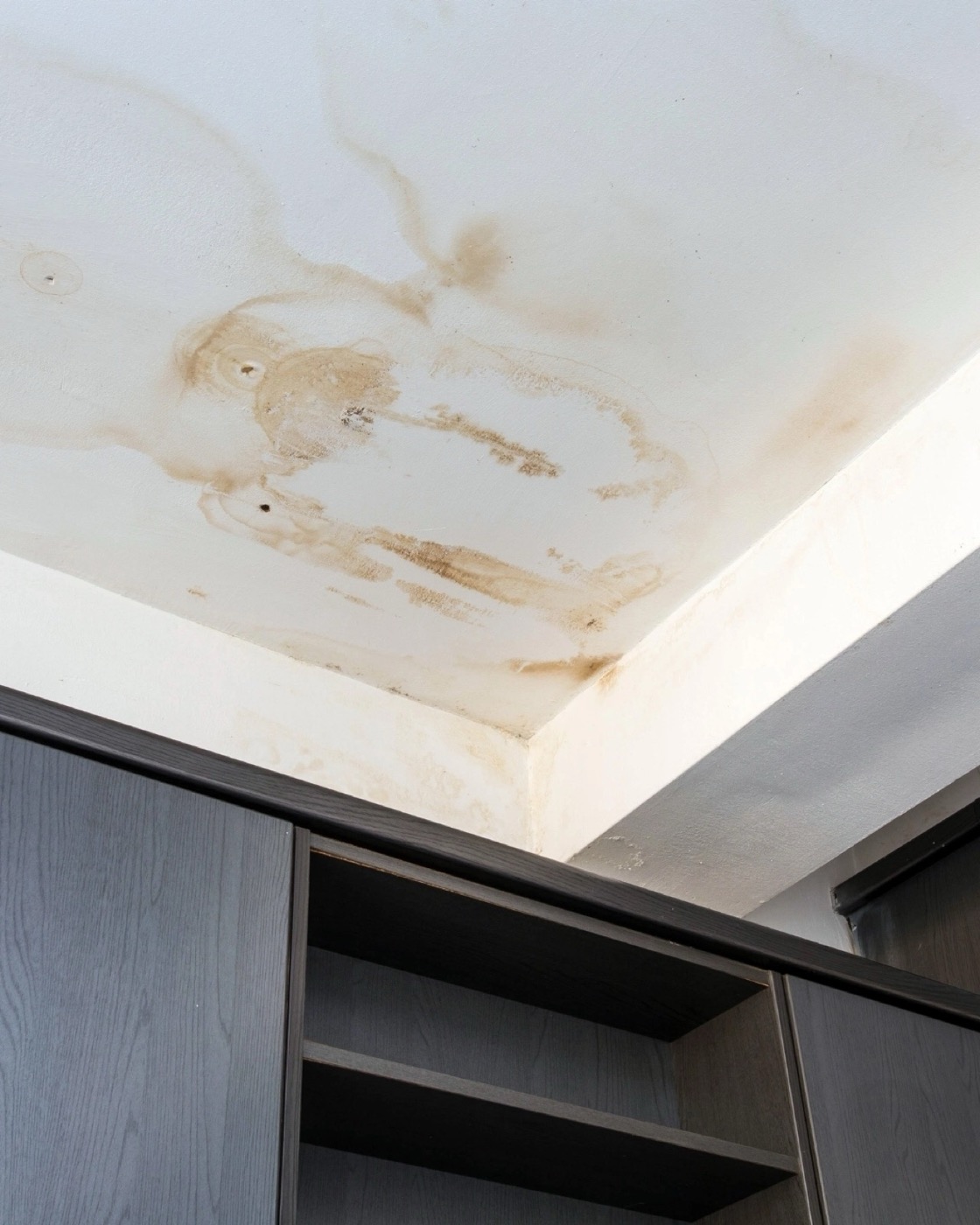
Waterproofing failures are consistently among the most common defects in new apartment buildings. Leaking balconies, bathrooms, podiums, planters and basements can appear within months of settlement. Owners have real protections in NSW, but they are time-limited, so acting early matters.
Common waterproofing defects in new apartments
- Balconies: membranes not turned up at walls and door sills, no puddle flanges, no overflow, poor falls.
- Bathrooms: failed shower and floor waterproofing leaking into units below. See leaking shower repairs.
- Podiums and roof terraces: leaks into car parks, lobbies and units. See podium waterproofing.
- Planter boxes: leaks and root damage. See planter box waterproofing.
- Basements: water through walls, joints and slabs.
- Windows and façades: leaks at window frames, joints and cladding.
Your protections in NSW
Statutory warranties
Under the Home Building Act 1989, residential building work comes with statutory warranties: 6 years for major defects and 2 years for other defects, from completion. Waterproofing is listed as a major element of a building, so serious waterproofing defects can fall within the 6-year period.
Strata building bond
For new residential strata buildings of four or more storeys, the developer lodges a building bond, and independent inspections identify defects to be fixed. See the strata building bond and inspections scheme.
Duty of care under the DBP Act
The Design and Building Practitioners Act 2020 creates a statutory duty of care owed by those who carry out construction work, and claims can generally be brought for up to 10 years.
Building Commission NSW
For residential apartment buildings, the regulator can investigate and can order developers to fix serious defects.
These rules are complex and deadlines matter. Owners corporations should get legal advice early about their rights and time limits.
What to do if your new building is leaking
- Record everything: dated photos, which unit, which room, when it happens and in what weather.
- Report it in writing to the strata manager and, through them, to the builder or developer.
- Get an independent defect report from a building consultant or remedial engineer. See what to do after a defect report.
- Get legal advice on warranty periods, the bond and the DBP Act before deadlines pass.
- Make safe and limit damage while the dispute runs, for example temporary repairs and mould prevention.
When the builder will not fix it
If the original builder is unwilling or no longer trading, owners corporations often engage a remedial builder to rectify the defects, sometimes funded through insurance, the bond or a settlement. The rectification should follow an engineer or consultant specification, so the repair is defensible and done once.
Rectifying waterproofing defects
We rectify waterproofing and building defects in Class 2 apartment buildings across Sydney, and we are DBP registered. We work to your consultant's scope and document every stage. See our defect rectification service or call 0415 840 500.
Frequently asked questions
How long is the warranty on waterproofing in a new apartment in NSW?
Under the Home Building Act, statutory warranties are 6 years for major defects and 2 years for other defects. Waterproofing is a major element, so serious waterproofing defects can fall within 6 years.
What should owners do about leaks in a new building?
Record the leaks, report them in writing through the strata manager, get an independent defect report and get legal advice on time limits.
Can the owners corporation use its own builder to fix defects?
Yes. Many owners corporations engage a remedial builder to rectify defects to a consultant specification, especially when the original builder will not.