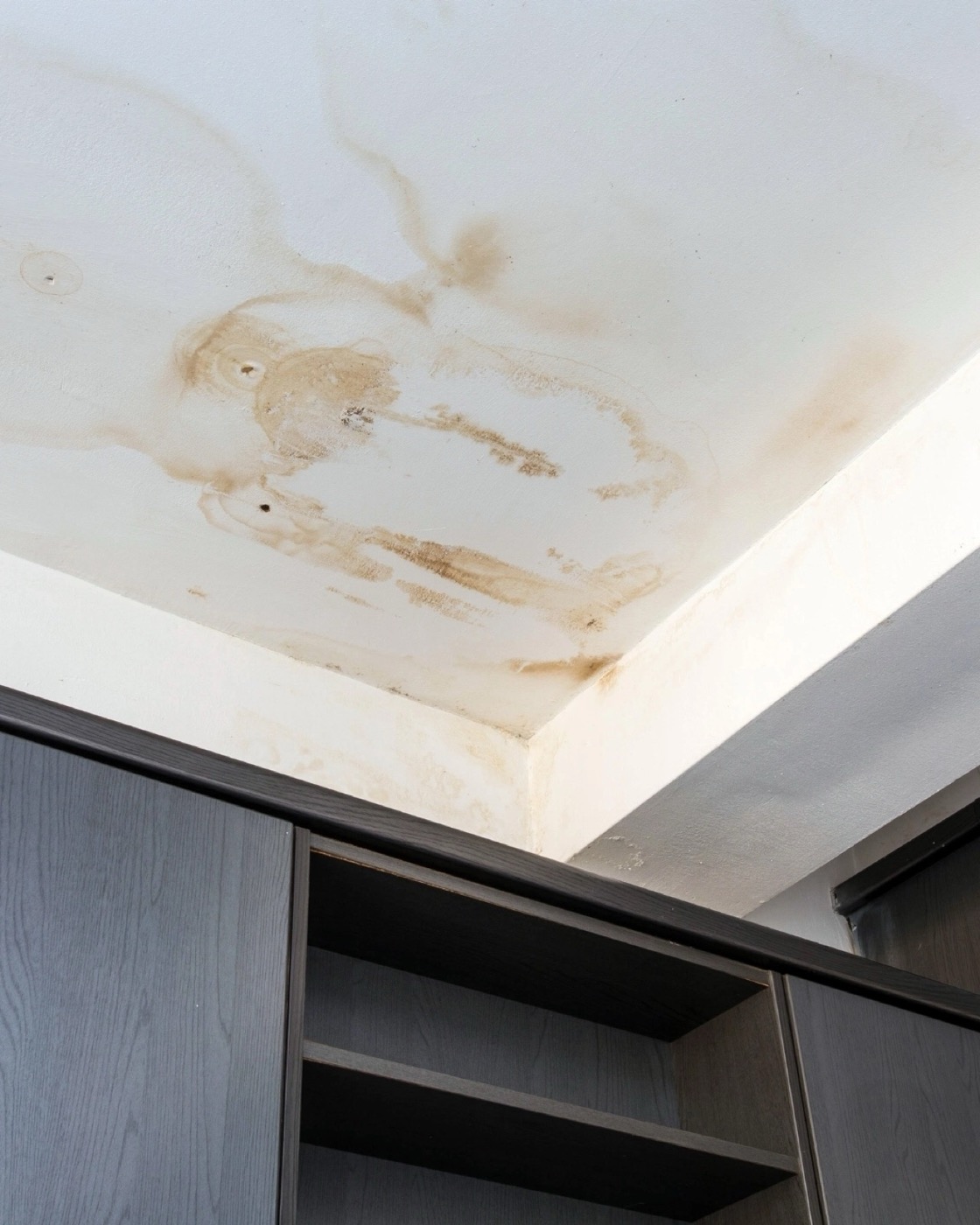
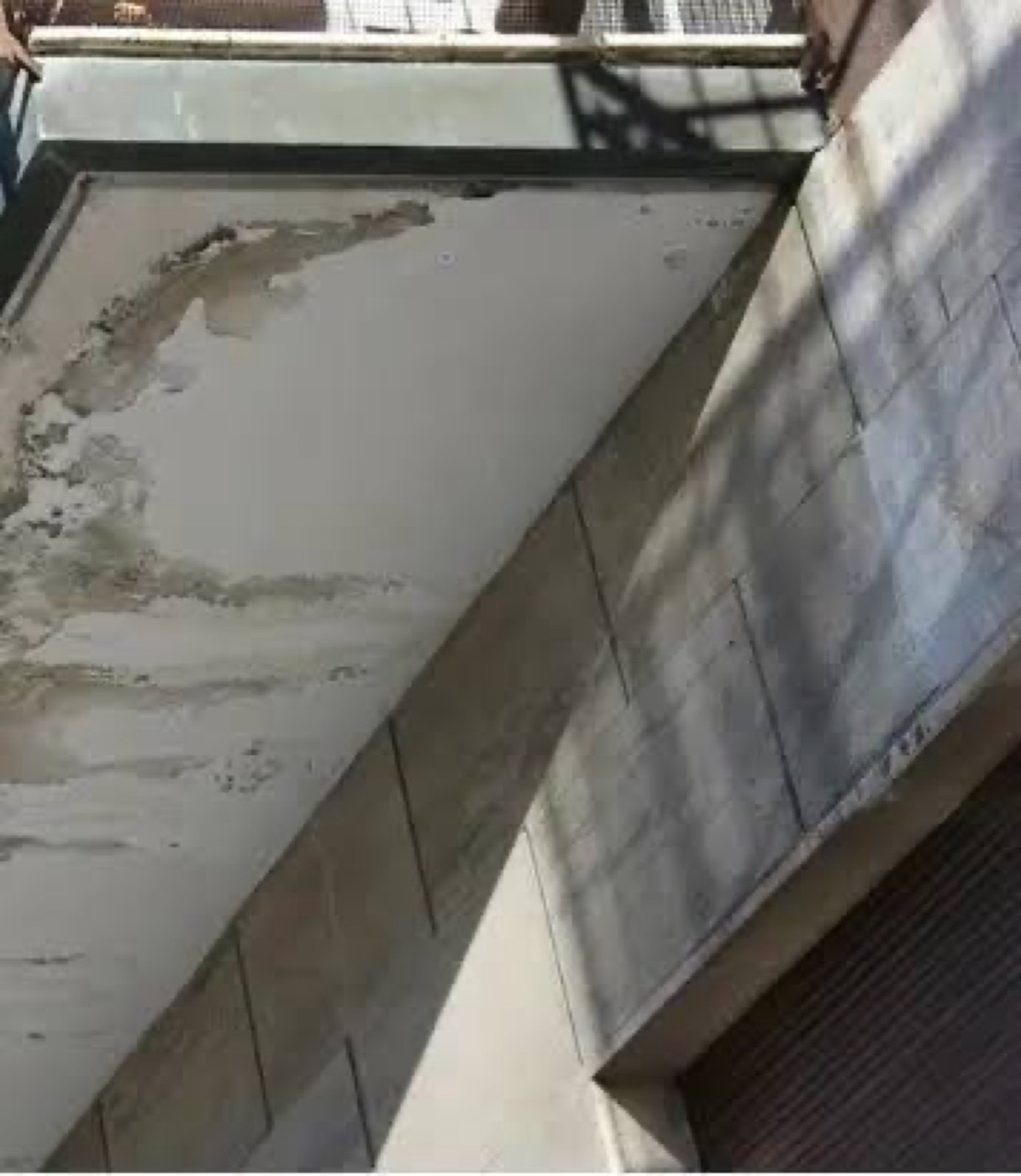
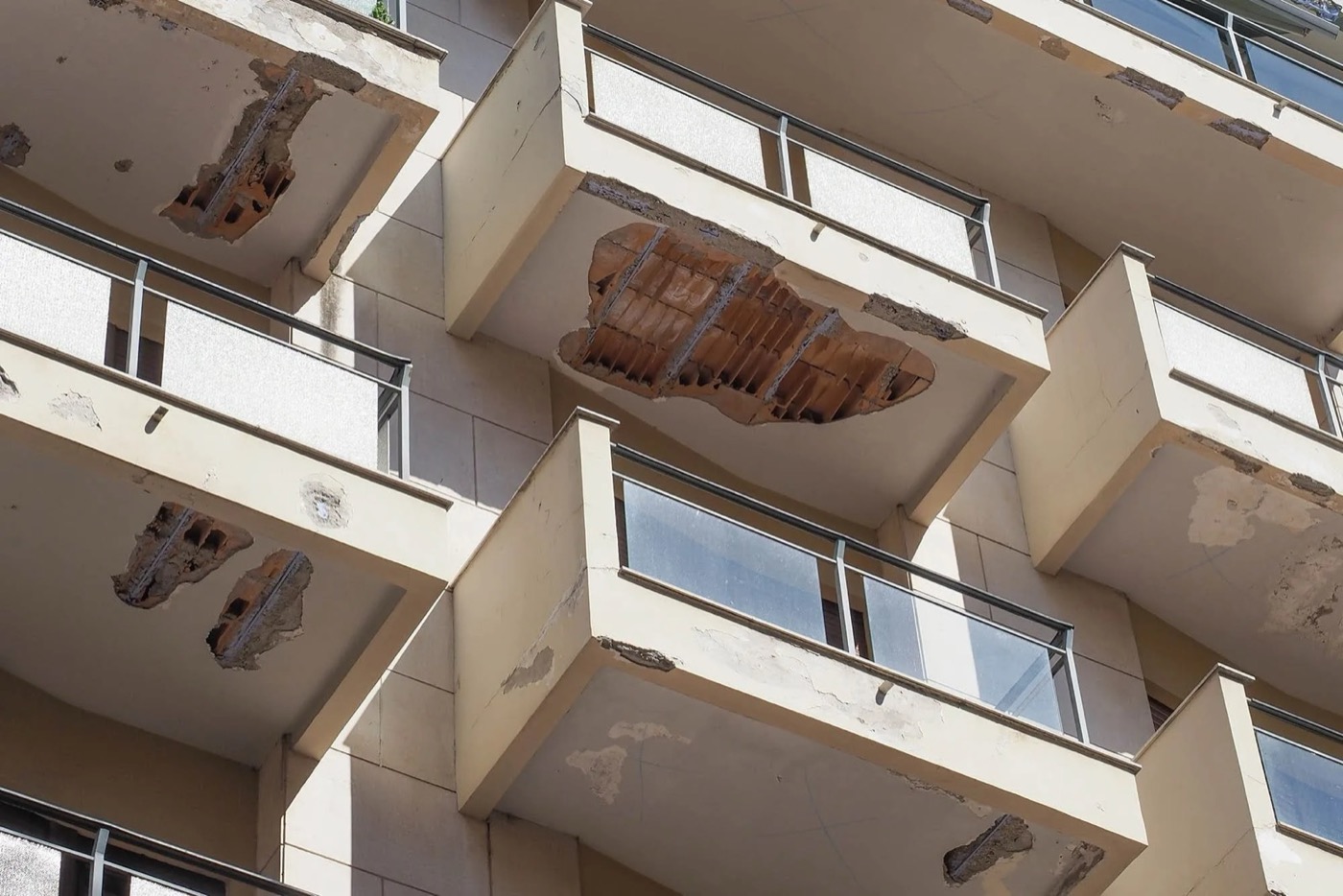
Basements, underground carparks and planter boxes have one thing in common: they hold soil or water against concrete, often directly above or beside spaces people use. When the waterproofing fails, water finds its way into carparks, storage areas and the rooms below. They are among the most common leaks in Sydney apartment buildings.
Why basements leak
- Hydrostatic pressure: groundwater pushing against walls and slabs below ground.
- Cracks and construction joints: shrinkage cracks and joints between pours that were never sealed properly.
- Failed or missing external membranes: often damaged during backfilling or never installed.
- Blocked drainage: ag drains behind walls that have clogged, letting water build up.
- Penetrations: pipes and services through walls that are not sealed.
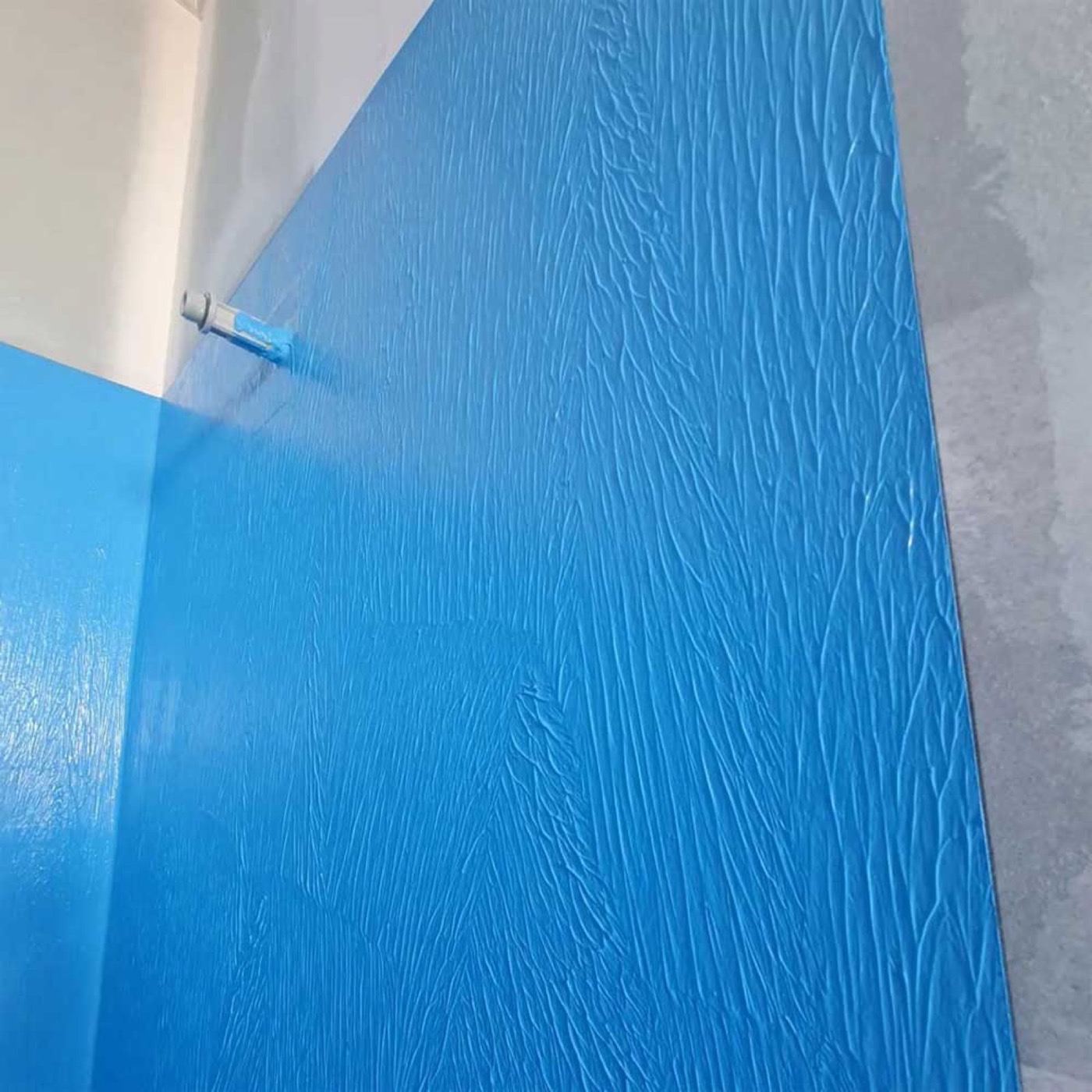
Why planter boxes leak
Planter boxes are constantly wet, full of soil and roots, and usually built on slabs over living areas or carparks. Leaks come from membranes that are not root resistant, poor detailing at the top edge and outlets, blocked drainage cells or outlets, and plants or landscaping work that damages the membrane. In NSW, planter box waterproofing falls under AS 4654.2, the Australian Standard for external above-ground waterproofing membranes.
Signs of a waterproofing failure
- Water stains, drips or pooling in the carpark or basement.
- White efflorescence or calcium build-up on walls and soffits.
- Rust stains on concrete, a sign water is reaching the reinforcement.
- Damp, mould or musty smells in storage areas and rooms below planters.
- Plants struggling where water is not draining away.
How basements are repaired
Where the outside of a basement wall can be reached, waterproofing on the positive (wet) side is usually best. Where it cannot, remedial options from inside include crack injection, negative side waterproofing systems and drained cavity systems that collect water and direct it to a sump. The right approach depends on how much water there is, whether it is under pressure, and how the space is used, and is best confirmed with an investigation first.
How planter boxes are repaired
- Remove plants and soil, and strip the failed membrane.
- Repair any concrete damage to the planter or slab.
- Install a root-resistant membrane with correct upturns and terminations.
- Install protection board, drainage cells, geotextile and working outlets.
- Flood test before backfilling and replanting.
Who pays in a strata building?
Basement walls, carpark slabs and most planter boxes are usually common property, so repairs are typically the owners corporation's responsibility. Check the strata plan and by-laws with your strata manager.
Stop the leak at the source
See our waterproofing service, or tell us where the water appears and when, and we will help narrow down the source.