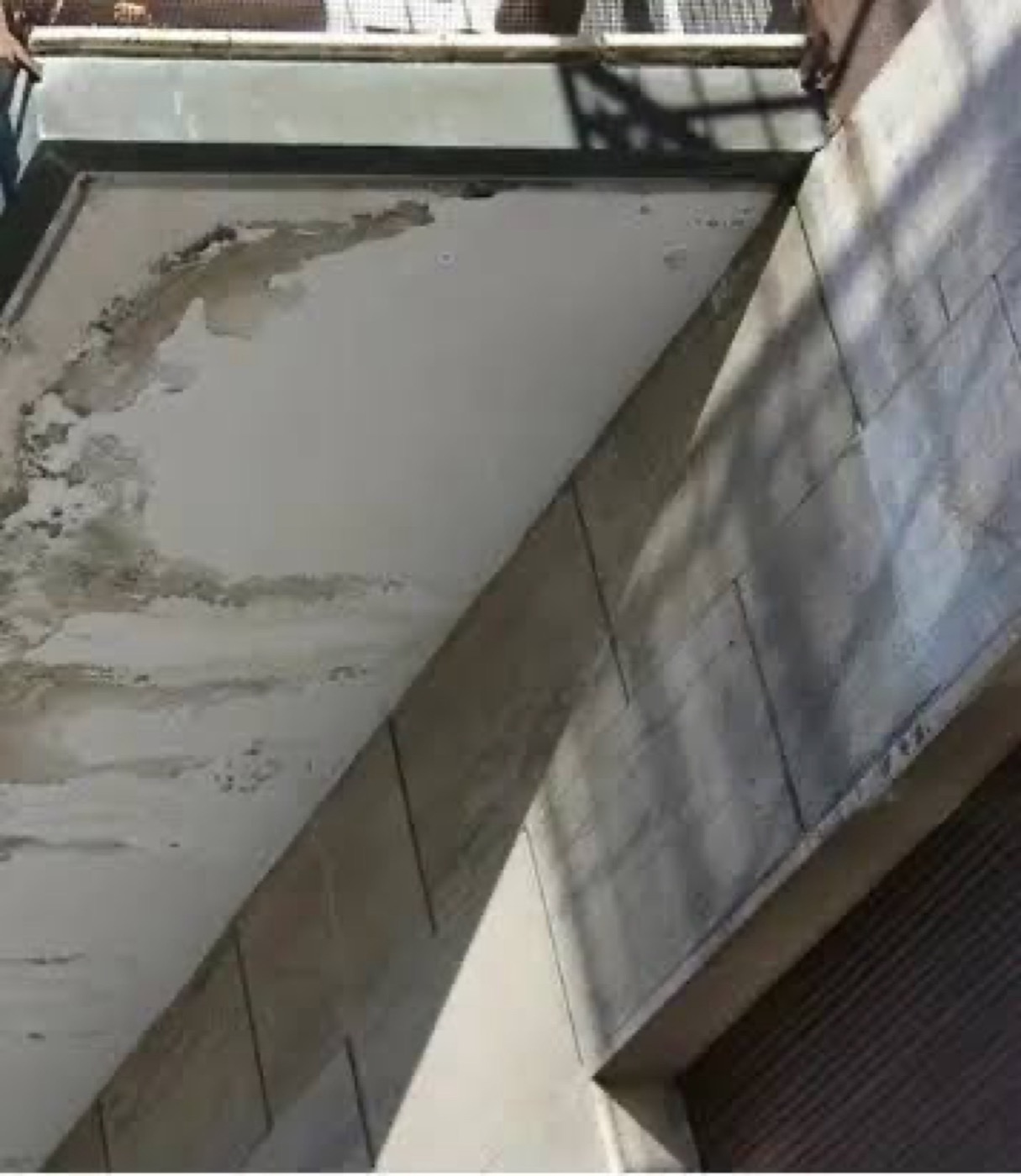
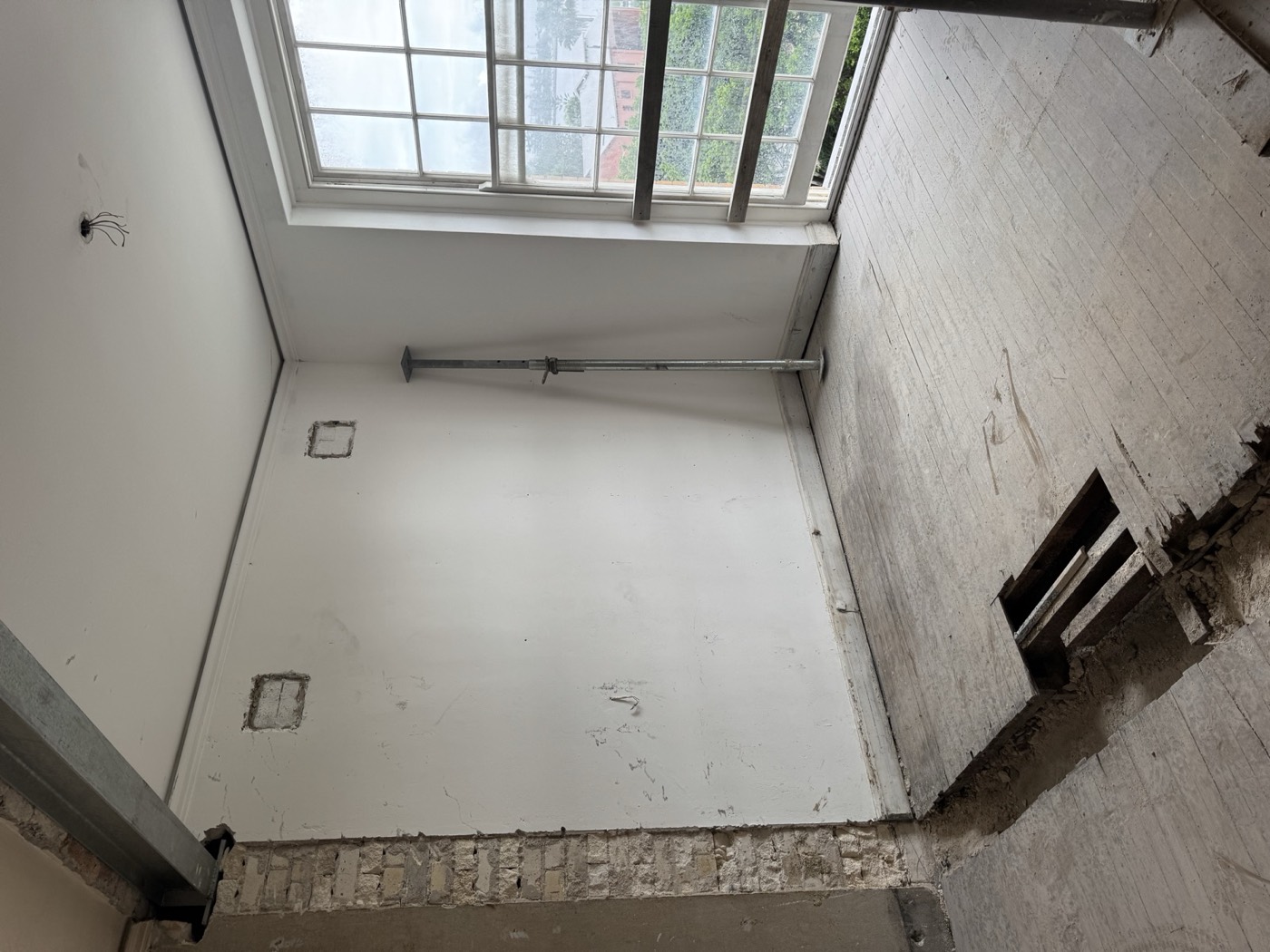
Many Sydney buildings constructed or renovated before about 1990 may contain asbestos, and it was not fully banned in Australia until the end of 2003. Remedial work often means cutting, drilling or removing old materials, so asbestos must be considered before work starts. Asbestos is usually low risk when left undisturbed and in good condition. The danger comes when fibres are released.
Where it may be found
| Homes | Strata and commercial |
|---|---|
| Eaves and soffits | Balcony soffits and spandrel panels |
| Fibro walls and bathroom linings | Service risers and ducts |
| Vinyl floor tiles and backing | Fire doors and pipe lagging |
| Fences, roofing and gutters | Car park ceilings and plant rooms |
| Waterproofing and adhesive products | Mastics, sealants and old membranes |
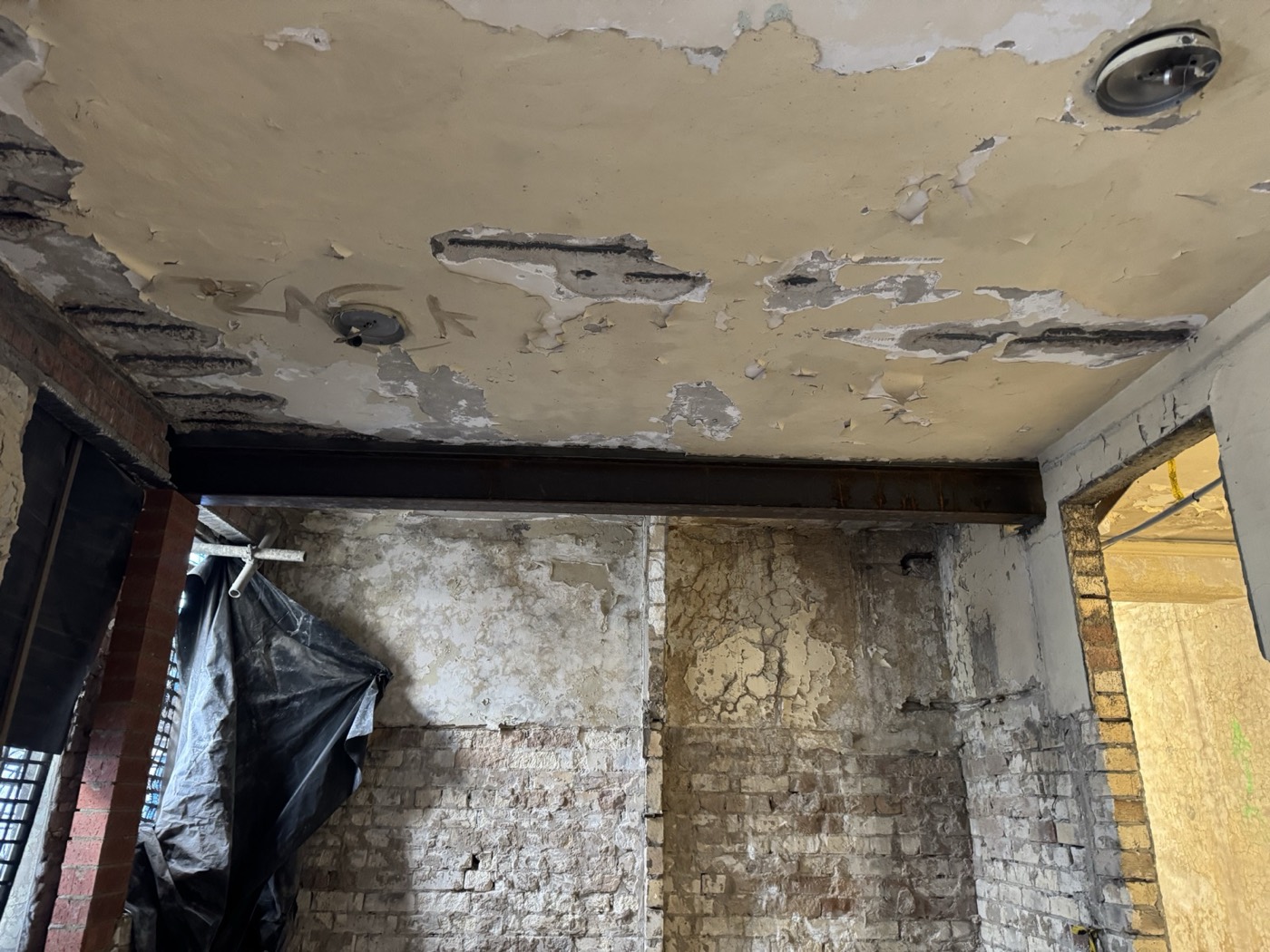
What the rules generally require
- Workplaces: many commercial buildings and common areas need an asbestos register and management plan. Strata schemes should ask for advice on how this applies to them.
- Before demolition or refurbishment: materials likely to be disturbed should be identified, and suitable surveys carried out.
- Removal: friable asbestos requires a Class A licence. Non-friable asbestos over 10 square metres requires a Class A or Class B licence. Smaller amounts must still be handled safely.
- Disposal: asbestos waste must go to a licensed facility.
See SafeWork NSW for current requirements, and asbestos before demolition.
How it affects a project
- Before quoting: we ask about registers and reports. Testing may be needed.
- Scope: removal may need to go in the plan as a separate trade.
- Program: notification periods, removal and clearance all take time.
- Residents: occupants and neighbours should be told what is happening.
- Clearance: air monitoring or clearance certificates may be needed for certain work.
If you find something suspicious
- Stop work, and do not cut, drill, sand or break it.
- Keep people away if it has been damaged.
- Have a sample tested by an accredited laboratory, with proper precautions.
- Use a licensed removalist if it needs to go.
Don't forget lead
Old paint can contain lead. It needs similar care during strip-outs and facade repairs. See removing paint from brick.
How dealing with it helps
Getting it right protects residents and workers, prevents costly stop-work situations and keeps the project on program. It also gives future buyers clear records about the building's condition.
Planning safe remedial works
We plan for asbestos early and coordinate with licensed removalists and hygienists where needed. METCON is a licensed builder (384697C) and DBP registered (BUP4254812) for Class 2 work. Call 0415 840 500 or book a free inspection.
Frequently asked questions
Can a builder remove asbestos?
Only with the right licence for the type and quantity. Friable asbestos requires a Class A licence, and larger non-friable amounts require a Class A or B licence.
How do I know if something has asbestos in it?
You usually cannot tell by looking. A sample tested by an accredited laboratory, or a licensed assessor, can confirm it.
Does asbestos have to be removed before remedial work?
Only if the work will disturb it or it is unsafe. Otherwise it may be managed in place. Your assessor can advise.