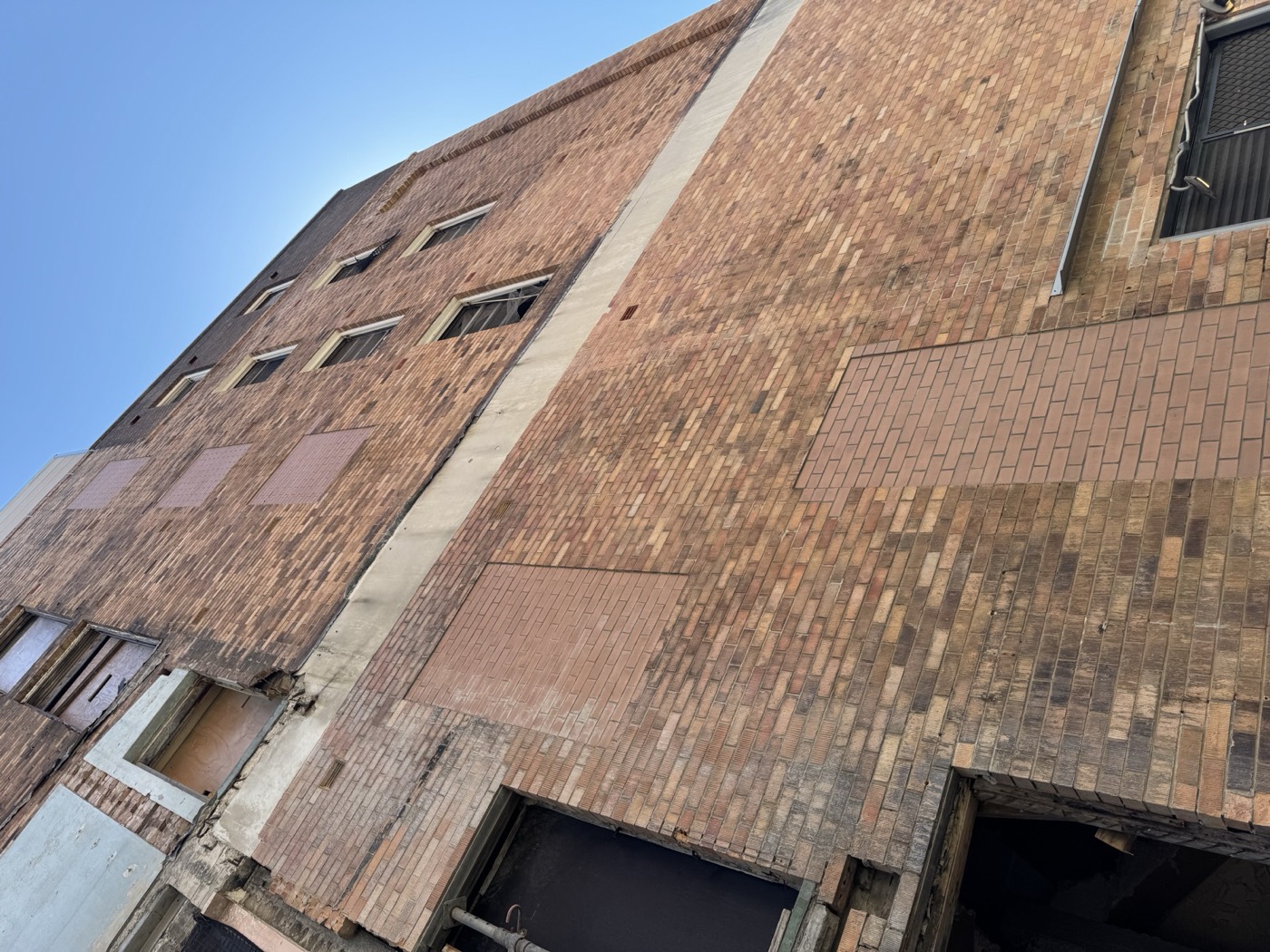
Almost every house has cracks. Most are harmless. Some are an early warning of a structural problem that gets more expensive every month it is ignored. The trick is knowing which is which.
What crack width tells you
Australian Standard AS 2870 classifies wall damage by crack width. As a rough guide for masonry walls:
- Hairline, under about 0.1mm: negligible, usually cosmetic.
- Up to about 1mm: very slight, typically fixed during normal decoration.
- Up to about 5mm: slight, noticeable and worth monitoring and investigating.
- 5mm to 15mm: moderate, likely to need repair and an engineer's assessment.
- 15mm to 25mm and beyond: severe, needs prompt structural investigation.
Width is only part of the picture. The pattern and whether the crack is growing matter just as much.
Crack patterns that are a warning sign
- Diagonal cracks from the corners of doors and windows.
- Stepped cracks following mortar joints in brickwork.
- Cracks wider at one end than the other, suggesting rotation or settlement.
- Cracks that reopen after being patched.
- Doors and windows sticking, floors sloping or gaps opening between walls and ceilings.
What causes cracking in Sydney homes?
- Reactive clay soils that swell when wet and shrink when dry, common across much of Sydney.
- Leaking pipes and poor drainage softening the ground under footings.
- Tree roots drawing moisture from under the house.
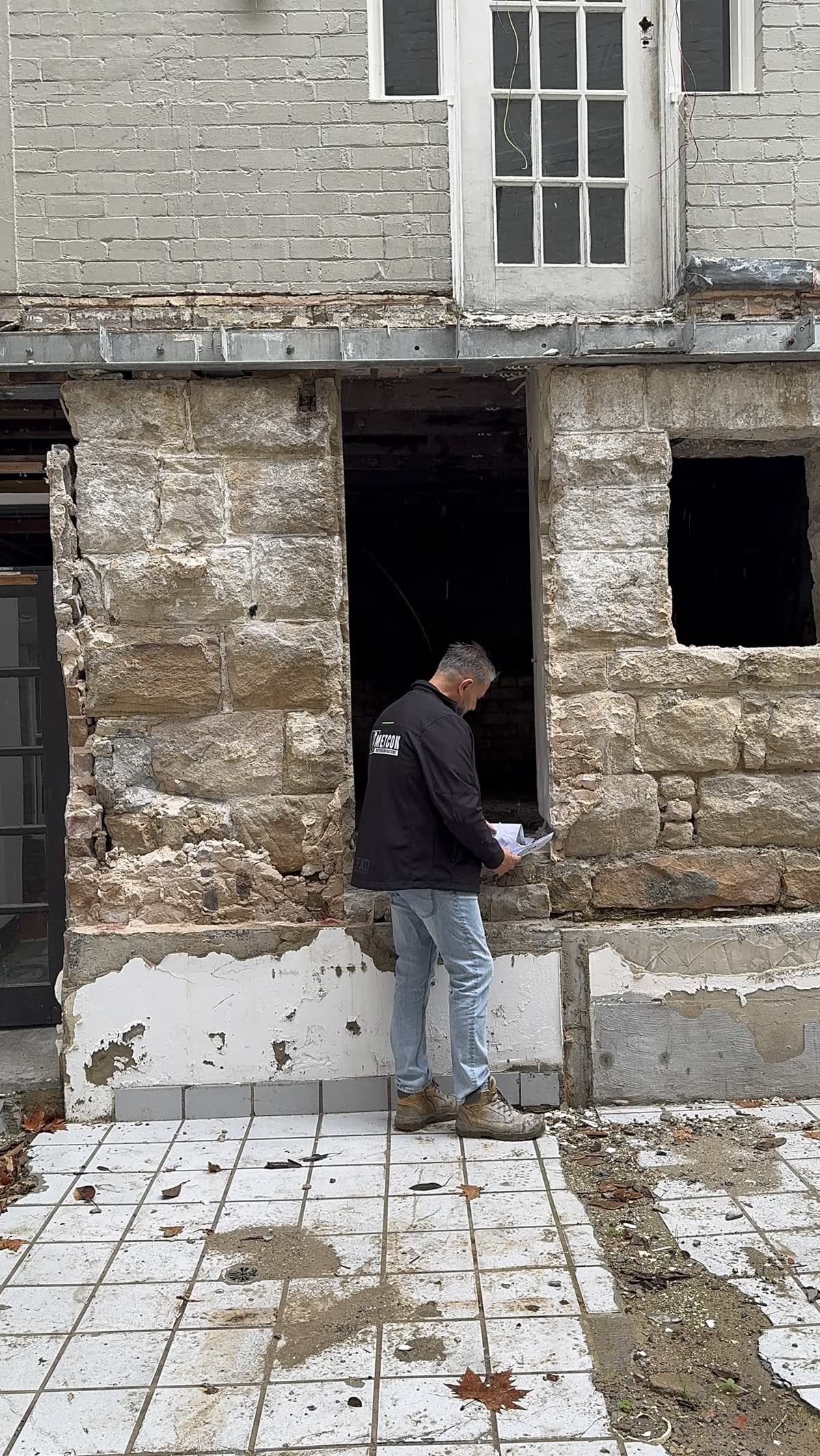
- Shallow or deteriorated footings on older homes, including sandstone footings.
- Rusting steel lintels over windows, which crack the brickwork above.
- Nearby excavation or alterations that changed the loads on the structure.
When to get an engineer
Get a structural engineer involved if cracks are wider than a few millimetres, are growing, have a diagonal or stepped pattern, or come with sticking doors and sloping floors. An engineer can tell you whether the movement is active, what is causing it, and what repair is needed.
How structural cracking is repaired
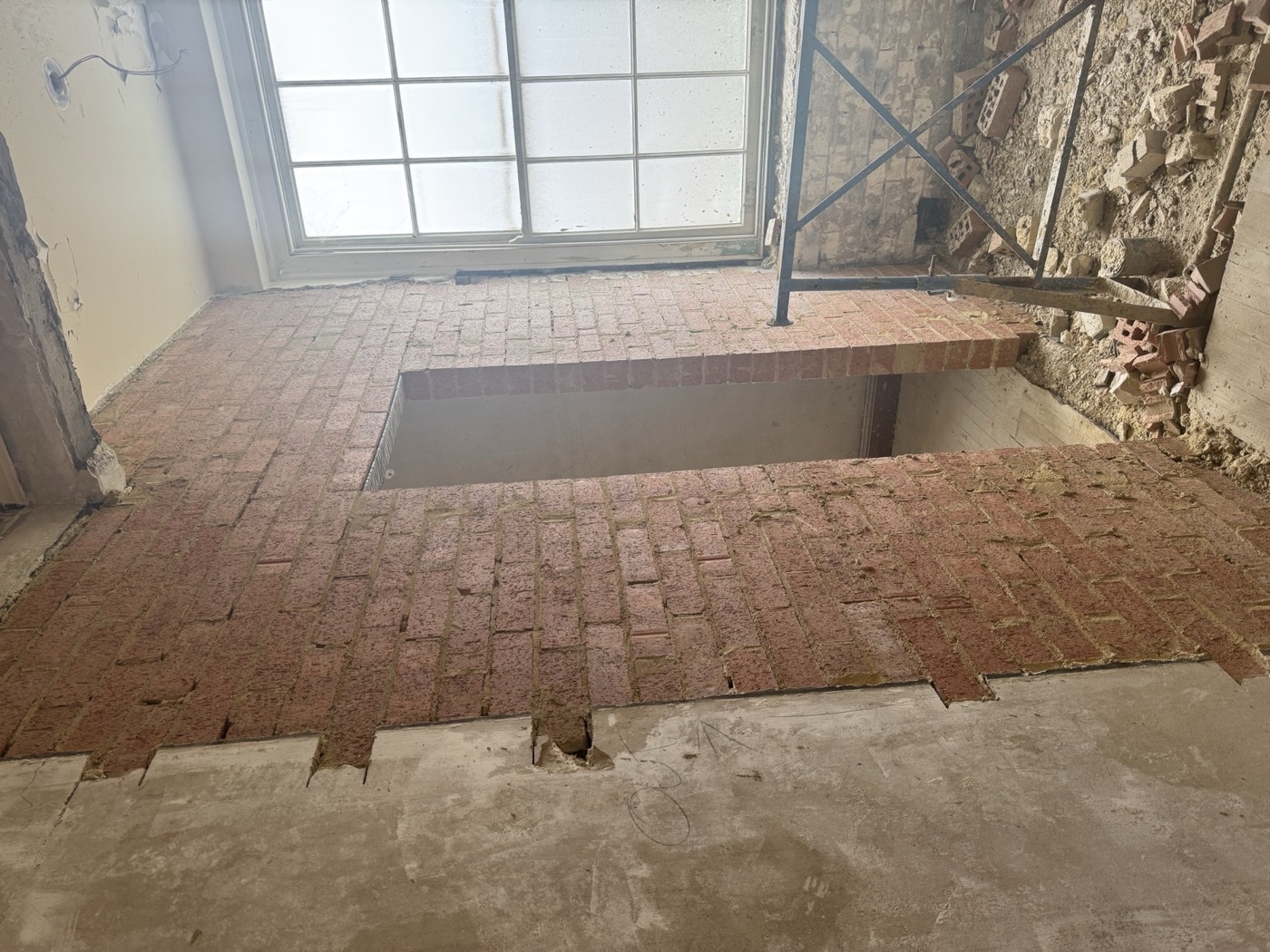
The repair depends on the cause. Fixing drainage and leaking services is often the first step. Cracks may be stitched with helical bars and repointed, rusted lintels replaced, and walls rebuilt where needed. Where footings have failed or the ground cannot support the building, underpinning transfers the load to stronger ground. Patching a crack without fixing the cause almost always means it comes back.
Do not just patch it
See our structural remediation service or underpinning. Send us photos of the cracks, with something for scale, and we will give you an initial view.