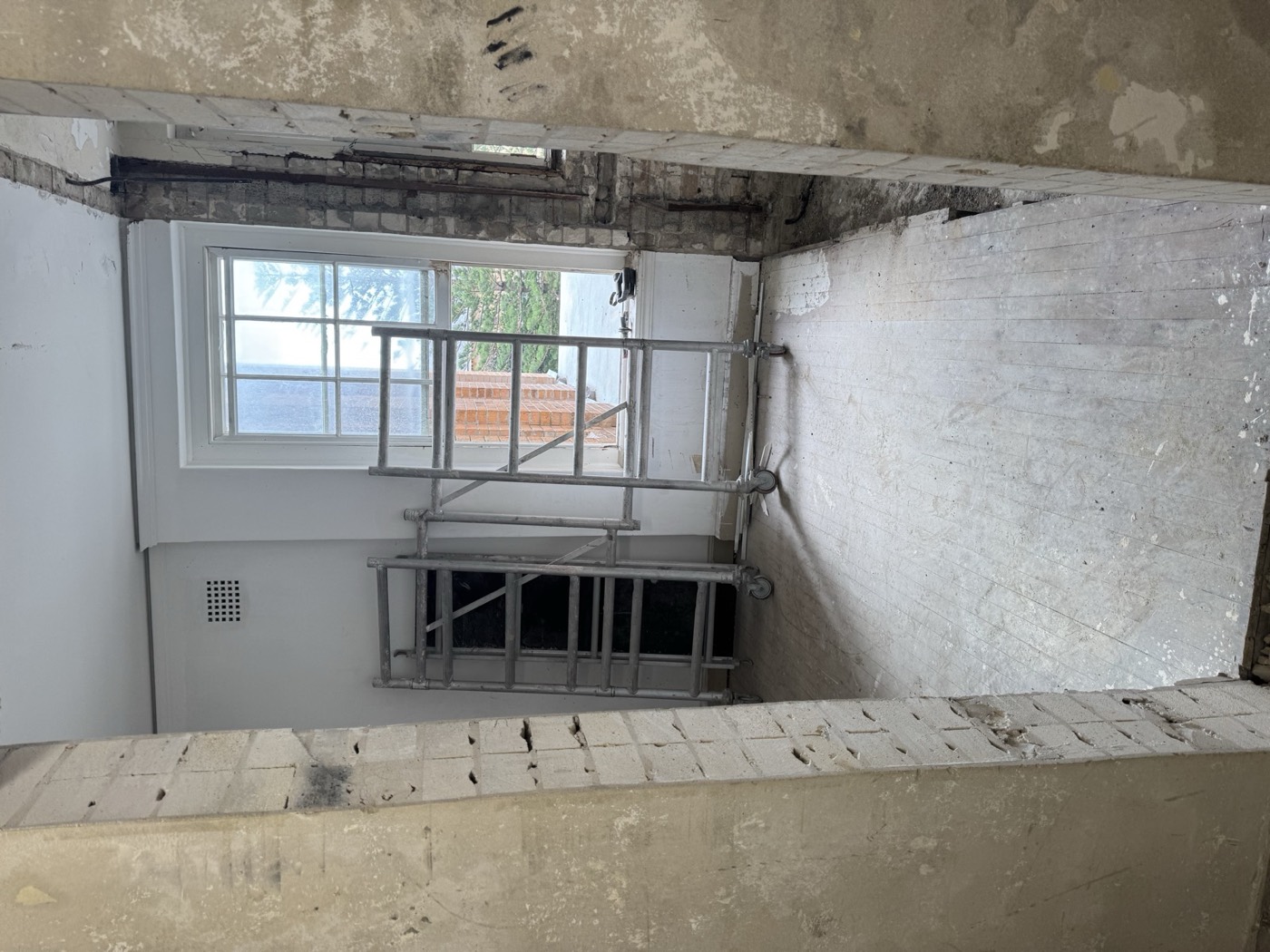
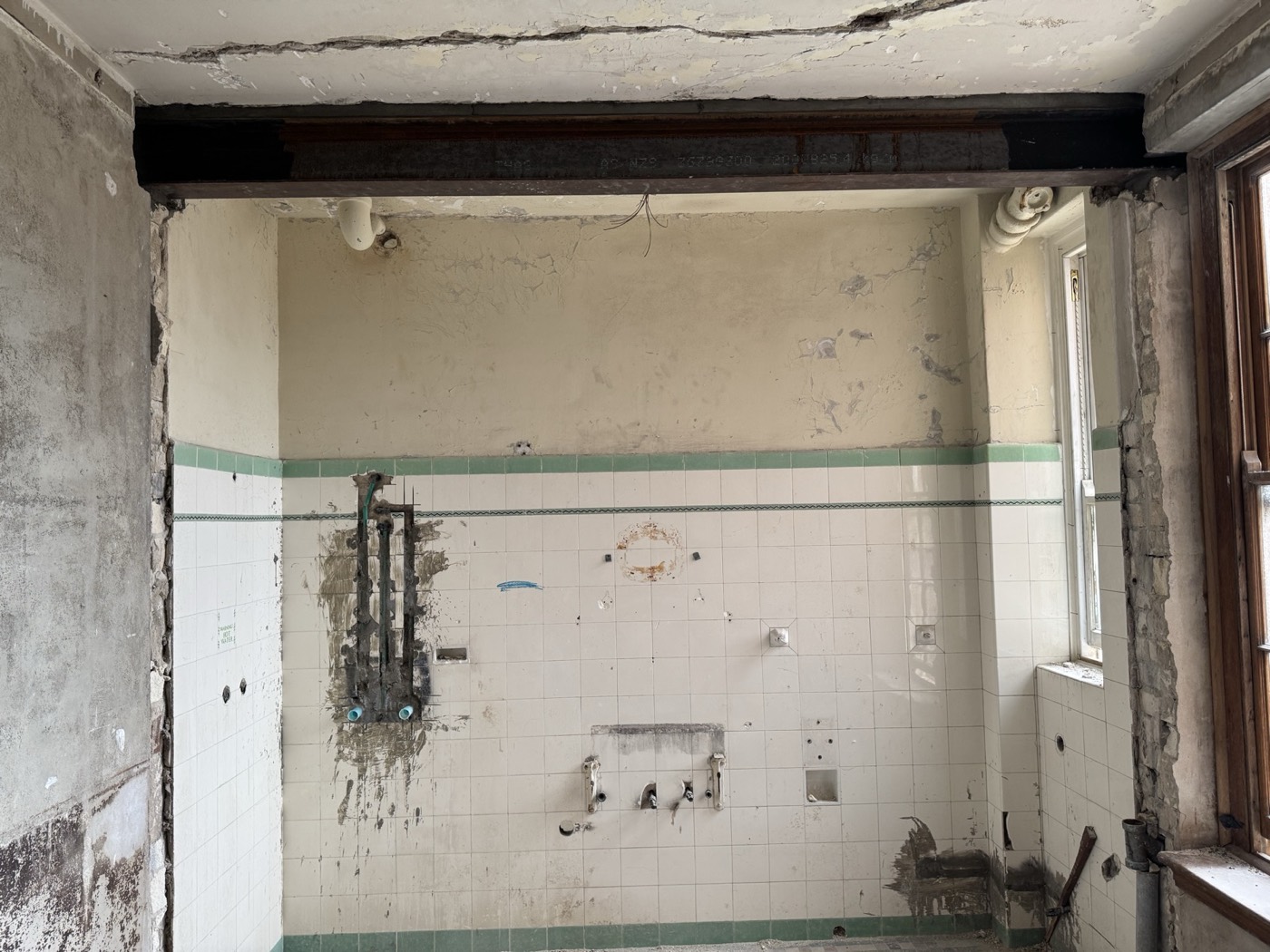
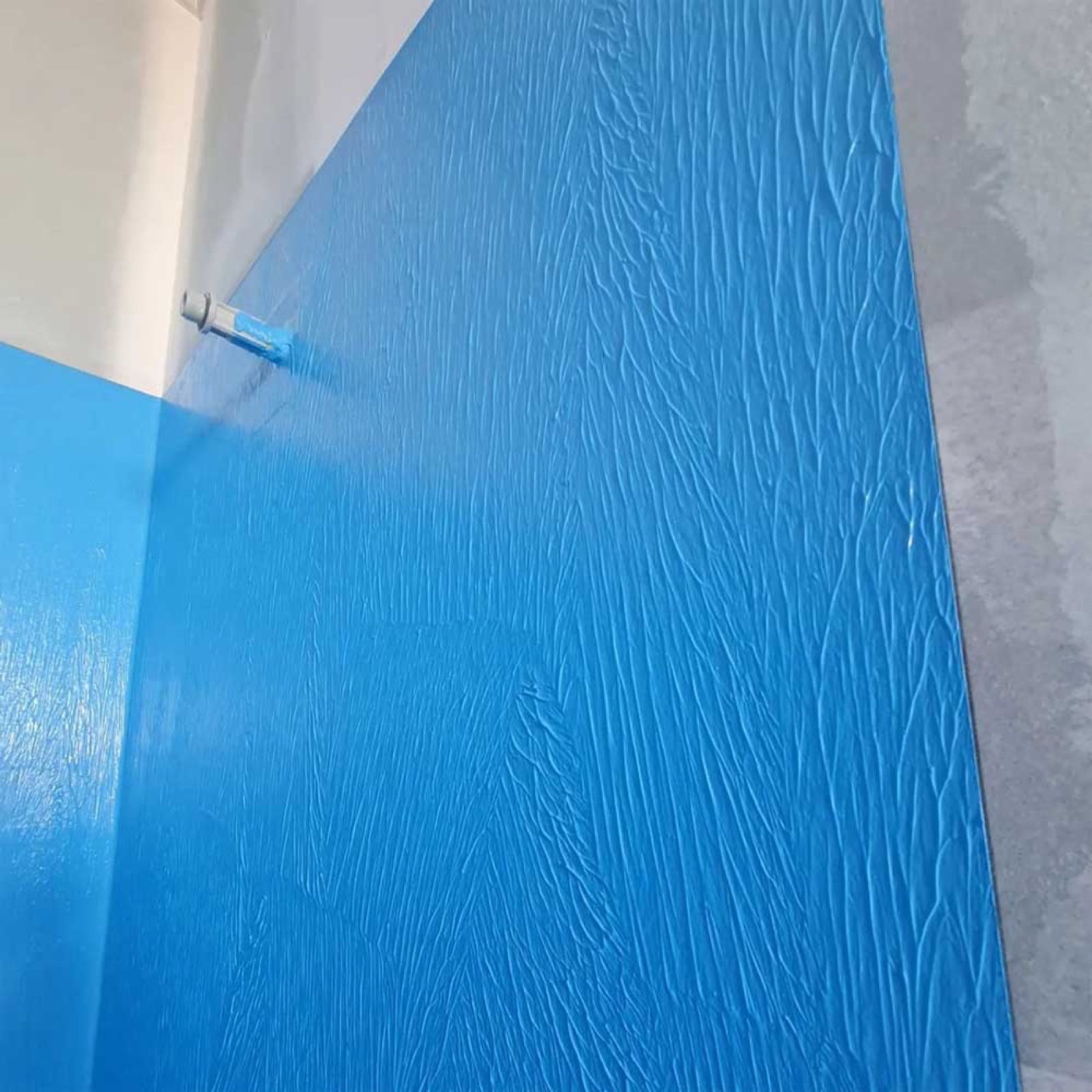
Offices, hotels, retail centres and mixed-use buildings rely on large areas of waterproofing: roofs, plant decks, podiums, car park decks and commercial kitchens. Failures affect tenants and trade, so repairs need planning.
Common commercial waterproofing problems
- Roof and plant deck membranes failing at penetrations. See flat roofs.
- Box gutters overflowing. See box gutters.
- Podium leaks into shops and car parks. See mixed-use leaks.
- Car park deck coatings worn through. See car park coatings.
- Commercial kitchen floor leaks. See kitchen floors.
- Basement and lift pit water. See basement systems.
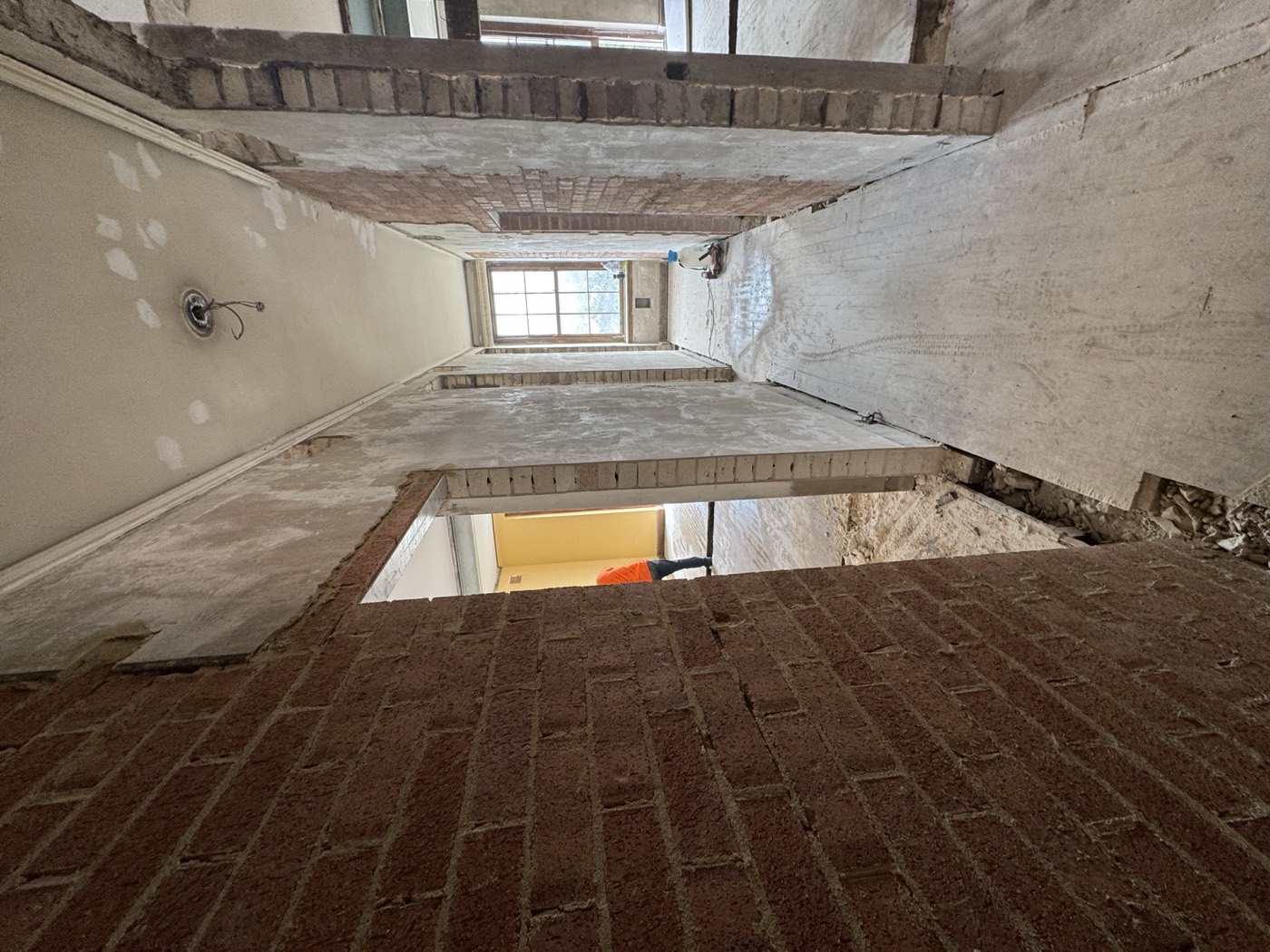
Repair approach
- Investigate and test to find the source.
- Choose a system suited to traffic, exposure and movement.
- Stage works to keep the building operating.
- Test and document before finishes.
- Set up a maintenance plan.
Working around tenants
- Out-of-hours work for noisy or odorous tasks.
- Temporary protection and leak management.
- Clear communication with building management.
Compliance
Mixed-use buildings with apartments may be partly Class 2, so DBP Act requirements can apply. See our Class 2 builder page.
How proper waterproofing helps
Reliable waterproofing protects rent, reduces call-outs and protects the asset.
Commercial waterproofing
We waterproof and repair commercial buildings around tenants. See our commercial remedial service. Call 0415 840 500 or book a free inspection.
Frequently asked questions
What waterproofing do commercial buildings need?
Typically roofs, plant decks, podiums, car park decks, basements and wet areas such as kitchens and bathrooms.
Can commercial waterproofing be done while tenants stay?
Usually, with staging, out-of-hours work and temporary protection.
How often should commercial roofs be inspected?
At least yearly, and after major storms, with gutters and outlets cleaned more often.