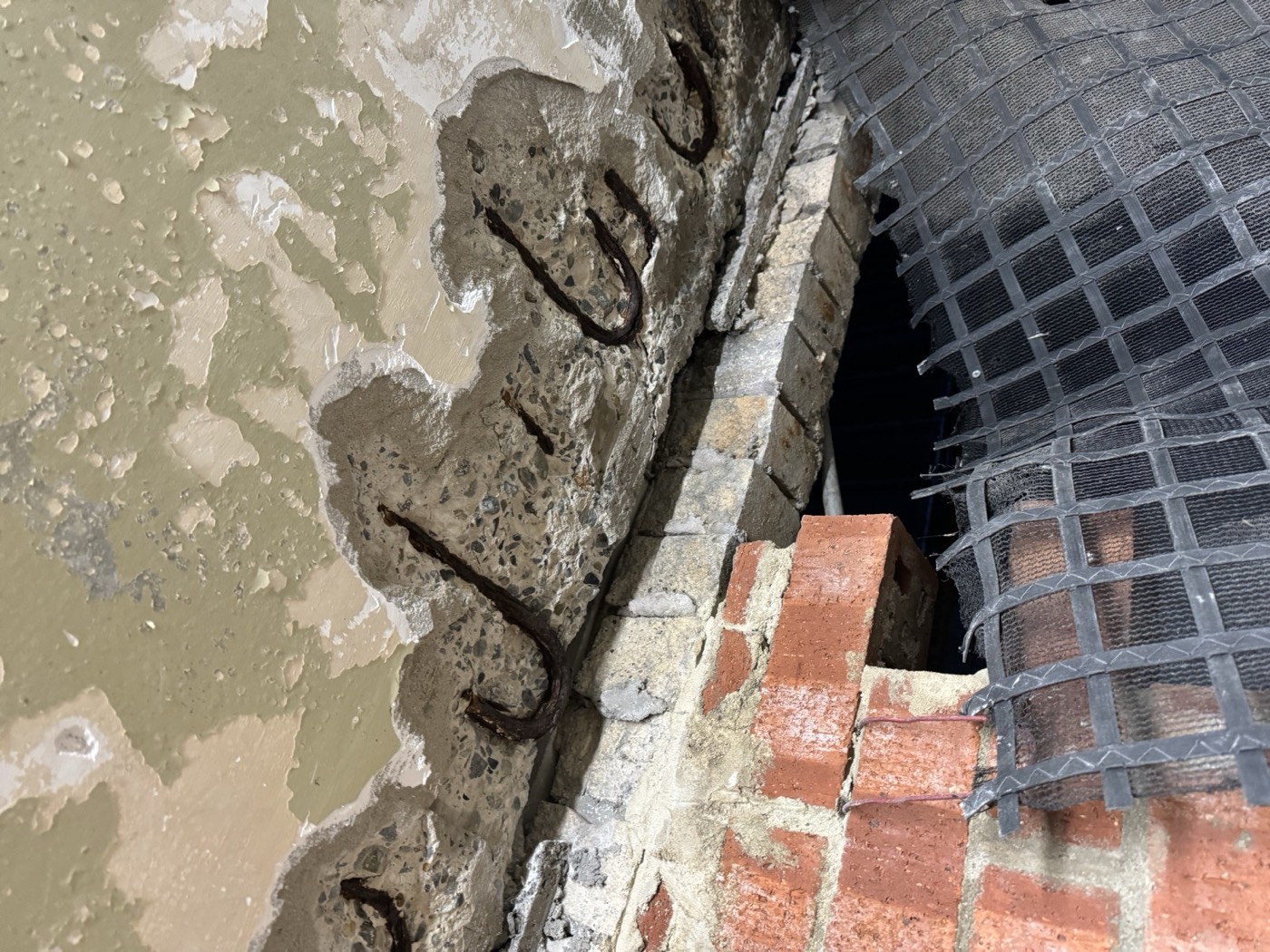
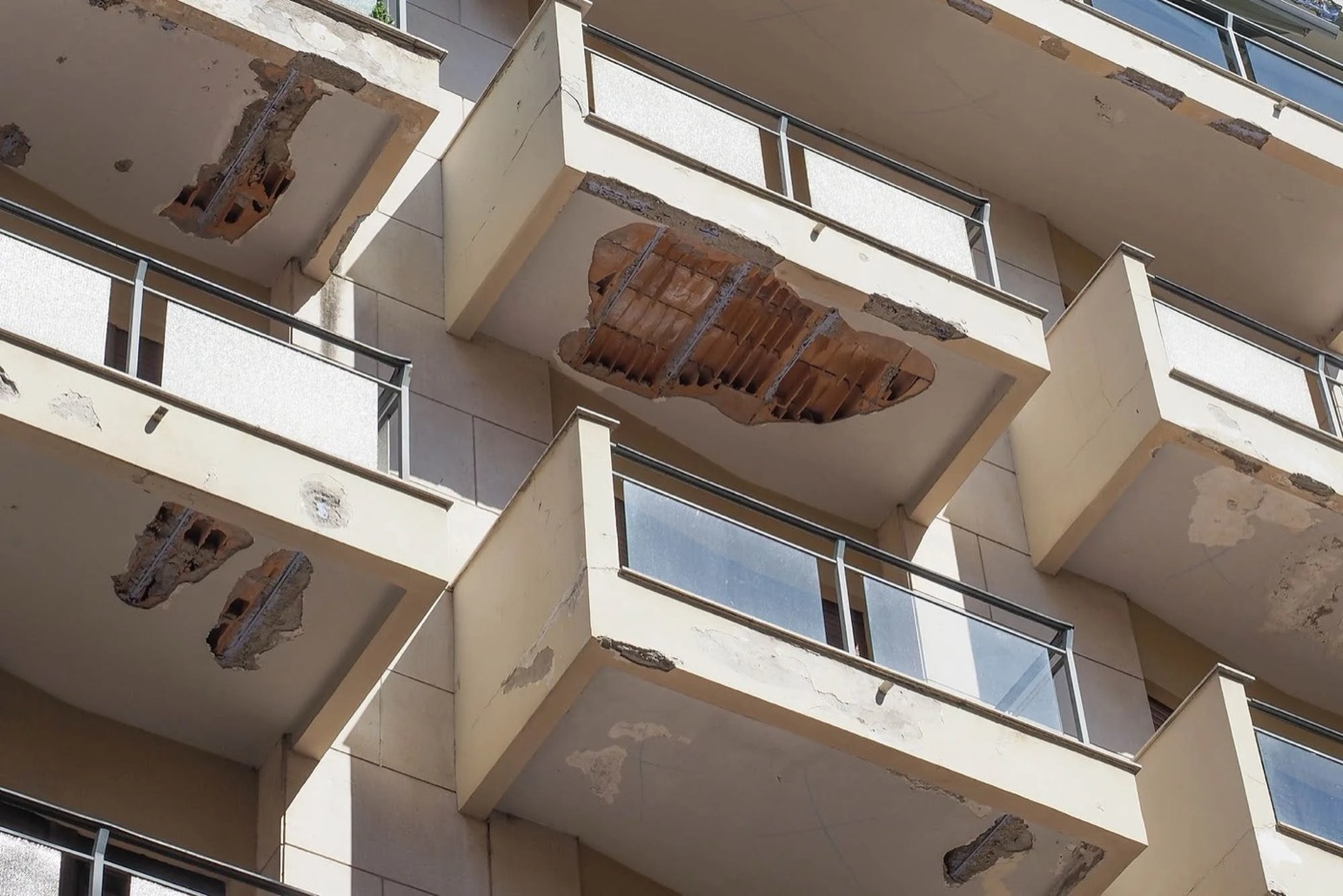
Flat roofs, concrete roof slabs and rooftop terraces work hard. They face full sun, heavy rain and ponding water, and a small failure lets water straight into the building below.
Why flat roofs leak
- Ponding: water sitting in low spots because of poor falls.
- UV breakdown of exposed membranes and coatings.
- Movement cracks in concrete slabs.
- Failed details at upturns, parapets, penetrations and outlets.
- Blocked outlets and box gutters. See box gutter leaks.
- Foot traffic and equipment damaging exposed membranes.
Waterproofing options
Torch-on membranes
Bitumen sheets heat-welded in layers. Durable and common on concrete roofs, with a mineral or reflective top layer for UV.
Liquid roof membranes and coatings
UV-stable polyurethane, acrylic or hybrid coatings applied in multiple coats. Seamless and good for complex shapes and re-coating existing roofs.
Synthetic sheet membranes
PVC, TPO and EPDM sheets for large commercial roofs.
Trafficable systems
Rooftop terraces need membranes under tiles, pavers on pedestals, or trafficable coatings.
See waterproofing membrane types for more detail.
Get the drainage right
A membrane cannot fix poor falls on its own. Correcting falls with screeds, adding outlets and overflows, and keeping drains clear are part of a lasting roof repair.
What drives the cost
- Roof area and access, including cranes or hoists.
- Removing old membranes and repairing the slab.
- Falls correction, outlets and overflows.
- Membrane system and warranty.
- Plant and equipment to be lifted or worked around.
Roof waterproofing in Sydney
See our waterproofing service or call 0415 840 500.
Frequently asked questions
What is the best waterproofing for a flat concrete roof?
Torch-on membranes and UV-stable liquid membranes are the most common, chosen to suit exposure, traffic and the existing roof.
Why does my flat roof leak after heavy rain?
Usually ponding from poor falls, blocked outlets or box gutters, or failed details at upturns and penetrations.
Can a new coating go over an old roof membrane?
Sometimes, if the old membrane is sound and compatible. Failed or blistered membranes usually need removing first.