A leak in an office building can damage equipment, ruin ceilings and carpets, and quickly strain tenant relationships. For building managers, a fast response and a permanent fix are both important, particularly in older towers in the CBD and North Sydney.
Respond on the day
- Protect people, equipment and electrics.
- Put out catch trays and remove wet ceiling tiles or carpet where needed.
- Record date, time, weather, location and photos.
- Tell the tenant what is happening and when they will hear next.
- Notify the owner and, where relevant, the insurer.
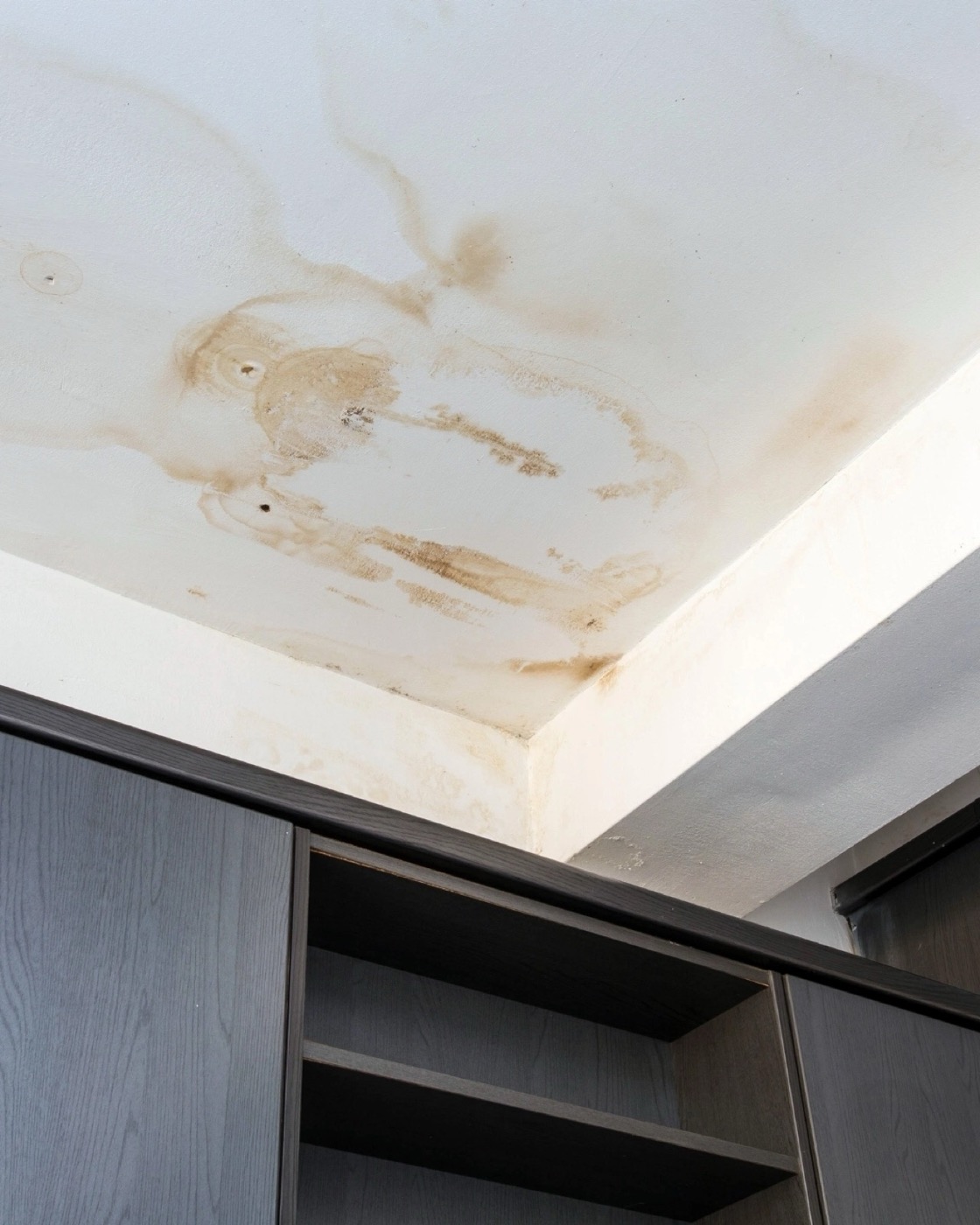
Where the water usually comes from
- Roofs and plant decks: membranes, penetrations and pipe supports. See flat roof waterproofing.
- Box gutters: overflowing in heavy rain. See box gutters.
- Air conditioning: blocked condensate drains and leaking units.
- Facades and windows: sealants, flashings and spandrel panels. See window wall leaks.
- Risers and pipes: hydraulic leaks that track along floors.
- Wet areas and kitchenettes: added by tenants, often over slabs that were not waterproofed.
Keep a leak register
Log every leak by floor, date, weather and repair. A pattern, like leaks only in southerly storms or only on Mondays when the plant restarts, can be the key to solving it. It is also useful for insurers and when planning maintenance budgets. See building manager checklist.
Permanent repairs in an occupied building
- Noisy work scheduled out of hours or on weekends.
- Dust and odour control, particularly with coatings and membranes.
- Protection for lifts, lobbies and shared areas.
- Access and security plans agreed with tenants.
- Staging by floor or area.
Check the lease
Commercial leases set out who pays for what, and a tenant's fitout may also have caused the leak. If the tenancy cannot be used, there may be a dispute about rent, so get advice early.
Don't forget mould
Wet ceiling tiles and carpets left in place can grow mould quickly. Replace them and check behind them. See mould after a leak.
How the right repair helps
A proper repair protects rental income, reduces emergency call-outs and helps with tenant retention. Over time it also protects the asset and supports a planned maintenance budget instead of reactive repairs.
Commercial leak repairs
We work with building managers on occupied commercial buildings, including out-of-hours works. See our commercial remedial service. Call 0415 840 500 or book a free inspection.
Frequently asked questions
How do you find a leak in an office building?
Start with a log of when and where it occurs, then inspect the roof, gutters, plant, pipes and facades above, and water test where needed to isolate the source.
Can repairs happen while tenants stay in the building?
Yes. Most works can be staged around tenants, with noisy tasks done after hours.
Who pays for leak damage in a leased office?
It depends on the lease and the cause. Building fabric is often the owner's responsibility, while tenant fitout items may be the tenant's. Check the lease and get advice.