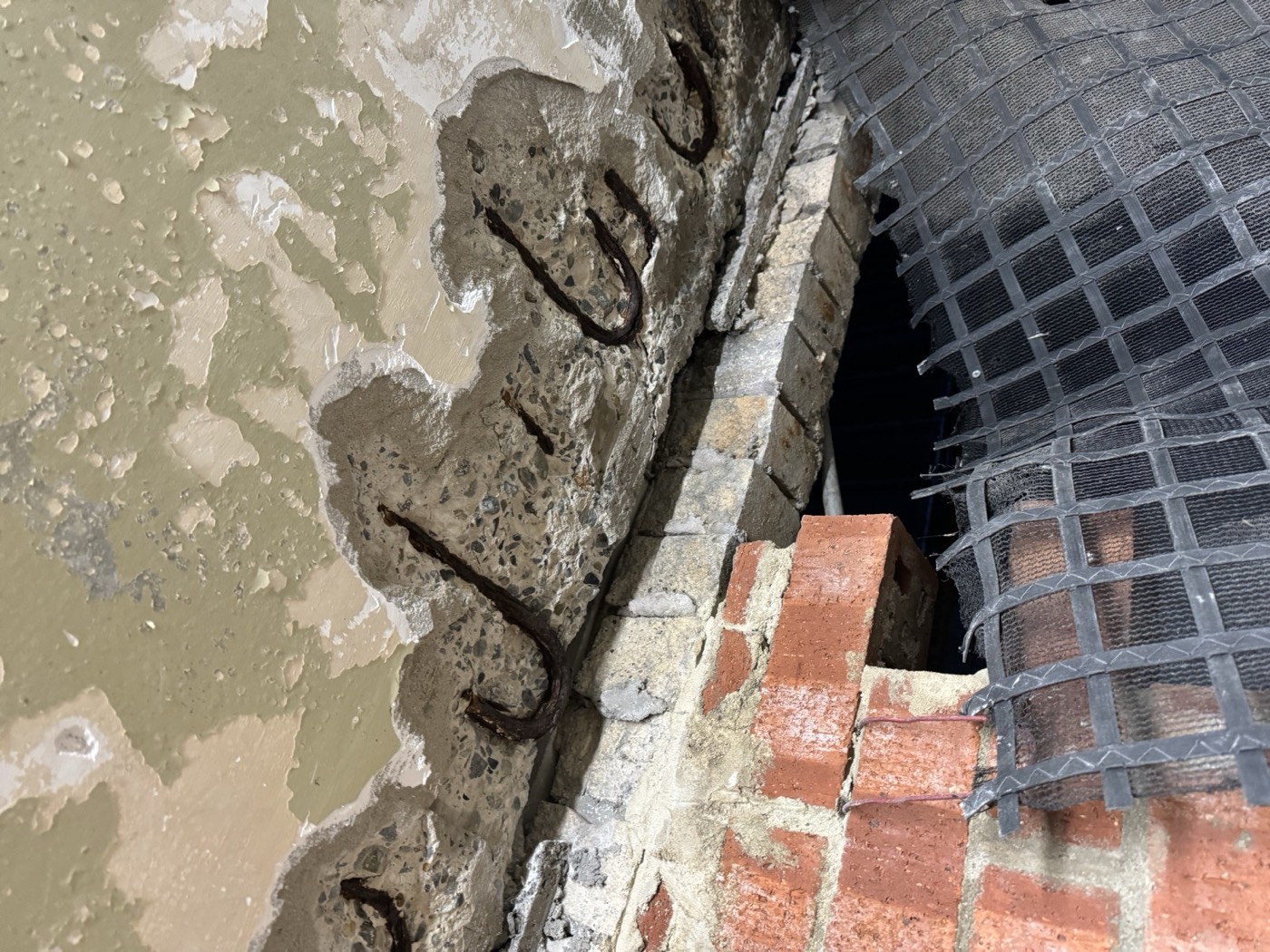
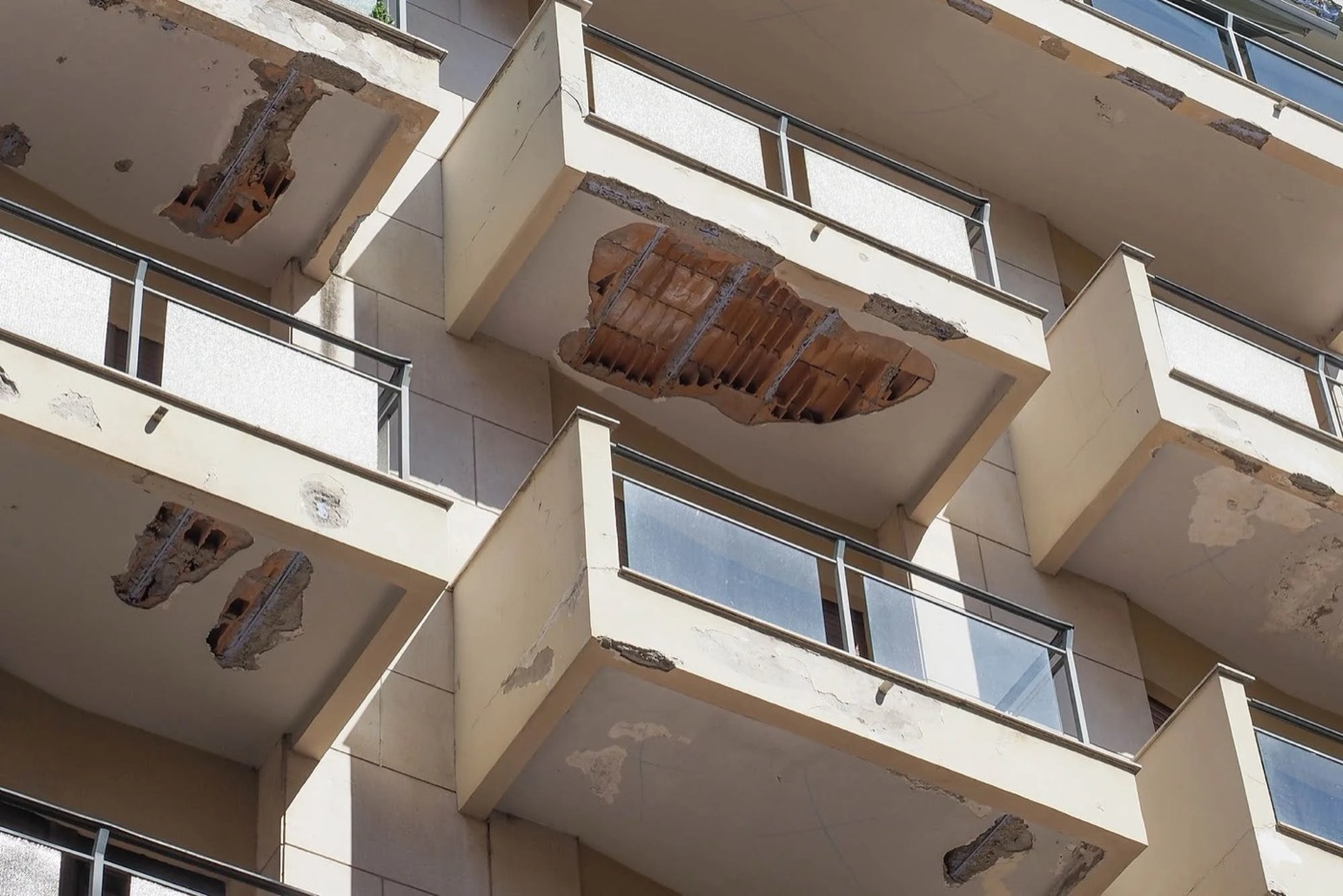
Whether it was a burst pipe, a leaking balcony or a storm, what you do in the first few days after water gets in makes a big difference. Mould can begin to grow on damp materials within a day or two, and it often grows where you can't see it.
First 24 hours
- Stop the water, if it is safe. Turn off the water or call a plumber or your building manager.
- Stay safe. Keep away from wet electrics, and have an electrician check anything doubtful.
- Take photos and notes. Show what happened and what has been damaged.
- Notify the right people: insurer, landlord, strata manager or building manager. See strata leak emergencies.
- Remove standing water with a wet vacuum, mop or towels.
- Move belongings out of the wet area and lift furniture off wet floors.
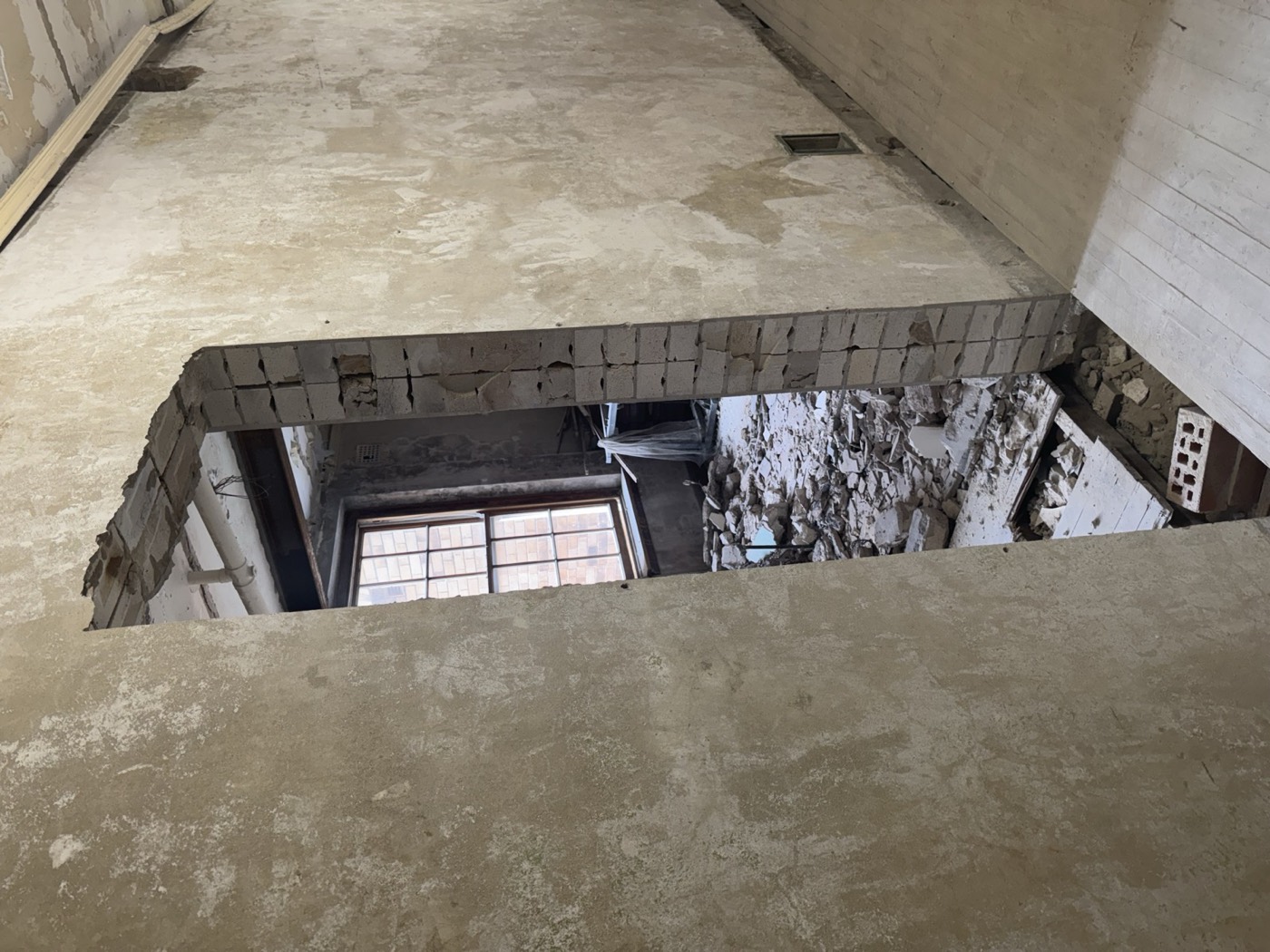
Days 2 to 3
- Dry it out. Open windows when it is dry, and use fans and a dehumidifier. For a big area, get professional drying equipment.
- Lift wet carpet and underlay. Underlay usually needs replacing. Ask your insurer before throwing anything out.
- Check behind things. Look behind wardrobes, skirting boards and bathroom vanities.
- Don't paint yet. Painting damp walls traps moisture and hides the problem.
Days 4 to 7
- Check moisture levels. A wall can feel dry on the surface and still be wet inside. A builder or restorer can test with a moisture meter.
- Remove wet plaster and insulation if it has not dried. Soaked plasterboard, ceiling linings and insulation often need to be cut out.
- Find and repair the cause. If you do not fix the source, the problem will come back.
What to throw away, and what to keep
| Usually replace | Usually keep if cleaned and dried |
|---|---|
| Carpet underlay and soaked insulation | Solid timber and metal furniture |
| Soaked plasterboard and ceiling linings | Tiles, glass and hard surfaces |
| Mattresses and soft furnishings with mould or dirty water | Washable clothing and fabrics |
Water from a sewer or flood may be contaminated, so it needs professional cleaning.
If mould has already started
Small patches on hard surfaces can usually be cleaned with a suitable cleaner, with gloves, mask and ventilation. Large areas, repeated growth or mould in ceilings or walls generally need more. See mould removal vs remediation. If you or your family are unwell, or someone is vulnerable, speak to your GP.
How building repairs help
Permanent repairs stop the water, replace what can't be saved and get the home properly dry, so you're not dealing with musty smells and repeat mould months later. See signs of hidden water damage.
Help after a leak
We find leaks, repair the building and remove damaged materials. See our mould remediation service. Call 0415 840 500 or book a free inspection.
Frequently asked questions
How fast does mould grow after a leak?
It can start within a day or two on damp materials, especially when it is warm and there is little airflow.
Should I throw out wet plasterboard?
If it is soaked, sagging or has been wet for days, it usually needs to be replaced. Lightly affected areas may dry, but check with a moisture meter.
Will insurance pay for mould after a leak?
It depends on your policy and the cause. Sudden events are more likely to be covered than gradual leaks. Report quickly and speak to your insurer.