Mould removal is one of the most searched home problems in Australia, and one of the most frustrating. You clean it, it looks fine for a few weeks, and then it is back. That is because cleaning removes the mould you can see. It does nothing about the moisture that is feeding it.
Mould removal: treating the surface
Mould removal usually means cleaning visible mould from walls, ceilings, grout and furniture. It has its place for light surface growth caused by a one-off event. But if the wall, ceiling or floor behind the mould is damp, the mould will return, and it may already be growing inside the wall.
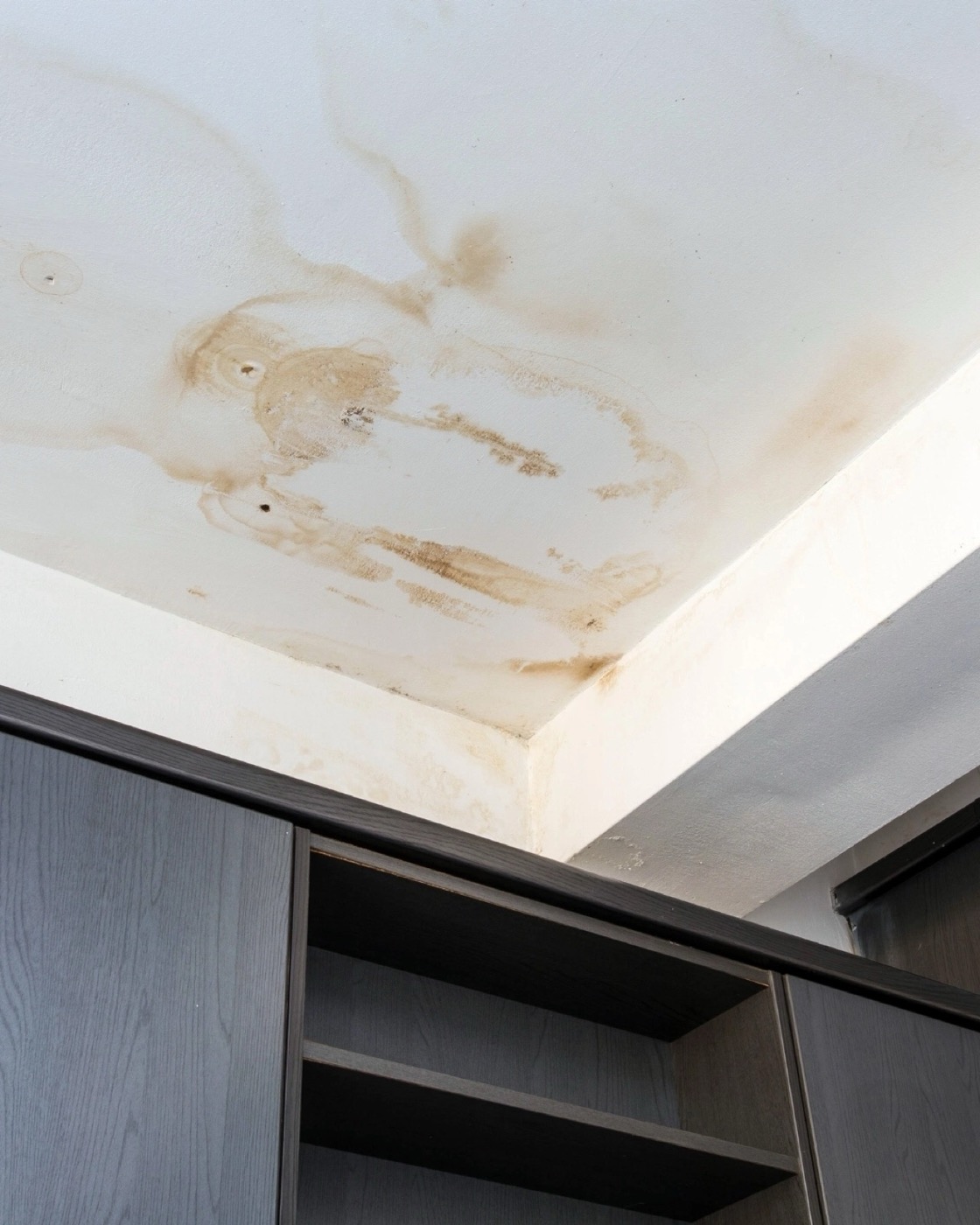
Mould remediation: fixing the cause
Mould remediation treats mould as a symptom of a building problem. It involves:
- Finding the moisture source with inspection, moisture readings and, where needed, opening up walls or ceilings.
- Removing mould-affected materials, such as saturated plasterboard, linings, carpet underlay and decayed timber, with containment so spores are not spread.
- Fixing the water problem: the leak, the failed waterproofing, the rising damp or the ventilation.
- Drying and rebuilding with suitable materials, then finishing.
Where the moisture usually comes from
- Leaks from roofs, balconies, showers, windows and plumbing.
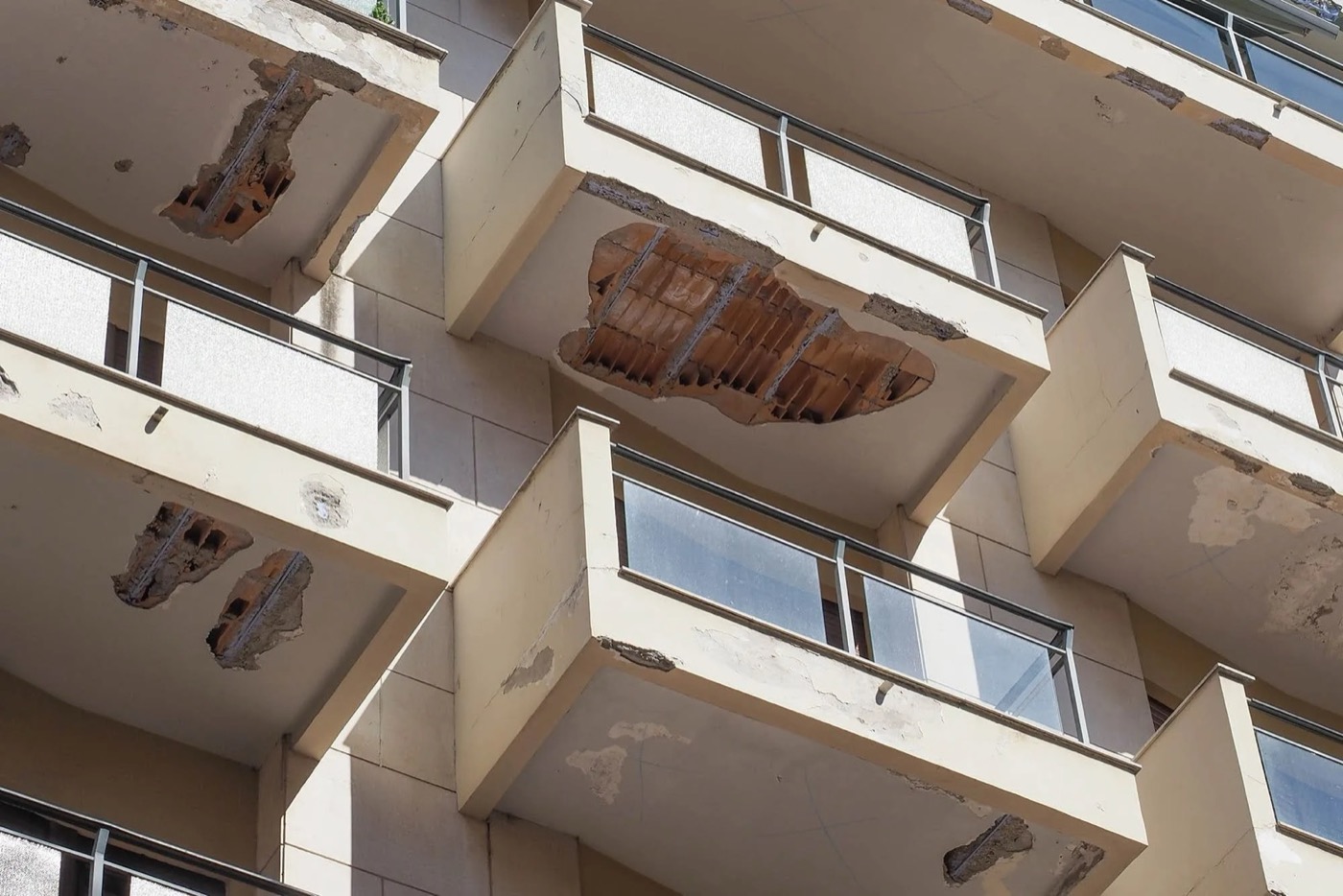
- Failed waterproofing on balconies, bathrooms and planter boxes above living areas.
- Rising damp and penetrating damp in masonry walls.
- Condensation from poor ventilation in bathrooms, laundries, wardrobes and bedrooms.
- Damp subfloors with poor drainage or blocked vents.
When to call a builder, not a cleaner
- Mould returns within weeks of cleaning.
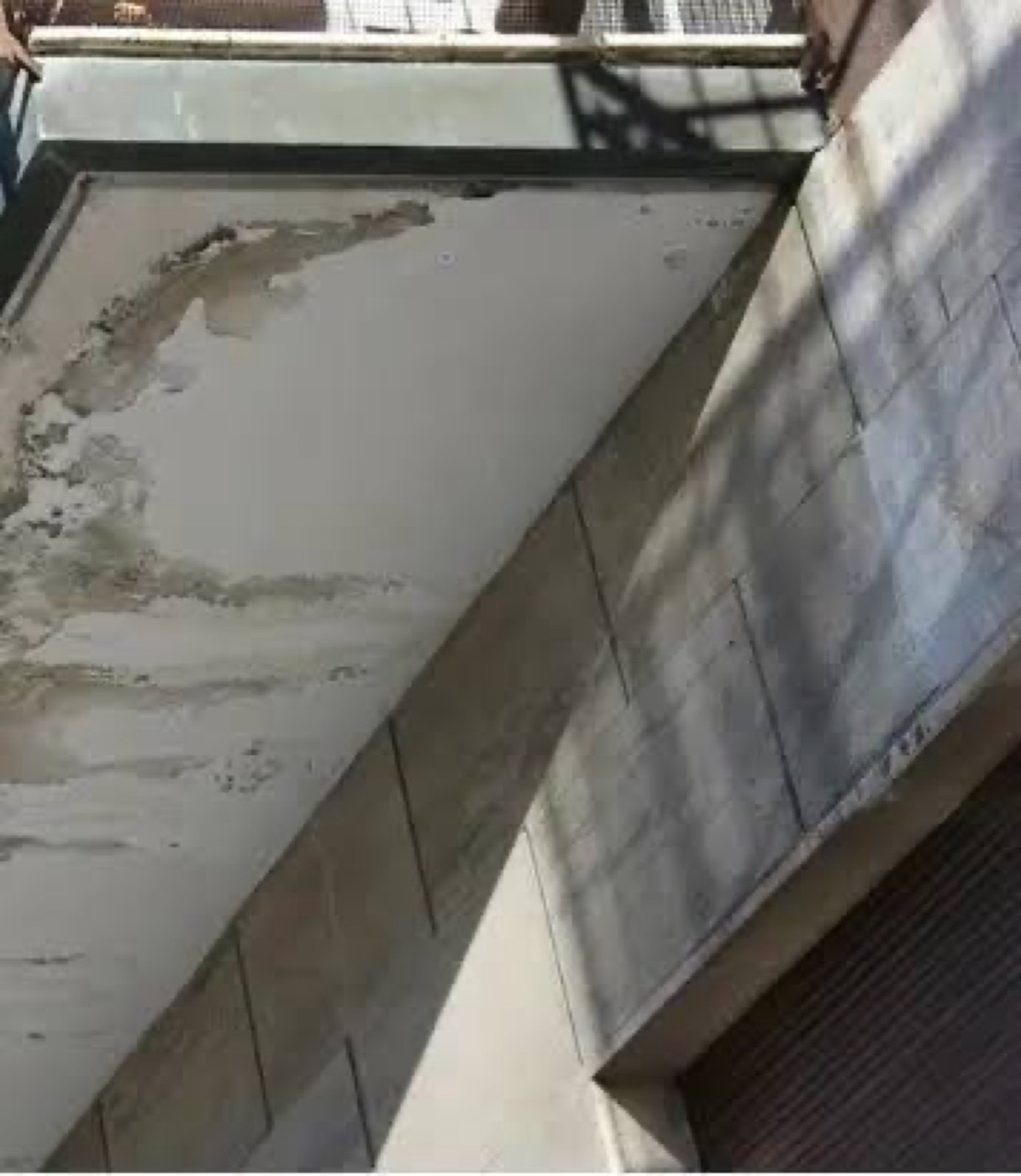
- There are water stains, bubbling paint or soft plasterboard.
- Mould appears in a unit below a balcony, roof or bathroom.
- There is a persistent musty smell with no visible mould.
- The area is large or spreading.
Health and testing
If you are worried about health effects, speak to your GP. Where air testing or clearance testing is needed, independent occupational hygienists provide it. Builders fix the building.
Mould remediation in Sydney
METCON is a licensed, DBP registered remedial builder. We find and fix the leaks, damp and defects behind mould in houses and strata buildings. See our mould remediation service.
Frequently asked questions
Why does mould keep coming back?
Because the moisture feeding it has not been fixed. Leaks, damp walls and condensation keep the area wet, so mould regrows after cleaning.
Can mould grow inside walls?
Yes. Where water gets into wall cavities from leaks or damp, mould can grow behind the plasterboard long before it shows on the surface.
Who fixes the cause of mould?
A builder or remedial builder fixes leaks, waterproofing, damp and ventilation. Hygienists can test air quality and clearance where needed.