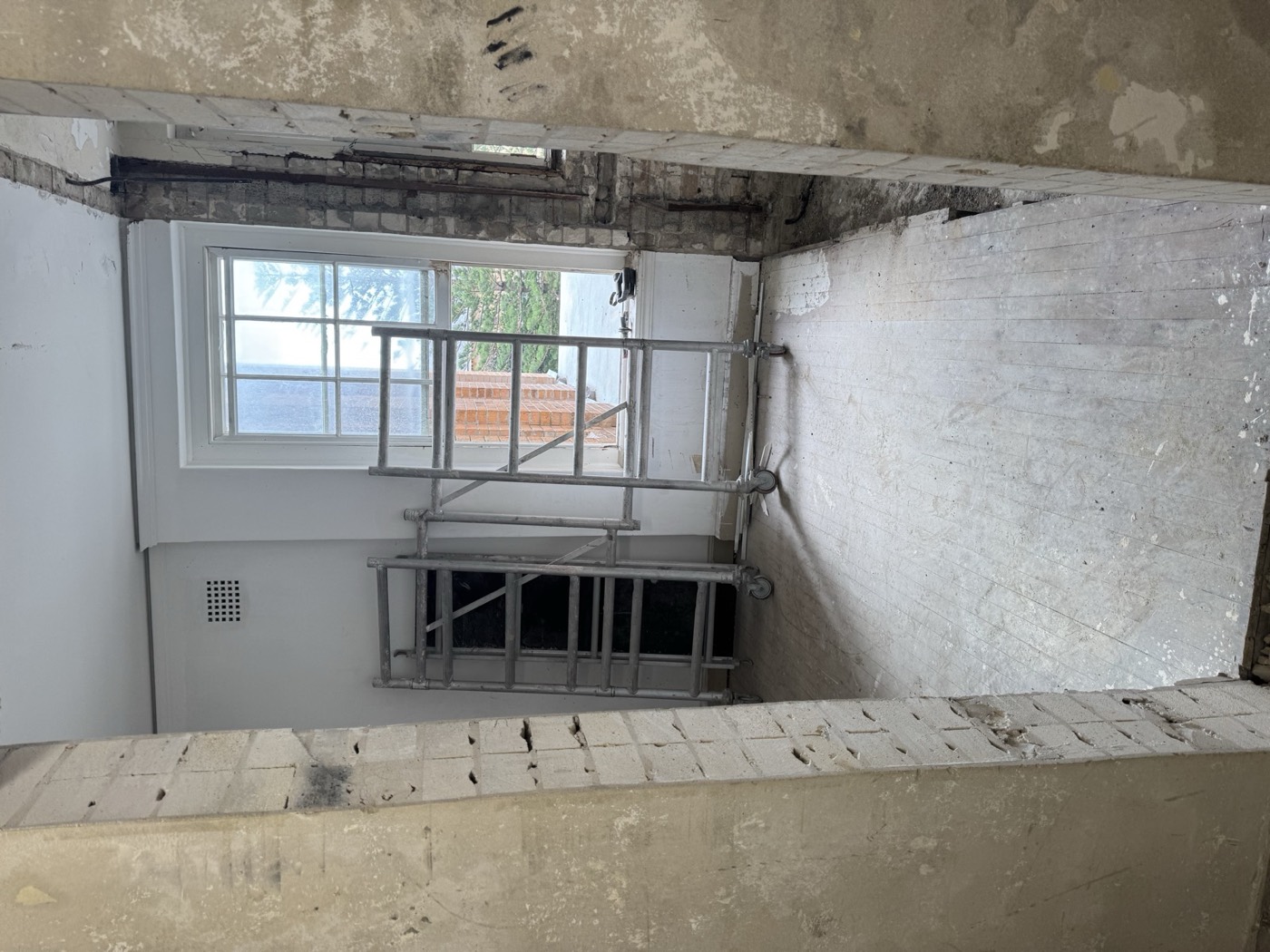
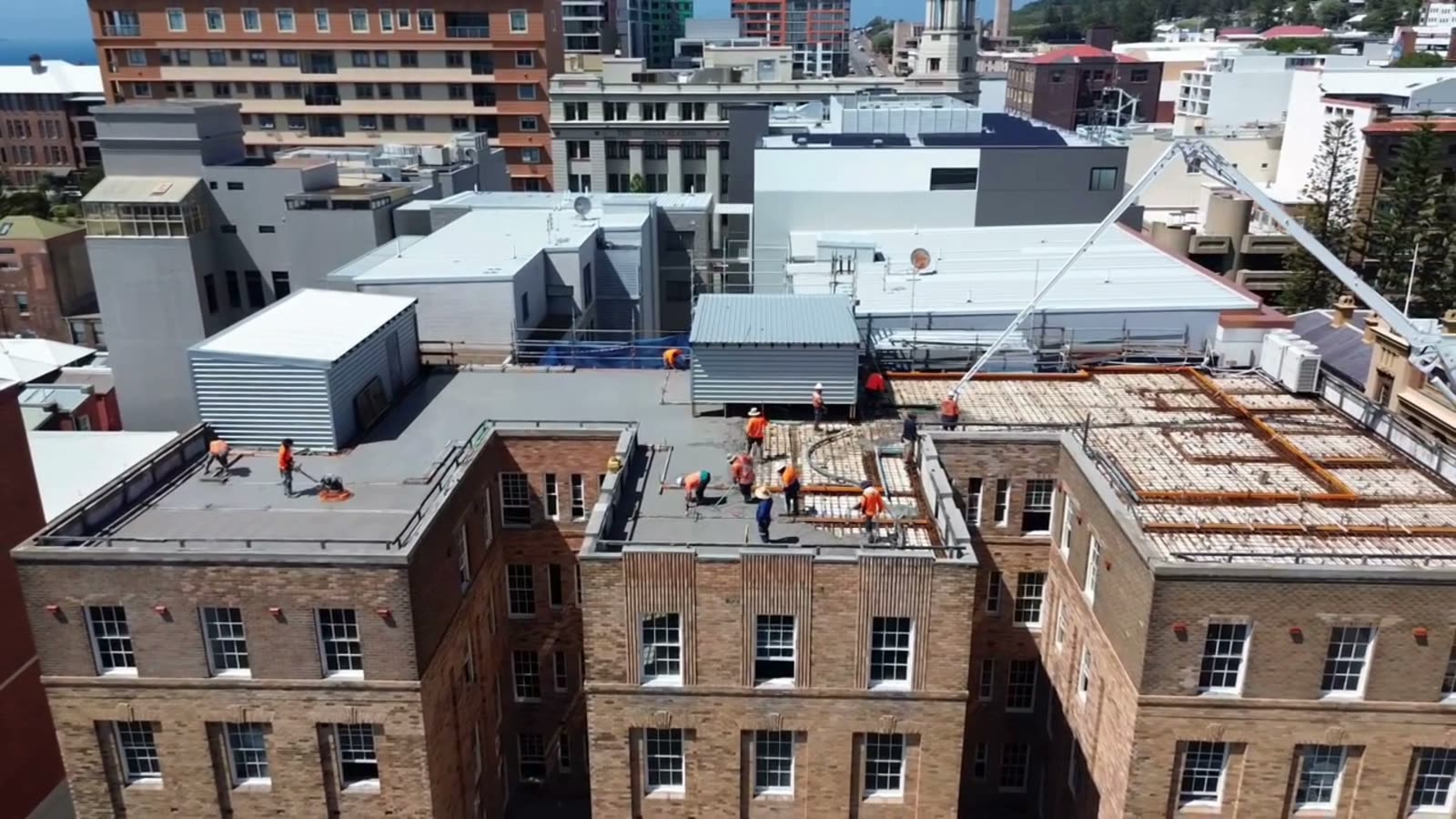
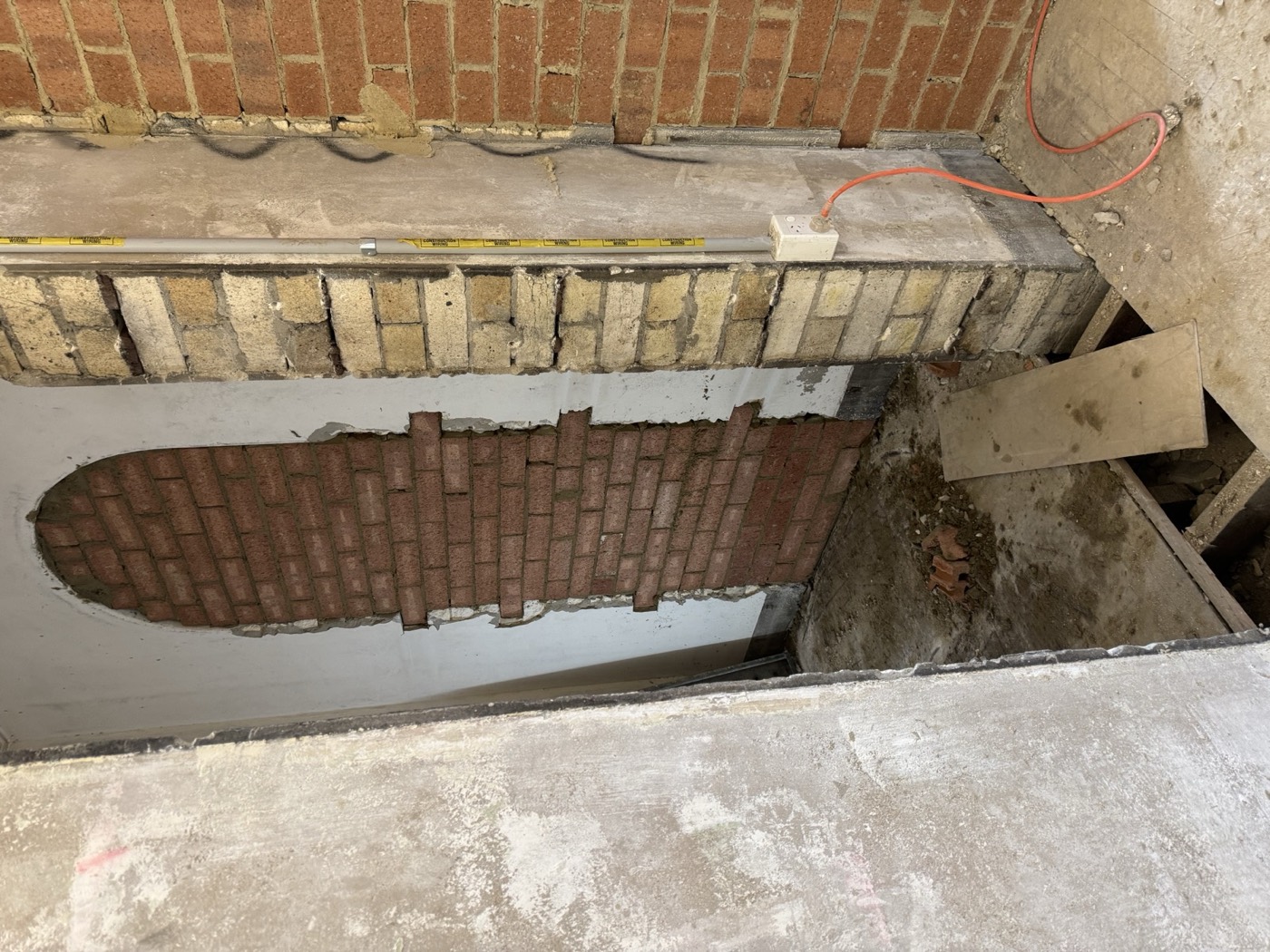
A bathroom leak in aged care is not just a wet floor. It can affect infection control, resident privacy, hoists, exits and the way care staff work.
Start with the care team
Walk the space with facility managers and clinical staff. They can identify residents sensitive to noise, confused by changed routes or unable to relocate at short notice.
Control dust and water
- Solid barriers sealed to the surrounding area.
- Controlled airflow and cleaning where specified.
- Separate rubbish and resident paths.
- Water shutdowns agreed in advance.
- Daily checks before staff leave.
An infection prevention adviser may need to set additional controls.
Stage complete rooms
Design, order and measure before taking a bathroom out of service. Include time for waterproofing to cure and for commissioning. Reopening early because a room looks finished can damage the membrane.
Keep emergency routes open
Any changed exit, fire door or alarm needs a managed plan. Work cannot quietly narrow a path used for beds or evacuation chairs.
Choose durable details
Coved floors, accessible screens, grab-rail backing and easily cleaned surfaces must work with the waterproofing. Fixing holes through a new membrane later can undo the repair.
Communicate simply
Use dates, pictures and one daily contact. Update staff before a route changes. See commercial waterproofing, commercial works and safety around residents.
Call 0415 840 500 or book an inspection. METCON is a licensed NSW builder (384697C) and DBP registered (BUP4254812).
Frequently asked questions
Can residents stay in nearby rooms?
It depends on noise, dust, care needs and exits. The facility must assess each person.
How long is a bathroom closed?
The programme depends on drying, membrane curing and testing as well as trades.
Who approves infection controls?
The facility should nominate its responsible person and any specialist adviser.