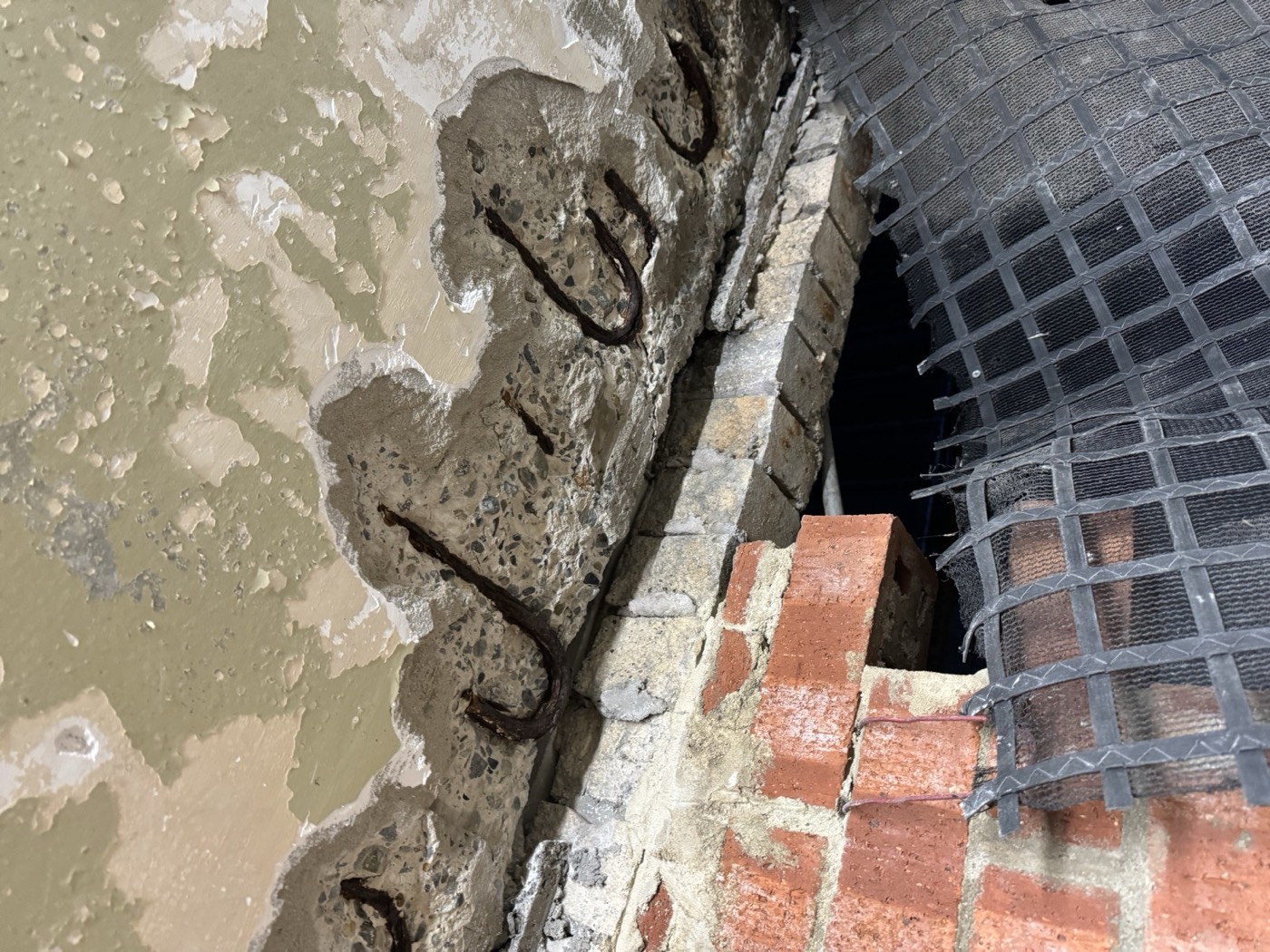
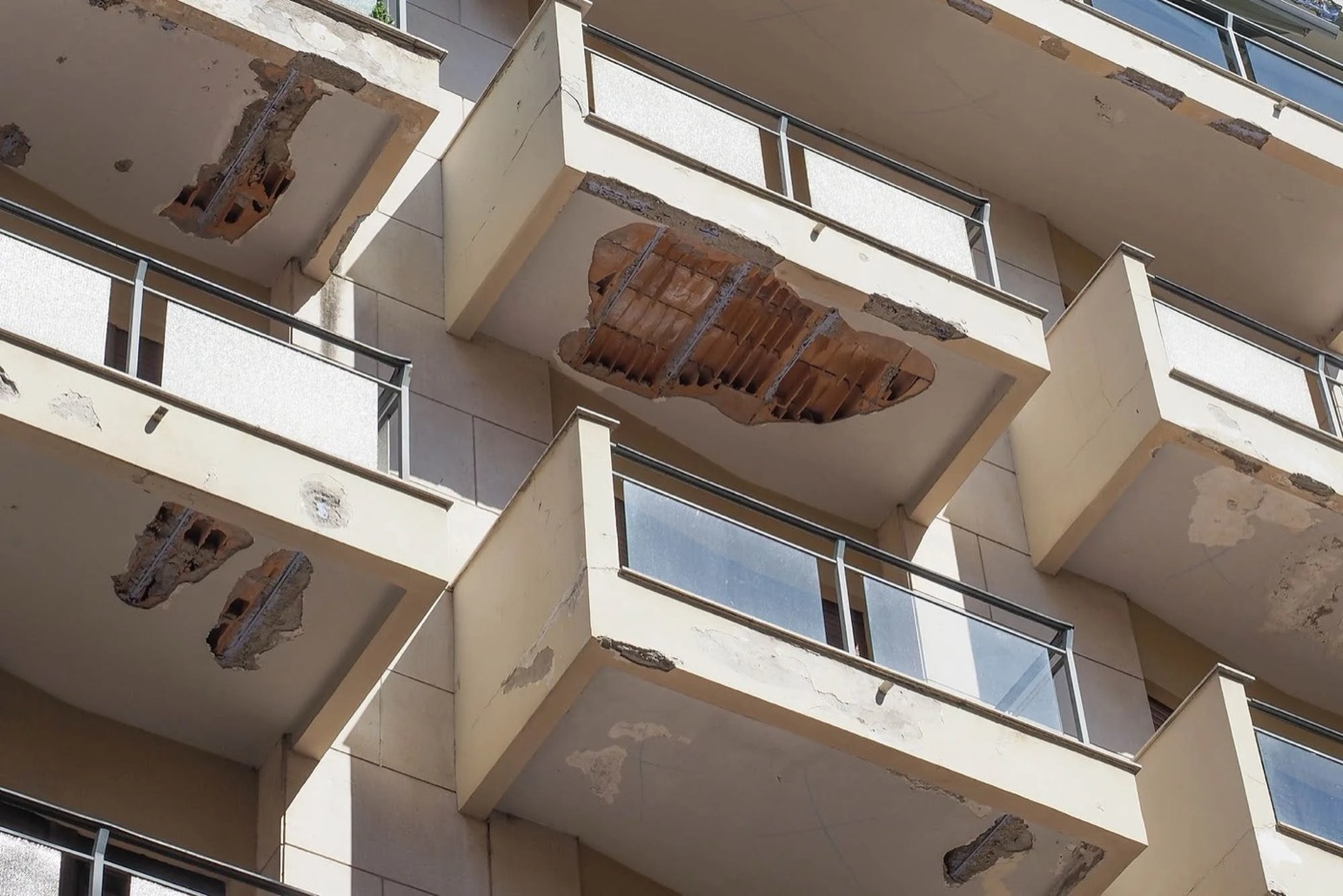
Damp patches on an inside wall after heavy rain, bubbling paint, or water at the bottom of a wall are common in Sydney, especially in older apartment blocks and homes exposed to wind-driven rain. Brick walls are not waterproof on their own. They rely on design details to manage water, and when those fail, water gets in.
How brick walls are meant to work
Most Sydney brick buildings have cavity walls: an outer skin of brick, a gap, and an inner wall. Some water passing through the outer brick is expected. It should run down the inside of the cavity, hit a flashing and drain out through weep holes. Solid brick walls in older buildings rely on thickness and lime mortar instead.
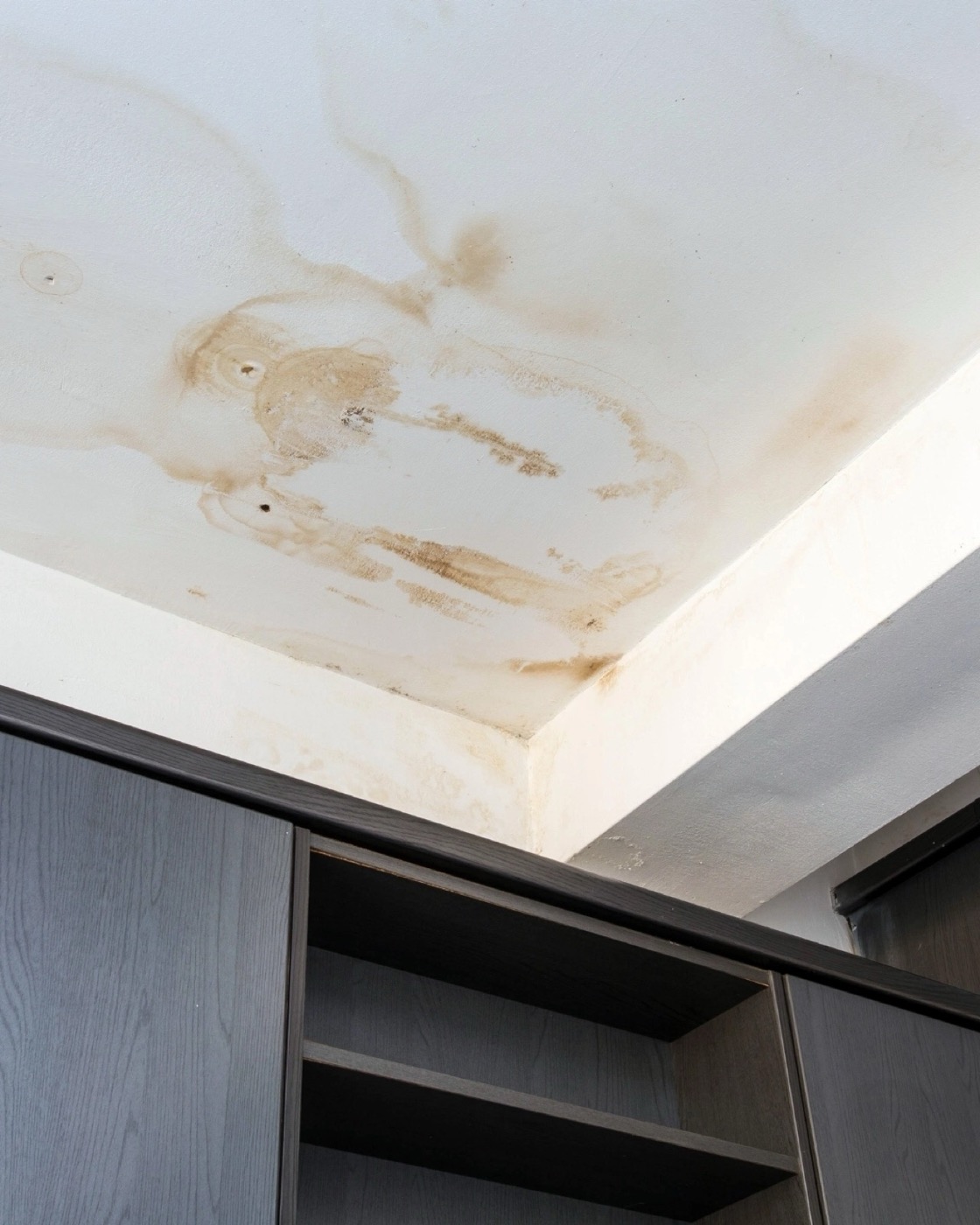
Common causes of water through brick walls
- Bridged cavities: mortar droppings, debris or wall ties that carry water across the cavity.
- Missing or failed flashings over windows, at floor levels and at the base of walls.
- Blocked or missing weep holes, so water builds up in the cavity.
- Cracked or eroded mortar. See repointing brickwork.
- Porous or fretting bricks. See brick fretting.
- Cracks from movement or rusted lintels.
- Parapets and copings letting water into the top of walls. See parapet leaks.
- Failed window seals, often mistaken for wall leaks. See leaking windows.
- Garden beds or paving built up above the damp course outside.
Rain penetration or rising damp?
Water that appears after rain and dries out in fine weather is usually rain penetration. Damp that stays at the bottom of the wall year-round, with a tide mark and salt damage, is more likely rising damp. The fix is different, so diagnosis matters.
How the cause is found
- Mapping where and when the damp appears, and after what weather.
- Moisture readings inside and out.
- Water testing sections of the wall, windows and flashings separately.
- Checking cavities with an inspection camera through weep holes or a removed brick.
How it is fixed
- Repointing eroded and cracked mortar.
- Clearing cavities and reinstating weep holes.
- Replacing flashings over openings and at floor levels, which means removing and relaying brick courses.
- Replacing damaged bricks and repairing cracks.
- Clear water-repellent sealers on sound brickwork, usually silane or siloxane products that let walls breathe. They help on porous brick but do not fix missing flashings or cracks.
- Fixing parapets, copings and windows where they are the source.
Brick wall leaks in apartments
In strata buildings, the external walls are usually common property, so the owners corporation is responsible. Report the leak to the strata manager with photos. See who is responsible for repairs.
Stop water getting through your walls
We diagnose and fix water penetration through brick walls on homes and apartment buildings across Sydney. See our waterproofing service or call 0415 840 500.
Frequently asked questions
Why is water coming through my brick wall?
Common causes are bridged cavities, missing or failed flashings, blocked weep holes, eroded mortar, porous bricks, cracks and leaking windows or parapets.
Can you waterproof an external brick wall?
Clear water-repellent sealers help on sound, porous brick, but missing flashings, cracks and cavity problems must be fixed first.
Is it rising damp or a leak?
Damp that appears after rain and dries out is usually rain penetration. Damp at the base of a wall year-round, with salt damage, is more likely rising damp.