If the bricks at the bottom of your walls are powdering, flaking or slowly hollowing out, you are looking at brick fretting. It is one of the most common problems on older Sydney homes, terraces and walk-up apartment blocks, and one of the most commonly misrepaired.
What is brick fretting?
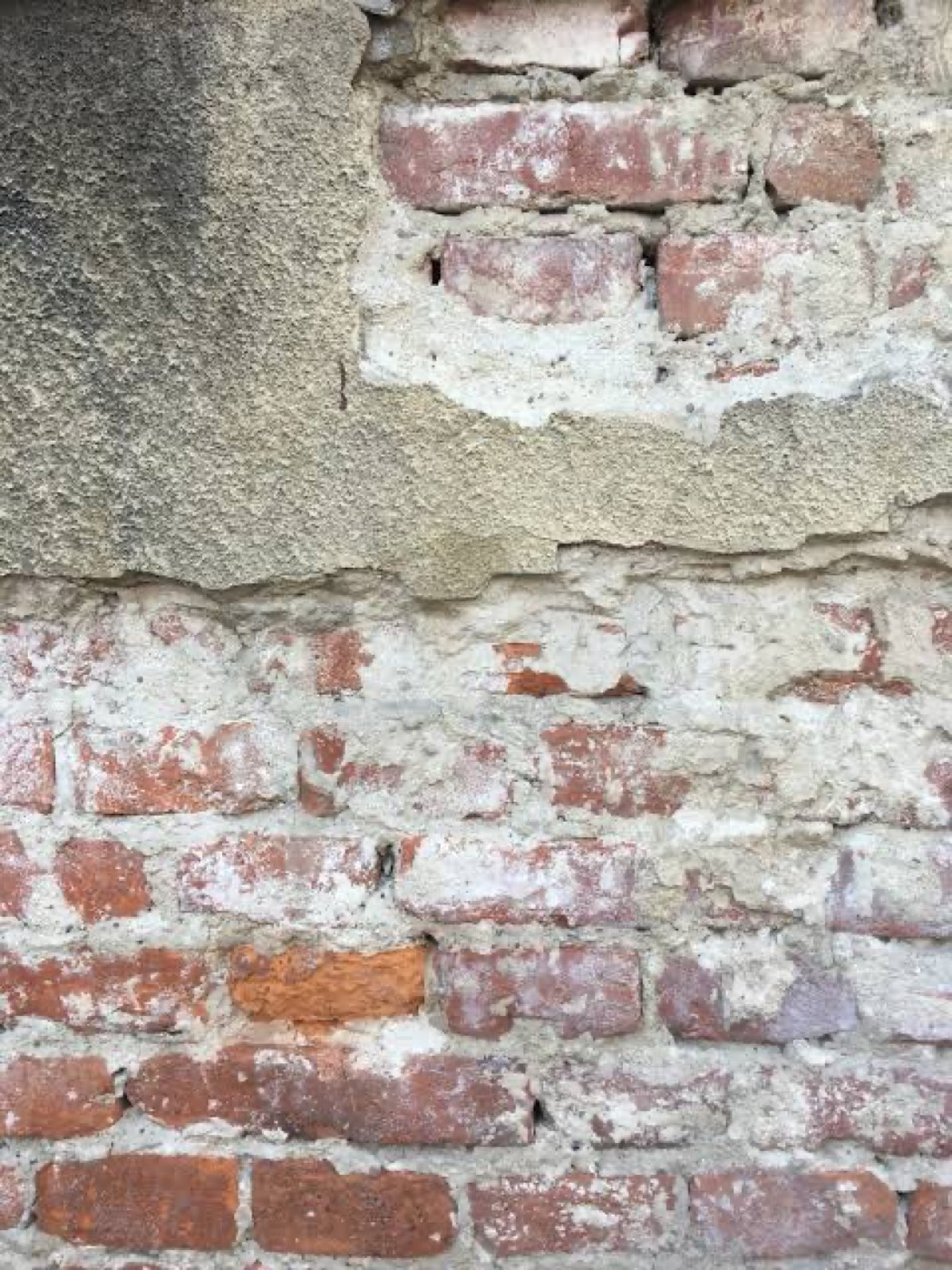
Fretting is the gradual breakdown of the face of a brick. It usually starts as a fine powder or flaking on the surface, then the brick erodes back behind the line of the wall. In bad cases bricks lose so much material they no longer carry load properly.
What causes fretting brickwork?
Almost always, moisture carrying salts. Water containing dissolved salts gets into the brick from the ground (rising damp), from leaking downpipes and gutters, from garden beds built up against the wall, or from salt spray near the coast. As the wall dries, the water evaporates from the face of the brick and leaves the salts behind. When the salts crystallise in the pores of the brick they expand, and that pressure breaks the surface apart. Repeat that through every wet and dry cycle and the brick slowly fretts away.
Two other factors make it worse:
- Hard cement mortar on older walls. Older bricks were laid in soft lime mortar. Repointing them with hard cement mortar forces moisture and salts to evaporate through the bricks instead of the joints, so the bricks take the damage.
- Impervious coatings. Paints and sealers that trap moisture behind them can push salt damage deeper.
How to tell if it is fretting
- Powdery or sandy residue at the base of the wall.
- White salt deposits (efflorescence) on the brick face.
- Bricks eroded back further than the mortar joints around them.
- Damage concentrated low on the wall, near downpipes or behind garden beds.
How fretting brickwork is repaired
1. Fix the moisture source
Replacing bricks without stopping the water means the new bricks fret too. That can mean repairing downpipes and drainage, lowering garden beds and paths below the damp course, or treating rising damp with a new damp proof course.
2. Reduce the salt load
Salt-contaminated render and mortar may need to be removed, and poultices can draw salts out of the masonry before repairs.
3. Replace badly fretted bricks
Bricks that have lost significant depth are cut out and replaced with matched new or reclaimed bricks. On heritage and face brick walls, matching colour, size and texture matters.
4. Repoint with the right mortar
Joints are raked out and repointed with a mortar that is softer and more breathable than the bricks, usually lime-based on older walls. That way the joints, which are easy to renew, take the wear rather than the bricks.
Do not just render over it
Rendering or painting over fretting brickwork hides the problem for a while, but the salts keep working behind the coating and it usually blows off within a few years, often taking more of the brick with it.
Get it assessed
We repair fretting brickwork across Sydney, starting with the cause. See our brickwork repair service or send us photos for an initial view.
Frequently asked questions
Is brick fretting serious?
It starts as a cosmetic problem but gets worse every year. Bricks that lose significant depth weaken the wall, so it is worth dealing with the moisture source and repairing the worst bricks early.
Can fretted bricks be repaired without replacing them?
Lightly fretted bricks can often be left once the moisture and salt are dealt with. Badly eroded bricks should be cut out and replaced with matched bricks.
What mortar should be used on old brickwork?
A mortar that is softer and more breathable than the bricks, usually lime-based, so moisture and salts escape through the joints rather than the bricks.