Mortar joints are designed to be the weakest part of a brick wall. Over decades they erode, crack and wash out, and when they do, water gets deeper into the wall. Repointing renews those joints. Done well it protects the wall for decades; done badly it can damage the bricks it is meant to protect.
Signs your brickwork needs repointing
- Mortar recessed well back from the face of the bricks.
- Joints that are sandy or crumble when scratched.
- Gaps, holes or missing mortar.
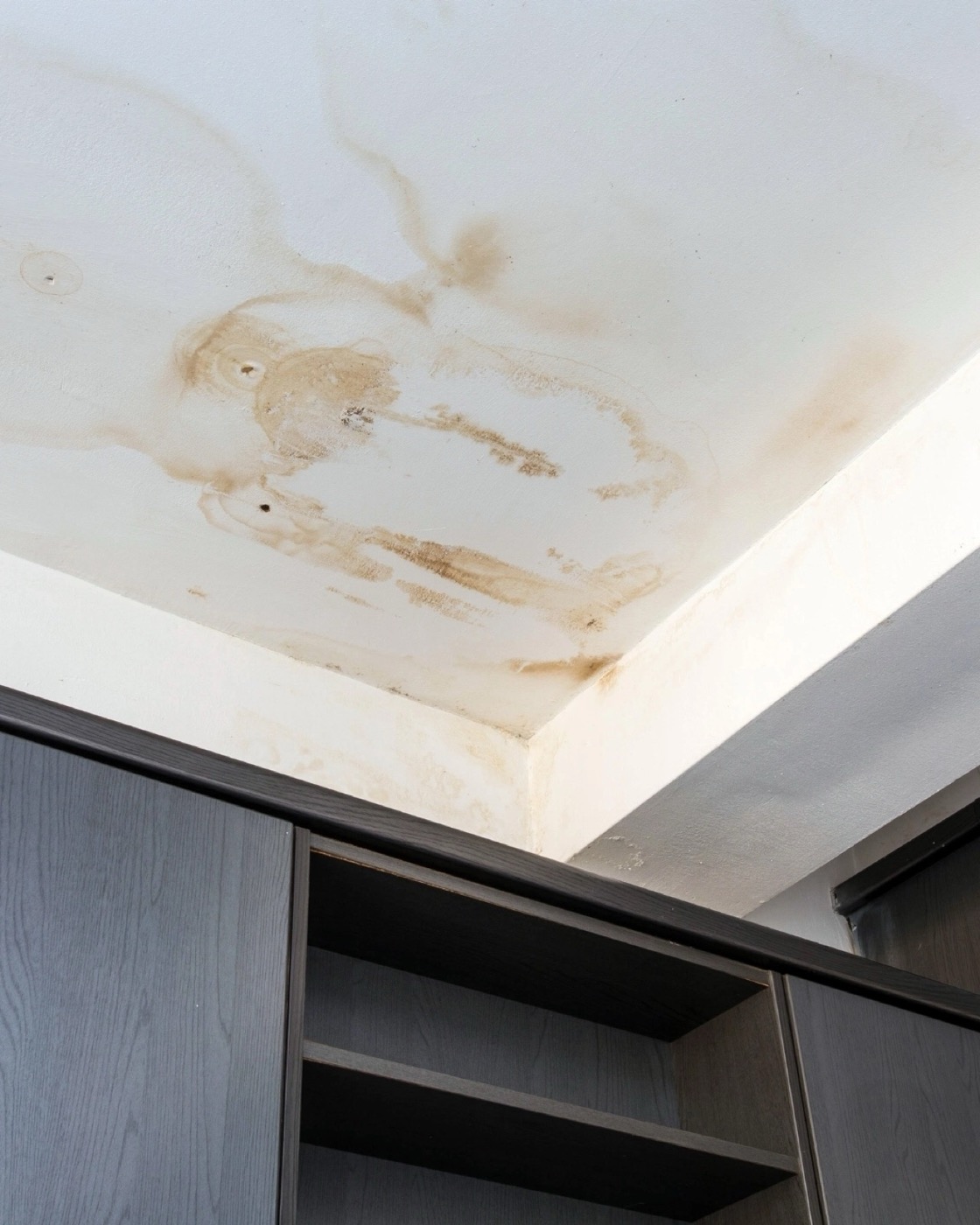
- Damp patches inside behind the wall.
- Plants or moss growing out of the joints.
- Cracks running through the joints.
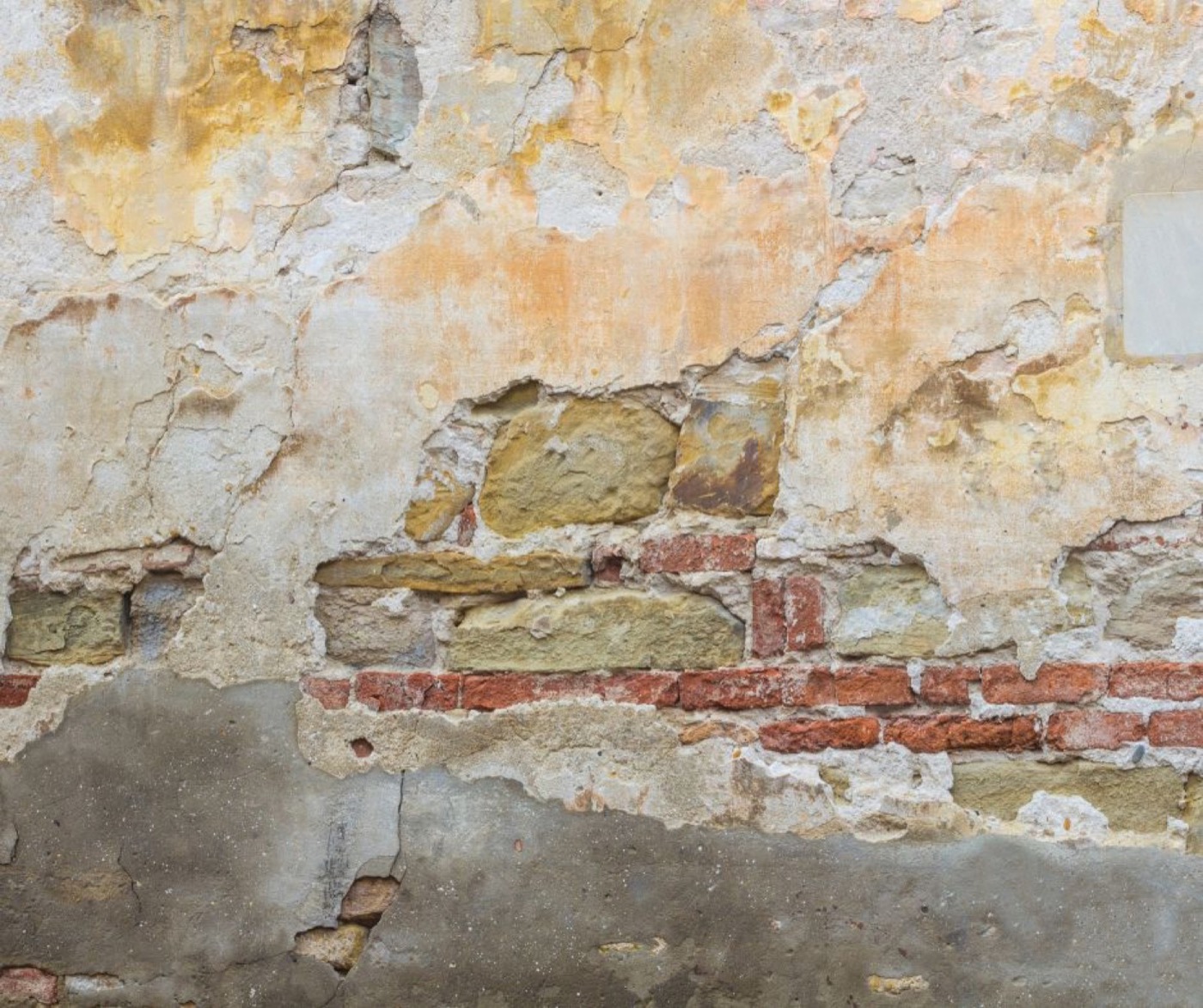
Repointing vs repairing cracks
Repointing deals with weathered joints. If the joints are cracking in a stepped pattern, or bricks themselves are cracking, the wall may be moving. That needs the cause fixed and possibly crack stitching, not just new mortar.
How repointing is done properly
- Rake out the old mortar to a consistent depth, usually at least 15 to 20mm or twice the joint width, without damaging the brick edges.
- Clean and dampen the joints so the new mortar bonds and does not dry out too fast.
- Repoint with the right mortar, packed firmly in layers rather than smeared over the surface.
- Finish the joint to match the original profile, whether flush, struck, ironed or recessed.
- Cure it properly, protecting it from direct sun, wind and rain while it sets.
Choosing the right mortar
The rule is simple: the mortar should be weaker and more breathable than the bricks. On older walls laid in lime mortar, that means a lime-based mix. Hard cement mortar on soft old bricks traps moisture in the bricks and forces them to take the damage, which is a common cause of brick fretting. On modern walls a suitable cement-lime-sand mix is normal. Colour and sand texture should match the existing joints so the repair blends in.
What affects repointing cost
- Area of wall and how deep the joints need raking out.
- Access: scaffolding for upper storeys adds cost.
- Mortar type and colour matching, especially on heritage walls.
- Brick replacement and crack repairs found along the way.
- Joint profile and finishing standard.
Mortar repairs done right
We repoint and repair brickwork across Sydney, matching mortar to the wall. See our brickwork repair service or send us a few photos.
Frequently asked questions
How often does brickwork need repointing?
Well-built walls can go many decades between repointing. Exposure, water and the original mortar all affect it. Repoint when joints are eroded, crumbly or letting water in.
Can I repoint over the old mortar?
No. Thin mortar smeared over old joints does not bond and falls out. The old mortar needs to be raked out to a proper depth first.
Should old brick walls be repointed with cement?
Generally no. Older walls laid in lime mortar should be repointed with lime-based mortar so the bricks are not damaged.