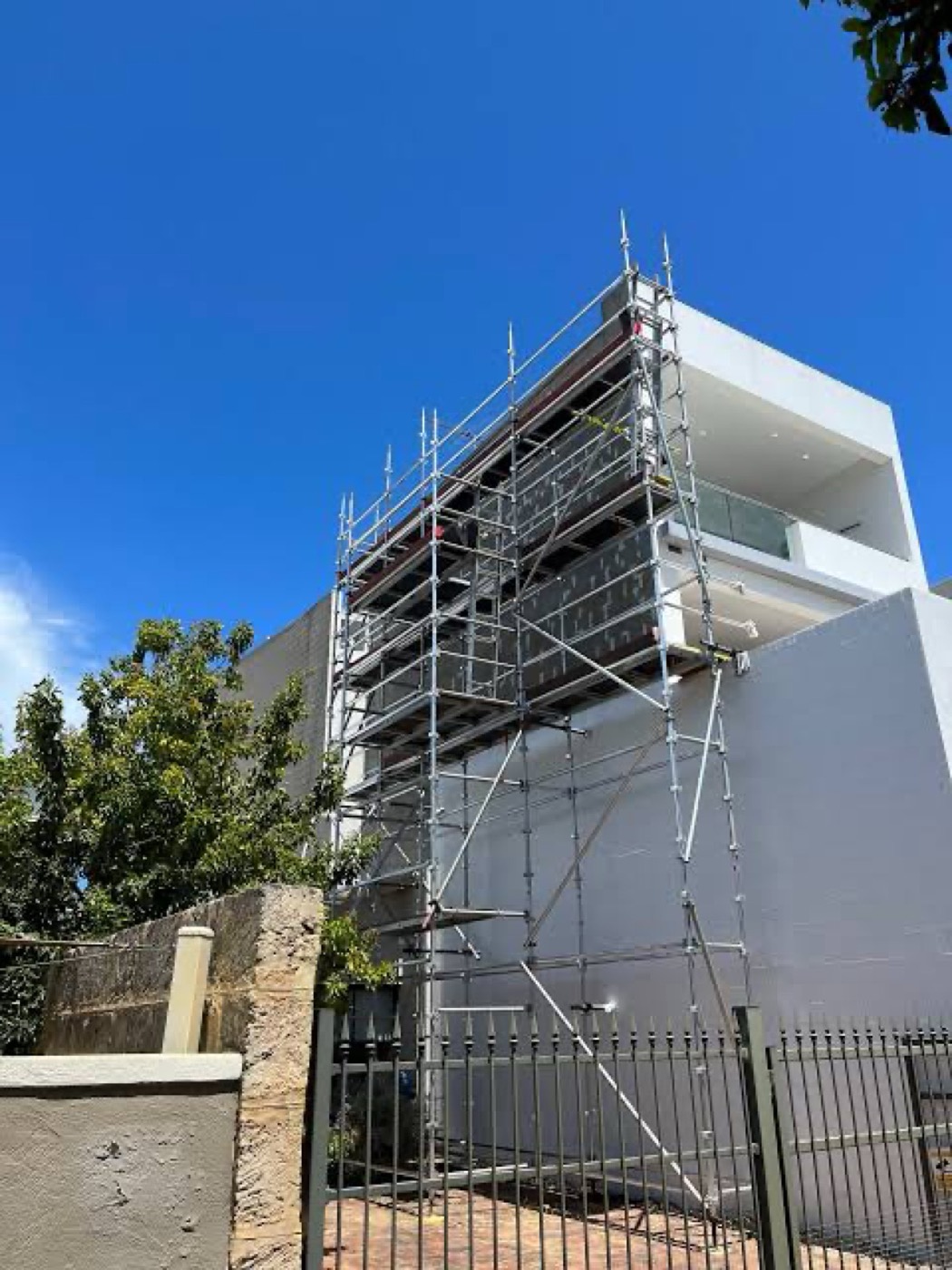
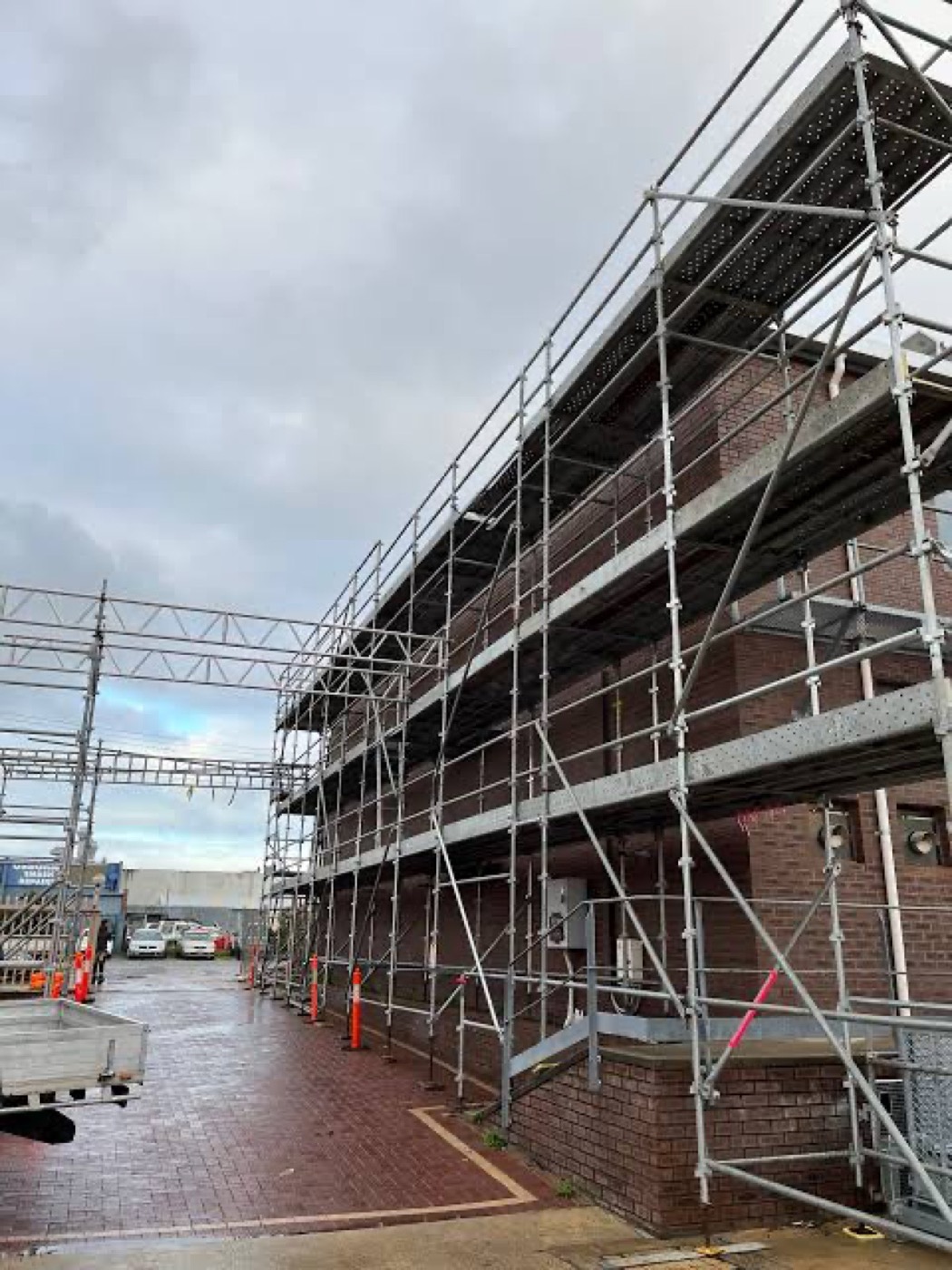
Many apartment buildings, including towers around Rhodes, St Leonards, Zetland and Pyrmont, have pools on podiums or rooftops. Water and chlorine sit above car parks, plant rooms and apartments. Leaks can damage concrete and steel below, and pool areas can be expensive to repair if left too long.
Where the water might be coming from
- The pool shell: cracks or failed joints in the concrete or lining.
- Pipes and fittings: skimmers, lights, returns and pipe penetrations.
- Balance tank and plant: overflows, valves and backwash lines.
- The deck: water from splash, rain and hosing gets through paving and failed membranes.
- Drains: blocked or poorly detailed deck drains. See pooling water.
- Garden areas: planters around the pool. See planter box waterproofing.
- Wet areas: change rooms and spas.
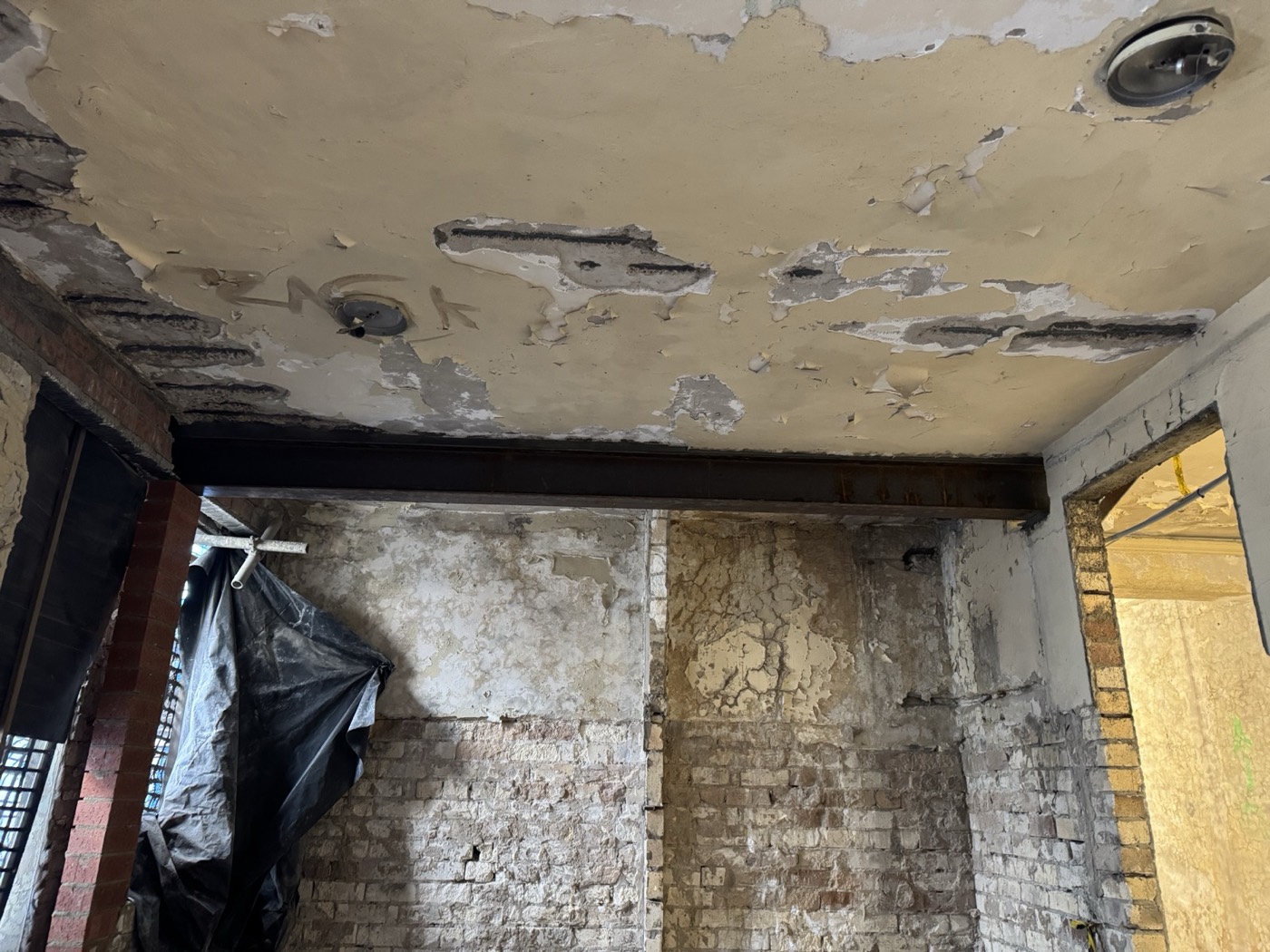
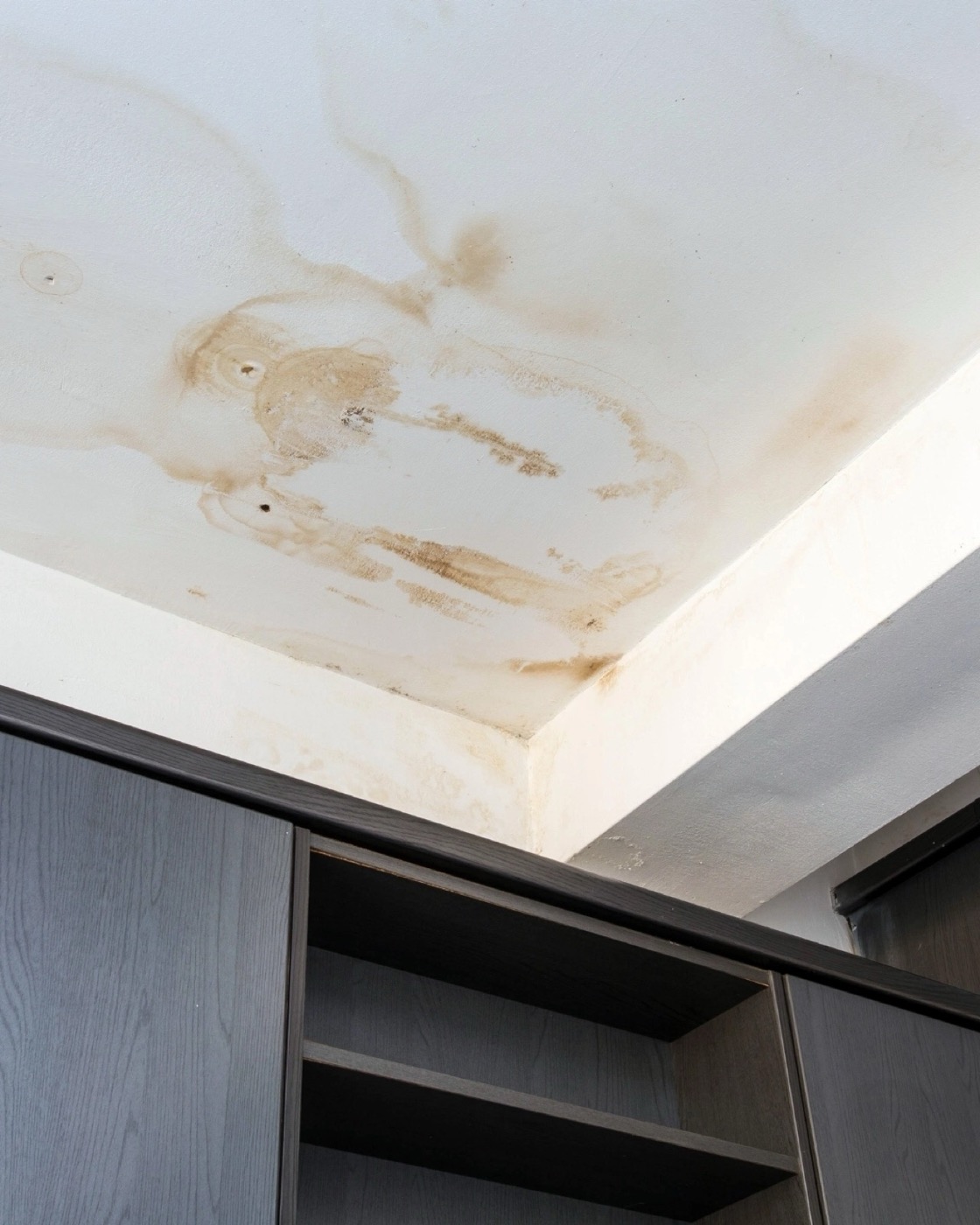
Signs below the pool
- Drips or stains on car park ceilings.
- White deposits and stalactites on concrete.
- Rust stains or spalling concrete. See concrete cancer signs.
- Dropping pool levels or a pool that needs frequent top-ups.
- Chlorine smells or damp near plant rooms.
How to find the source
- Record: track water top-ups and when leaks happen.
- Bucket test: compare pool and evaporation levels, with pool specialists.
- Pressure test pipes: done by a pool technician.
- Dye test: around fittings and cracks.
- Isolate the deck: flood test sections where practical. See leak detection.
Repair options
- Repairs to pipes and fittings by pool specialists.
- Resealing or relining the shell.
- Crack injection from below, as part of the plan. See crack injection.
- Stripping and re-waterproofing the deck, with new drains and details. See podium waterproofing.
- Concrete repairs below the pool. See car park concrete repairs.
Planning the works
- Time works for cooler months, so owners lose the pool when it is least used.
- Check drainage approvals and water disposal if the pool must be emptied.
- Get engineering advice before emptying a pool. Empty pools can be affected by water pressure, and a rooftop slab can respond differently when the load changes.
- Bring in pool specialists, and make clear who owns which part of the repair.
How it helps your building
Fixing the leak protects concrete, cars and services below, cuts water and chemical costs, and keeps a valuable amenity open. If your building is relatively new, act quickly, as warranty periods may apply. See defects periods.
Pool deck repairs
We repair decks, podiums and concrete, working with your pool specialist. METCON is a licensed builder (384697C) and DBP registered (BUP4254812) for Class 2 work. Call 0415 840 500 or book a free inspection.
Frequently asked questions
How do I know if our apartment pool is leaking?
Signs include frequent top-ups, dropping water levels and drips or stains below. A pool specialist can test the shell and pipes.
Can a pool deck leak be repaired without emptying the pool?
Often, yes, if the problem is with the deck rather than the shell. Get specialist advice for your situation.
Who pays for repairs to a strata pool?
Shared pools are usually common property, so the owners corporation generally pays. Check your strata plan and speak to your strata manager.