Carparks are some of the hardest-working concrete structures in a building. Vehicles bring in water and road salts, ventilation is often poor, and many basements sit against wet ground. Over time, slabs crack, joints leak and steel corrodes.
Common carpark defects
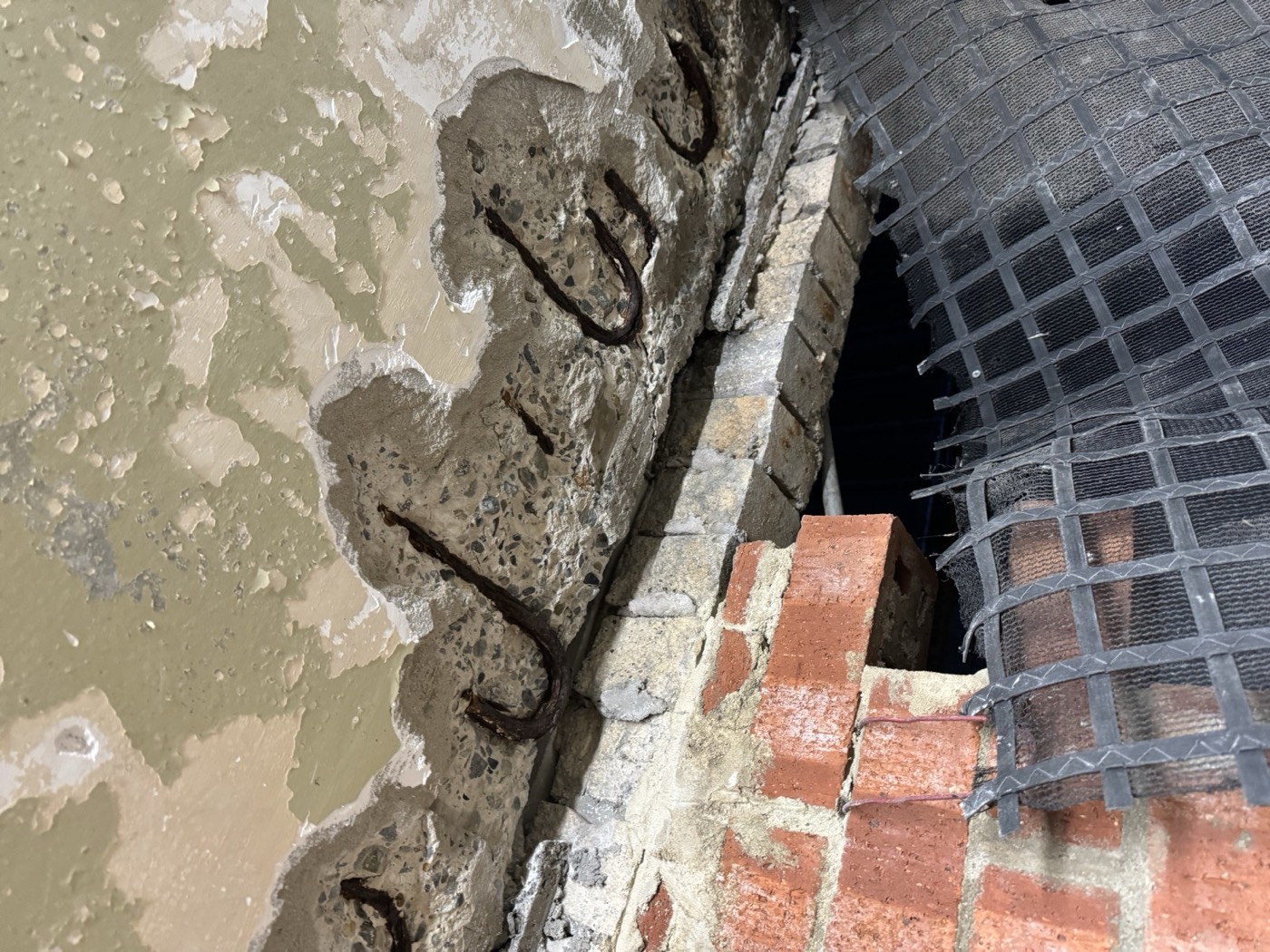
- Spalling soffits and beams where corroding reinforcement has pushed concrete off.
- Cracked slabs letting water through to the level below.
- Leaking construction and expansion joints.
- Corroded columns, particularly at the base where water collects.
- Water through basement walls from the ground outside.
- Worn or failed deck coatings on exposed top levels.
Why it matters
Falling concrete over parking bays is a safety hazard, and corrosion reduces the strength of beams and columns. Leaks also damage cars, storage and services.
How carpark repairs are done
- Condition survey: mapping spalling, cracking and leaks across every level.
- Engineering: specification of repair methods and any propping.
- Concrete repairs: break out, treat steel, reinstate with repair mortars.
- Crack and joint repairs: injection for leaking cracks, new joint seals.
- Protection: coatings and membranes to keep water and salts out.
Keeping the carpark open
Works are usually staged bay by bay or zone by zone, with residents notified in advance and access maintained. Noisy work is scheduled to suit the building.
Carpark concrete repairs
See our concrete repair service or call 0415 840 500. For apartment buildings, METCON is DBP registered for Class 2 remedial work.
Frequently asked questions
Can a carpark stay open during concrete repairs?
Usually. Works are staged bay by bay or zone by zone with notices to residents and access maintained.
Why is my basement carpark leaking?
Common causes are cracked slabs, failed joints, and groundwater pushing through basement walls. Each needs a different repair.
Is spalling concrete in a carpark dangerous?
It can be, especially over parking bays and walkways. Loose concrete should be made safe promptly.