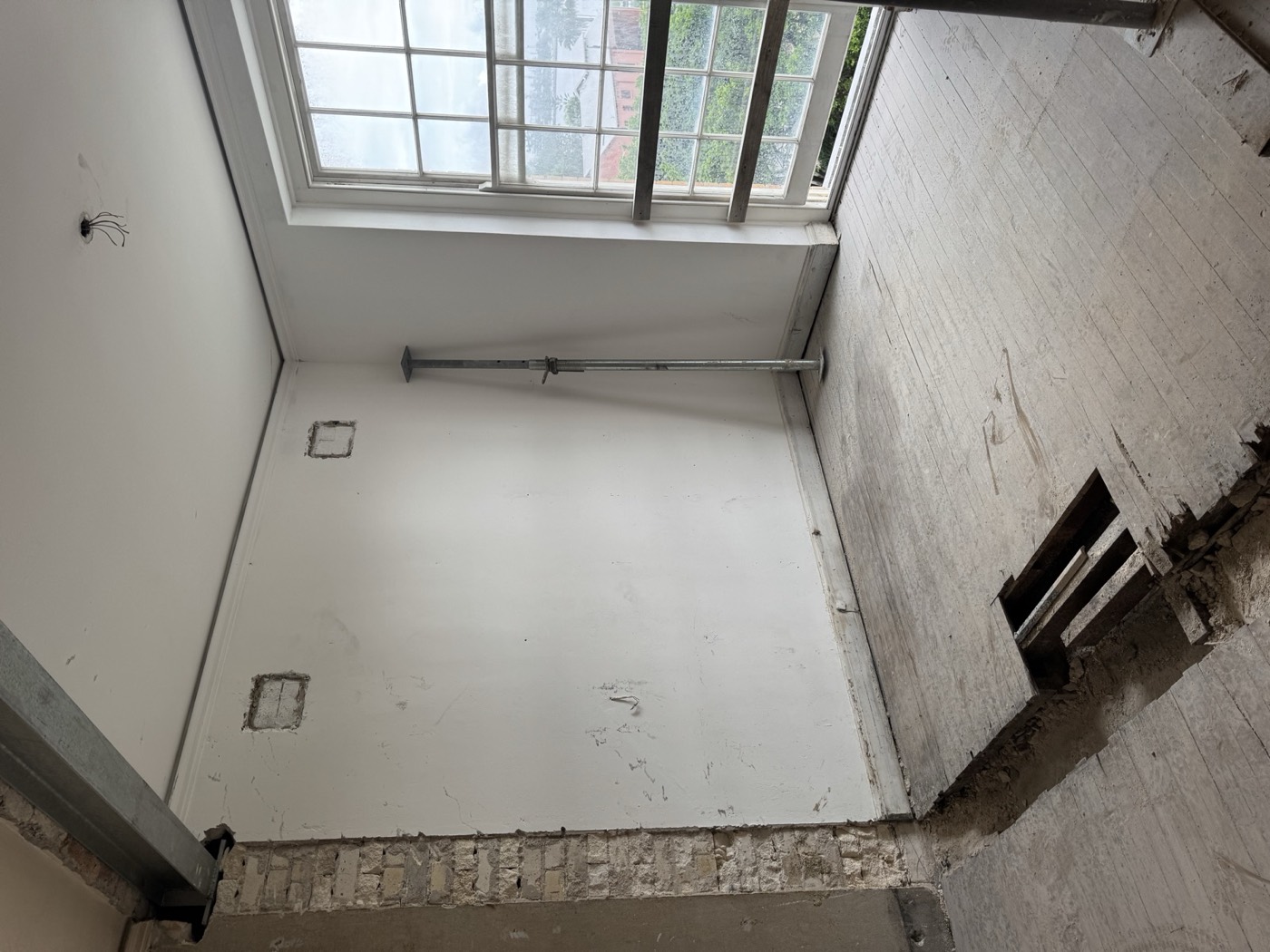
When a new building or a major remedial project is finished, owners often hear the phrase "defects liability period". It is easy to confuse with the statutory warranties and, for apartment buildings, the strata building bond. They overlap, but they are not the same.
This article is general information, not legal advice. Get advice from a construction lawyer about your contract and situation.
What is a defects liability period?
A defects liability period (DLP) is a period set by the building contract, starting at practical completion, during which the builder must come back and fix defects that appear. It is a contractual promise. The length depends on the contract, commonly 12 months on many projects, sometimes longer.
The DLP is usually tied to security held by the client, such as a retention amount or bank guarantee, which can be used if the builder does not fix defects. The security is typically released at the end of the period.
How it differs from statutory warranties
In NSW, the Home Building Act gives owners statutory warranties for residential building work, including apartment buildings. These run for set periods from completion, generally six years for major defects and two years for other defects. They apply whatever the contract says. See time limits for claims against builders.
So when the DLP ends, the builder's statutory obligations do not end with it. But the easy, informal route of a builder returning under the contract may be gone, and any security may have been released.
How it differs from the strata building bond
For many new residential strata buildings of four or more storeys, developers must lodge a bond with the regulator under the Strata Building Bond and Inspections Scheme. Independent inspections are carried out during the second year after completion, and the bond can be used to fix defects found. See the strata building bond scheme.
What owners should do during the DLP
- Keep a defects list from day one. Record leaks, cracks and faults with dates and photos.
- Notify the builder in writing as defects appear, not just at the end.
- Get an independent inspection before the DLP ends. A consultant can find defects owners have not noticed, especially in waterproofing.
- Watch the weather. Leaks often only show after heavy rain. Note storms and when leaks appeared.
- Do not let anyone else repair defects before they are documented, or you may make a claim harder.
- Check the security before it is released.
Common defects found in the first year
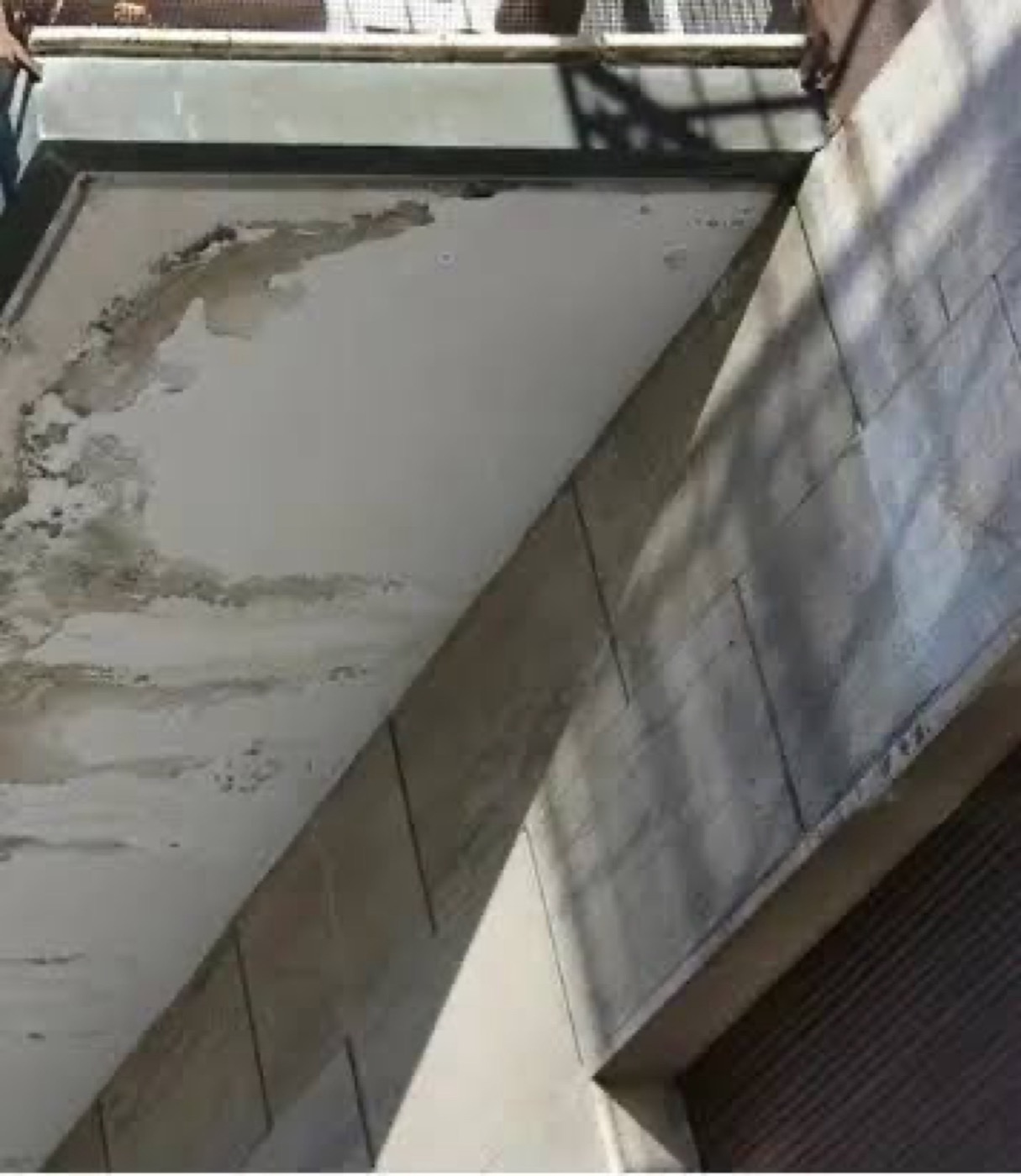
- Waterproofing failures in balconies, podiums, planters and showers.
- Leaking windows and balcony door thresholds.
- Cracking in render, walls and slabs.
- Drainage that ponds or overflows.
- Failing sealants and joints.
DLPs on remedial projects
Remedial contracts for strata buildings usually have a DLP too. When we finish a balcony or waterproofing project, we return during the DLP to fix any defects, and the owners corporation keeps the warranties, test records and documentation.
Need defects fixed?
If the original builder will not or cannot fix defects, we can rectify them to an engineer's or consultant's scope. METCON is a licensed builder (384697C) and DBP registered (BUP4254812) for Class 2 work. Call 0415 840 500 or book a free inspection.
Frequently asked questions
What is a defects liability period?
A period in a building contract, starting at practical completion, during which the builder must return to fix defects. Its length is set by the contract.
Can I still claim after the defects liability period ends?
Often, yes. NSW statutory warranties for residential building work generally run for six years for major defects and two years for other defects. Get legal advice on your situation.
Is the defects liability period the same as the strata bond?
No. The strata building bond is a separate scheme for many new strata buildings of four or more storeys, with independent inspections in the second year after completion.