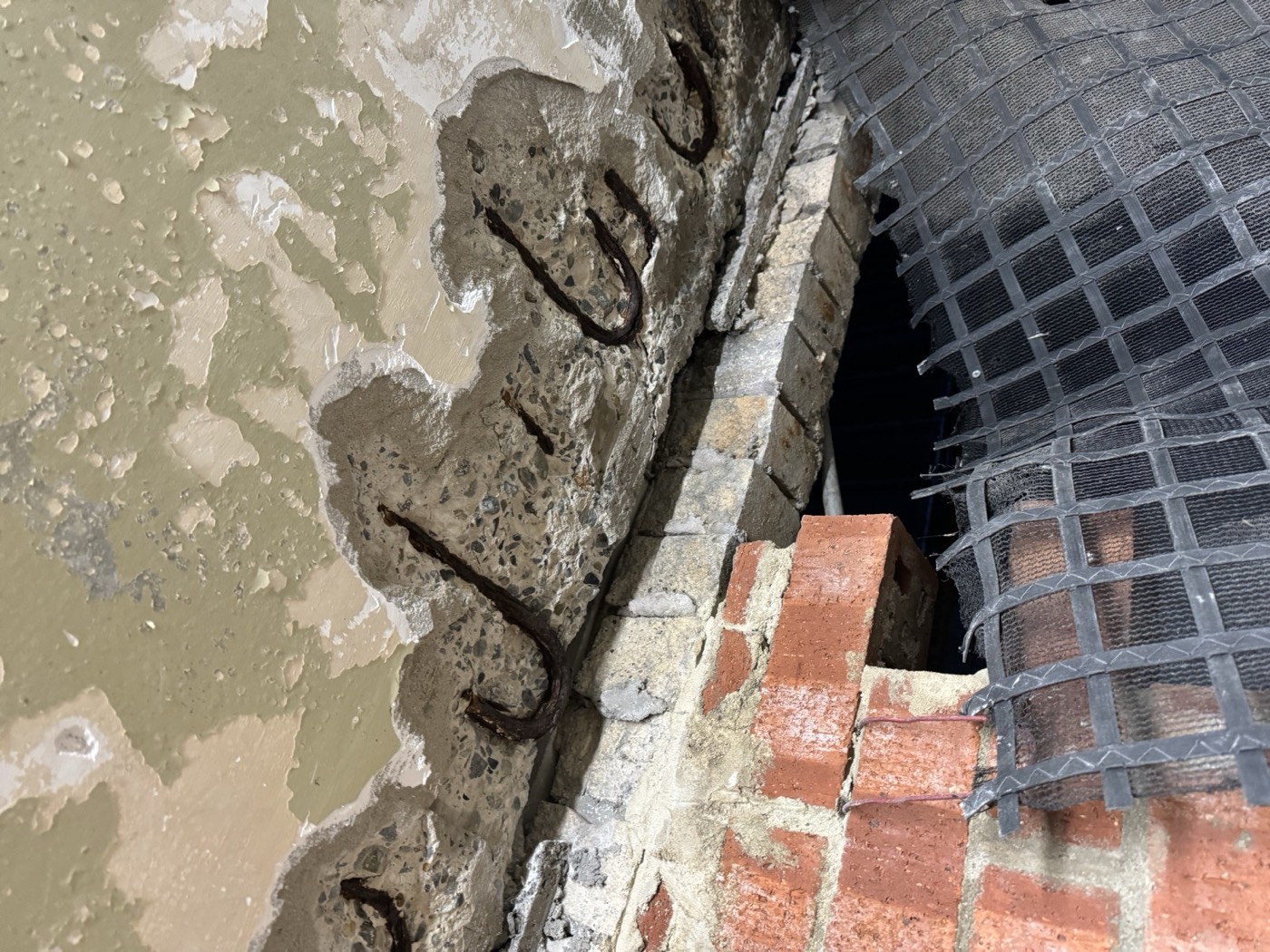
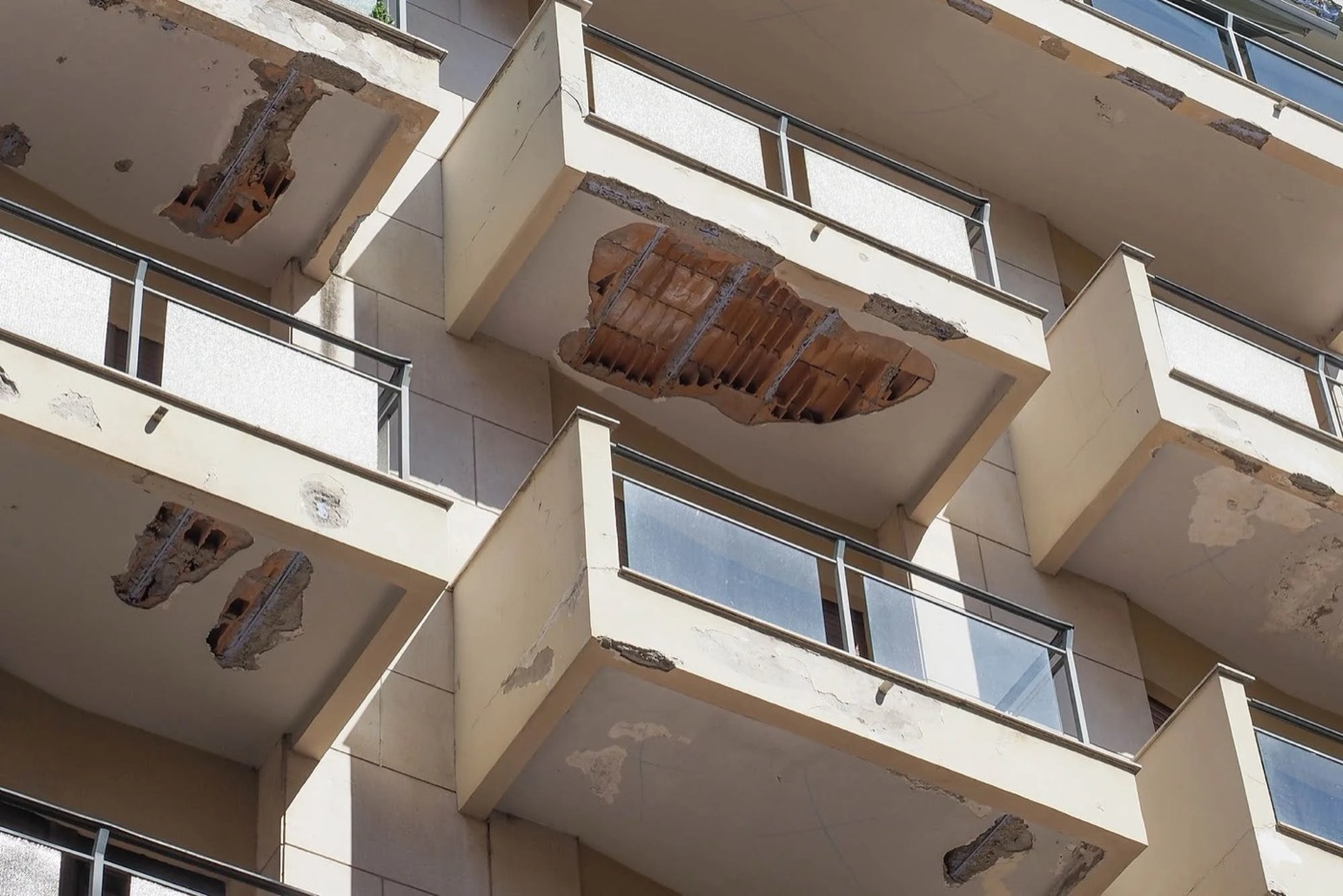
Rising damp is ground moisture moving up through masonry walls. Brick and stone are porous, so without a working barrier, water from the soil climbs into the wall. It is most common in older homes and terraces built before modern damp-proof courses, or where the old one has failed.
How to recognise it
- A tide mark low on walls, usually up to about a metre.
- Bubbling, flaking paint and crumbling plaster at the base of walls.
- White, fluffy salt deposits.
- Rotting skirting boards.
- A musty smell. See musty smells.
What causes it
- No damp-proof course, common in very old homes.
- A failed damp-proof course.
- The damp course bridged by raised garden beds, paths or render.
- Poor drainage around the house.
- Cement render or impermeable paint trapping moisture in old walls. See lime vs cement.
Is it really rising damp?
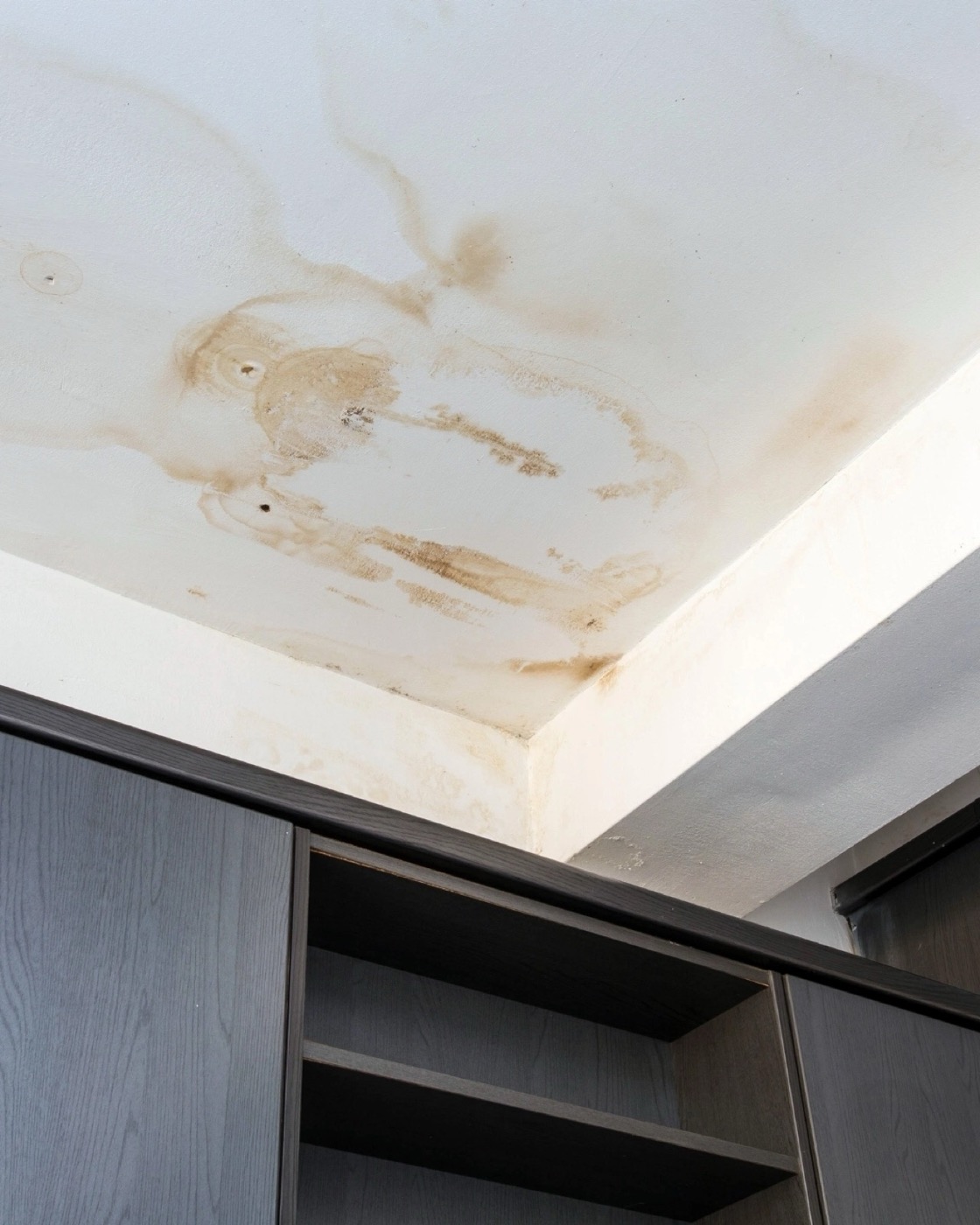
Many damp walls are caused by leaks, condensation or water coming through the wall, not rising damp. Treating the wrong problem wastes money. See condensation vs rising damp vs leaks.
Why it matters
- Salts damage plaster, paint and soft bricks. See brick fretting.
- Damp walls feel cold and encourage mould.
- Timber in contact with damp walls can rot.
How it is treated
Treatment starts with removing bridges and fixing drainage, then installing or injecting a new damp-proof course where needed, and replacing salt-damaged plaster with suitable render. See treatment methods and treatment costs.
How treatment helps your home
A dry wall protects finishes and health, keeps the home warmer and makes it easier to sell.
Rising damp inspections
We diagnose and treat rising damp in homes and heritage buildings across Sydney. Call 0415 840 500 or book a free inspection.
Frequently asked questions
What is rising damp?
Ground moisture moving up through masonry walls where there is no working damp-proof course.
How high does rising damp go?
Usually up to about a metre. Damp much higher is often from another source.
Can rising damp be fixed permanently?
Usually, yes, by removing bridges, fixing drainage, installing a damp-proof course and replacing damaged plaster.