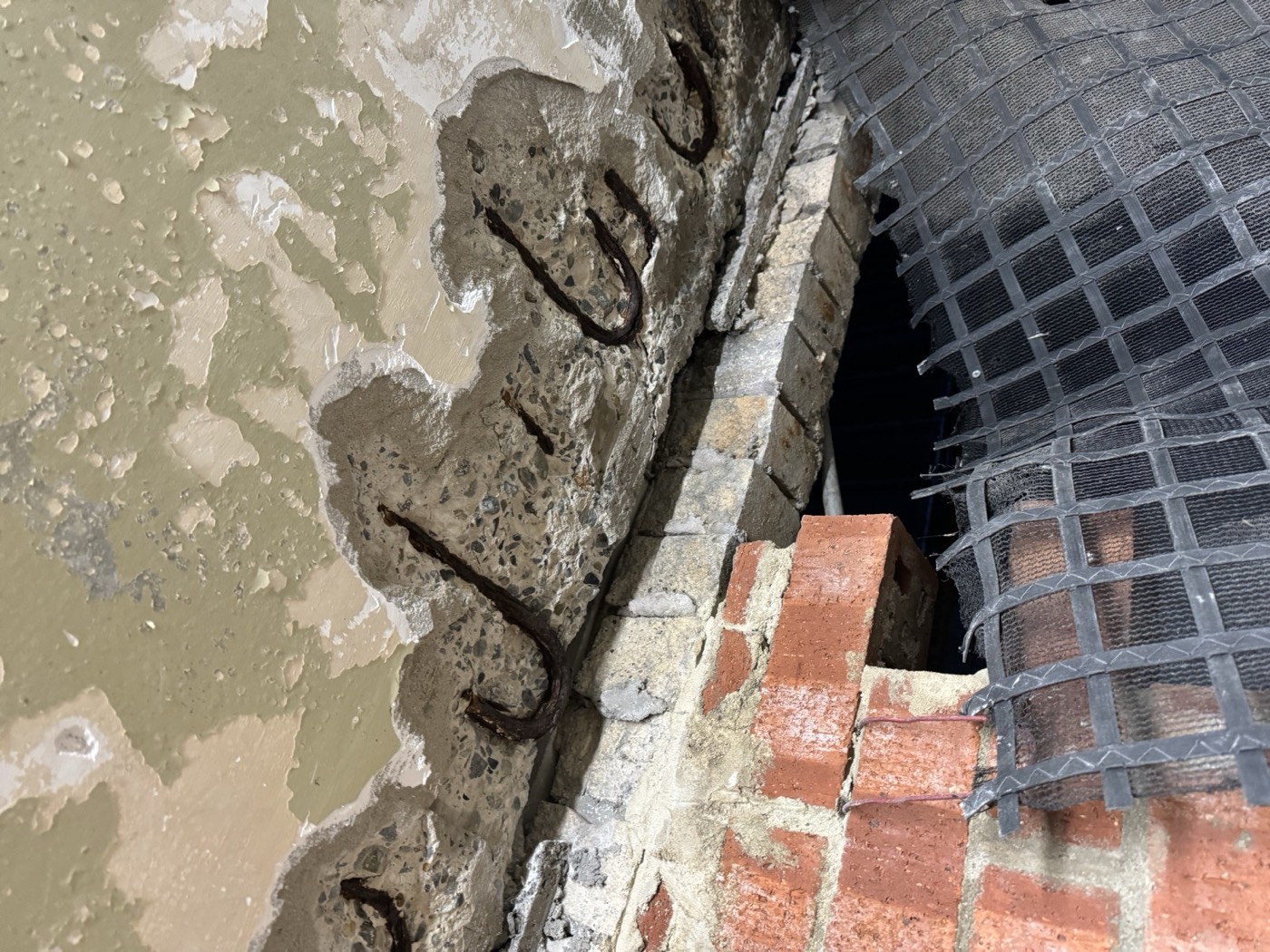
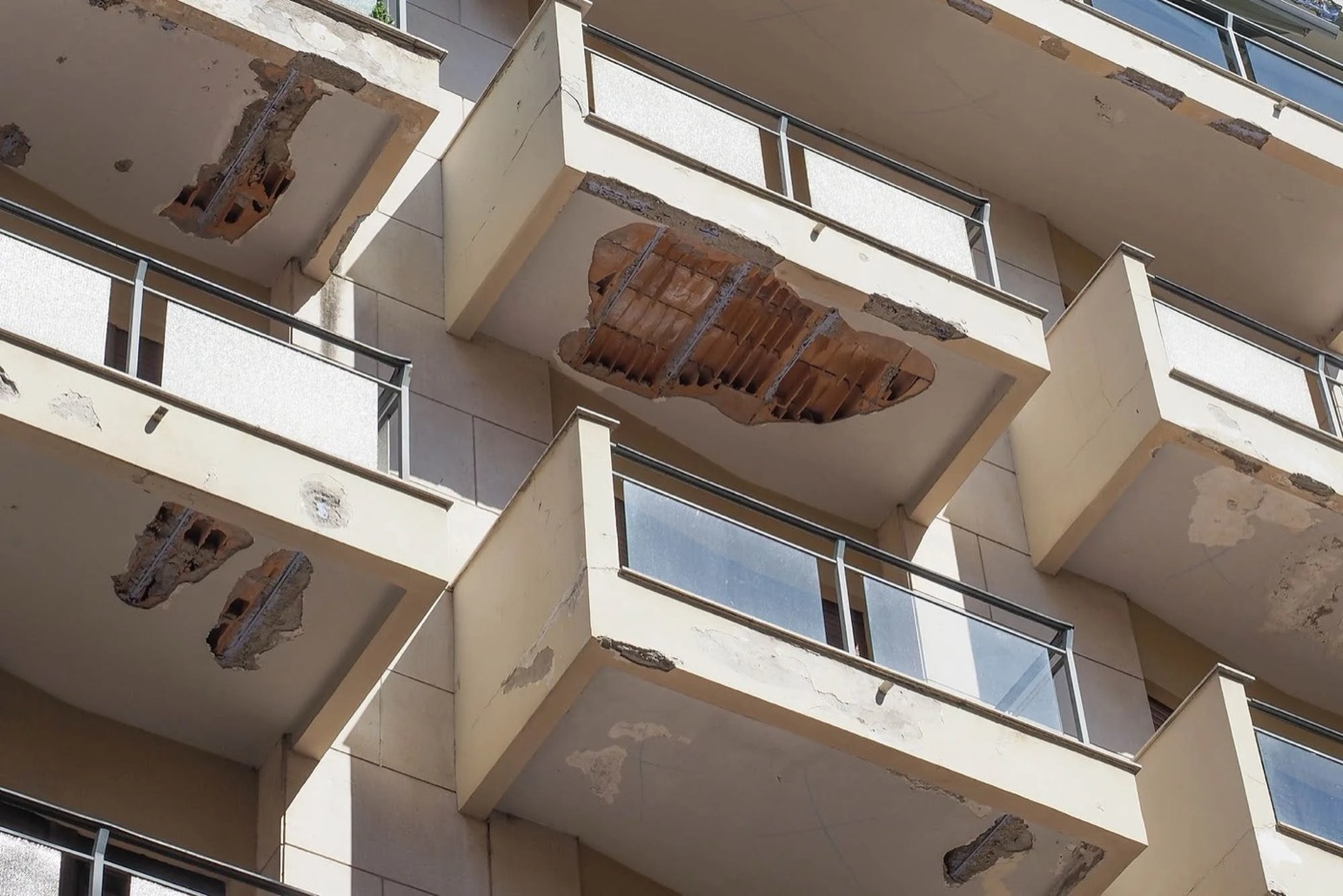
Damp walls and mould could come from several different problems, and each needs a different fix. Treating rising damp when you have a leaking pipe, or buying a dehumidifier for a failed balcony, wastes money. Here is a simple way to tell them apart.
The four main types
| Type | Where it shows | When it is worst |
|---|---|---|
| Condensation | Cold corners, ceilings, window frames, behind furniture | Cold mornings, winter, closed-up rooms |
| Rising damp | Low on walls, up to about a metre, with salt marks | Fairly constant, sometimes worse after wet spells |
| Penetrating damp | Walls exposed to the weather, around windows, balconies and roofs | During or after rain, particularly with wind |
| Plumbing leak | Near bathrooms, kitchens, laundries and pipes | Any time, regardless of weather |
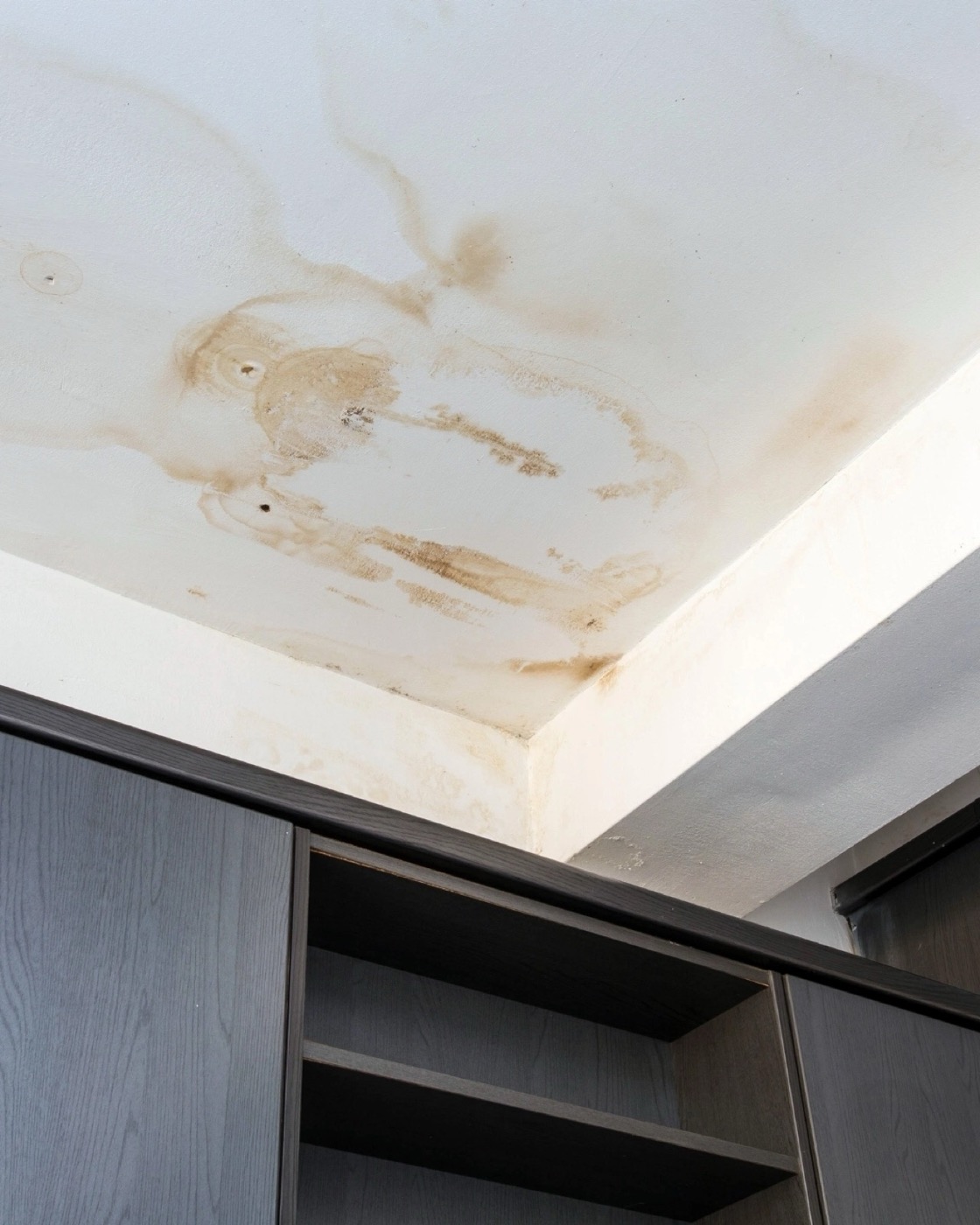
Simple checks at home
- Weather: does it change with rain? This points to a roof, wall or balcony.
- Height: a tide mark low on the wall with crumbling plaster and salt suggests rising damp.
- Mirror or foil test: tape foil to the damp spot for a day or two. Moisture on the room side suggests condensation, and moisture behind it suggests water from the wall.
- Water meter: turn off all taps. If the meter keeps moving, you may have a leak.
- Bathrooms: if the damp is next to a shower, see leaking showers.
The right fix for each
Condensation
Improve ventilation and exhaust fans vented outside, add insulation, and avoid drying clothes indoors with closed windows.
Rising damp
Remove bridges such as high garden beds and paving. Improve drainage and add a damp course or injection where needed. See treatment methods.
Penetrating damp
Fix the roof, gutters, flashings, windows, render or balcony. See water through brick walls.
Plumbing leak
Have a plumber find and fix the pipe, and then dry and repair the wall.
What about moisture meters?
Handheld meters are useful, but salts in walls can give misleading results. Treat them as one clue rather than a final answer. Be cautious with anyone who diagnoses rising damp on a meter alone, then offers an expensive treatment.
It can be more than one
Old homes can have several types of damp at once. That is why a full inspection is useful, particularly if a previous repair has not worked. See hidden water damage.
How the right diagnosis helps your home
You only pay for what is needed, get a lasting result and protect your health, your paint and your plaster. A dry home is also warmer and more comfortable to live in.
Damp inspections
We inspect homes and strata buildings across Sydney to find the real source. Call 0415 840 500 or book a free inspection.
Frequently asked questions
How do I know if it is condensation or rising damp?
Condensation usually shows on cold surfaces such as corners and ceilings, while rising damp shows low on walls with salt marks and crumbling plaster.
Can a dehumidifier fix rising damp?
It can reduce humidity, but it will not stop moisture coming up the wall. The cause still needs fixing.
How high does rising damp go?
Usually up to about a metre. Damp higher up is more likely to be from another source, such as a leak or rain getting in.