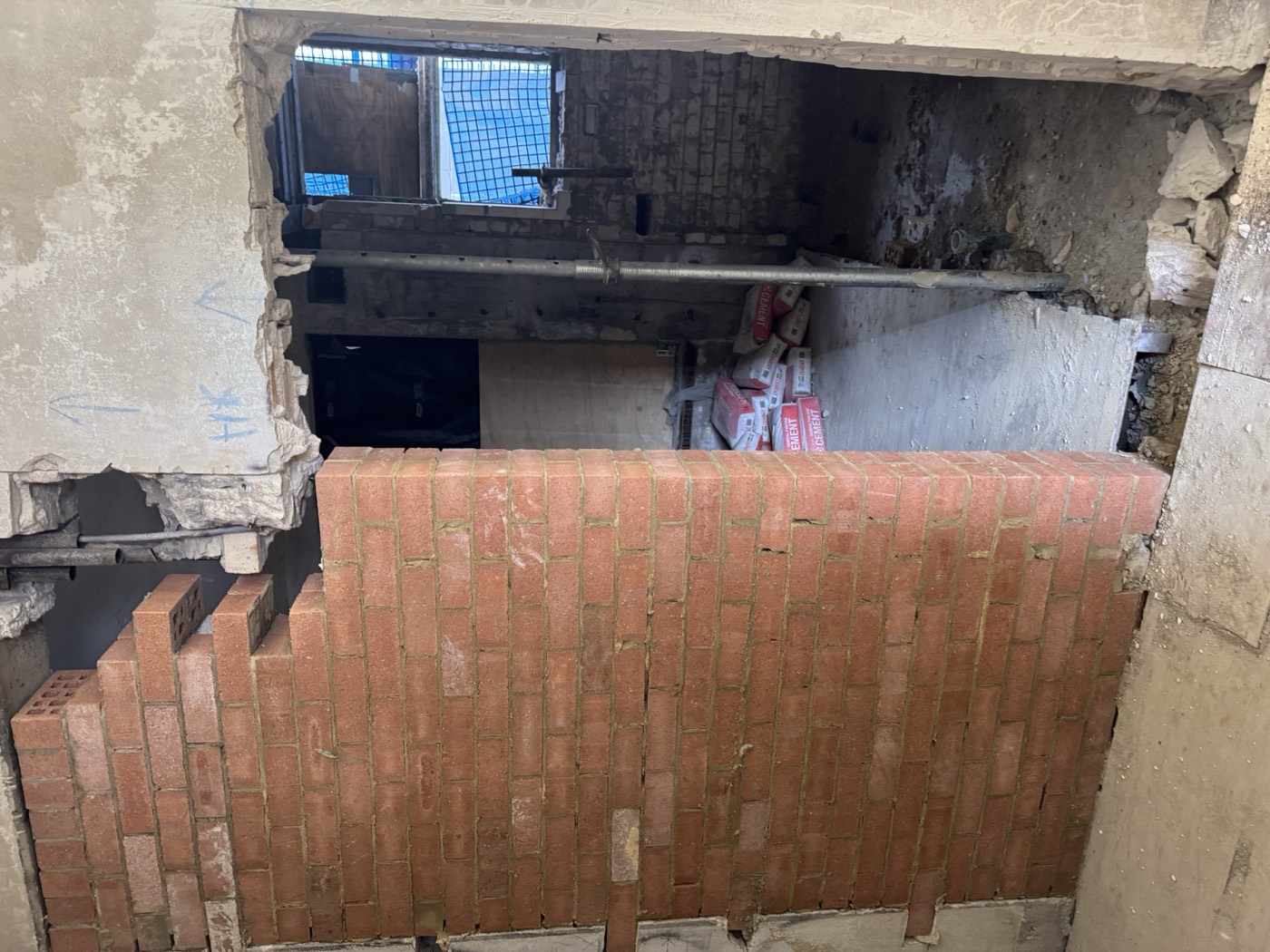
If your home smells musty and airing it out does not help for long, something is probably damp. The smell comes from mould and bacteria growing on damp materials, often in places you cannot see. Candles and sprays may cover it for a while, but the only real fix is to find the moisture and fix it.
Common causes
- Damp subfloor: poor drainage and ventilation under the house. This is one of the most common causes in older Sydney homes. See damp subfloors.
- Leaking showers: water getting into walls and floors around the bathroom. See leaking showers.
- Rising damp: moisture coming up walls, leaving a smell and salt damage. See rising damp treatments.
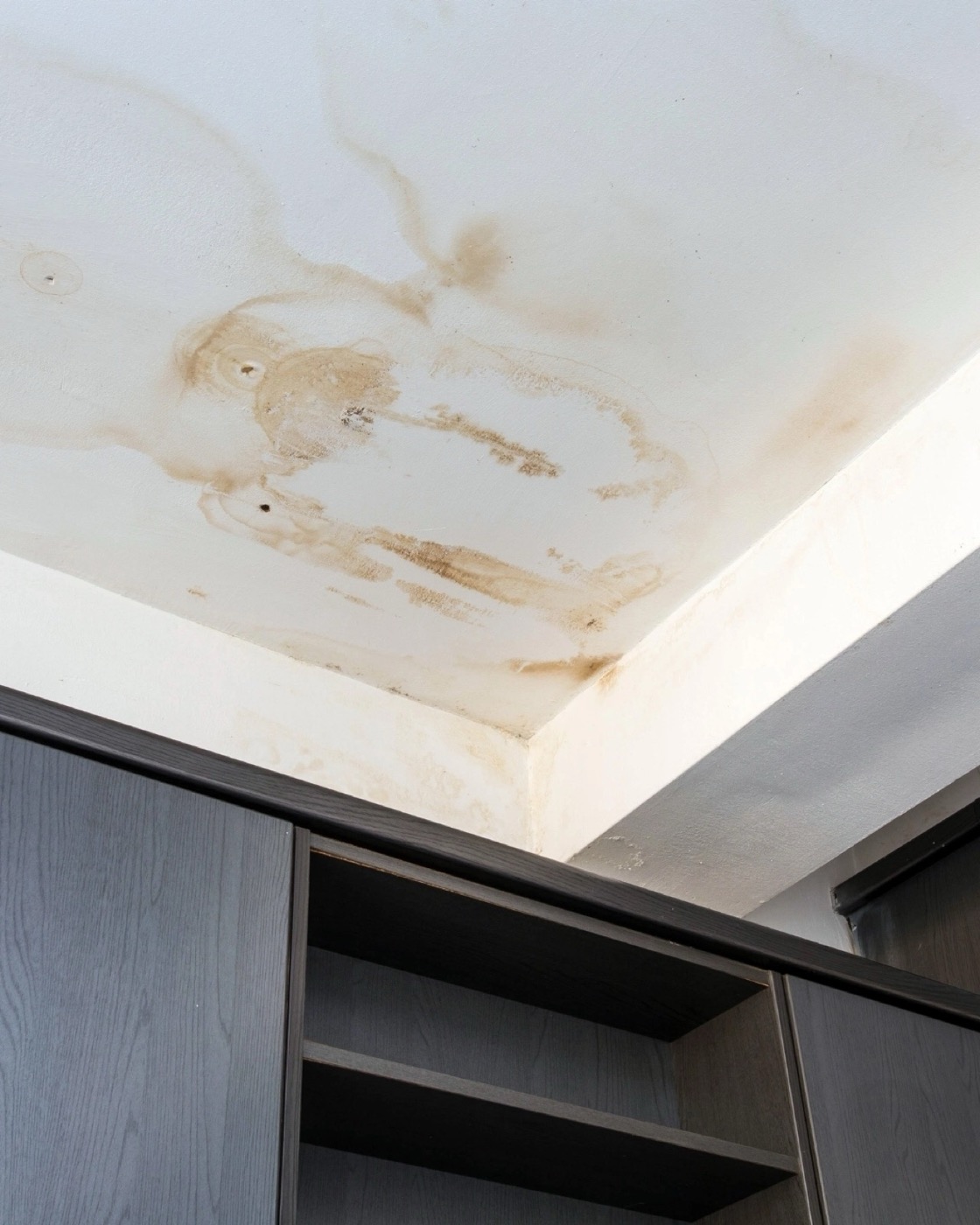
- Roof leaks: wet insulation and ceilings. See water damaged ceilings.
- Walls below ground: lower levels and garages cut into a slope. See garage under the house.
- Carpet and wardrobes: carpet on damp slabs, and wardrobes on cold, unventilated outside walls.
- Air conditioning: dirty units or blocked drains.
- Poor ventilation: bathrooms and laundries without working exhaust fans.
How to track it down
- Follow your nose. Note which room is worst, and whether it is worse in the morning or after rain.
- Look low and high. Check skirting boards, wall bases, ceiling corners and the back of wardrobes.
- Pull back carpet at a corner to check the underlay and floor.
- Look under the house if you can safely do so, for damp soil, puddles or dripping pipes. Watch out for hazards and asbestos.
- Check after rain. Smells that get worse after rain point to leaks or ground water.
- Check your water meter. With all taps off, if the meter moves you may have a hidden leak.
When to call for help
- The smell keeps coming back.
- You can see mould spreading, or staining on walls or ceilings.
- Floors feel soft or springy.
- You suspect a leak but can't find it.
- Someone in the home has allergies, asthma or other symptoms. Speak to your GP as well.
What fixes it for good
- Stop the moisture: repair leaks, drainage or damp.
- Dry and ventilate: subfloor vents or fans and working exhaust fans.
- Remove what can't be saved: damp underlay, insulation or plaster.
- Clean and treat: remove mould properly. See removal vs remediation.
How fixing it helps your home
A dry house smells better and feels better. It's healthier to live in, protects timber and plaster, and makes a better impression on buyers. Musty smells are one of the first things people notice at an open home. See repairs before selling.
Find the source
We inspect homes across Sydney to find the source of damp and mould, then repair the building. See our mould remediation service. Call 0415 840 500 or book a free inspection.
Frequently asked questions
Why does my house smell musty when it is clean?
Usually because moisture is feeding mould or bacteria somewhere hidden, like under floors, behind walls or in wet insulation.
How do I get rid of a musty smell for good?
Find and fix the moisture source, dry the area, improve ventilation and remove any materials that can't be saved. Air fresheners only cover it up.
Does a musty smell always mean mould?
Not always, but it usually means damp materials and often mould. It is worth checking, particularly if it is persistent.