Those small gaps in the mortar near the bottom of a brick wall are weep holes. It is easy to think they are a mistake, and many owners block them with paths, render or garden beds. But they are part of how the wall keeps your home dry.
What weep holes do
A cavity brick or brick veneer wall has a gap behind the outer skin. Some rain soaks through the outer bricks. It runs down the back of the brickwork, hits a flashing and leaves through the weep holes. They also help the cavity to dry out.
Where you will find them
- Just above ground or slab level.
- Above window and door heads.
- Above roofs where a wall continues upward.
- Above lintels, where steel supports brick.
Older solid walls, common in many terraces in Glebe and Balmain, often have no cavity or weep holes, and rely on a different approach to manage moisture.
What happens when they get blocked
- Water builds up in the cavity and can get inside.
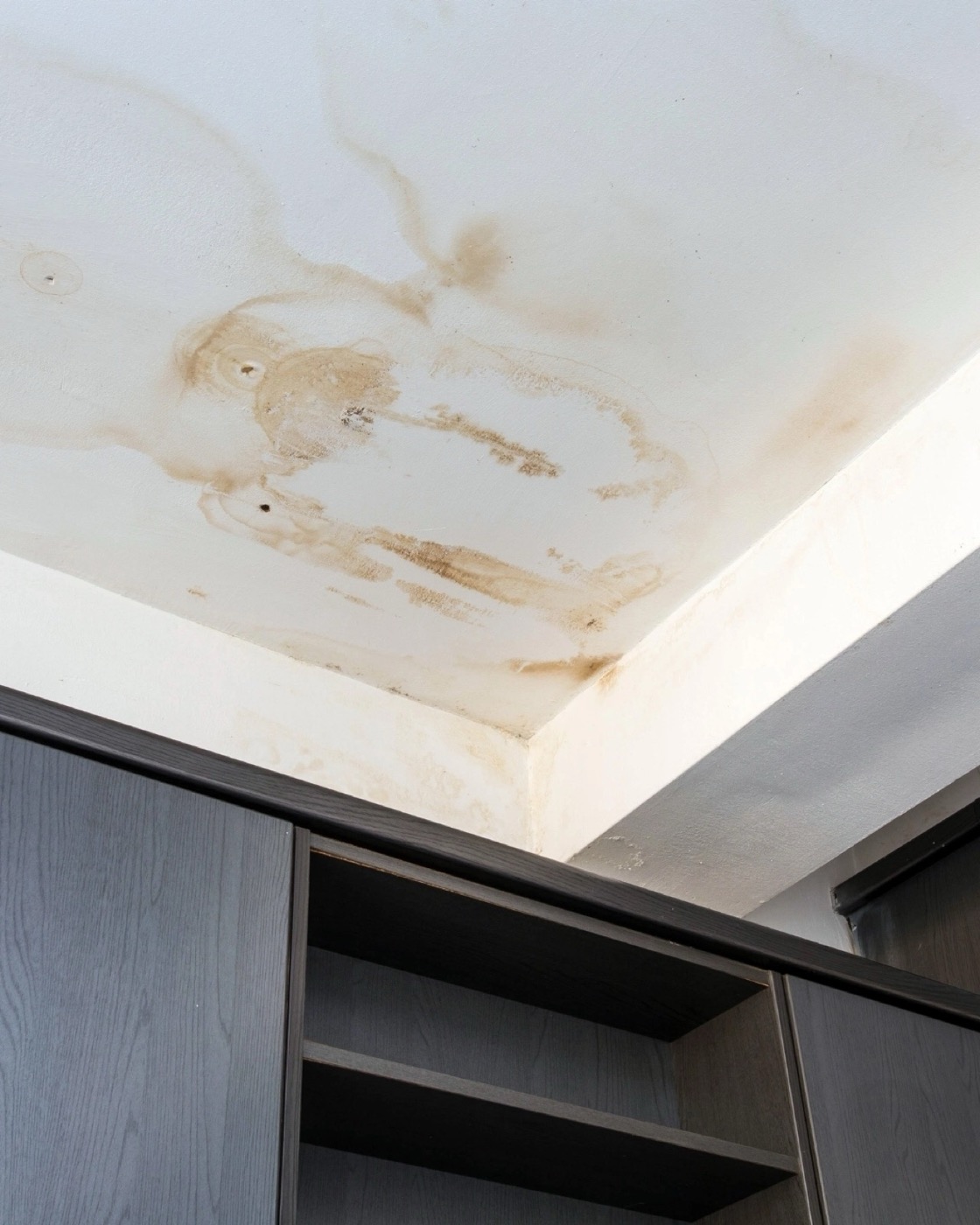
- Damp marks, peeling paint and mould on inside walls.
- Rot in timber frames and skirtings.
- Rusting lintels and wall ties. See wall ties.
- Efflorescence on the bricks. See efflorescence.
Common causes of blockages
- Paths, driveways and pavers laid too high.
- Garden beds and soil piled up against walls.
- Render or paint over the holes.
- Mortar droppings inside the cavity.
- Mesh, foam or sealant added to keep pests out.
How to fix them
- Clear the holes: remove debris gently, without pushing it further in.
- Lower ground levels: remove soil and garden beds from walls, and keep ground below the damp course.
- Fix high paving: cut back paving or add a drain next to the wall.
- Add or repair: in some cases, new weep holes can be formed by removing small sections of mortar.
- Check inside: repair flashings and damp courses as needed.
Can you cover weep holes to stop pests?
Do not seal them. Use purpose-made vented weep hole covers or fine stainless mesh that keeps pests out and lets water drain. Check they do not block the flow, and mention any termite system to your pest inspector.
How it helps your home
This small fix can help keep walls dry, protect frames and steel, reduce mould and avoid expensive repairs. It costs far less than fixing the damage later on. See hidden water damage.
Damp walls?
We check weep holes, flashings, drainage and damp courses as part of our damp inspections. Call 0415 840 500 or book a free inspection.
Frequently asked questions
Do weep holes need to be kept clear?
Yes. They let water out of the wall cavity. Blocking them can lead to damp, rot and rust.
Can I fill in weep holes?
No. Use vented covers if you want to keep pests out, but do not seal them.
Can a path block my weep holes?
Yes, this is common. A path or garden bed that is too high can block them and bridge the damp course. Lower it, or add a drain next to the wall.