Mould complaints are common for landlords and property managers, particularly in Sydney's damp winters and after heavy rain. Ignoring them or just telling tenants to open a window can lead to bigger repair bills and disputes. A simple, fair process works better.
This is general information, not legal advice. NSW Fair Trading has current information about rental rights and responsibilities.
Who is responsible?
In broad terms, NSW landlords must provide premises that are fit to live in, and keep them in reasonable repair. Tenants must keep the premises reasonably clean and promptly report damage or problems. Where the mould comes from a building issue such as a leak or rising damp, the repair is generally the landlord's to deal with. If it is an apartment, the owners corporation may be responsible when the cause is common property. See mould in apartments.
Building problem or lifestyle problem?
| Points to a building problem | Points to condensation and airflow |
|---|---|
| Staining or dampness low on walls | Mould on cold corners and behind furniture |
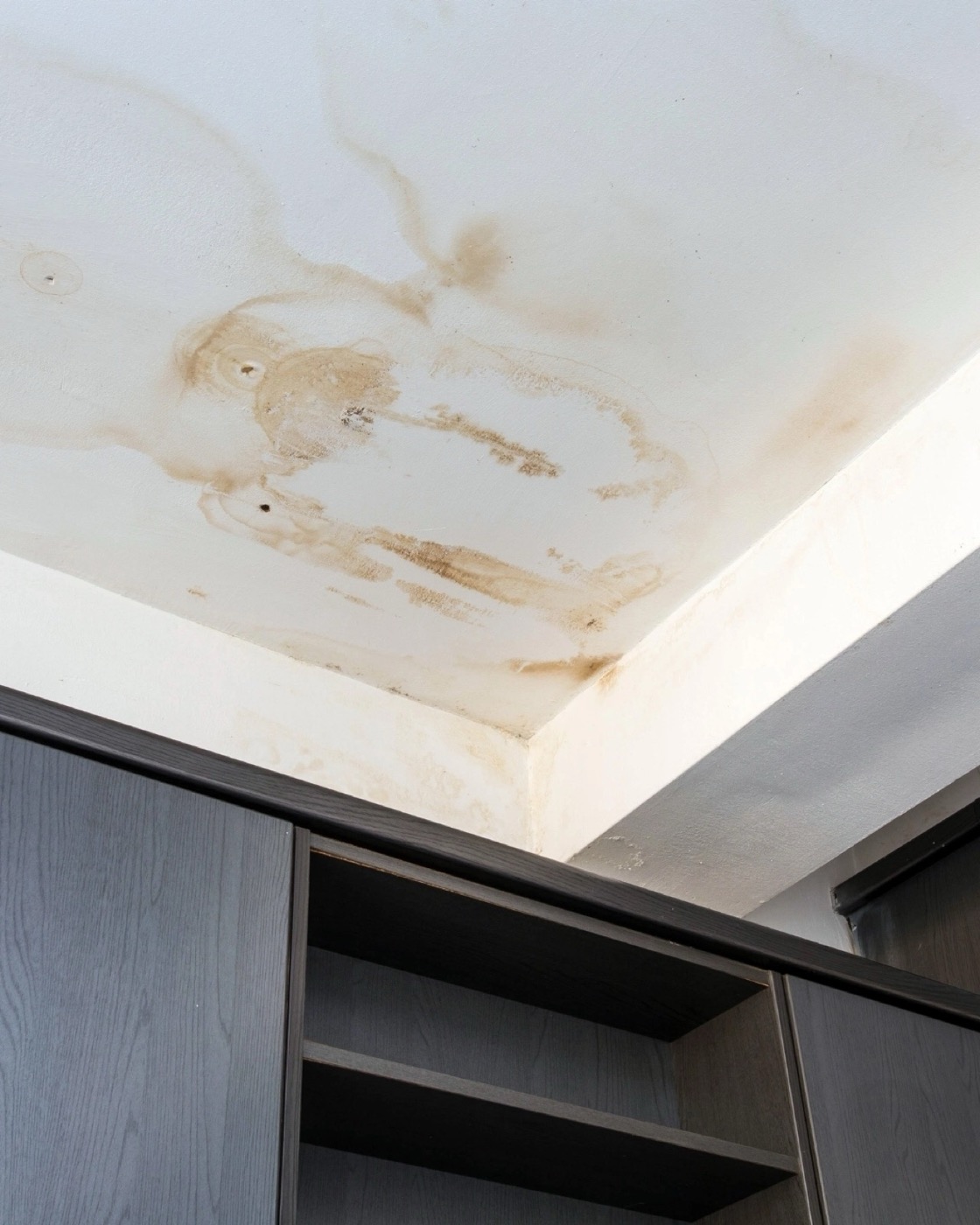
| Water stains on ceilings | Condensation on windows in the morning |
| Comes back quickly after cleaning | Worse in winter with windows closed |
| Near a bathroom, balcony or roof | Worse in a room with clothes drying |
Many cases are a mix, such as a bathroom with no working exhaust fan. A landlord must usually fix a fan that does not work, even if the tenant is also asked to use it.
What to do when a tenant reports mould
- Respond quickly, in writing, and ask for photos.
- Inspect, with proper notice to the tenant.
- Identify the source, including leaks, ventilation, drainage and roof.
- Fix the cause. See is mould a building problem?
- Clean or remove affected materials. See removal vs remediation.
- Keep records of photos, reports and invoices.
Common repairs that solve it
- Fixing leaks in showers, roofs, gutters and balconies.
- Installing or repairing exhaust fans, ducted to outside.
- Fixing rising damp, drainage and damp subfloors.
- Improving ventilation and insulation.
How repairs help landlords
Fixing the cause means fewer complaints and less risk of disputes, keeps good tenants and protects your asset. It also helps the property present better when re-leasing or selling. See does remedial work add value?
Advice for tenants
Report mould early and in writing. Use exhaust fans and open windows when you can, and don't paint over it. If you can't reach agreement, NSW Fair Trading can help. Talk to your GP if you have any health concerns.
Help for landlords and agents
We can inspect rental properties, find the source and fix it, with a written report for your records. See our mould remediation service. Call 0415 840 500 or book a free inspection.
Frequently asked questions
Is the landlord responsible for mould in NSW?
If it comes from a building problem such as a leak, damp or a broken fan, usually yes. Tenants also have responsibilities such as using ventilation and reporting problems. NSW Fair Trading has more information.
Who pays for mould in a strata rental?
If the cause is common property such as a leaking balcony, the owners corporation may have to fix the cause. The landlord remains the tenant's first contact.
Can a landlord just paint over mould?
That will not fix it. The moisture source needs to be fixed and affected materials cleaned or replaced, or the mould will come back.