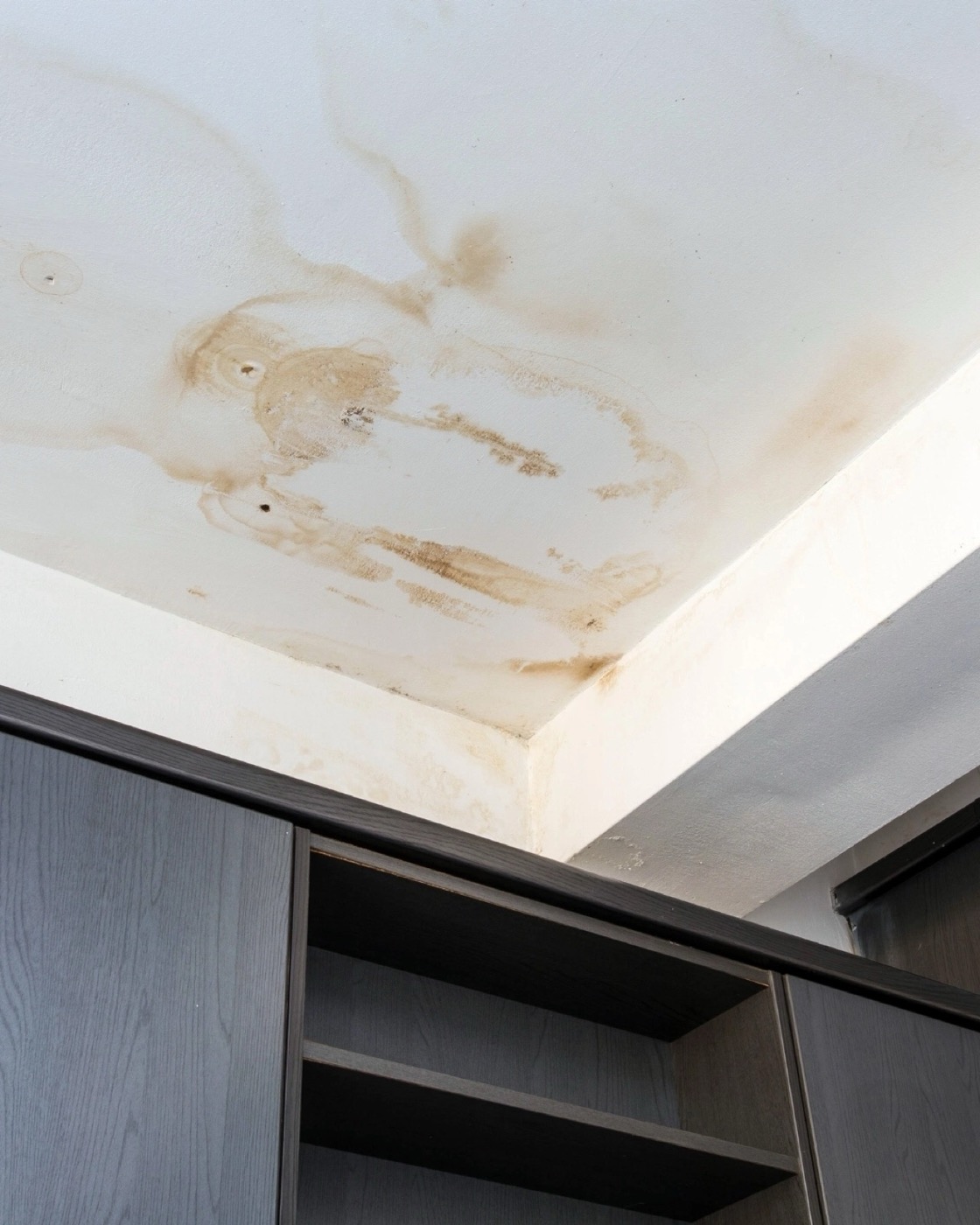
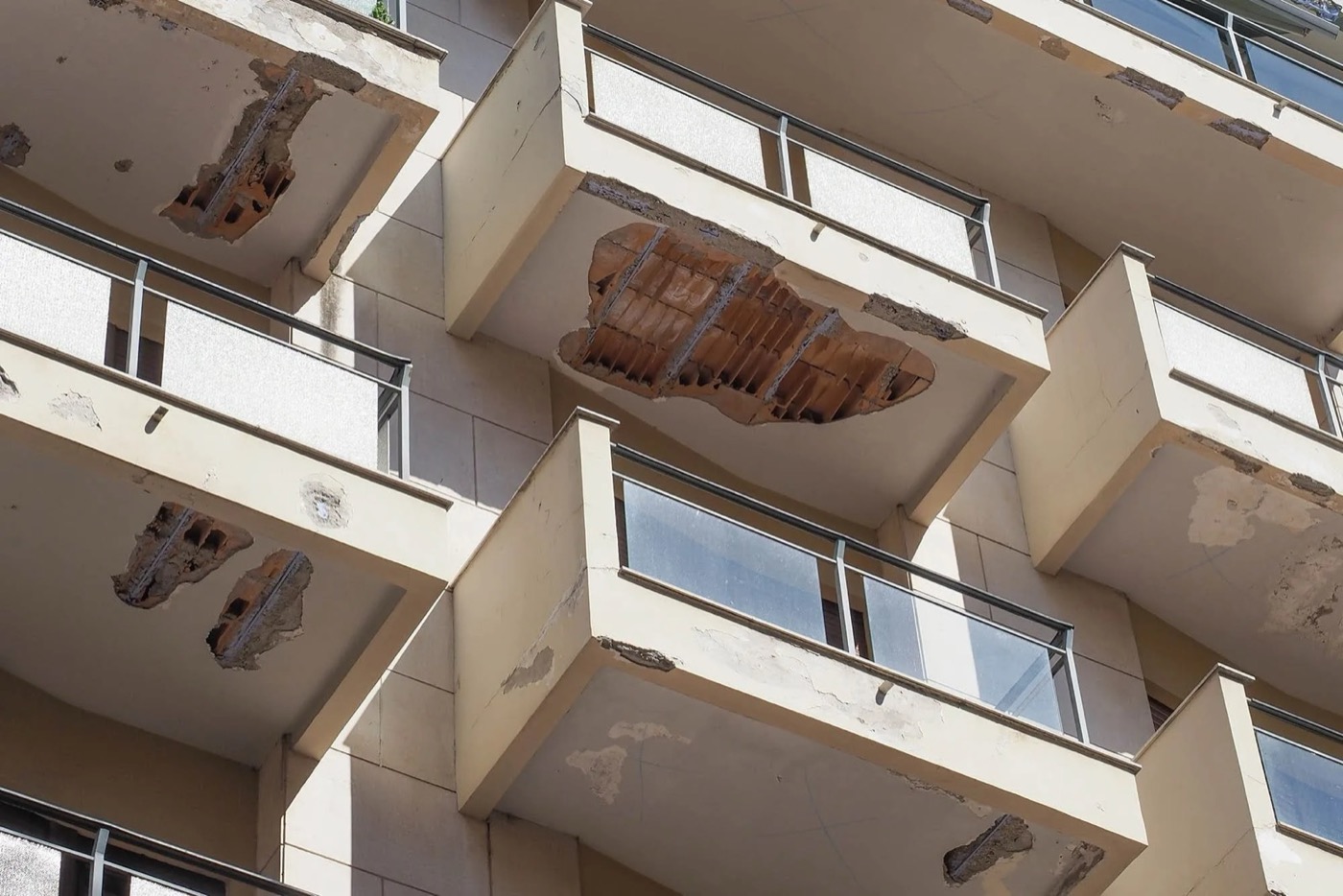
Mould needs moisture to grow. If you clean it off and it keeps coming back in the same place, the problem is not the mould, it is the water feeding it. In many Sydney homes and apartments that water is coming from the building itself.
This article covers the building side of mould. If you are worried about health effects, speak to your GP.
Common building causes of mould
- Leaking balconies and roofs: water tracking into ceilings and walls below.
- Failed bathroom waterproofing: leaks behind tiles into adjoining walls, floors and rooms.
- Rising damp: ground moisture climbing the lower walls of older homes and terraces.
- Penetrating damp: rain getting through cracked render, failed flashings, sills or gutters.
- Basement and retaining wall seepage: water coming through walls built against the ground.
- Condensation: warm moist air meeting cold surfaces, made worse by poor ventilation and unvented bathrooms or kitchens.
- Blocked sub-floor ventilation: damp under the house rising into floors and walls.
How to tell where the moisture is coming from
- Low on walls, in a band: often rising damp.
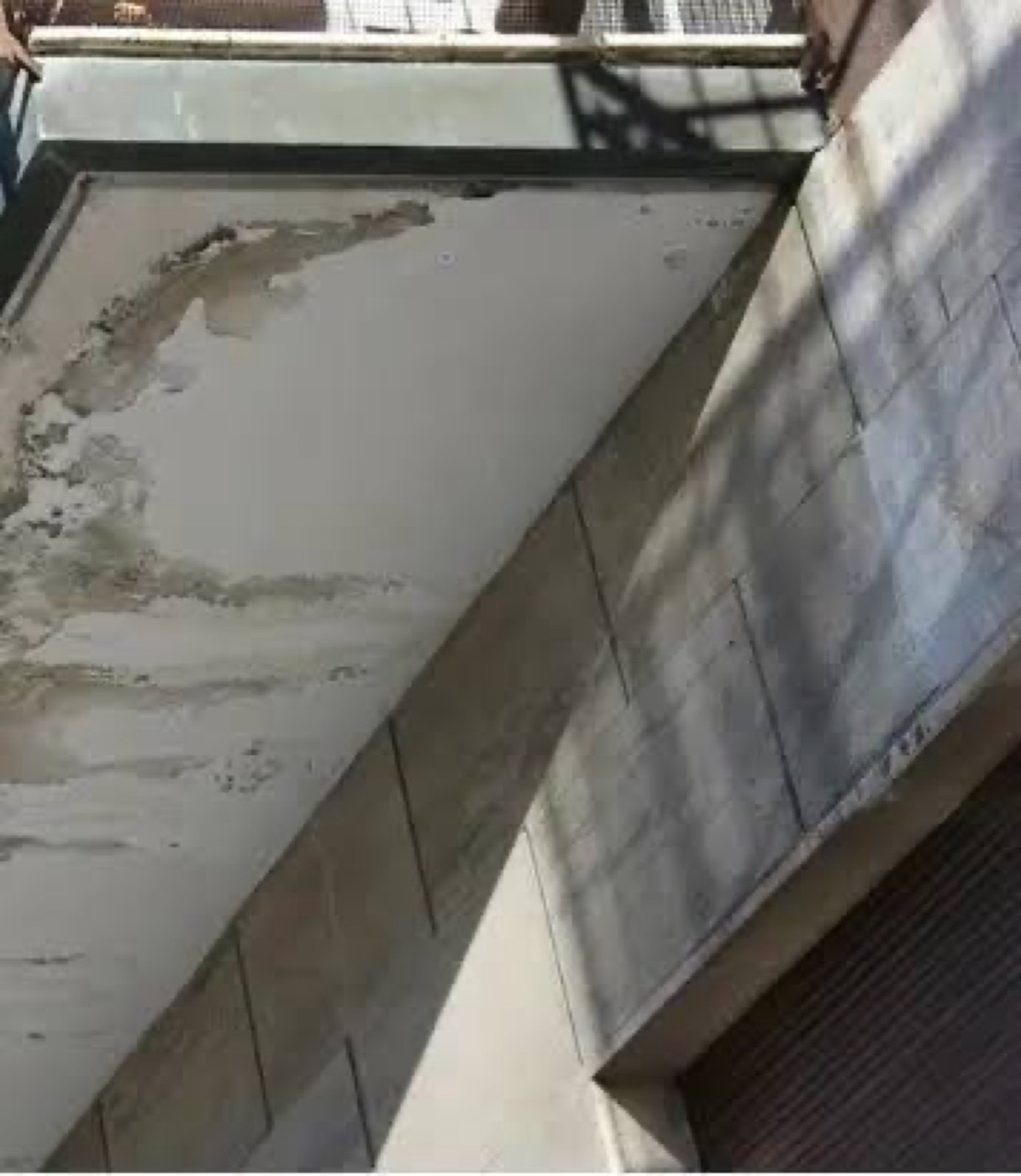
- Below a balcony, bathroom or roof: likely a leak from above.
- After rain: penetrating damp or a leak in the building envelope.
- On cold external walls, windows and corners, worse in winter: often condensation.
- Next to a wet area: a shower or bath waterproofing failure.
Moisture readings and a proper inspection confirm the source. Treating condensation with waterproofing, or a leak with a dehumidifier, will not fix the problem.
How to fix mould for good
- Find the moisture source with an inspection and moisture readings.
- Fix the building defect: repair the leak, re-waterproof, treat rising damp or improve ventilation.
- Remove damaged materials: plasterboard, render and timber that have been wet for a long time often need replacing, not just cleaning.
- Let the structure dry before closing up and finishing.
- Prevent it returning with ventilation, drainage and maintenance.
Mould in apartments and rentals
In strata buildings, mould caused by leaks through common property, such as balconies, roofs or external walls, is usually the owners corporation's responsibility to fix. Tenants should report it to their landlord or agent, and owners should raise it with the strata manager so the source can be investigated.
Fix the cause, not just the stain
We find where the water is coming from and fix it properly. See our waterproofing service or rising damp treatment, or send us photos and tell us where the mould appears.