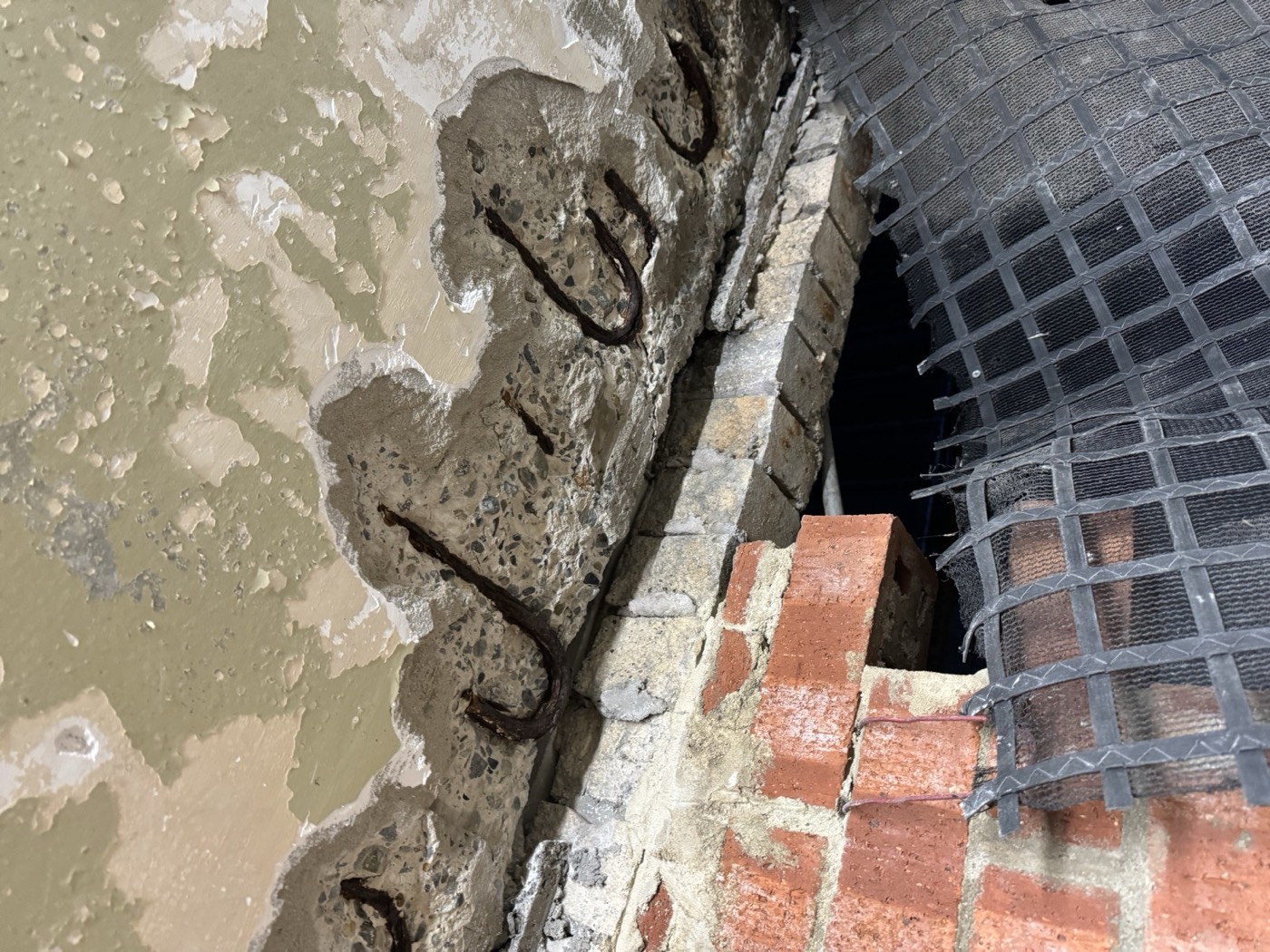
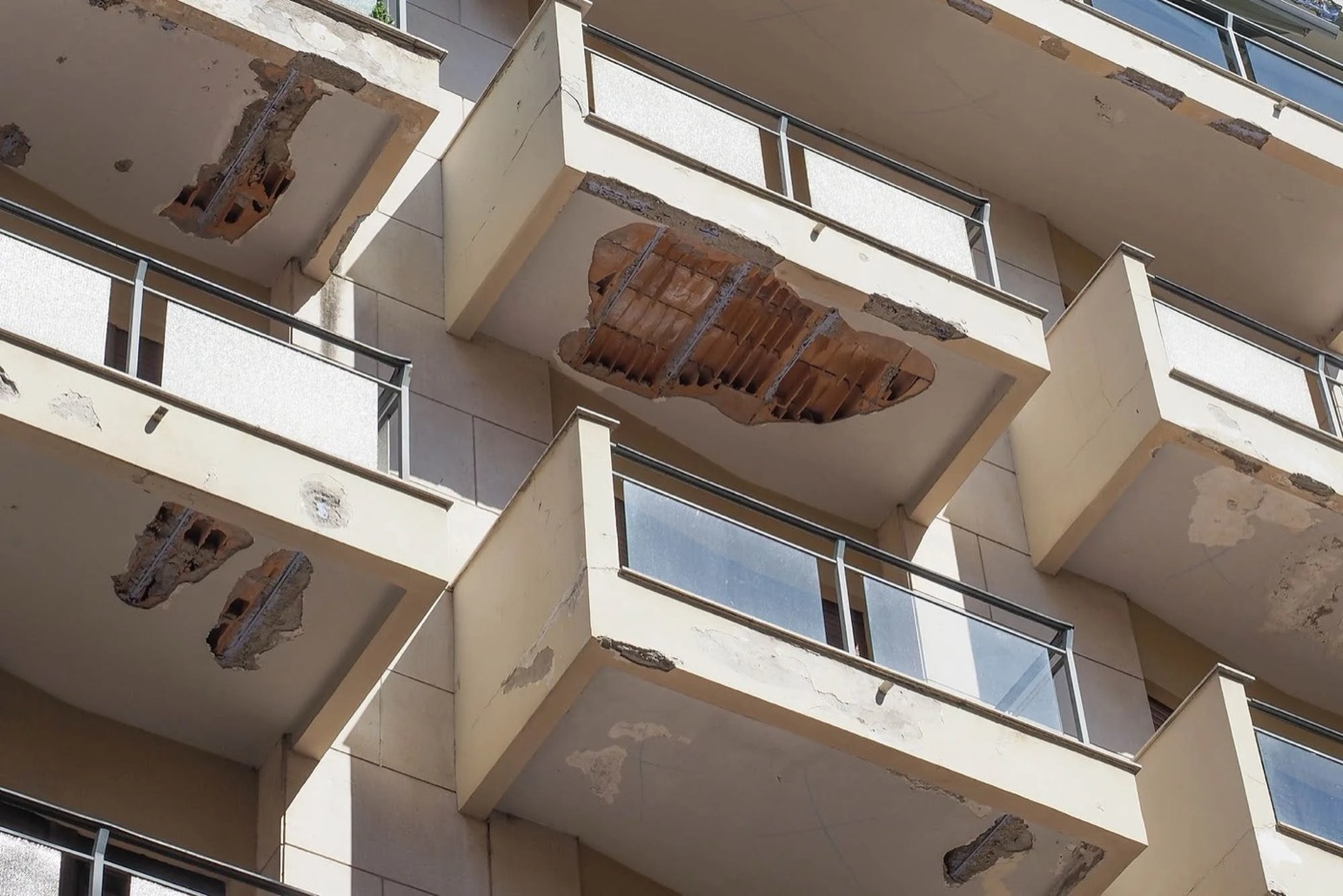
White powdery or crystalline deposits on bricks, render, pavers or concrete are called efflorescence. They are salts carried to the surface by water, and they are a useful clue about moisture in the wall or slab.
What causes efflorescence
Bricks, mortar, concrete and soil all contain soluble salts. When water moves through the material, it dissolves the salts and carries them to the surface. The water evaporates and leaves the salts behind as white deposits.
New building bloom
New brickwork and concrete often show efflorescence in the first months as construction moisture dries out. This usually reduces over time and is mostly cosmetic.
When it signals a bigger problem
- Ongoing or worsening efflorescence means water keeps getting in.
- At the base of walls, it often points to rising damp.
- Below balconies and planters, it points to failed waterproofing.
- With crumbling bricks, salts are damaging the masonry. See brick fretting.
How to remove efflorescence
- Dry brush first with a stiff brush once the surface is dry.
- Avoid soaking with water, which dissolves more salt and brings it back.
- Specialist cleaners can remove stubborn deposits, but acid cleaners must be used carefully, as they can damage mortar, coloured concrete and some bricks.
How to stop it coming back
- Fix the water source: leaks, failed waterproofing, poor drainage or rising damp.
- Keep garden beds and paving below damp courses.
- Make sure gutters and downpipes discharge away from walls.
- Only seal once the source is fixed and the material has dried, or salts can be trapped behind the sealer.
Moisture problems fixed at the source
If efflorescence keeps returning, the wall is telling you something. See our brickwork repair service or send us photos.
Frequently asked questions
Is efflorescence harmful?
The deposit itself is mostly cosmetic, but ongoing efflorescence means water is moving through the material, which can lead to damp and salt damage.
How do you remove white powder from bricks?
Dry brush it off first. Avoid soaking with water. Stubborn deposits may need a specialist cleaner used carefully.
Will efflorescence go away by itself?
New building bloom often does as materials dry. If it keeps returning, there is an ongoing water source to fix.