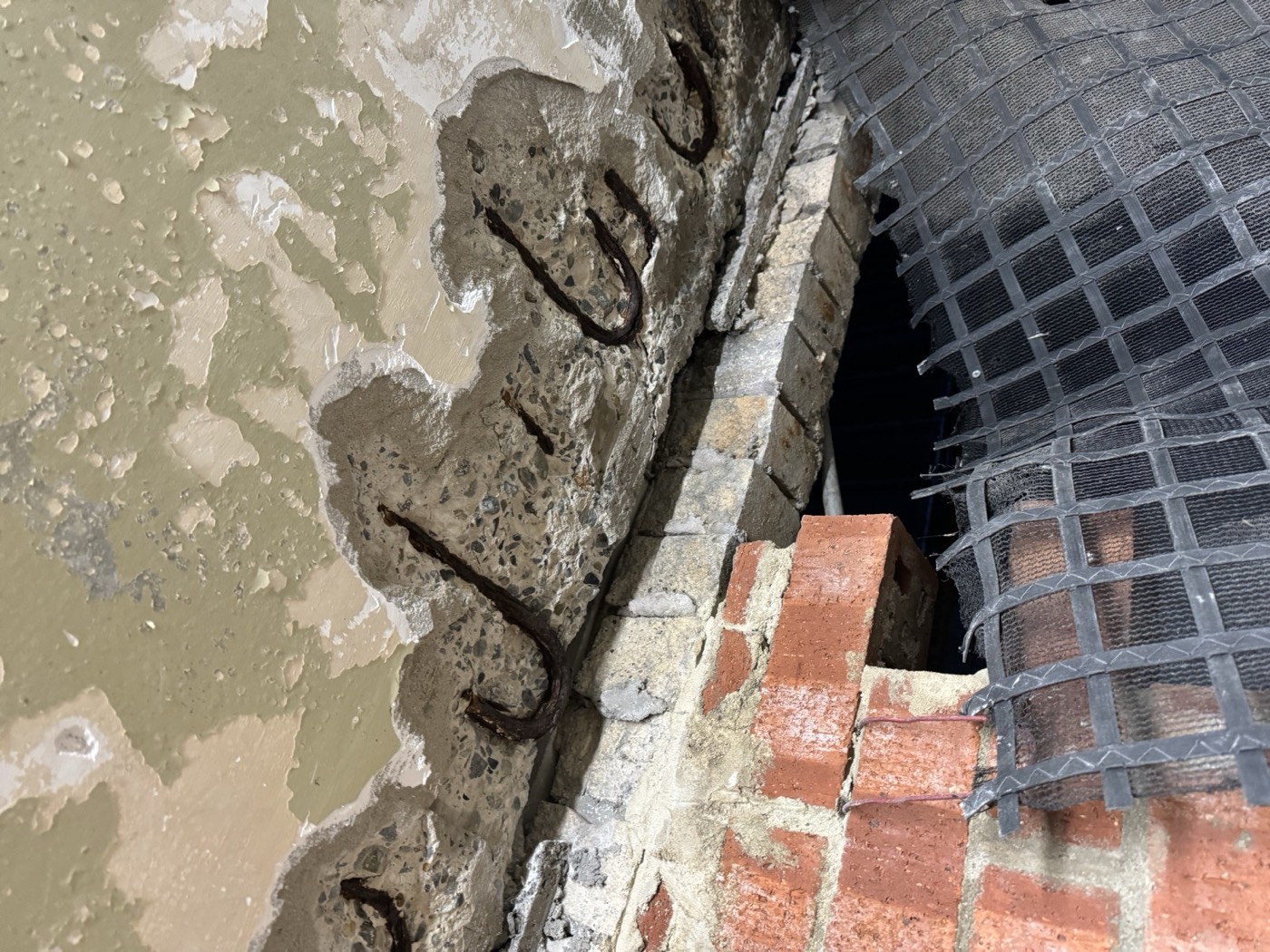
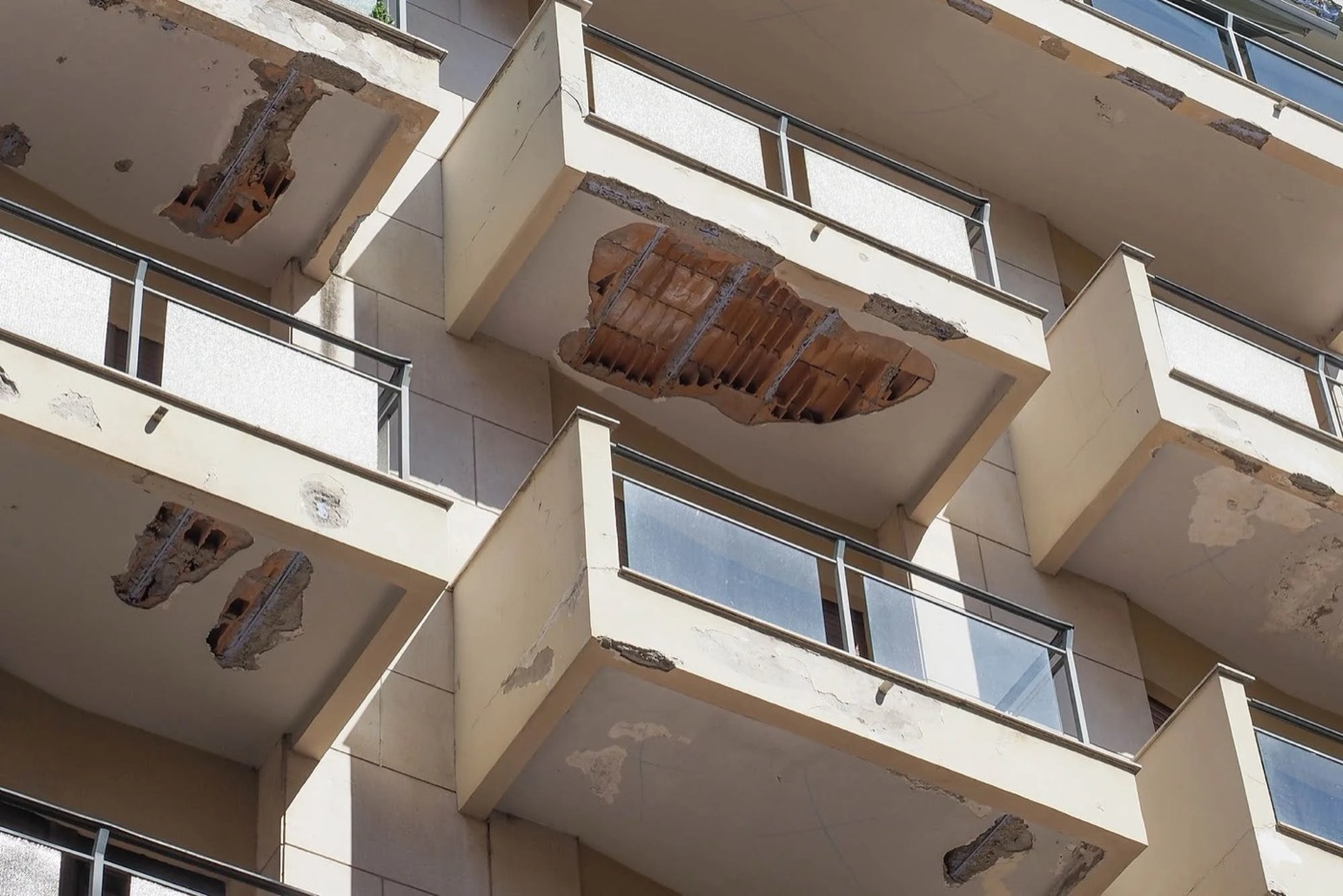
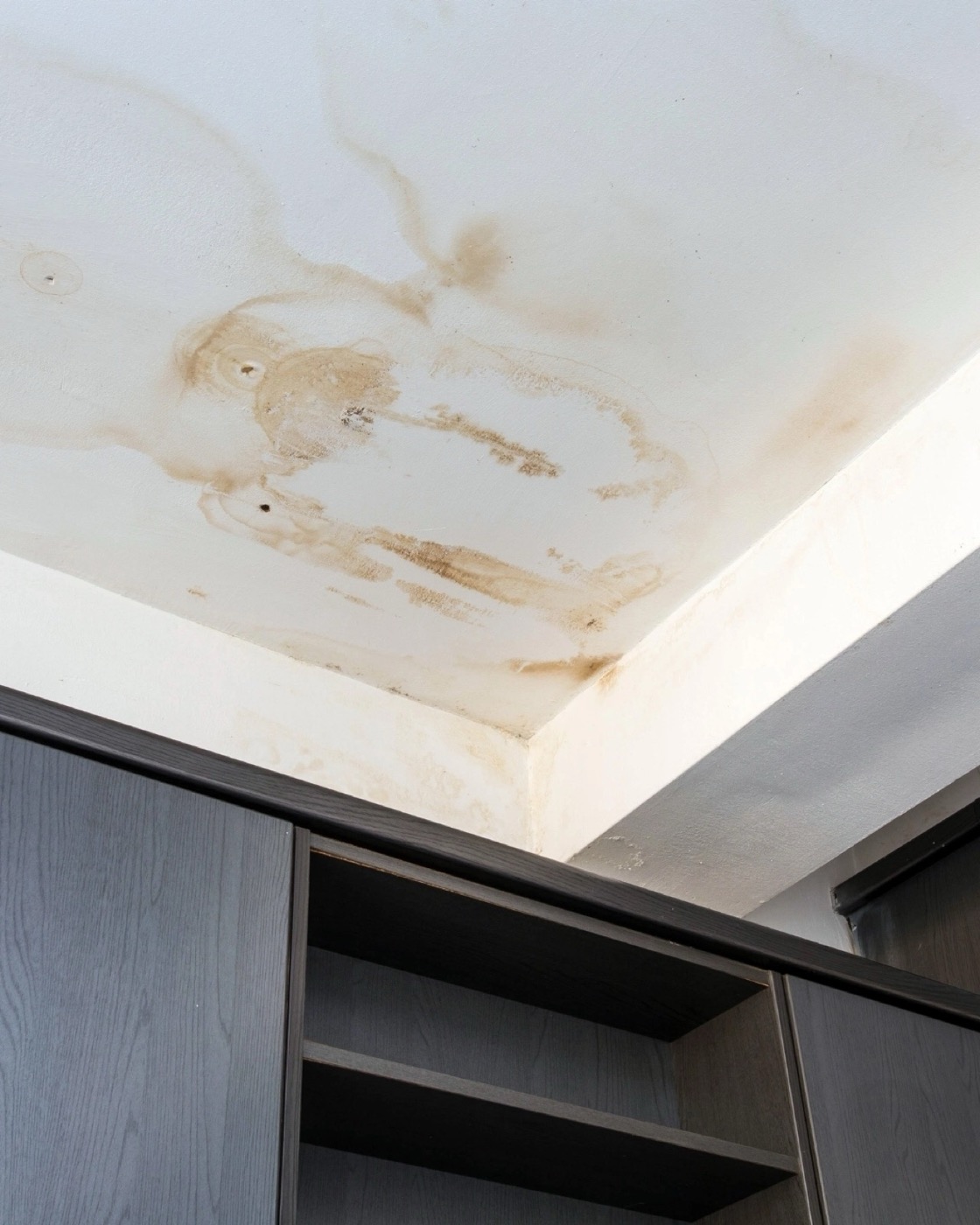
A brown stain, bubbling paint or a sagging patch on the ceiling means water has been getting in, sometimes for a long time. Painting over it only hides the evidence.
Signs of a water damaged ceiling
- Yellow or brown rings and stains.
- Bubbling, peeling or flaking paint.
- Soft, swollen or sagging plasterboard.
- Cracks along joints with staining.
- Mould spots or a musty smell.
Where the water comes from
- Roof leaks, cracked tiles and failed flashings.
- Box gutters and blocked downpipes.
- Balconies and bathrooms above. See balcony leak detection and leaking showers.
- Plumbing leaks in the ceiling space.
- Condensation from unvented exhaust fans or poor insulation.
Safety first
A sagging ceiling can be holding water and may collapse. Keep people out of the room and switch off nearby lights at the switchboard if water is near fittings.
Repair or replace?
- Stain only, plasterboard firm: once the leak is fixed and the area dry, seal with a stain-blocking primer and repaint.
- Soft, swollen or sagging board: cut out and replace the damaged section.
- Mould inside the ceiling: remove affected material. See mould remediation.
Insurance
Sudden events such as storms or burst pipes may be covered by insurance, but gradual leaks often are not. Photograph everything and contact your insurer or strata manager early.
Fix the leak first
We find the leak, fix the cause, and then repair the ceiling. See our waterproofing service or call 0415 840 500.
Frequently asked questions
Can a water damaged ceiling be repaired?
Yes. Stained but firm plasterboard can be sealed and repainted once dry. Soft or sagging sections need replacing.
Is a water stained ceiling dangerous?
A sagging, wet ceiling can collapse, and ongoing moisture can lead to mould. Get it assessed.
Should I paint over a ceiling water stain?
Only after the leak is fixed and the area is dry, using a stain-blocking primer.