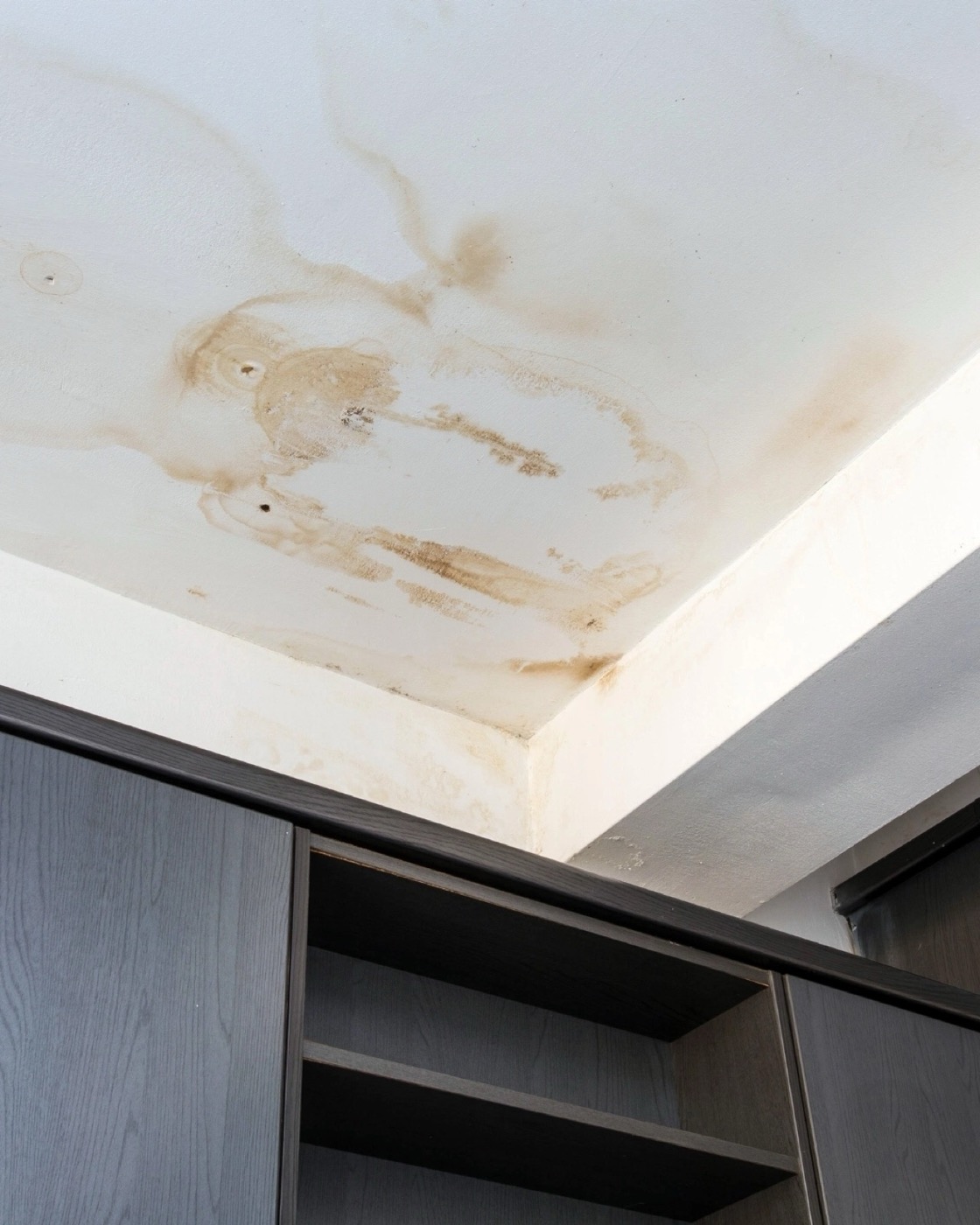
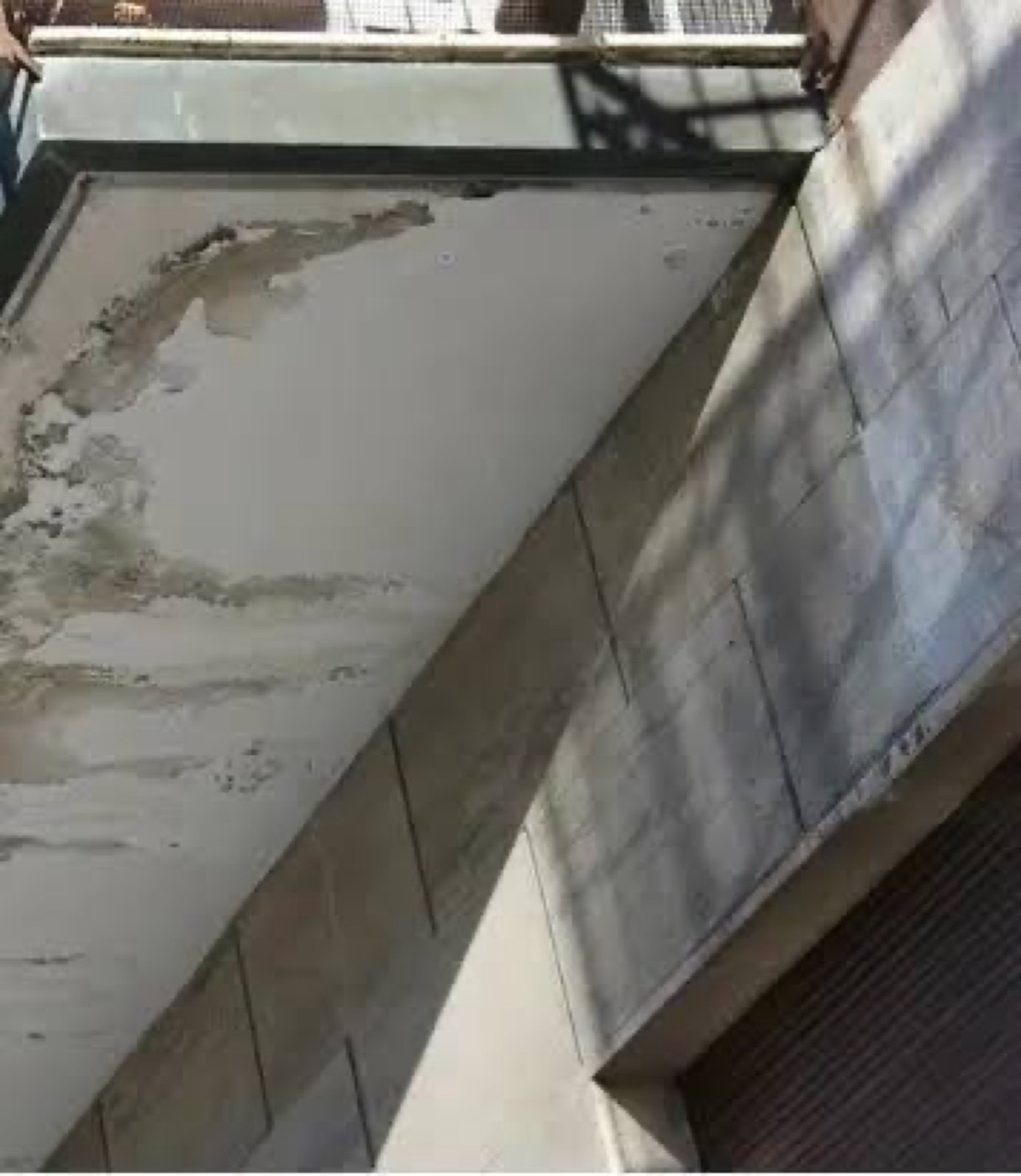
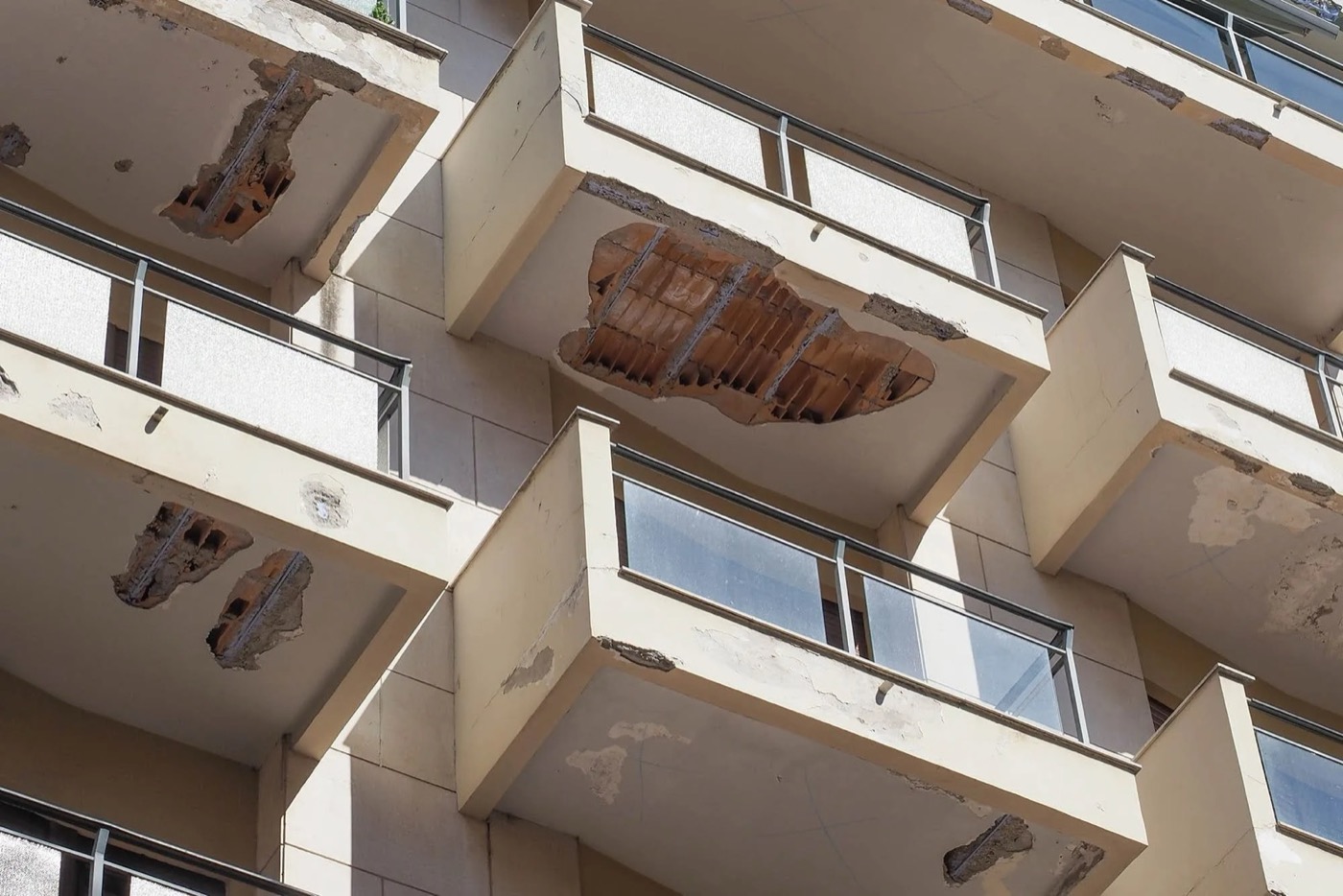
A white tide mark along the bottom of the walls, paint that bubbles and flakes, and render that turns to powder. If you live in one of Sydney's older terraces or brick and sandstone homes, there is a good chance you have seen rising damp. Here is what causes it and how it is fixed.
What is rising damp?
Rising damp is moisture from the ground drawn up through masonry by capillary action. Brick, sandstone and mortar are porous, so without a barrier they wick water upwards like a sponge. That barrier is the damp proof course (DPC), a layer near the base of the wall. When the DPC fails, is bridged or was never installed, moisture climbs the wall, typically up to about a metre.
Why it is so common in Sydney
- Old DPCs: many Victorian and Federation homes used slate or bitumen DPCs that have deteriorated after a century or more.
- Bridging: paving, garden beds, render or paths built up over the DPC line give moisture a way around it.
- Poor drainage: downpipes, paths and landscaping directing water at the base of walls.
- Blocked sub-floor vents: damp, unventilated sub-floors keep walls wet.
The signs of rising damp
- A horizontal tide mark or band of salt on the lower walls.
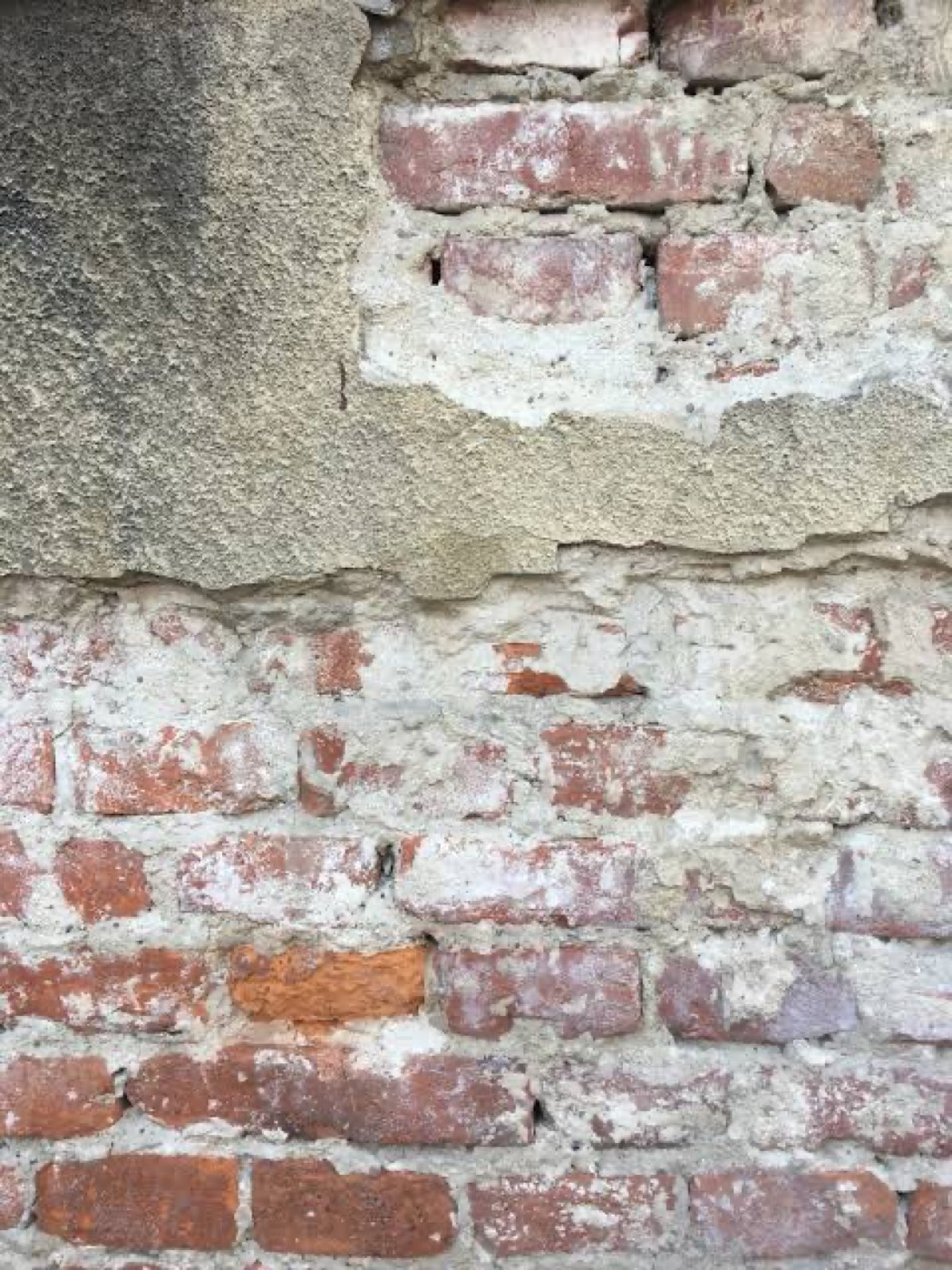
- Bubbling, flaking paint and crumbling plaster or render.
- Fluffy white salt deposits on brick and stone.
- A musty smell and mould, often worse in winter.
- Swollen or rotting skirting boards.
Is it rising damp, a leak or condensation?
This is where many treatments go wrong. A leaking pipe, a failed shower, penetrating rain or condensation can all look like rising damp. Rising damp usually shows as a fairly even band from the floor up, often with salt. Damp that is patchy, high on the wall, or linked to a wet area or rain event points to another cause. A proper diagnosis with moisture readings should come before any quote for treatment.
How rising damp is treated
- Remove bridging: lower soil, paving or garden beds below the DPC line.
- Fix drainage: redirect downpipes and surface water away from the walls.
- Improve sub-floor ventilation so the area under the house can dry.
- Install a new DPC, commonly by injecting a chemical damp proof course into a mortar joint.
- Replace salt-contaminated render and plaster with a breathable, salt-resistant system. Leaving old salty plaster on is why damp often seems to return after treatment.
- Repair masonry, replacing fretting bricks or sandstone and repointing in lime mortar on older walls.
What affects the cost of rising damp treatment?
Rising damp treatment is often quoted per linear metre of wall, but the total is driven by how much render and plaster must be replaced, whether drainage and ground levels need work, wall thickness and material, and any heritage requirements. A quote that covers only injection, with no plan for the damaged render or the cause of the bridging, is usually not the full cost. We inspect and itemise everything so you can compare properly.
Heritage homes need the right materials
Older Sydney homes were built with lime mortars and breathable materials. Cement render and impermeable paints trap moisture and can make damp and salt damage worse. Repairs should use materials compatible with the original construction.
Get it diagnosed properly
See our rising damp service, or send us photos of the affected walls inside and the ground levels outside for an initial view.