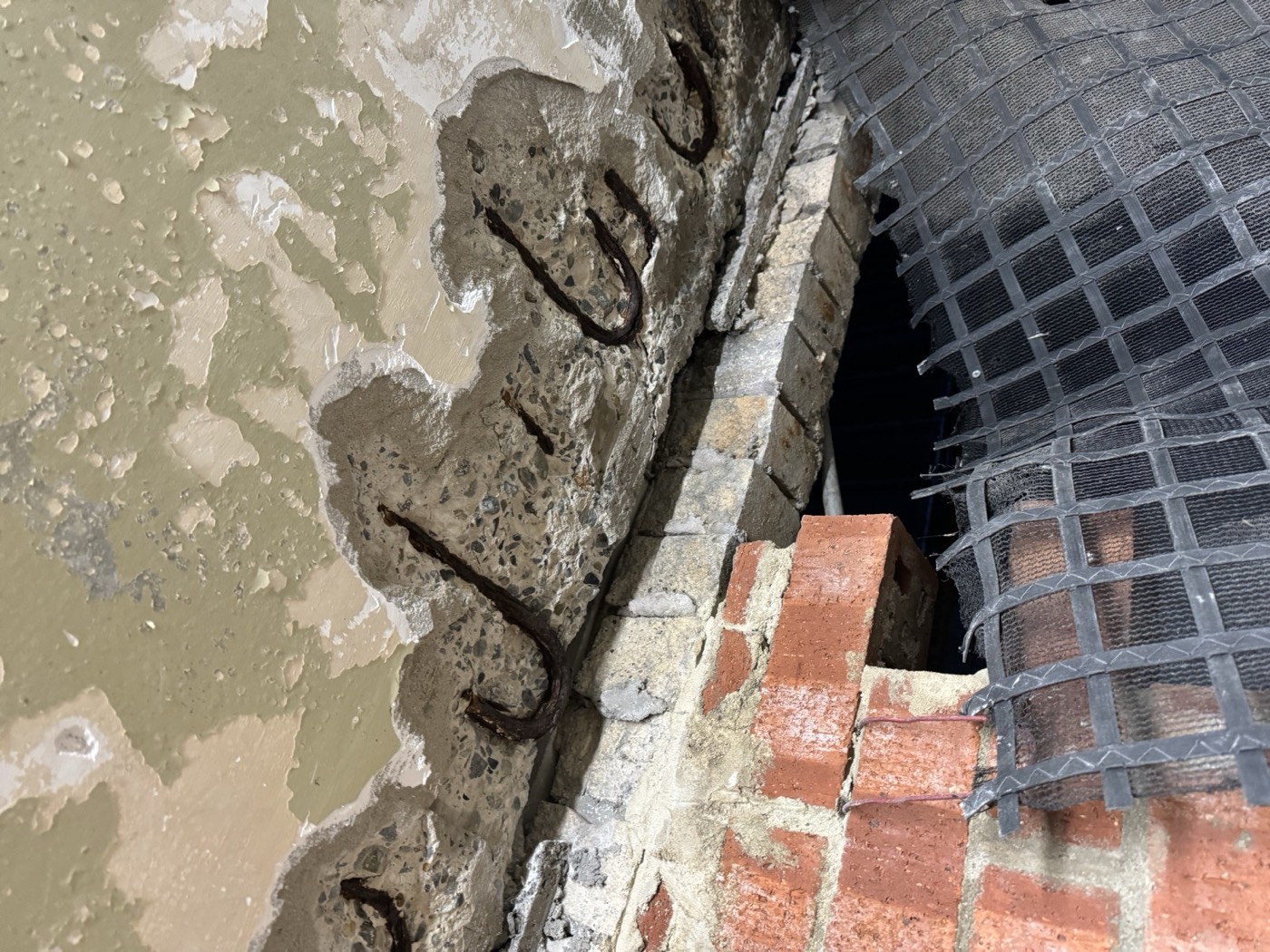
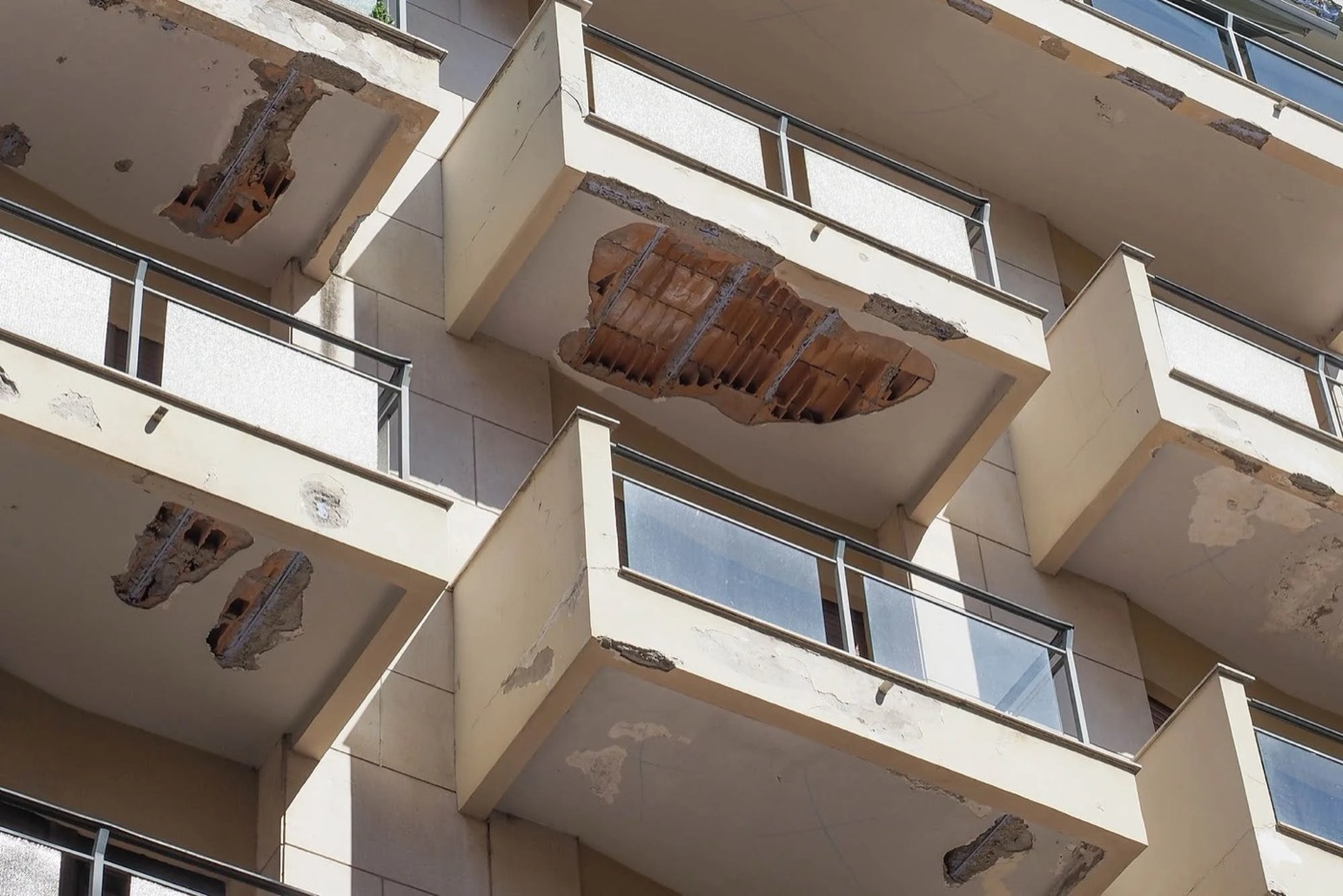
If your home was built before about the 1930s, its bricks or stone were probably laid in lime mortar. Over the decades, many of these walls were repointed or rendered with cement. It looked like a good repair at the time. In many cases it has been quietly damaging the wall ever since.
How old walls were meant to work
Older bricks are softer and more porous than modern bricks, and lime mortar is softer again. Moisture from the ground, rain and inside the house moves into the wall and evaporates out, mostly through the mortar joints. The mortar is the sacrificial part: it wears slowly and is repointed every few generations, while the bricks last.
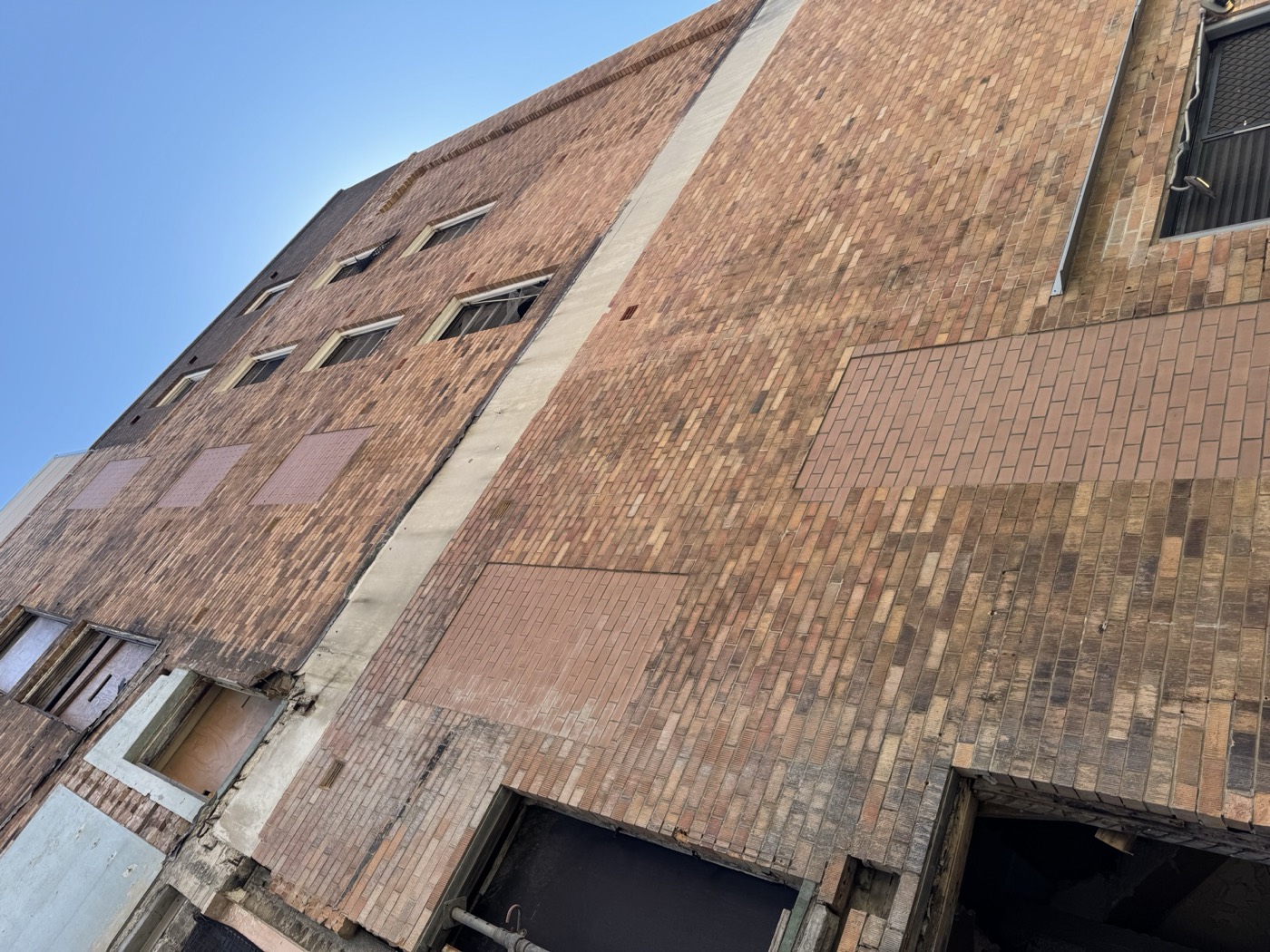
What cement does to old walls
- Traps moisture. Cement is much less breathable. Water that used to escape through the joints now has to come out through the bricks.
- Moves salt into the bricks. As water evaporates from the brick face, salts crystallise and break up the surface. This is brick fretting.
- Is harder than the bricks. When the wall moves, the bricks crack instead of the mortar.
- Cement render seals the wall. Damp builds up behind it, and the render cracks and drums off.
Signs cement is causing damage
- Brick faces crumbling or powdering, while hard cement joints stand proud.
- Damp and salt marks above a cement-rendered plinth.
- Cracks running through bricks rather than joints.
- Cement render cracking and sounding hollow.
How heritage brickwork should be repaired
- Rake out cement carefully by hand or with fine tools, without damaging brick edges.
- Repoint with lime mortar matched in strength, colour and texture to the original. See repointing brickwork.
- Replace badly fretted bricks with matching second-hand or specially made bricks.
- Remove cement render where it is trapping damp, and use lime render if a render finish is needed.
- Fix the moisture source: drainage, gutters and rising damp.
Sandstone too
Sandstone suffers the same way when patched or pointed with cement. See sandstone repair and restoration.
How the right repair helps your home
A lime repair lets the wall dry out, stops bricks crumbling, reduces damp inside and keeps the character that makes a heritage home valuable. It also tends to be accepted by councils in conservation areas.
Heritage brickwork repairs
We repair heritage brickwork and stone with lime mortars and methods suited to old buildings. METCON is a licensed builder (384697C) with heritage and structural remedial experience across Sydney. Call 0415 840 500 or book a free inspection.
Frequently asked questions
Is cement mortar bad for old brick houses?
Often, yes. Cement is harder and less breathable than old bricks, so it traps moisture and salt in the bricks and causes them to crumble.
How do I know if my house has lime mortar?
Most Sydney homes built before about the 1930s were laid in lime mortar. Lime is softer and can often be scratched with a key, while cement is hard and grey.
Can cement repointing be removed?
Yes, carefully, by hand or with fine tools. The joints are then repointed in a matched lime mortar.