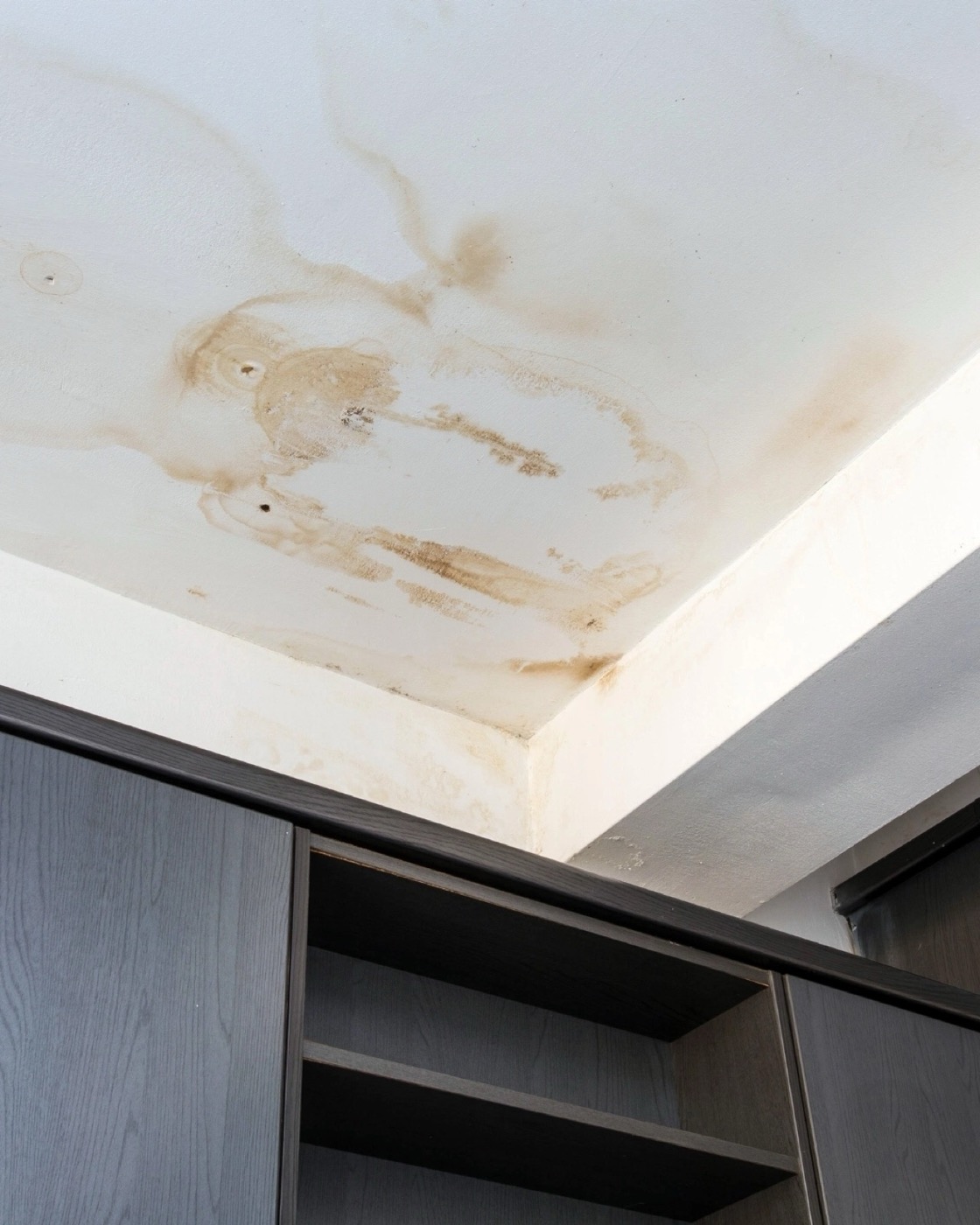
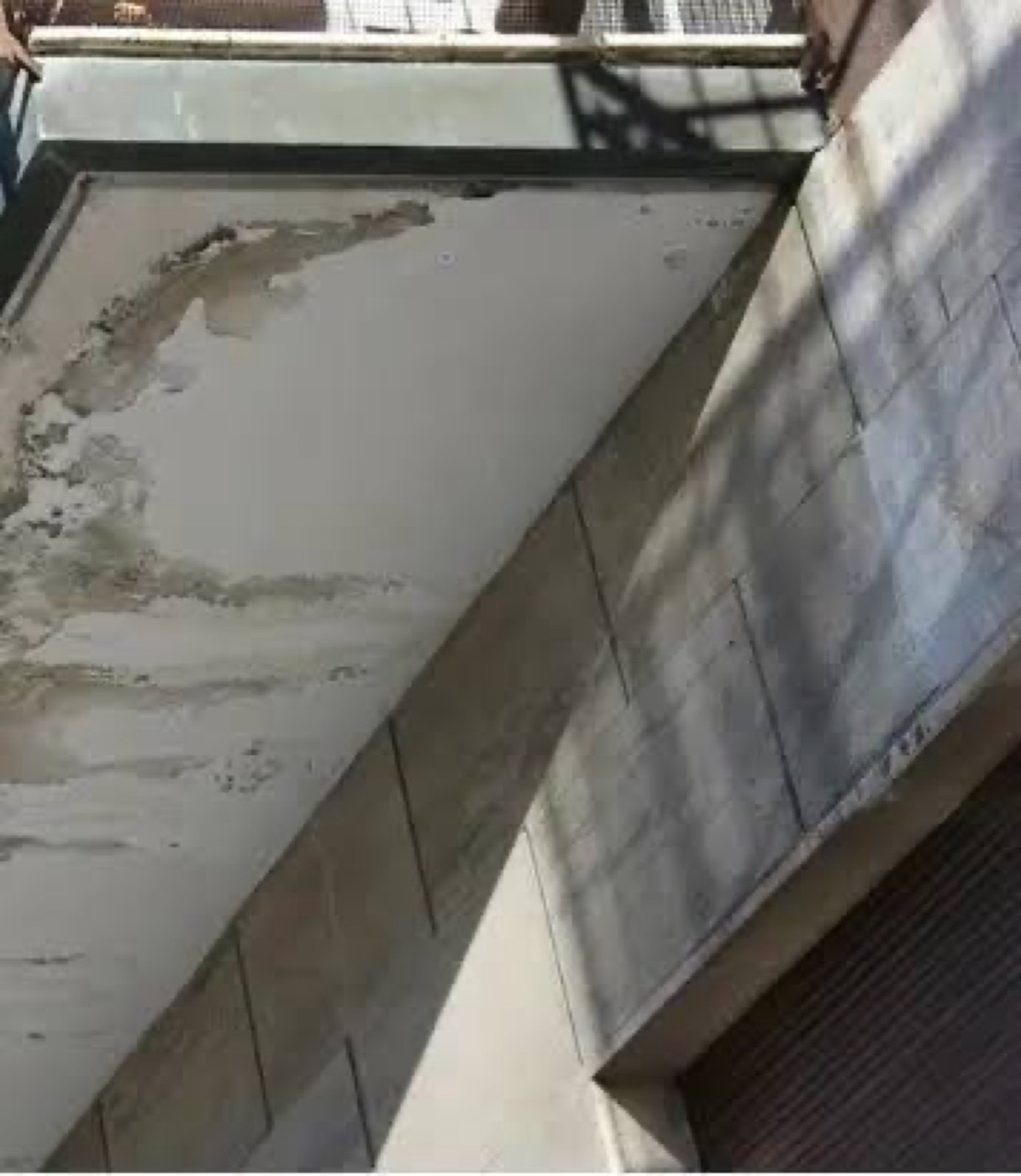
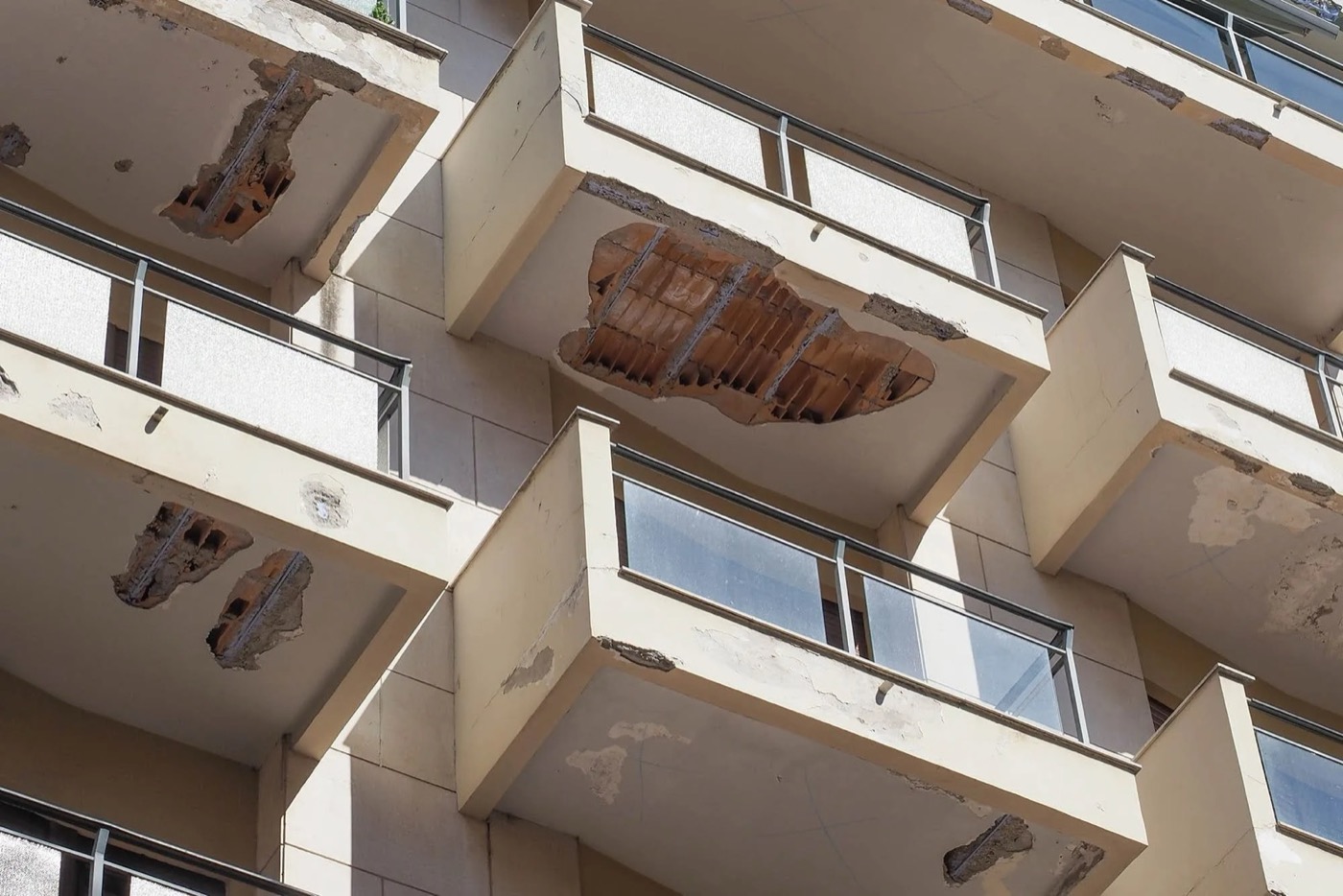
Sandstone is part of Sydney's character, from colonial cottages and Victorian terraces to harbourside walls and grand public buildings. It is also soft, porous and vulnerable to water and salt. The good news is that sandstone can almost always be repaired. The key is using methods that suit the stone.
How sandstone deteriorates
- Salt attack: salts carried in by rising damp or sea air crystallise in the stone and break it apart from the inside.
- Fretting and powdering: the surface turns to sand and gradually erodes, often at the base of walls.
- Delamination: layers of the stone peel away, especially where blocks were laid on the wrong bed.
- Weathering: wind, rain and run-off wear away exposed sills, copings and steps.
- Hard cement repairs: cement mortar and render trap moisture and force salts and water to escape through the stone, speeding up its decay.
Can sandstone be repaired?
Yes. Depending on the damage, sandstone can be repointed, patched, partly replaced or fully replaced with new stone. The approach should follow a simple principle used in heritage conservation in Australia: do as much as necessary, but as little as possible, and keep as much original fabric as you can.
Sandstone repair methods
- Repointing in lime mortar: raking out failed or cement joints and repointing with a lime mortar softer than the stone, so the joints, not the stone, take the movement and moisture.
- Dressing back: carefully removing loose and decayed surface stone to sound material where the loss is shallow.
- Repair mortars: specialist stone repair mortars for small losses, matched to colour and texture.
- Indenting new stone: cutting out a damaged section and fitting a new piece of matching sandstone.
- Full replacement: replacing blocks, sills or steps that are beyond repair.
- Fixing the cause: treating rising damp, improving drainage and removing harmful cement render, otherwise the new stone decays too.
Mistakes that make sandstone worse
- Cement mortar or cement render on sandstone walls.
- Waterproof sealers and impermeable paints that trap moisture and salts.
- High-pressure water blasting that strips the stone's surface.
- Patching the stone without dealing with the damp that caused the damage.
Heritage-listed buildings
If your property is heritage listed or in a heritage conservation area, repairs may need council approval or advice from a heritage consultant, particularly for stone replacement or changes to the appearance. We work within those requirements and can coordinate the documentation.
Sandstone restoration with METCON
We have restored sandstone on Sydney homes from the 1850s onward, including complex sandstone foundations in Vaucluse. See our heritage restoration service, or send us photos of the stonework for an initial view.