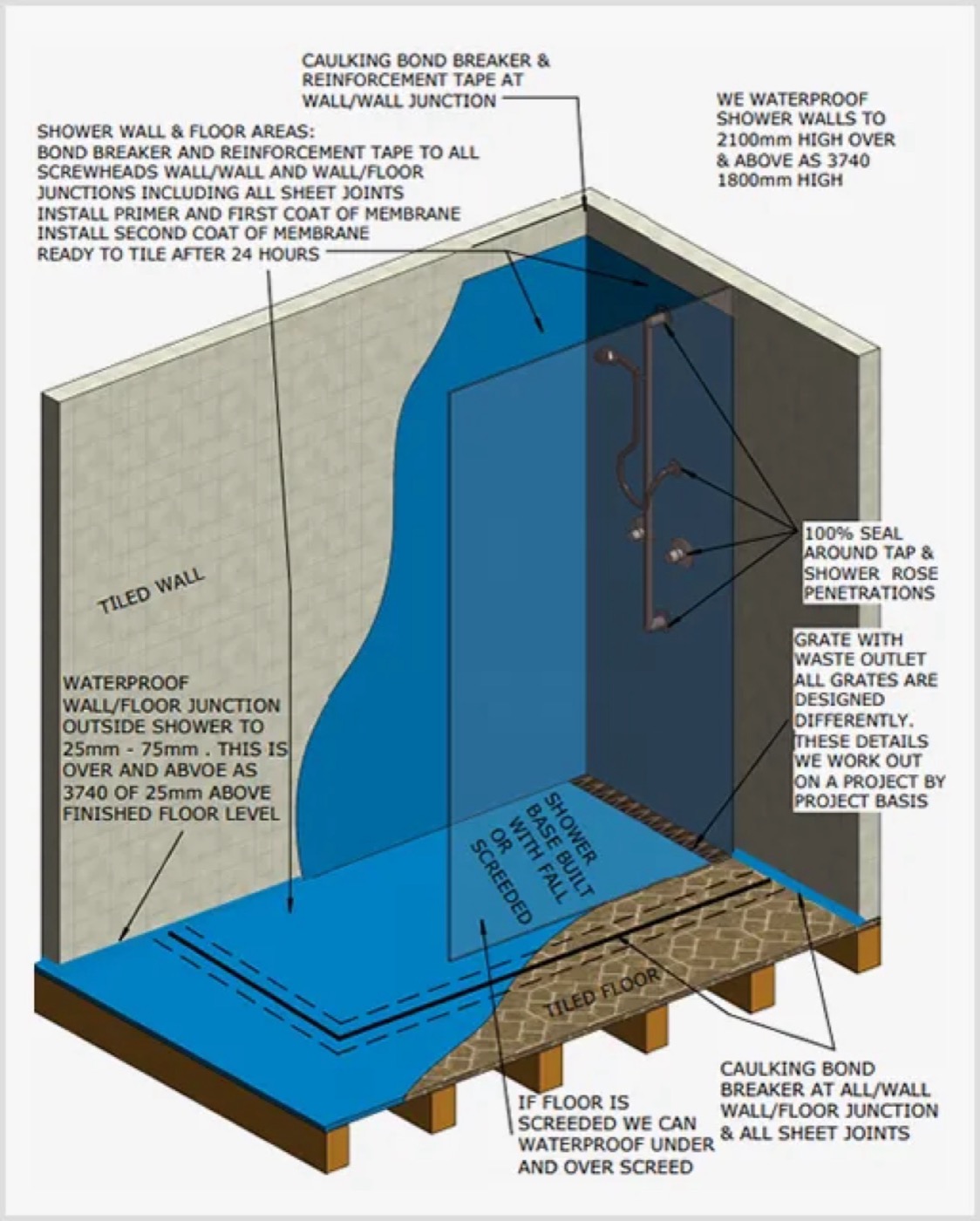
Every remedial tender starts with a specification. It tells builders what to price. There are two broad ways to write one, and many projects use a mix.
Prescriptive specifications
A prescriptive specification sets out exactly what must be done: which areas, which products, which details and in what order. The engineer or consultant designs the solution and the builder builds it.
Strengths: tenders are easy to compare because everyone prices the same thing. The owners corporation controls the solution. It suits regulated Class 2 work, where a registered design practitioner must prepare the regulated design.
Weaknesses: the specification is only as good as the investigation behind it. If it misses something, it becomes a variation.
Performance specifications
A performance specification describes the result: for example, a balcony that drains, does not leak and lasts a set period with maintenance. The builder proposes how to achieve it.
Strengths: builders can bring their own experience and methods. It may suit small, simple repairs.
Weaknesses: tenders are hard to compare because each builder proposes something different. It can also blur who is responsible for design, which matters under the DBP Act.
What usually works best
For most strata remedial works, a prescriptive design for the main repair, with clear rates for unknown quantities such as concrete repairs, gives the best balance. Some items, such as access methods or temporary protection, can be left to the builder to propose.
Questions to ask
- Who is the designer for each part of the work?
- Are quantities fixed, provisional or priced as rates?
- Are products named, or can equivalents be offered?
- How will alternative proposals be compared?
- What testing proves the work meets the specification?
Read remedial scope of works, design and construct vs engineer-led remedial and lump sum vs schedule of rates. Then see our Class 2 builder page.
Call 0415 840 500 or book an inspection. METCON is a licensed NSW builder (384697C) and DBP registered (BUP4254812).
Frequently asked questions
Can a builder suggest a better method?
Yes. Good tenders allow alternatives, priced separately, so the committee can compare like with like.
Does the DBP Act require a prescriptive design?
It requires regulated designs for regulated work, prepared by a registered design practitioner. That pushes most Class 2 work towards designed specifications.
Who decides the specification type?
The owners corporation, usually on advice from its engineer or consultant.