Both systems can work, and both can fail. The choice should come from the roof condition, exposure, details and how safely the work can be done.
Torch-on sheet
Rolls of bitumen-based membrane are heated so they bond to the surface and to each other.
- Factory-controlled thickness.
- Visible laps that can be checked.
- Useful across larger open areas.
- Harder around many small pipes and brackets.
- Uses a flame, which may be unsuitable near timber, insulation or occupied rooms.
Liquid membrane
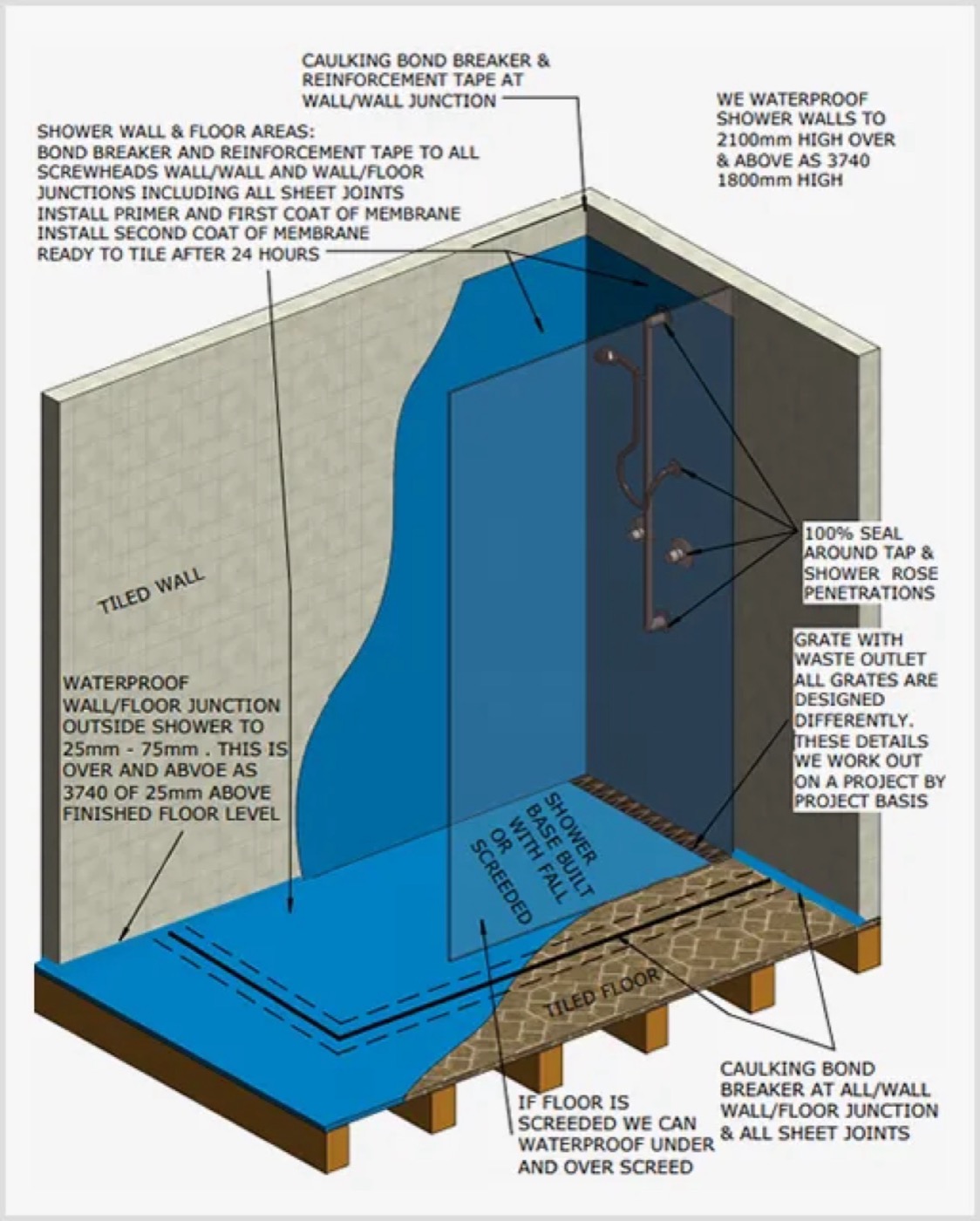
Coatings are applied in stages, often with reinforcement, and form a continuous layer.
- Follows awkward shapes and penetrations.
- Fewer laps.
- Thickness depends on the applicator and must be measured.
- Needs suitable moisture, temperature and curing time.
- Rain or dust during cure can spoil a coat.
Questions that matter more than the brand
- What is the existing roof and is it dry?
- How much will joints and cracks move?
- Will people, plant or planters sit on it?
- Is it exposed to sun or covered?
- Can the details be reached properly?
- Is hot work acceptable?
Some roofs use sheet in the open area and a compatible detail system at penetrations. Compatibility must be confirmed, not assumed.
Quality checks
For sheet, inspect bond, laps and edges. For liquid, record area, quantity, coats, reinforcement and film thickness. Both need preparation photos and the testing specified.
See membrane types, large flat roofs and waterproofing.
Call 0415 840 500 or book an inspection. METCON is a licensed NSW builder (384697C) and DBP registered (BUP4254812).
Frequently asked questions
Which lasts longer?
Life depends on product, exposure, preparation, detailing and maintenance, so a general winner is misleading.
Can liquid go over torch-on?
Only if the products, surface, adhesion and existing condition are suitable.
Can torch-on be used on an occupied building?
Sometimes, with hot work controls. Fire risk may make another system preferable.