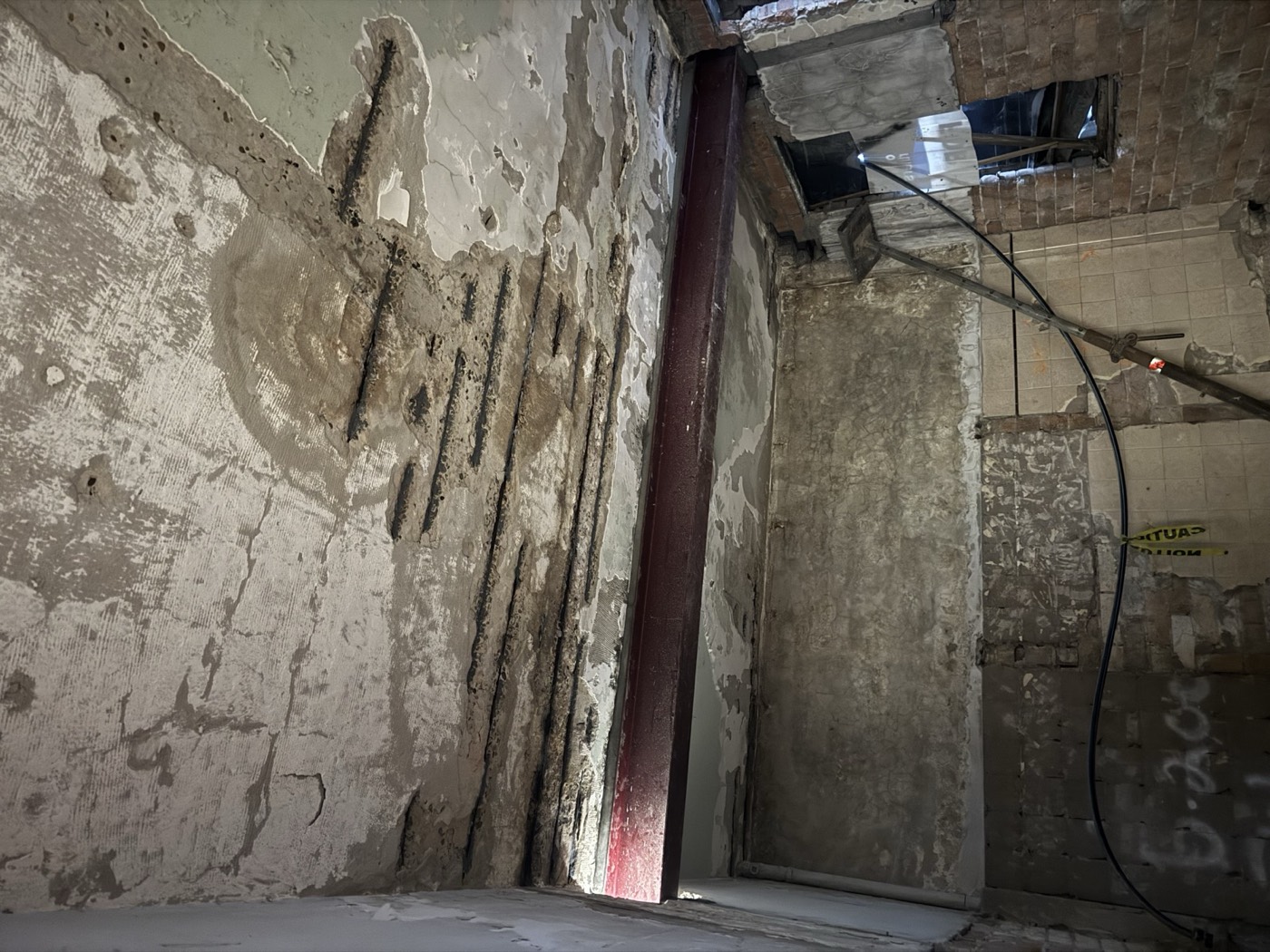
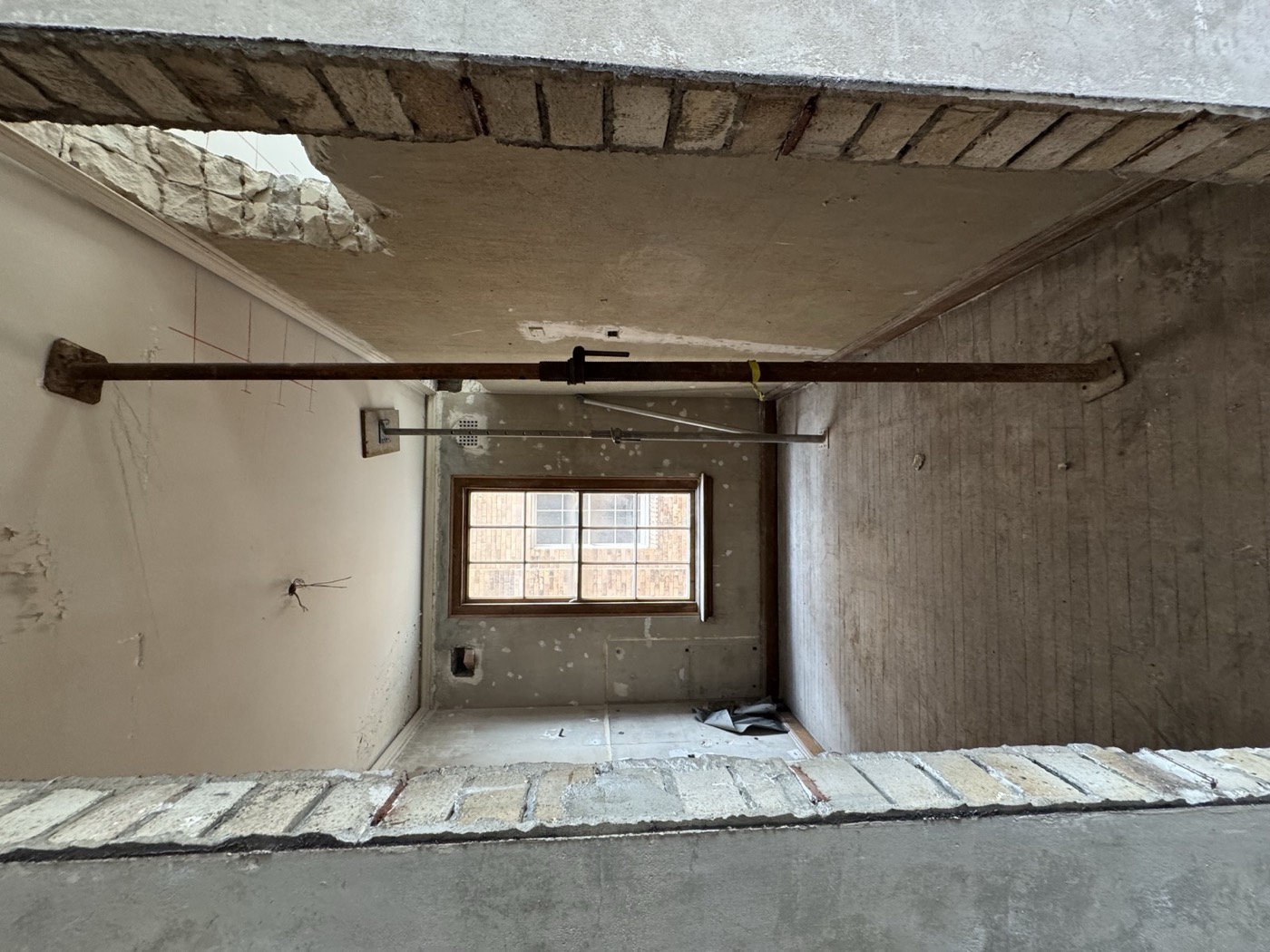
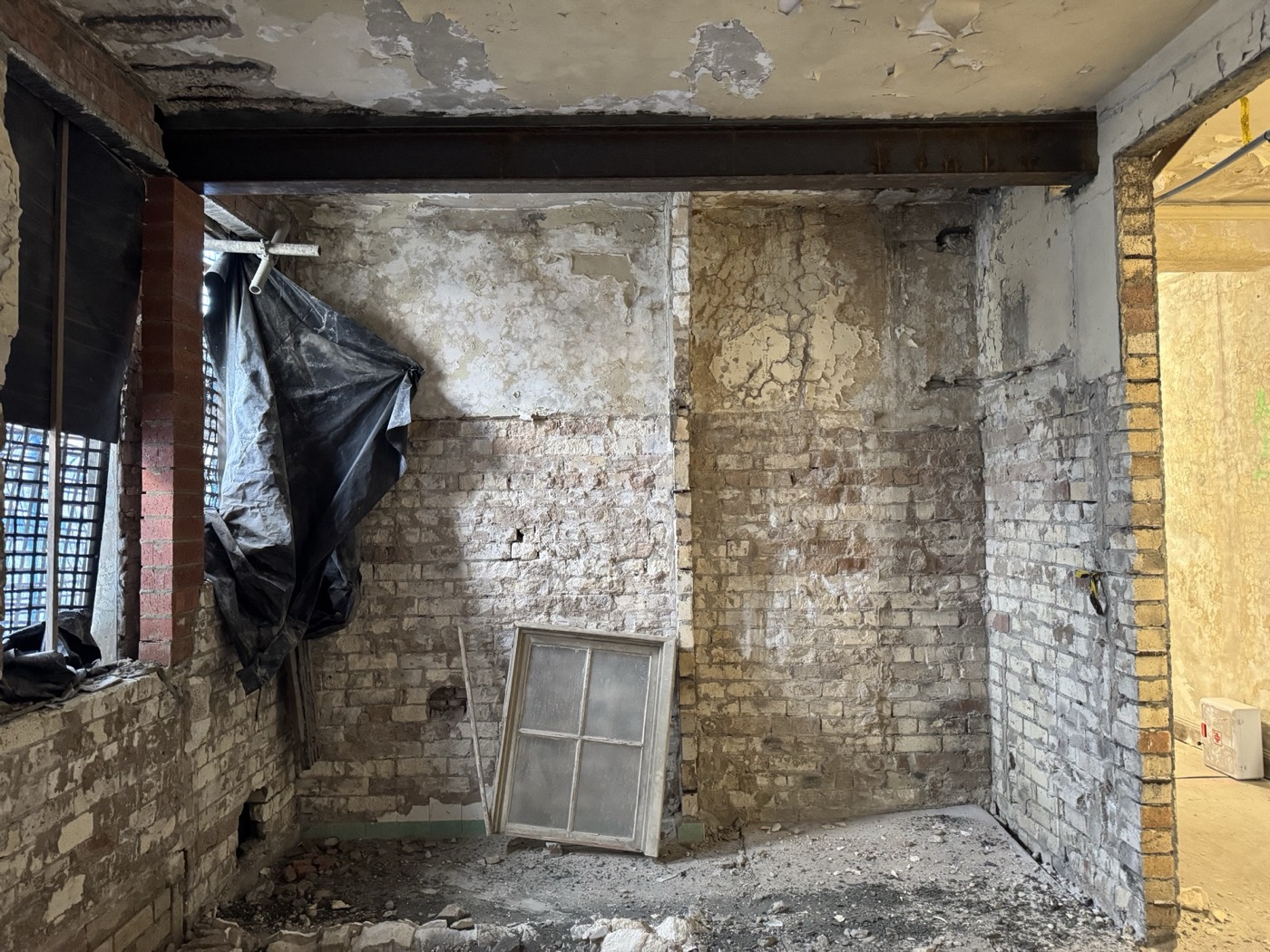
Many older homes have a bit of a lean in them. A slightly uneven floor can be part of a home's character, but floors that are getting worse, feel springy or come with cracks and sticking doors should be checked.
Common causes
- Old stumps: timber stumps rot or sink. See restumping.
- Damp subfloors: moisture rots joists and bearers. See damp subfloors.
- Termites: damage to timbers may be hidden. See termite damage.
- Footing movement: clay soils, leaks or trees move brick walls and piers. See clay soils.
- Removed walls: past renovations can take away support. See load-bearing walls.
- Overspanned joists: timber too small for the span, or that has sagged with age.
- Cracked slab: on concrete floors. See cracked slabs.
When to worry
- The slope is getting worse.
- Floors feel bouncy or spongy.
- Doors and windows are sticking.
- Walls have new cracks, or gaps show at the skirtings.
- Rot or termites are found under the floor.
Simple checks
- Use a long level or ball to find where the floor slopes.
- Mark any cracks and take dated photos.
- If it is safe, look under the house for damp soil, rot and stumps. Watch out for hazards and asbestos.
- Check downpipes and drainage around the house.
How floors are repaired
- Stump replacement and re-levelling: for timber floors on stumps.
- Replacing rotten bearers and joists: with treated timber or steel.
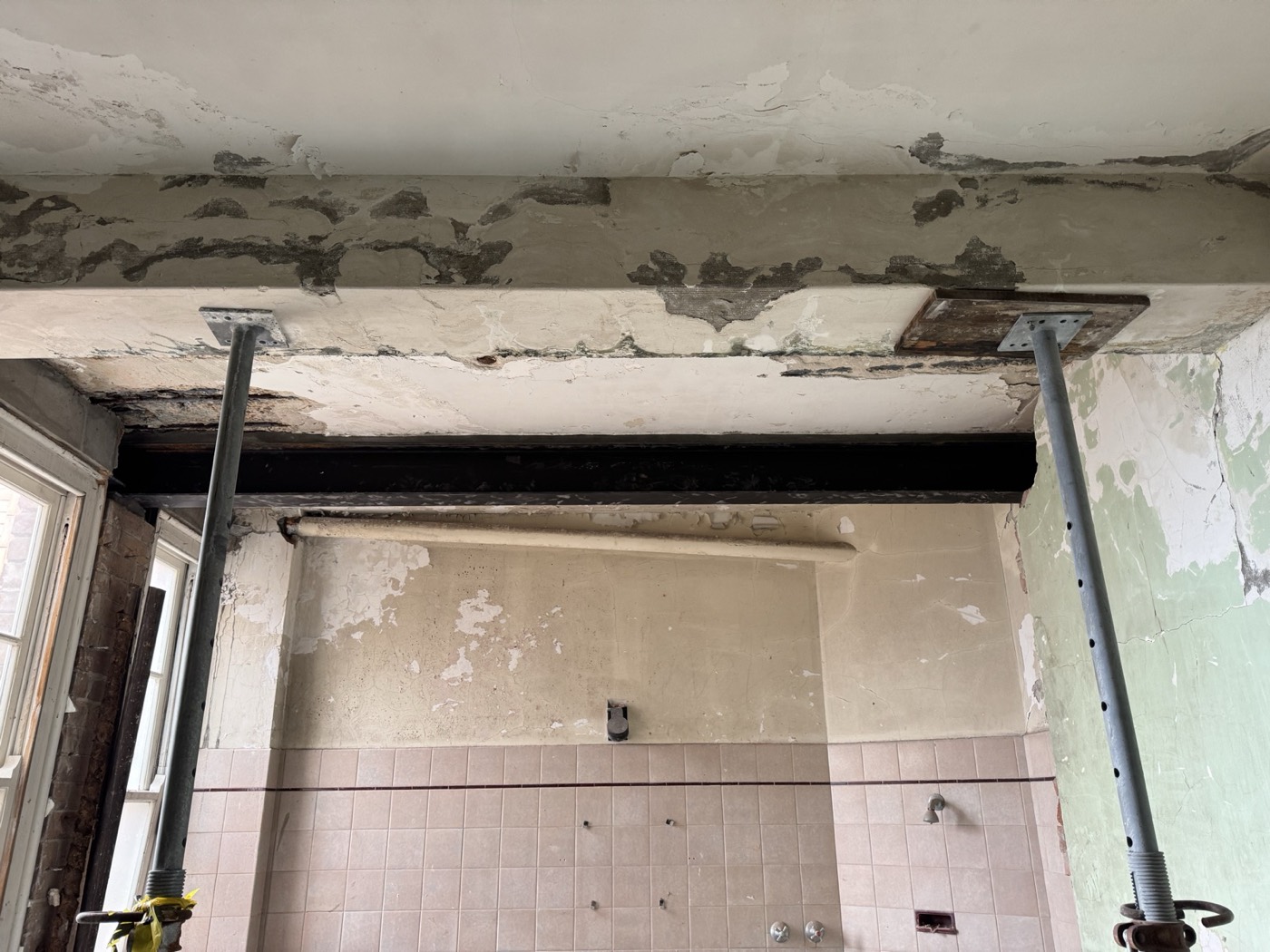
- New beams: where a wall has been removed, to engineer's design. See steel beam work.
- Underpinning: for brick walls and piers that have moved. See underpinning.
- Ventilation and drainage: so that the problem does not return.
- Floor levelling: packing or levelling for final finishes.
Take care with re-levelling: lifting an old house too far or too quickly can crack plaster and affect plumbing, so it should be done gradually.
Do it before you renovate
New kitchens, tiles and floors will not sit well on moving floors. Get the structure sorted out first. See renovate or rebuild.
How the repair helps your home
Stable floors make the home safer and easier to live in, protect walls and finishes, and remove a red flag for buyers. See does remedial work add value?
Floor and subfloor repairs
We check under the house, work with engineers and repair older homes across Sydney. Call 0415 840 500 or book a free inspection.
Frequently asked questions
Are sloping floors normal in an old house?
A small, stable slope is common. If it is getting worse, or comes with cracks, bounce or sticking doors, get it checked.
Can sagging floors be fixed?
Yes. Depending on the cause, repairs can include new stumps, replacing timber, new beams or underpinning.
Who should I call for sagging floors?
A builder experienced in structural repairs, or a structural engineer where there are signs of movement.