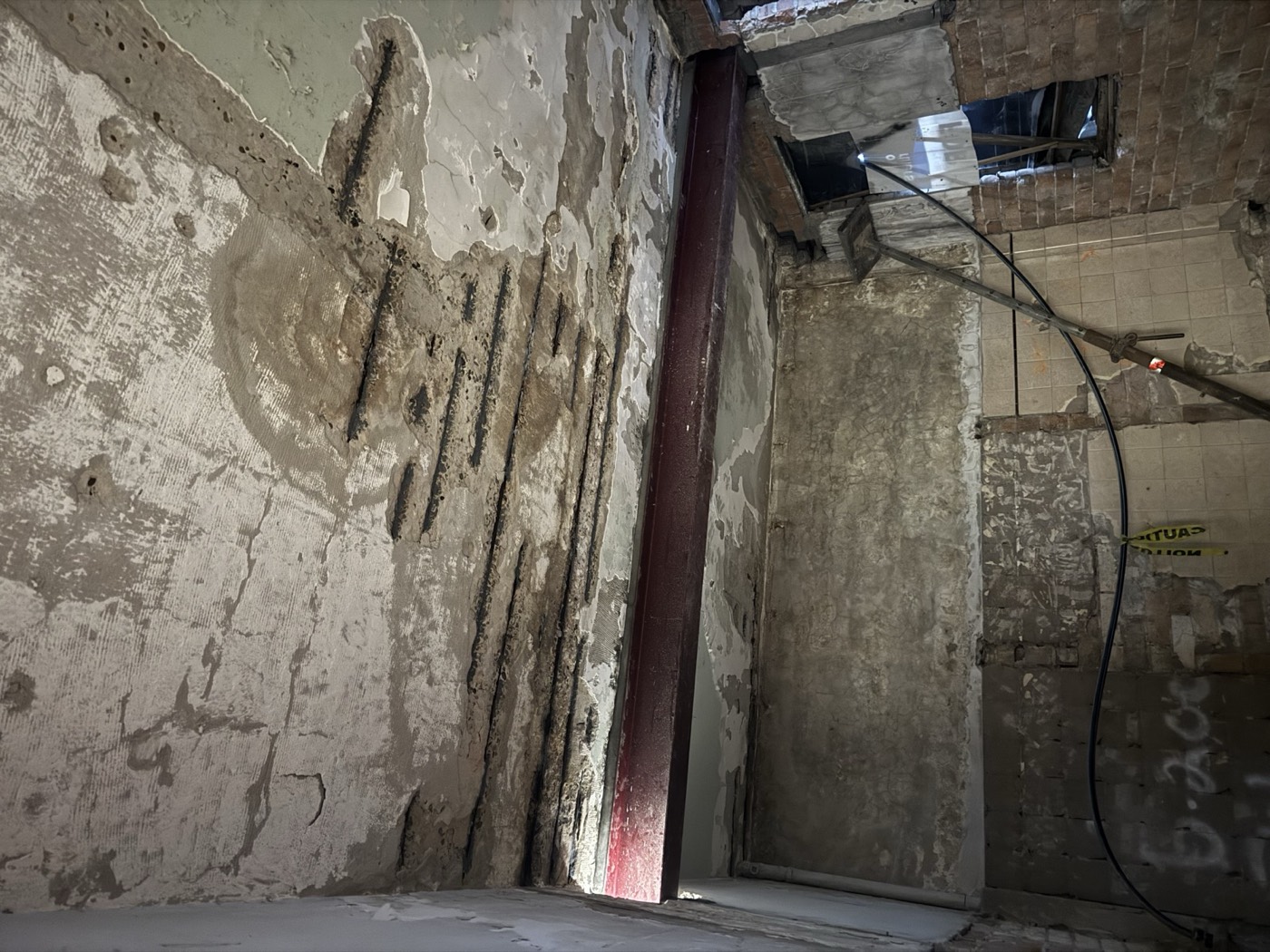
Many homes across Sydney sit on clay, including much of the Inner West in suburbs such as Ashfield, Petersham, Haberfield and Concord. Clay swells when it is wet and shrinks when it dries, and older homes with shallow footings move with it. That is why cracks can open during a dry spell and close up again after months of rain.
What reactive clay does to a home
- Dry spells: soil shrinks, often more around the edge of the house, and corners can drop.
- Wet periods: soil swells again, and cracks may close.
- Uneven moisture: this is the real problem, because different parts of the home move by different amounts.
What makes it worse
- Trees: roots draw moisture from the soil. See tree roots and foundations.
- Leaking pipes and stormwater: keep one area wet while the rest stays dry.
- Poor site drainage: water pools against walls.
- Paving: paving on one side changes how moisture moves.
- Shallow footings: common on older houses and rear additions.
Seasonal or serious?
| More likely seasonal | Get it checked |
|---|---|
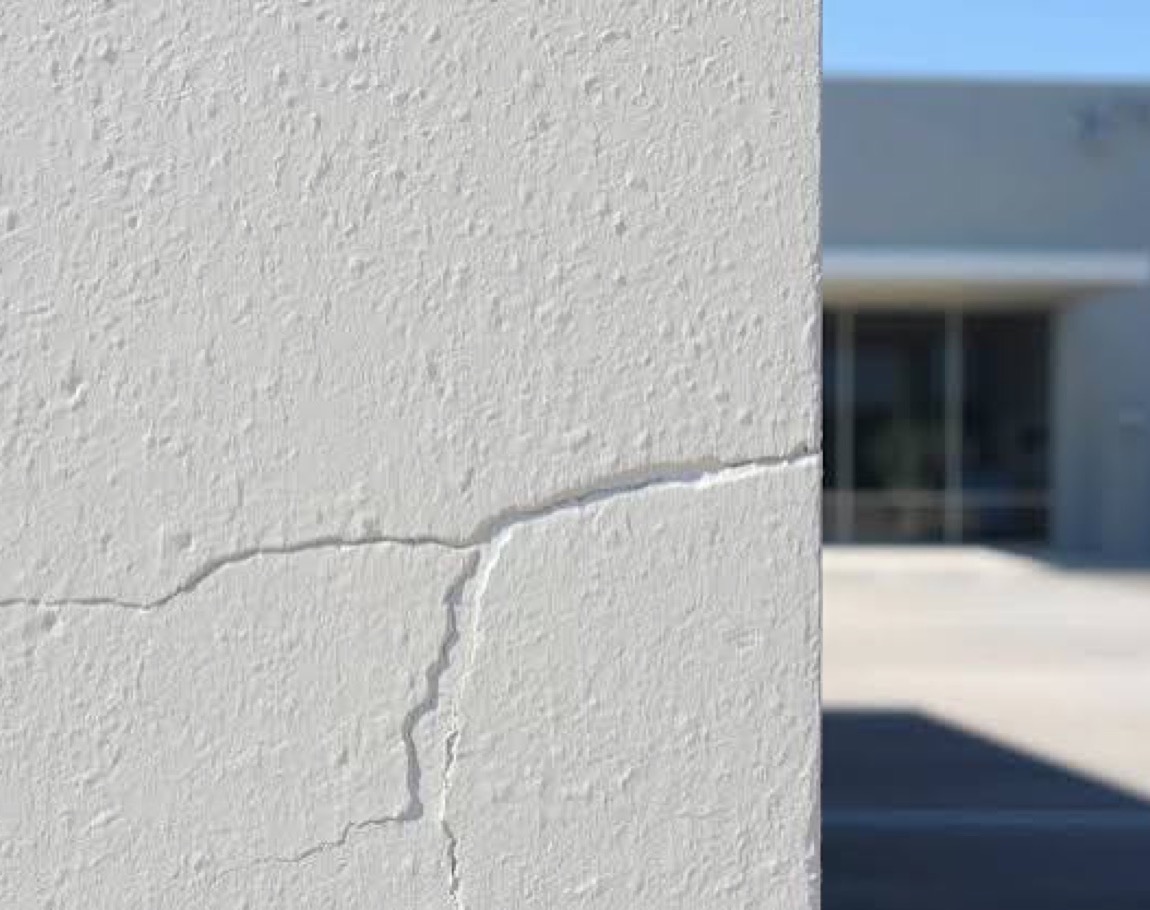
| Fine cracks that open and close with the weather | Cracks wider than a few millimetres, or still growing |
| Cracks at cornices and door corners | Stepped cracks through brickwork |
| No change in floors or doors | Sticking doors, sloping floors, gaps at skirtings |
See signs of foundation movement and sagging floors.
What you can do now
- Fix leaking taps, pipes and stormwater, and clear blocked gutters.
- Make sure ground and paving fall away from the house.
- Keep moisture levels even around the house in very dry spells.
- Take dated photos of cracks with a ruler.
- Get advice before removing a big tree, because removing one suddenly can also cause soil movement. Also check with council.
How it is repaired
- Drainage and plumbing repairs: often the first and best-value step.
- Crack repairs: stitching and repointing once movement has settled. See brick stitching.
- Underpinning: only where the engineer says it is needed. See do I need underpinning?
How remedial work helps your home
Dealing with the cause keeps your home stable, stops repairs coming back, and makes it easier to sell, renovate or extend. If you are planning to extend, deal with it first so the new and old work together.
Cracks in your home?
We inspect cracked homes across Sydney, and bring in structural engineers where needed. Call 0415 840 500 or book a free inspection.
Frequently asked questions
Why does my house crack in dry weather?
Clay soil shrinks as it dries, and parts of the footings can move downwards. Cracks may narrow again when the soil gets wet.
Will I need underpinning on clay soil?
Not necessarily. Many homes can be stabilised with drainage and plumbing repairs. An engineer can tell you when underpinning is really needed.
Are clay soils common in Sydney?
Yes, particularly in parts of the Inner West and western Sydney, though conditions vary between sites. A soil test can give you specifics.