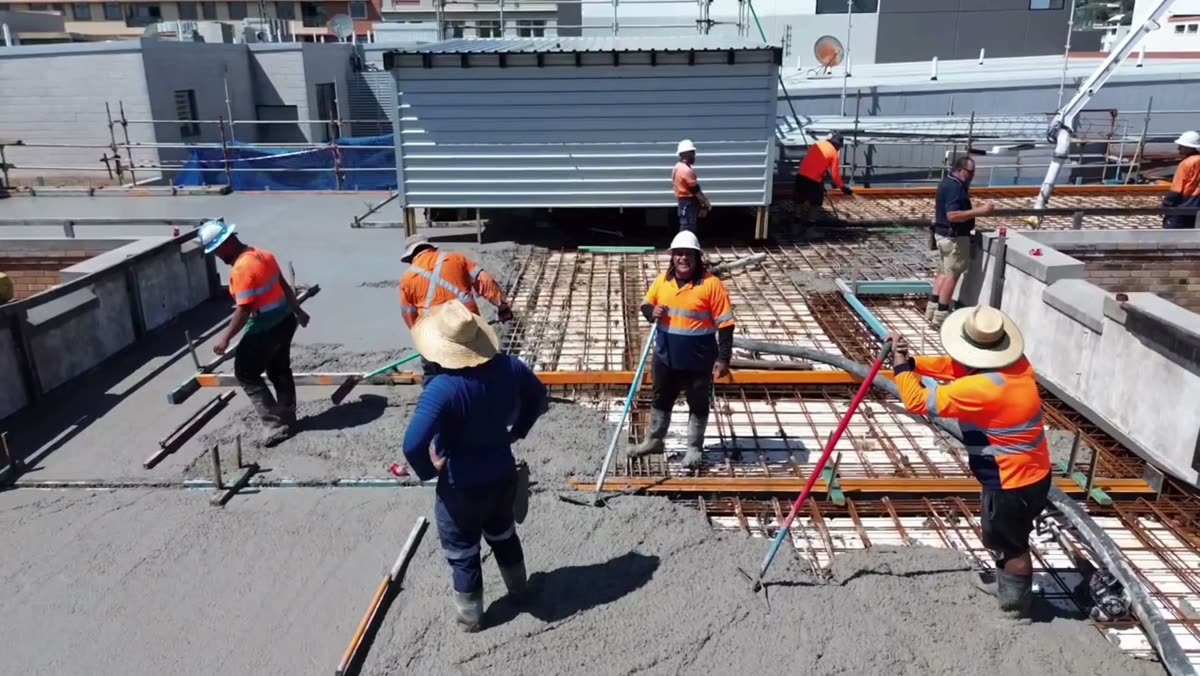
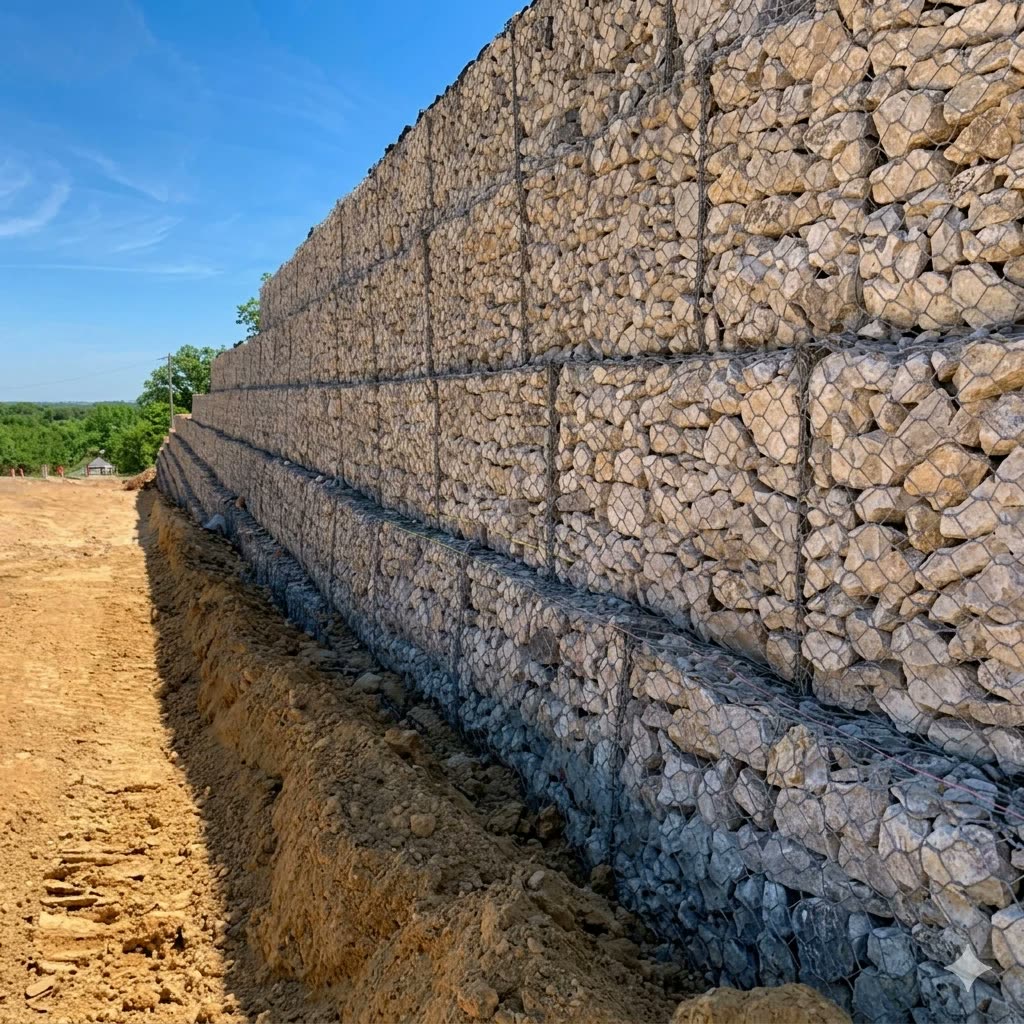
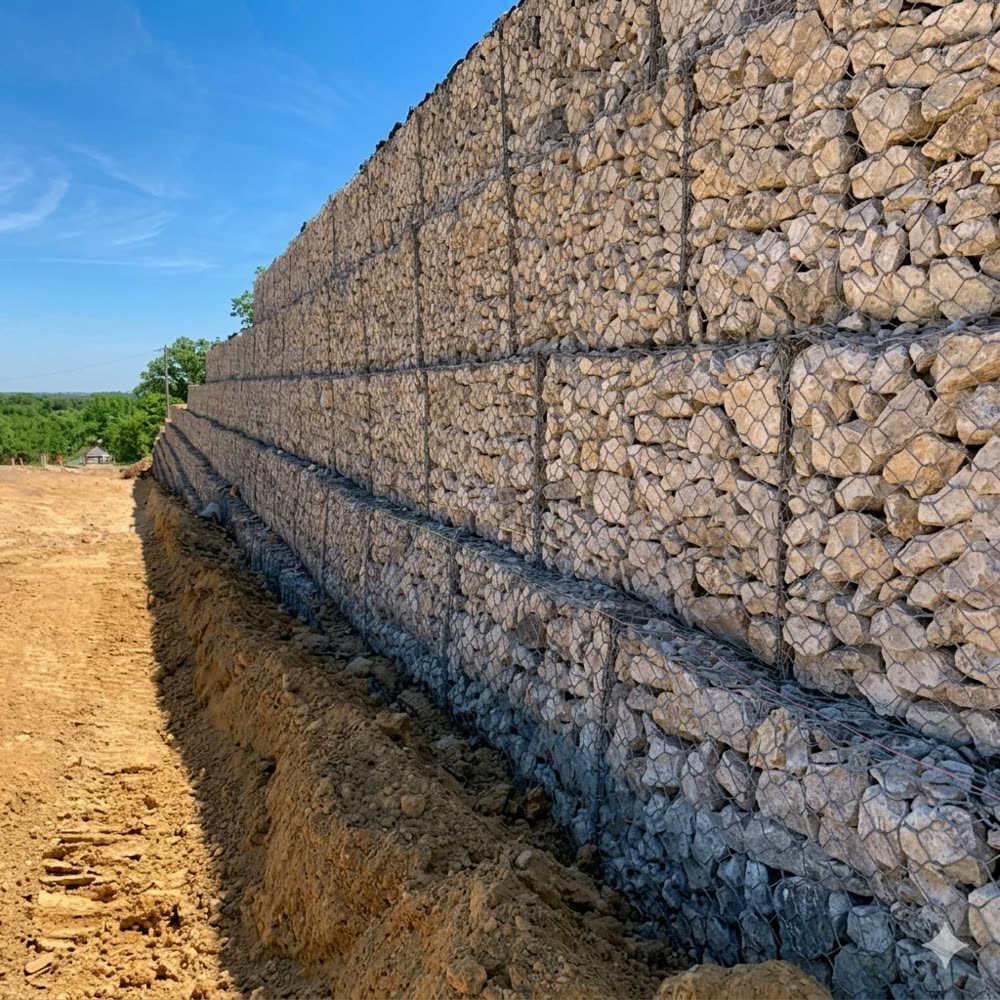
Shared access ways serve houses, battle-axe lots, farms and commercial sites. The surface is only the top layer of a design that must carry vehicles and move water.
Set the users
List cars, waste trucks, delivery vehicles, emergency vehicles and construction traffic. Width and turning should be checked against actual requirements, not only parked cars.
Know the ground
Soft clay, fill and tree roots affect thickness. A pavement on poor ground can crack even when the surface concrete is strong. Use geotechnical advice where needed.
Drain the full length
Decide whether water crosses, follows or enters a pit. Do not push it towards a lower owner. Low points need capacity for heavy rain and a safe overflow path.
Compare surfaces
- Concrete: long life and clear joints.
- Asphalt: faster reopening and easier overlays.
- Gravel: lower first cost but more upkeep.
- Pavers: useful appearance, but base and edges matter.
Services and future work
Place water, power and communications before paving, with separation and access. Spare conduits can avoid cutting a new road later.
Put responsibility in writing
Who repairs potholes, drains, lights and walls? How are costs shared? An access easement does not always answer every maintenance question.
See private pavement hardstands, drainage easements and civil works.
Call 0415 840 500 or request a quote. METCON is a licensed NSW builder (384697C).
Frequently asked questions
Does a private road need council approval?
Often parts do, especially crossings, drainage, subdivision or work affecting public land.
Can garbage trucks use it?
Only if collection policy, turning and pavement are suitable.
Who maintains shared access?
Title documents, easements and agreements should set this out.