If you are looking up the cost of mould remediation, you have probably already cleaned it once and watched it come back. Prices vary a lot because two quotes may not cover the same work. One may only treat what you can see, while another finds the moisture source and repairs the building. Here is what affects the price, so you can compare quotes properly.
Cleaning or remediation?
Surface cleaning is the cheaper job, and it is fine for a small patch caused by a one-off event. Remediation means finding the moisture source, fixing it, removing affected materials and getting the area dry. See mould removal vs mould remediation.
What affects the cost
| Factor | Why it matters |
|---|---|
| Size and spread | One ceiling costs less than several rooms or a whole apartment. |
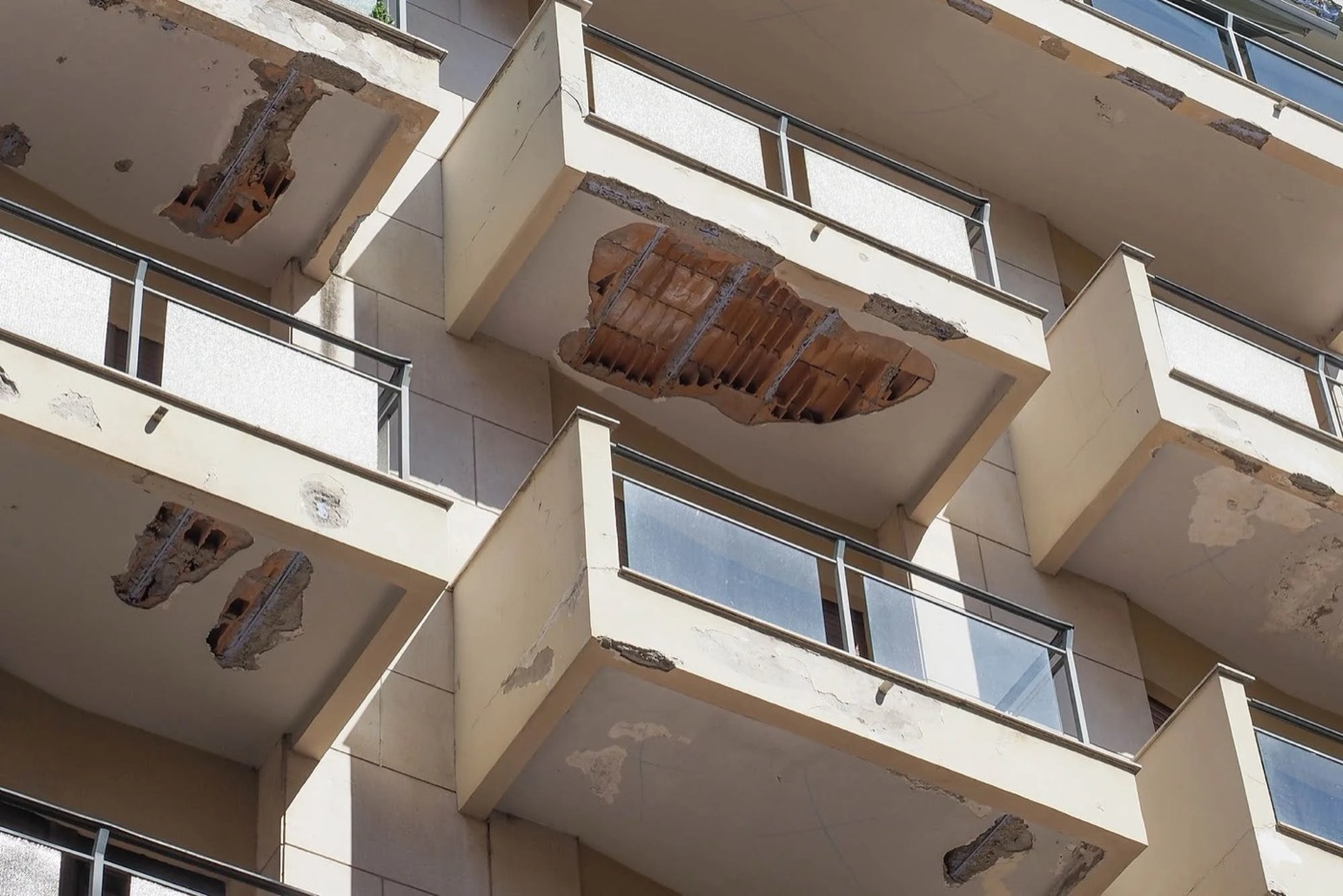
| Moisture source | Fixing a fan is a small job. Re-waterproofing a balcony or treating rising damp is much bigger. |
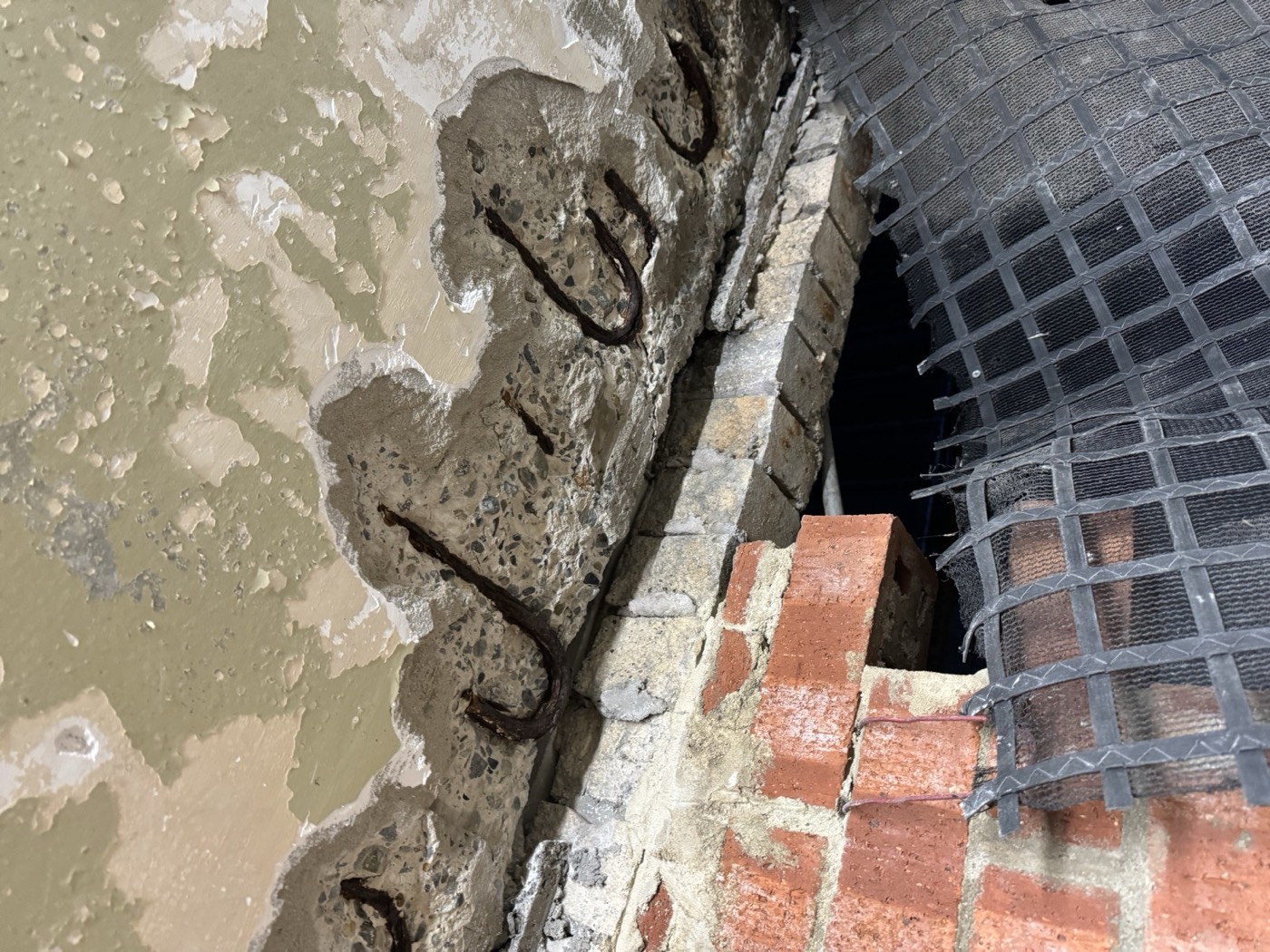
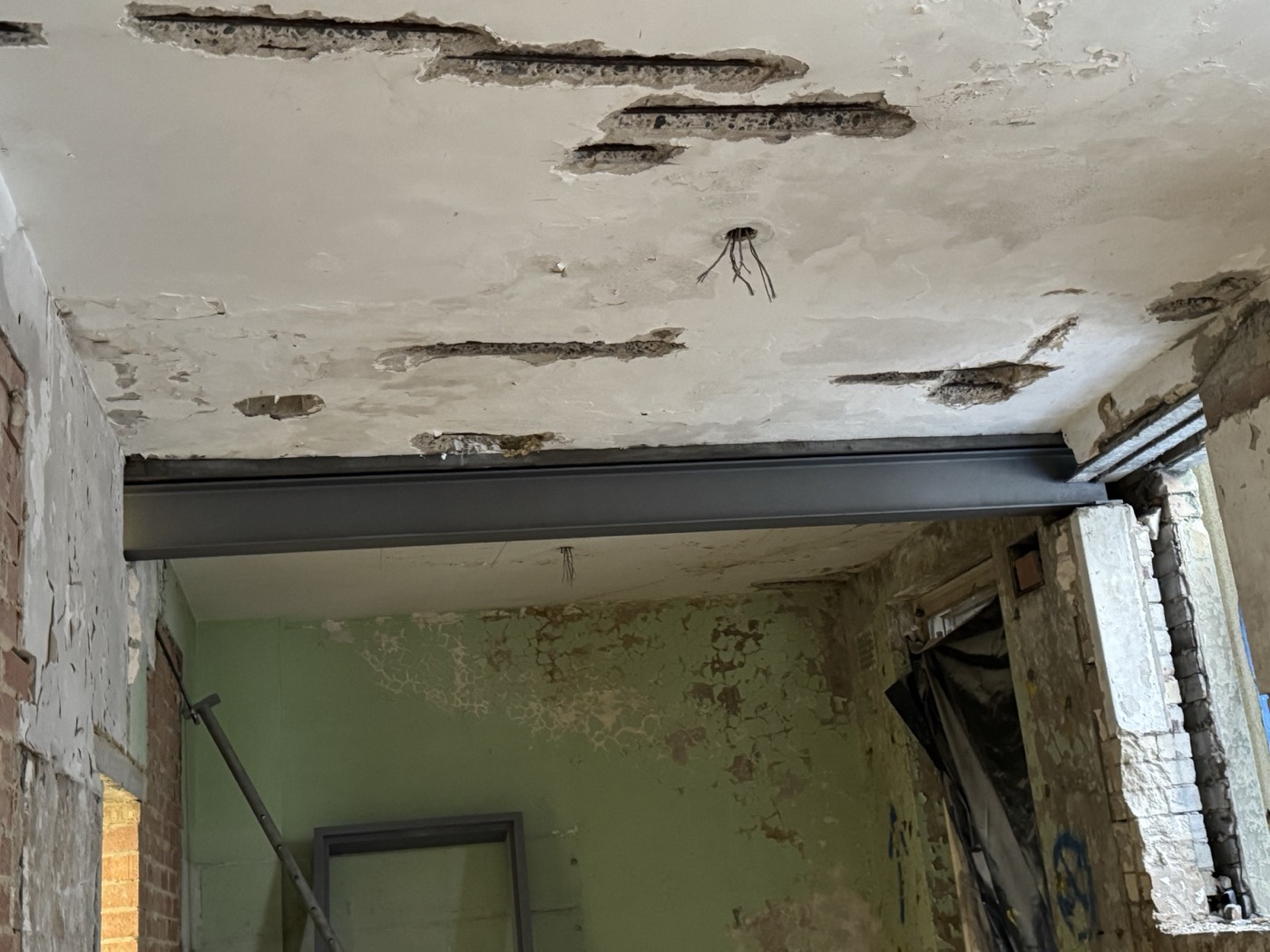
| Hidden damage | Mould inside walls, ceilings or under floors means opening up and replacing materials. |
| Materials to replace | Plasterboard, insulation, carpet and joinery can all add to the repair. |
| Containment | Occupied homes, hotels and strata buildings may need more protection and cleaning. |
| Access | Tight subfloors, high ceilings and apartment buildings can take more time. |
| Testing and reports | Moisture readings, reports or occupational hygienists may be needed, particularly for disputes or health concerns. |
| Asbestos or lead | Older buildings may need testing before materials are disturbed. See asbestos in remedial works. |
Why fixing the cause saves money
A cheap clean is expensive if you have to repeat it every winter. The real cost of ignoring moisture is rotted timber, ruined plaster, damaged joinery and ongoing health concerns. See the cost of delaying repairs.
What a good quote includes
- The likely moisture source, and how it was identified.
- What is being removed, cleaned and replaced.
- How the work area will be contained and protected.
- Rates for hidden damage, so you know what extra work may cost.
- Repair of the cause, or clear notes on who will do it.
- How dryness will be confirmed before the room is closed up.
Red flags
- A price given without an inspection.
- Fogging or spraying offered as the entire solution.
- No mention of where the moisture is coming from.
- Painting over stains with "mould-proof" paint and calling it fixed.
Will insurance or strata pay?
It depends on the cause. See home insurance and leaks and mould in apartments. Mould in a rental may be the landlord's job. See mould in rental properties.
How it helps your home
Done properly, remediation gives you a dry, healthier home, removes that musty smell and protects your property's value. See musty smells in houses.
Get a clear price
We inspect, find the cause and give you an itemised quote for the building repairs and mould removal. See our mould remediation service. Call 0415 840 500 or book a free inspection.
Frequently asked questions
How much does mould remediation cost in Sydney?
It depends on how far it has spread, the cause, the materials to replace and access. A small bathroom issue is very different to a leak behind several rooms, so an inspection is needed for a real price.
Why are mould removal quotes so different?
Some only cover surface cleaning, while others include finding and repairing the moisture source and replacing affected materials. Compare what each quote actually covers.
Is mould fogging worth it?
Fogging alone does not fix the moisture source or remove damaged materials. It should not be treated as a full solution.