A landslip can involve more than the soil that fell. The sliding surface may run beneath a house, road or retaining wall.
Immediate safety
Keep people out of the area above, below and across the likely path. Call emergency services if people or buildings are at risk. Report damaged utilities and do not drive onto the slope.
Reduce extra water if safe
Redirect downpipes, turn off irrigation and keep runoff away without entering the danger zone. Digging a drain in the wrong place can remove support.
Find out how it moves
A geotechnical engineer may look at slope history, groundwater, boreholes, survey points and nearby structures. One dry surface crack may relate to a much deeper movement.
Possible repair parts
- Regrading where space allows.
- Surface and deep drainage.
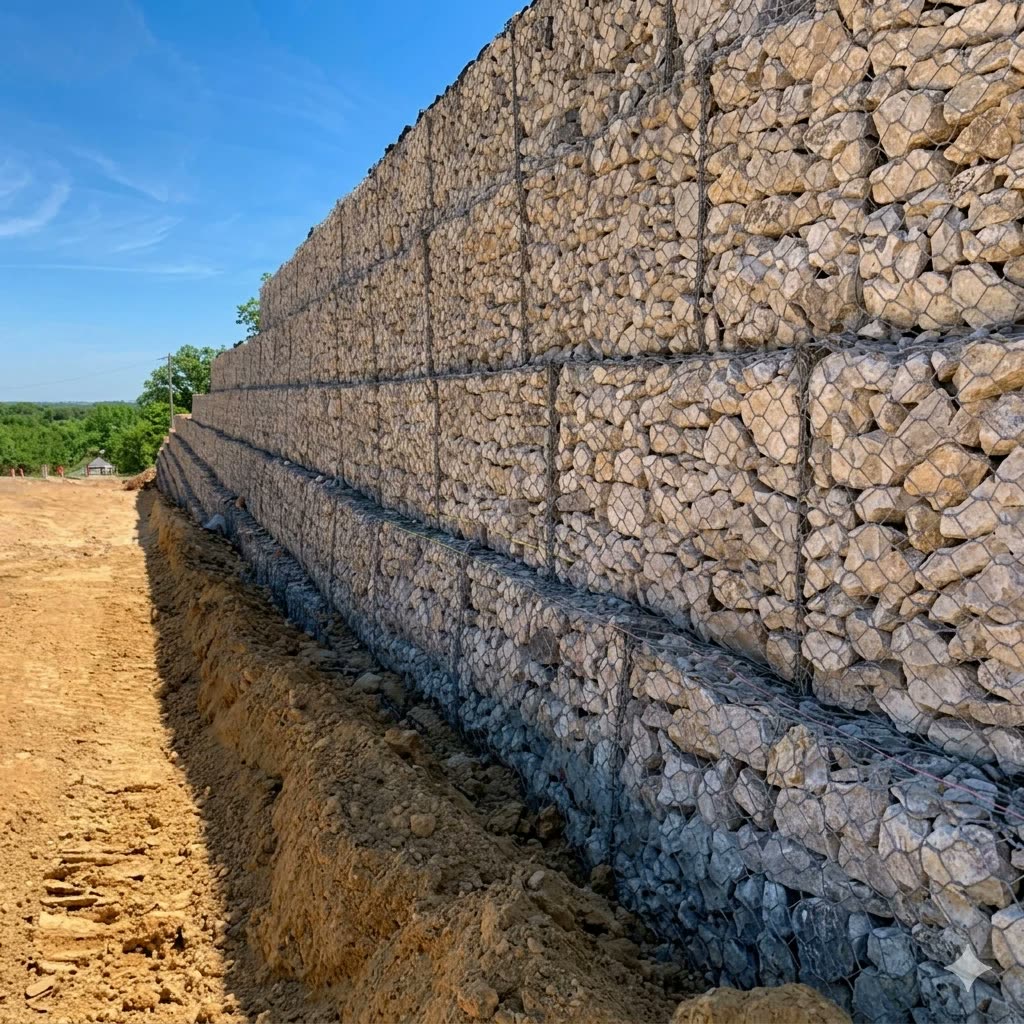
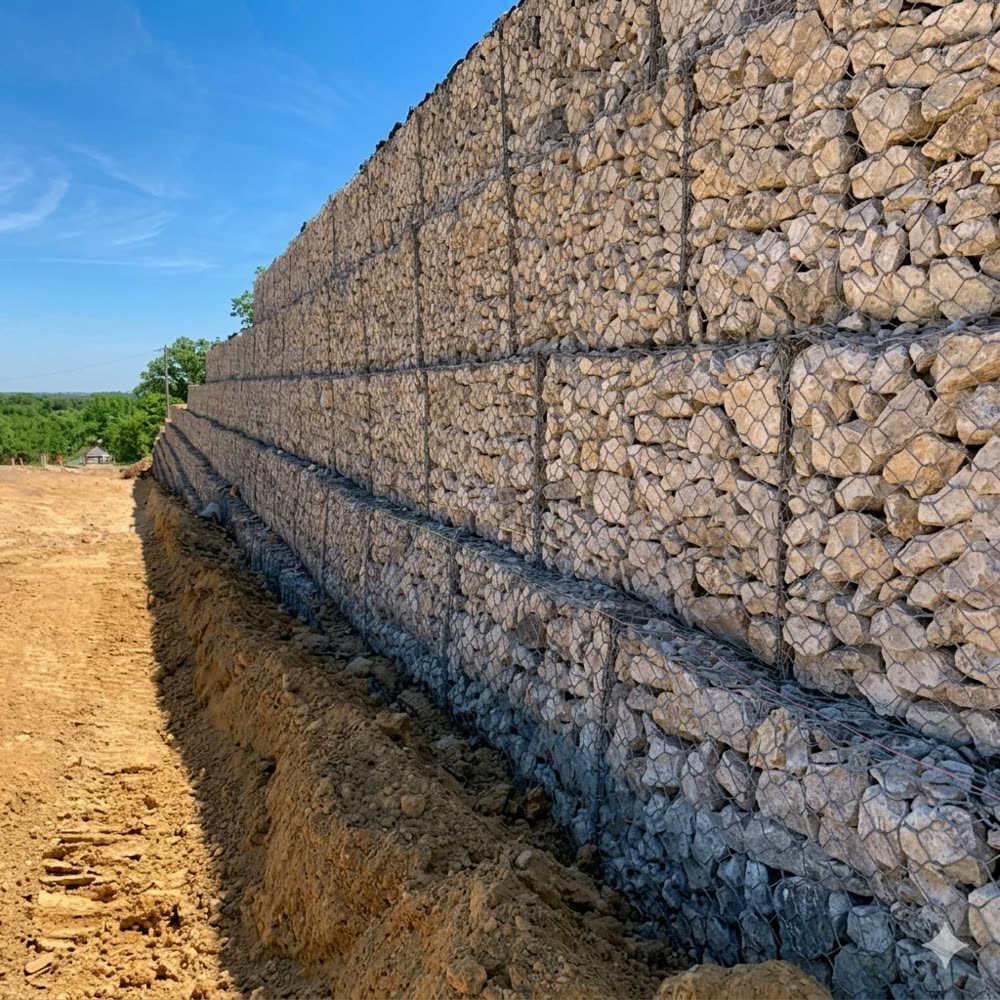
- Gabion or reinforced concrete walls.
- Soil nails, anchors or piles.
- Soil reinforcement and planting.
The design may use several. A wall built at the toe will not help if the failure surface passes beneath it.
Temporary works
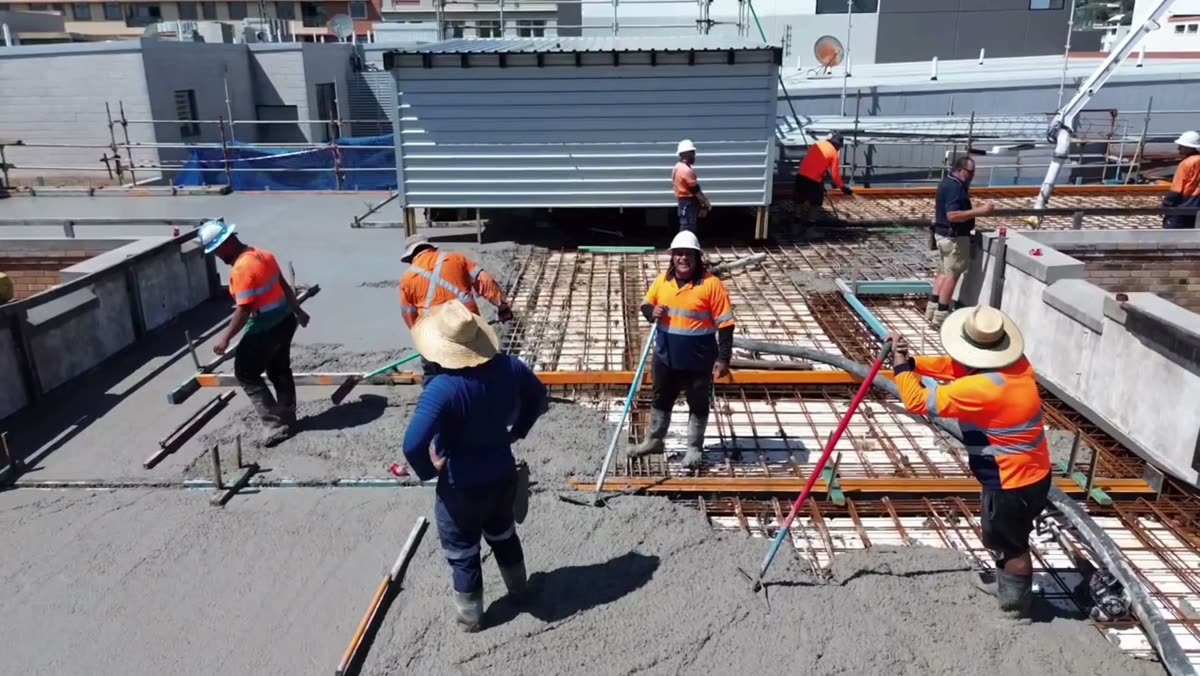
Stabilise the open area, protect people below and plan wet weather access. Machines add load and can trigger more movement.
Boundary and approvals
The stable solution may extend beyond one property. Speak to neighbours early, identify easements and check planning and emergency approvals.
Read slope stabilisation, soil nails and engineered walls.
Call 0415 840 500 or request a quote. METCON is a licensed NSW builder (384697C).
Frequently asked questions
Can I clear the fallen soil?
Not until a geotechnical engineer says it is safe. It may support remaining soil.
Is landslip covered by insurance?
Policy and cause vary. Notify the insurer and ask for a written decision.
How long until repair?
Investigation, approvals, ground movement and access control the timing.