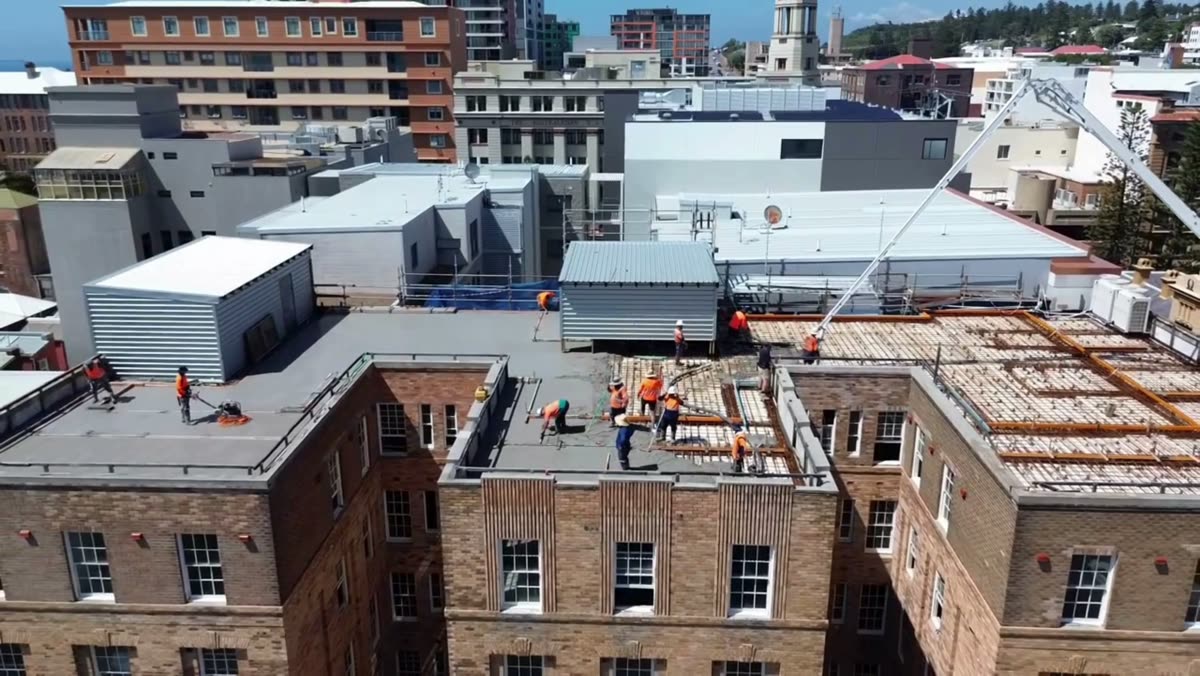
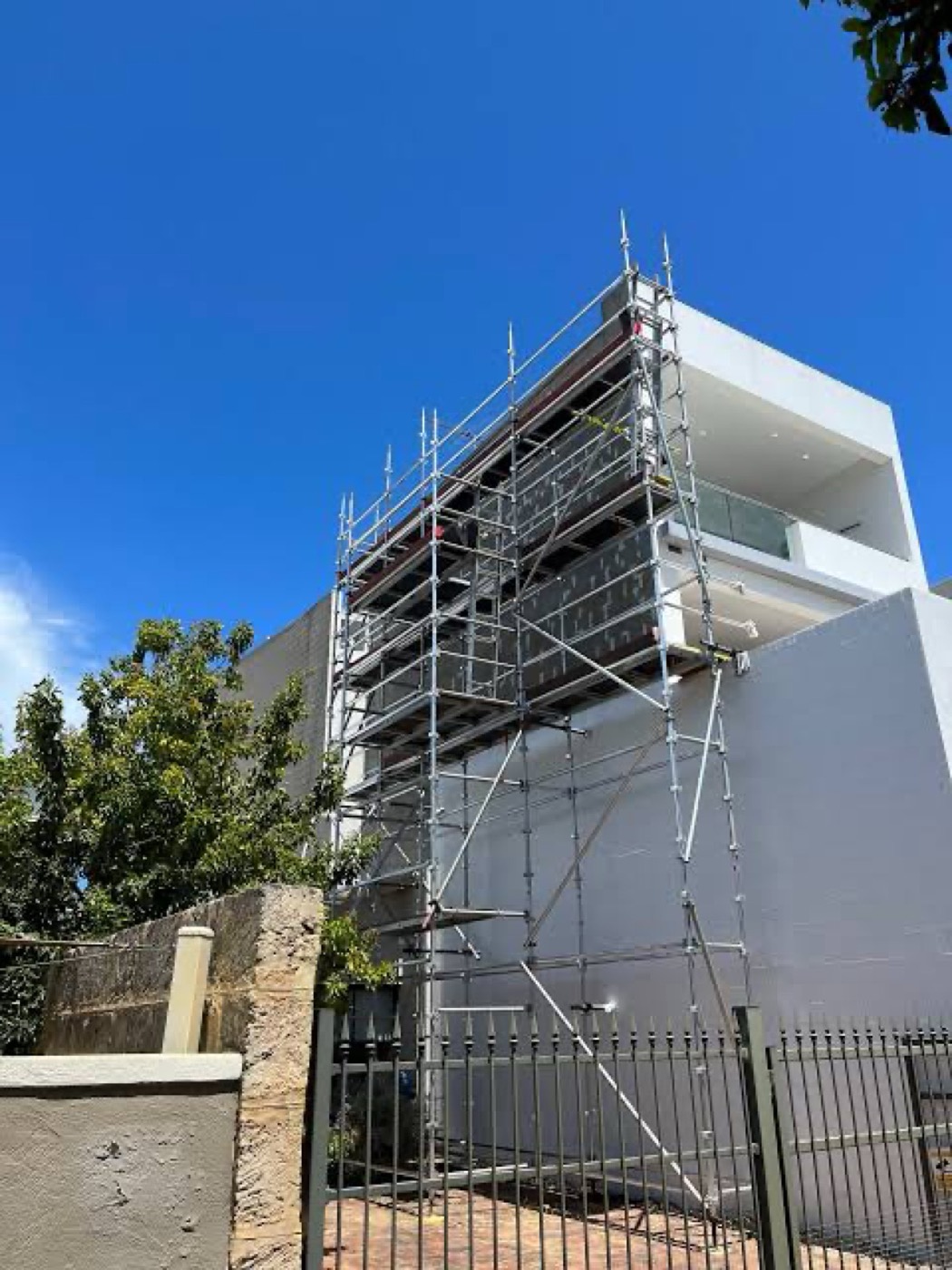
People sleep in hotels and may not know the way out. Refurbishment can affect doors, walls, exits and alarms, so fire safety should be part of the first scope instead of a final inspection problem.
Building items to check
- Doors, frames, closers and seals.
- Pipes and cables through fire-rated walls and floors.
- Corridor ceilings and service risers.
- Exit width, handrails and surfaces.
- Temporary walls and storage during works.
Alarms, sprinklers and other systems need suitable specialists.
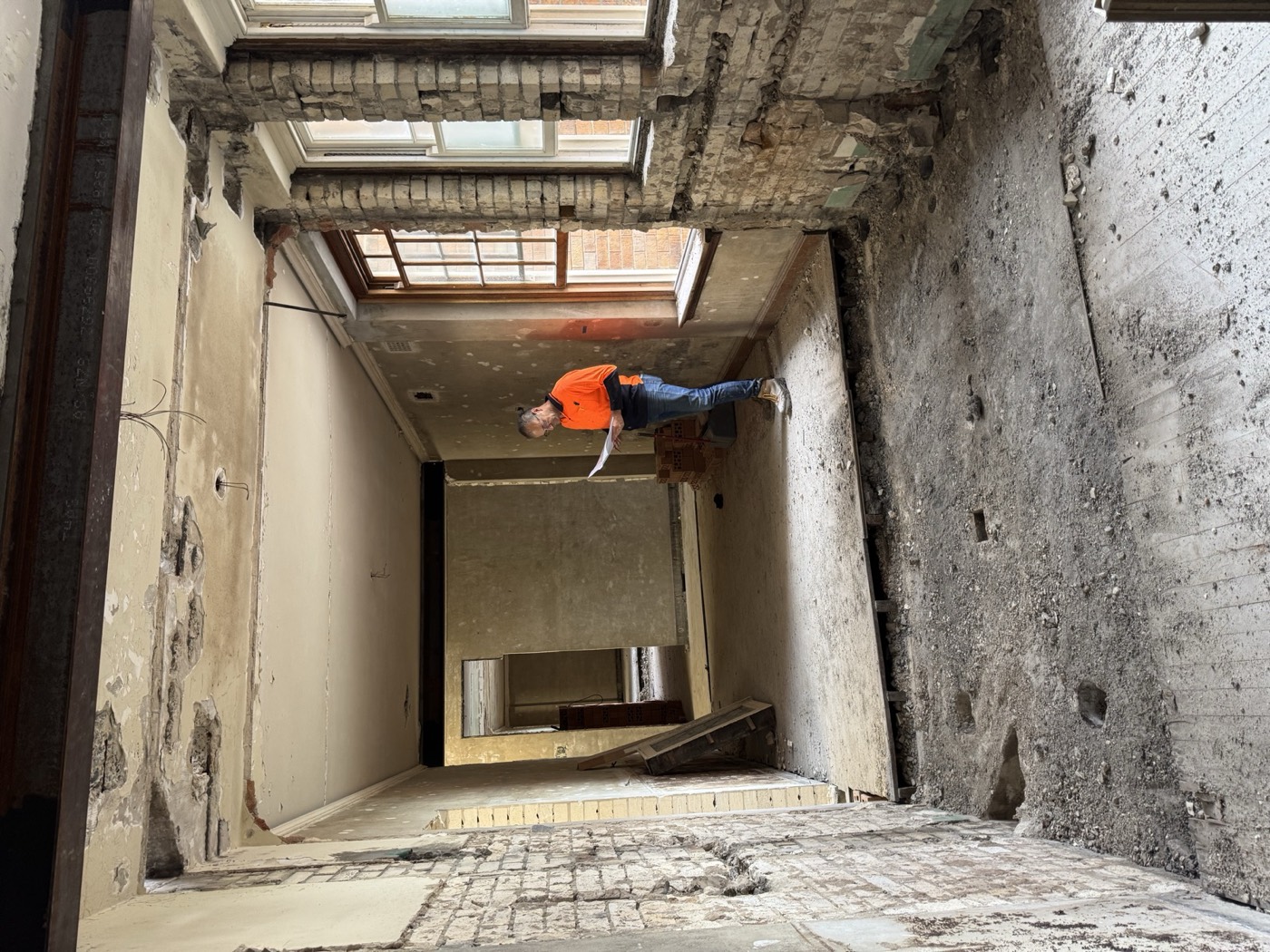
Opened walls reveal old gaps
When bathrooms or ceilings come down, photograph every penetration and compare it with the required protection. New plumbing can create more openings. Give each a number and close-out record.
Maintenance duties continue
NSW states that from 13 February 2026 owners of Class 1b and Class 2 to 9 buildings must maintain essential fire safety measures in accordance with AS 1851-2012. Annual fire safety statements remain a separate owner responsibility.
Stage without losing protection
Never isolate systems, block exits or remove doors without an approved plan. Include temporary detection, patrols or reduced occupancy only as directed by the responsible people.
Align the paper
Compare approved plans, fire safety schedule, proposed rooms and actual construction. A like-for-like door description can still be wrong if the wall or use has changed.
Handover
Collect product evidence, installer details, location photos, inspection records and updated plans. Keep them by floor and opening number.
Read fire stopping, fire doors and Class 3 buildings.
Call 0415 840 500 or book an inspection. METCON is a licensed NSW builder (384697C) and DBP registered (BUP4254812).
General information only. Confirm current requirements with your certifier, accredited practitioner or lawyer.
Frequently asked questions
Does refurbishment trigger a full fire upgrade?
It depends on the building, approval and scope. Ask the certifier and fire specialist early.
Who signs an annual fire safety statement?
Owners have statutory responsibilities, with assessment by suitable practitioners. Check current NSW rules.
Can guests stay while alarms are isolated?
Only under an approved safety plan. Do not make that decision on site alone.