After major fires overseas and in Australia, NSW began identifying buildings with combustible external cladding. Many apartment owners have since learned their building is affected. Here is what it means and how the process works.
What combustible cladding is
The main concern is aluminium composite panels with a polyethylene core, and some expanded polystyrene systems. The core can burn and spread fire up the outside of a building. Not every composite panel is a problem. The core material and how the cladding is installed both matter.
The NSW rules
In 2018, NSW banned the use of aluminium composite panels with a core of more than 30 per cent polyethylene as external cladding on many multi-storey buildings. Owners of certain buildings with combustible cladding were also required to register them with the NSW Government. Councils and the NSW Government can issue orders requiring cladding to be fixed.
Project Remediate
Project Remediate is the NSW Government's program to help owners of eligible Class 2 apartment buildings with high-risk combustible cladding. It has offered eligible owners corporations a 10-year interest-free loan for the remediation, with repayments starting after the work is complete. It now sits with Building Commission NSW. Check its current terms and eligibility directly with the NSW Government.
Who does what
- Fire engineer. Assesses the risk and designs the solution, often removing and replacing the cladding with a non-combustible system.
- Design team. Prepares the replacement design. On a Class 2 building, this is usually regulated work under the DBP Act.
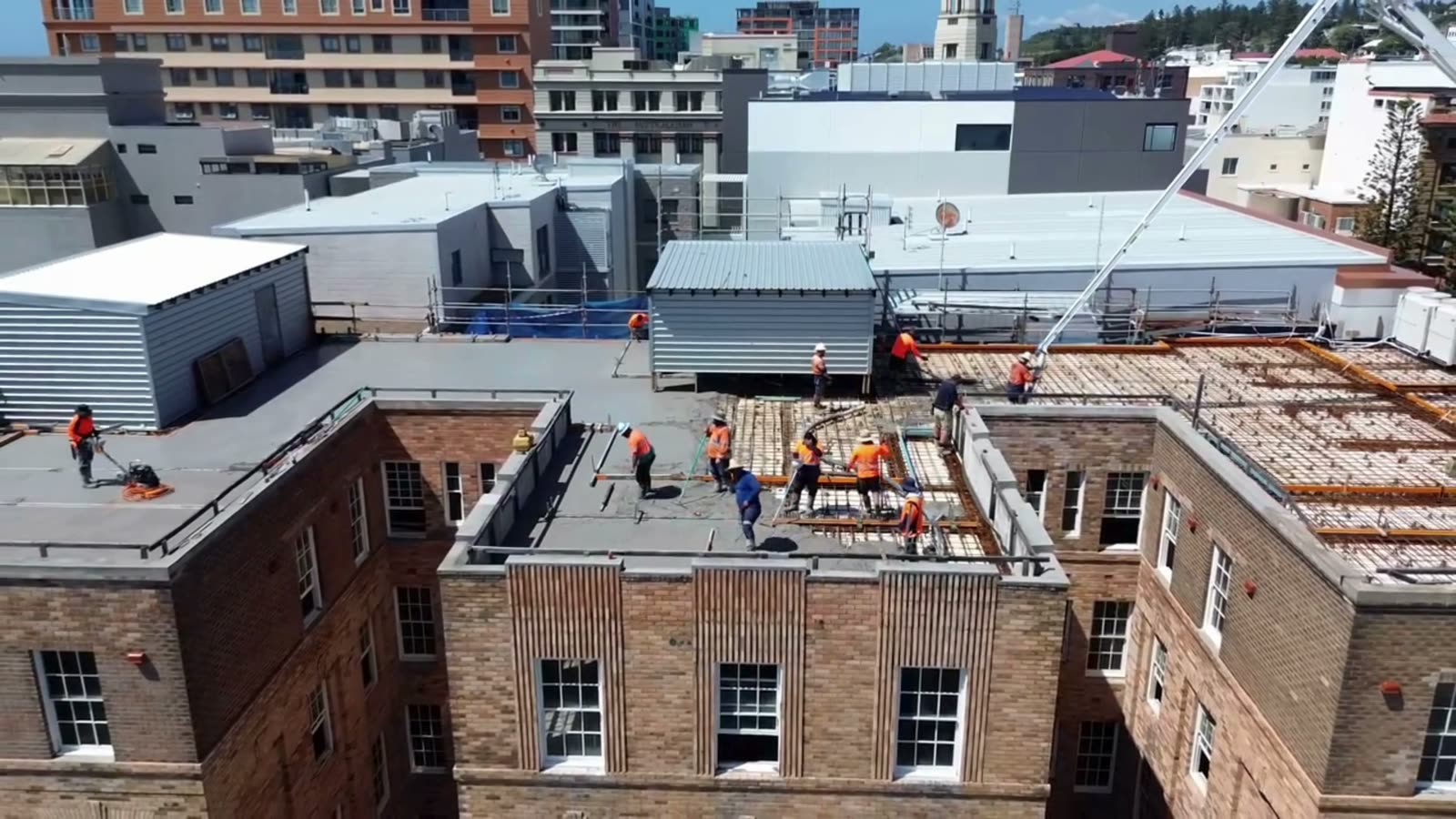
- Builder and specialists. Remove the cladding, install the new system and carry out the associated works.
- Certifier and council. Approvals and compliance with any orders.
The associated works
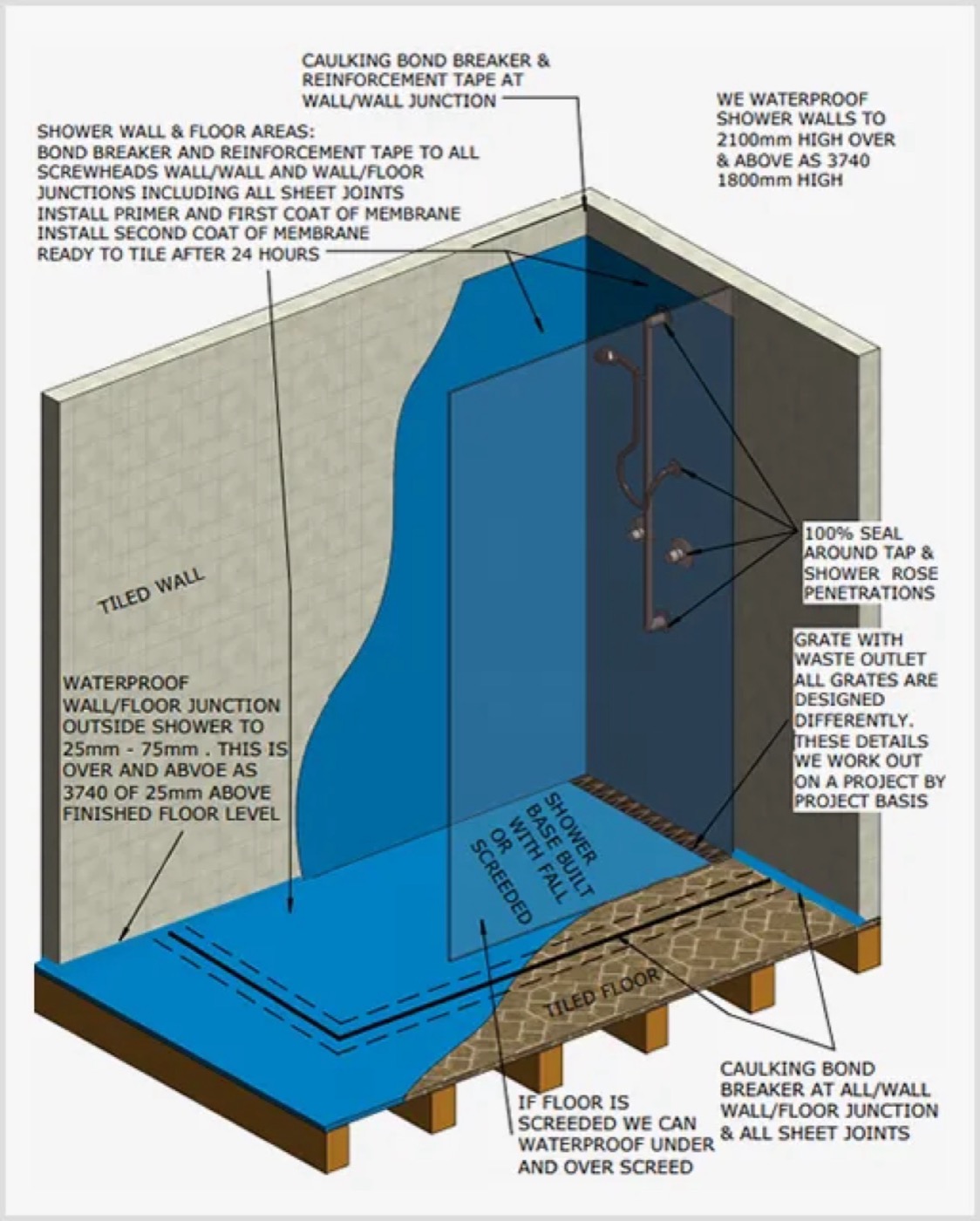
Removing cladding often exposes other problems: failed waterproofing behind the panels, corroded fixings, poor flashings at windows and slab edges, and gaps in fire separation. It is the right time to fix these under the same access setup. See facade remediation project stages and fire stopping defects.
What owners can do
Ask the strata manager whether the building has been assessed, request the fire engineer's findings, and understand the funding options before the special levy is set. Then see our facade repairs and Class 2 builder pages.
Call 0415 840 500 or book an inspection. METCON is a licensed NSW builder (384697C) and DBP registered (BUP4254812).
General information only. Confirm current requirements with your certifier, engineer, strata manager or lawyer.
Frequently asked questions
Does all cladding need to be removed?
Not always. A fire engineer assesses the risk and recommends the solution.
Is cladding replacement regulated under the DBP Act?
On a Class 2 building, work on the external wall is usually regulated. Confirm with your design team.
Will it affect insurance?
It can. Talk to your strata manager and insurer about the building's position.