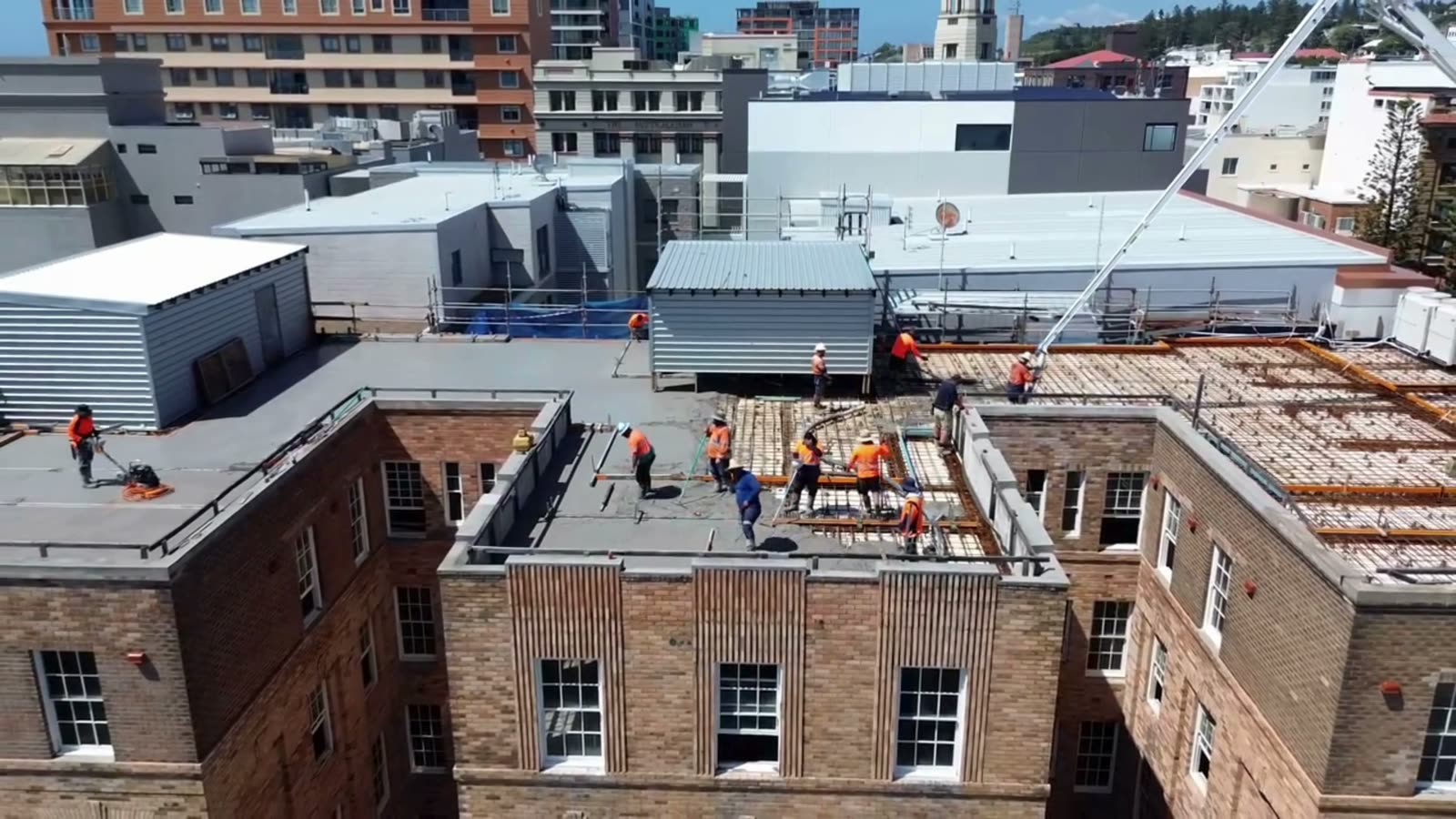
A facade includes concrete, brickwork, render, windows, joints, balconies and roof edges. Treating one item while ignoring the next can leave the original water path in place.
Stage 1: investigate
Survey each elevation, record defects and open representative areas. Tests should answer a question, such as how deep carbonation has reached or whether wall ties have corroded. A drone is useful for locating defects, but it cannot tap render or test a fixing.
Stage 2: write the scope
Define repair types on drawings and estimate quantities. Say what happens when quantities change. Include trial areas so colour, texture and method can be approved early.
Stage 3: choose access
Scaffold, swing stages, lifts and ropes suit different work. Repairs that need heavy demolition may rule out some methods. Tie locations, entries, awnings and neighbouring land must also be considered.
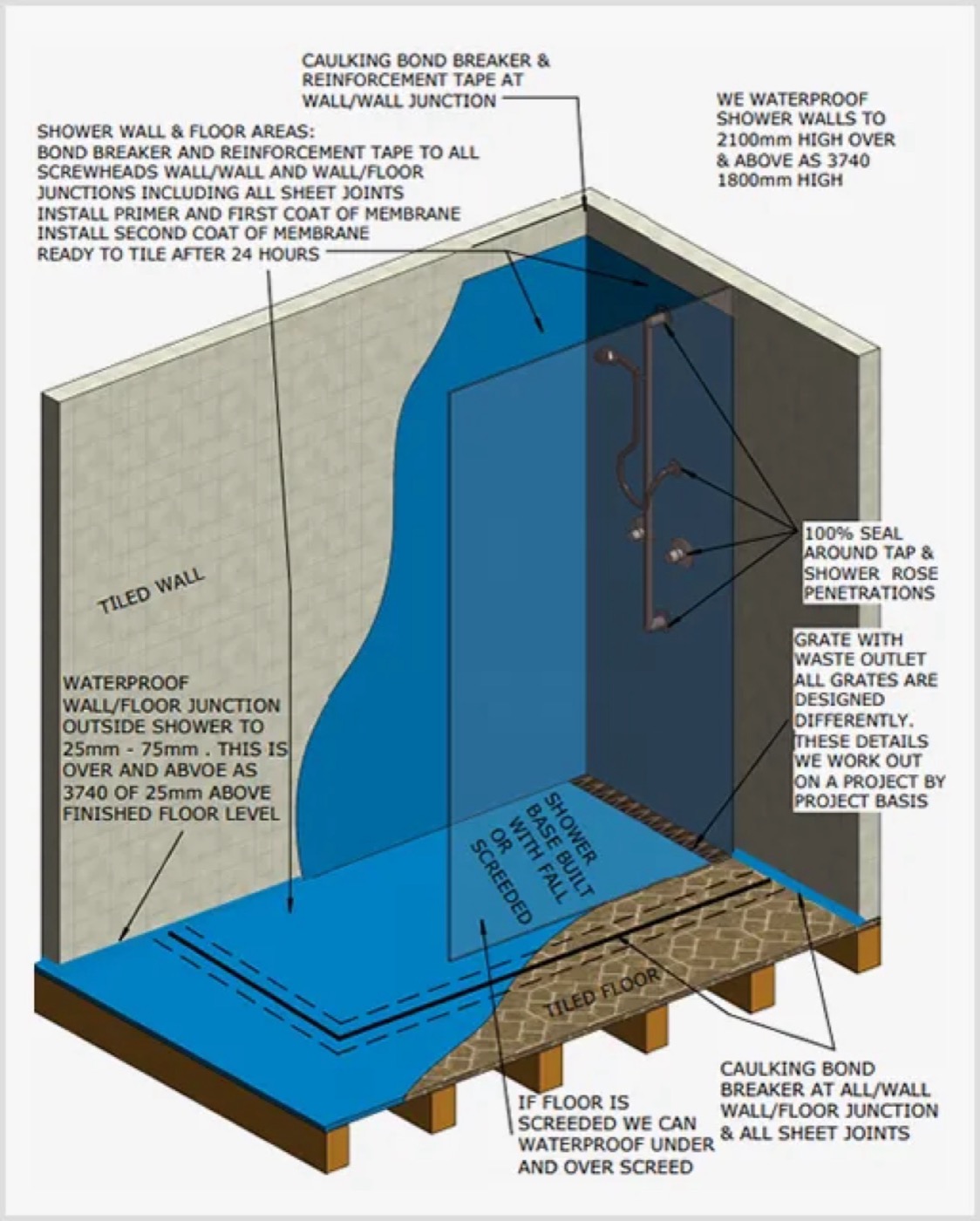
Stage 4: repair in the right order
- Remove loose and unsafe material.
- Repair structure, concrete and masonry.
- Replace or repair flashings, joints and windows.
- Waterproof balconies and parapets.
- Finish render and coatings.
- Inspect before access comes down.
Stage 5: handover
Ask for repair maps, photos, product records, inspection forms and a maintenance plan. These documents help the next committee see what is under the paint.
What drives value
Good investigation reduces surprises. Shared access reduces repeated setup. Clear measurement keeps payment tied to work done. See one scaffold, many fixes and facade repairs.
Call 0415 840 500 or book an inspection. METCON is a licensed NSW builder (384697C) and DBP registered (BUP4254812).
Frequently asked questions
How long does facade remediation take?
It depends on height, access, quantities and occupied areas. A program should show each elevation and its inspections.
Can painting be done first?
No. Loose, cracked or leaking areas must be fixed before coatings.
Who signs off repairs?
The contract should name who inspects each type of work and what records they need.