Period homes in Sydney's older suburbs can be beautiful places to live. They can also have costly hidden problems. A little checking before you buy can help you avoid surprises, budget properly and negotiate from a stronger position.
Get the right inspections
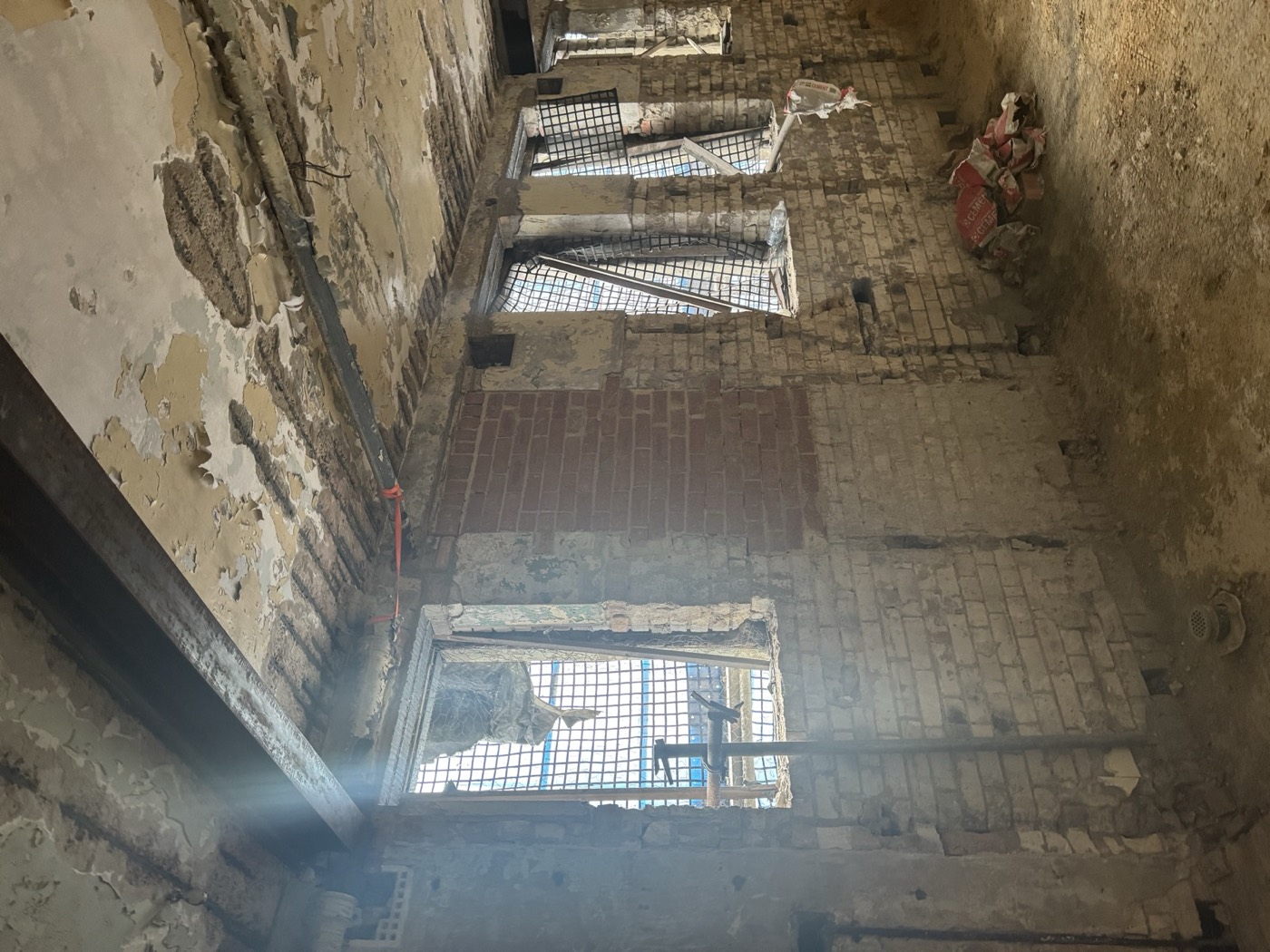
A standard pre-purchase building and pest report is the starting point, but it is a visual inspection with limits. If it flags cracks, damp or structure, it is worth getting a specialist opinion from a structural engineer or remedial builder before you commit.
What to check, area by area
Walls and cracks
Look for cracks over doors and windows, stepped cracks in brickwork, and doors that stick. Fresh or widening cracks matter more than old, stable ones. See are cracks serious?
Damp
Be wary of musty smells, bubbling paint low on walls, salt marks and recently painted lower walls. See rising damp treatments.
Under the house
Check for damp soil, poor ventilation, rotten timbers and old pipes. See damp subfloors and termite damage.
Roofs and gutters
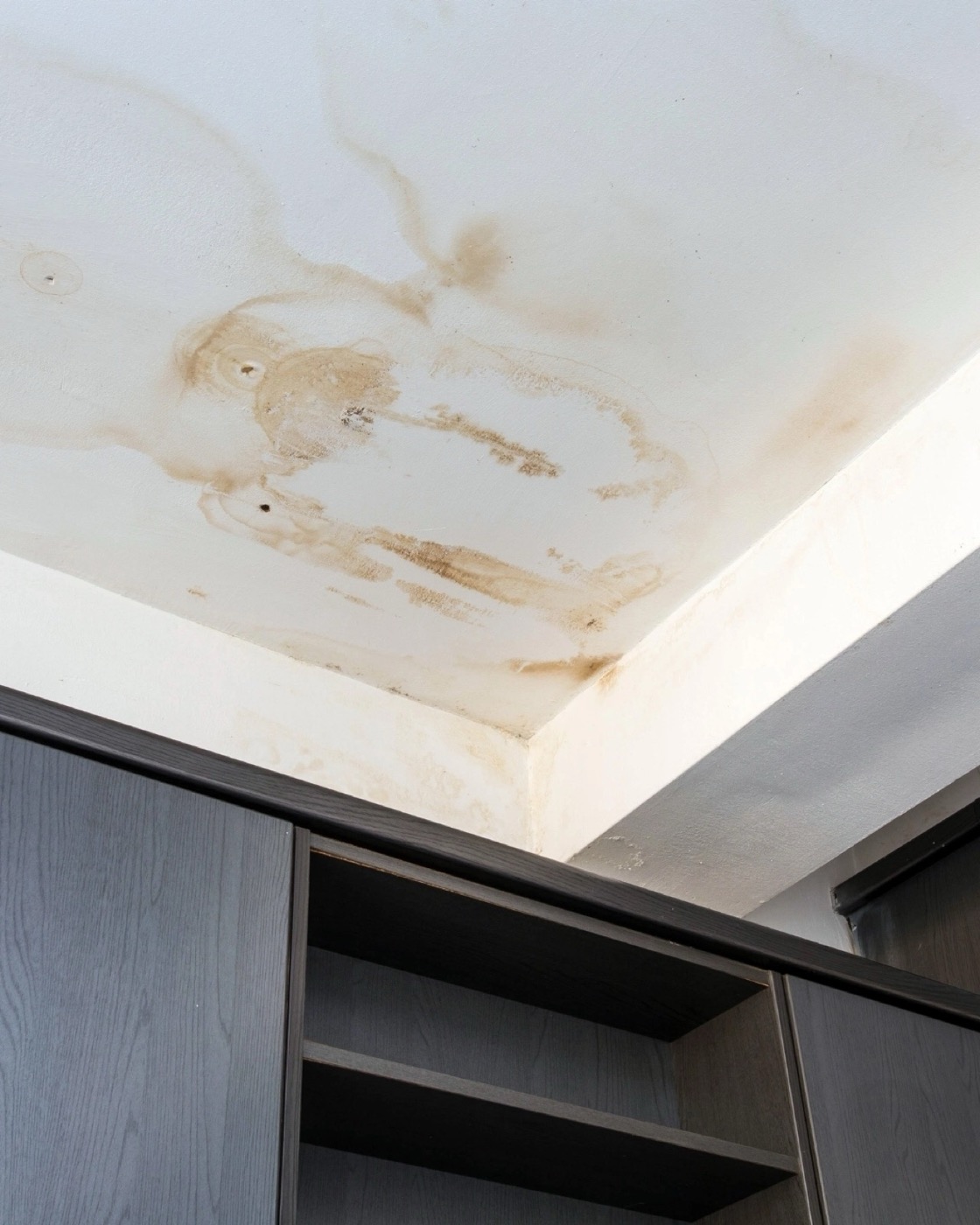
Slipped tiles, rusty valleys and stained ceilings can all be signs of leaks. See box gutters.
Brick and stone
Look for crumbling bricks and hard cement over old mortar. See brick fretting.
Lintels and arches
Rust stains and cracks above windows may mean rusted steel lintels. See lintel replacement.
Balconies and verandahs
Check for loose railings, rotten timber and drummy tiles. See verandah restoration.
Past work
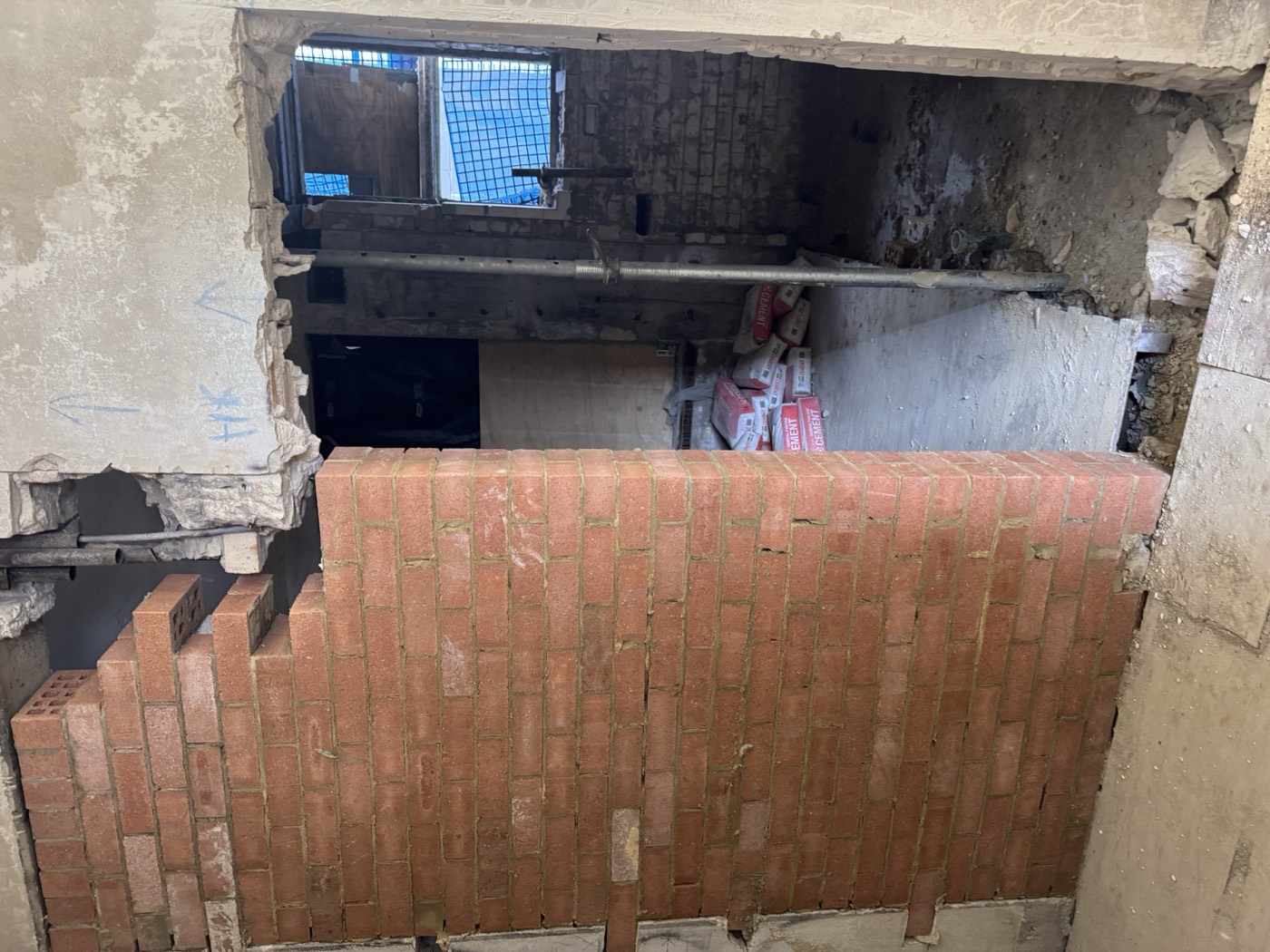
Ask for approvals on additions, and for details on structural work such as removed walls. Look carefully at any recent paint, as it can hide problems.
Indicative priority guide
| Item | Priority |
|---|---|
| Active structural movement or unsafe balconies | Urgent, get advice before you buy |
| Roof leaks, damp and drainage | High, because they keep causing more damage |
| Rusted lintels, cracked brickwork | Medium, plan within a few years |
| Repointing and repainting | Ongoing maintenance |
Heritage
Check the local environmental plan for heritage listing or conservation areas. That could affect how you can repair or alter the home. See heritage repairs and approvals.
How to use what you find
- Get a rough cost for major items to compare with the price.
- Negotiate the price, or make your offer subject to reports where possible.
- Build a contingency into your budget.
- Prioritise water and structure before renovations.
Remediation adds real value
Older homes with sound structure and dry walls are more comfortable, healthier and easier to sell. See does remedial work add value?
Second opinion before you buy
If your report raises something that worries you, we can look at it and give you practical advice on likely repairs. Call 0415 840 500 or book a free inspection.
Frequently asked questions
Is a standard building report enough for an older home?
It is a good start, but it is a visual inspection with limits. If it flags cracks, damp or structure, a structural engineer or remedial builder can give more detail.
What are the biggest red flags in an older house?
Active cracking, sloping floors, serious damp, rotten or termite-damaged timber, and recently painted walls that may be hiding problems.
Should I walk away from a house with rising damp?
Not necessarily. Rising damp can usually be treated, and the cost can be factored into your offer. Get advice on the cause and likely cost first.