Steel may need strengthening because the load has increased, corrosion has reduced its section, or a wall supporting it is being changed. Replacement is one choice, but access and the building above can make strengthening more practical.
Establish what is there
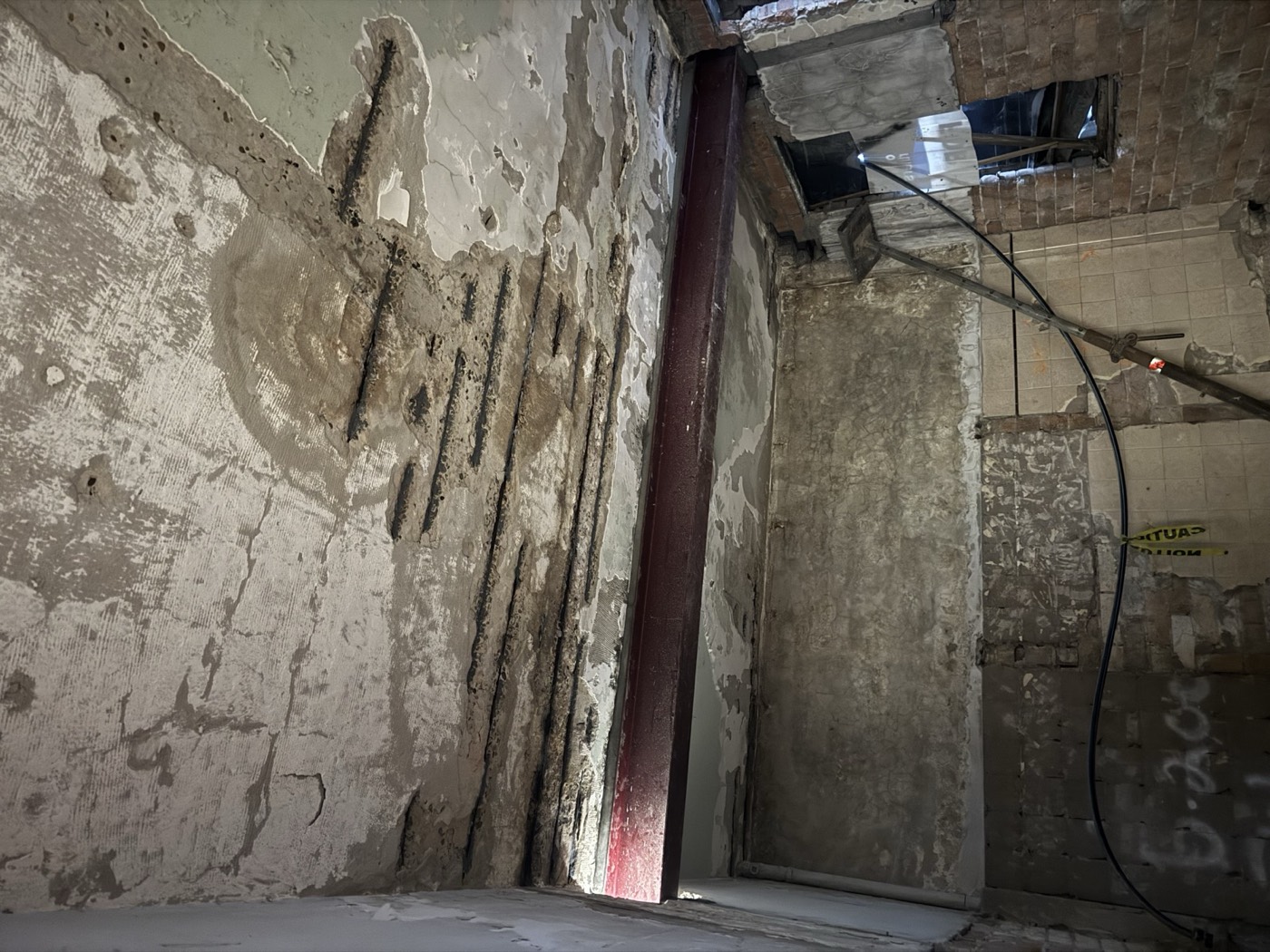
Older steel sizes and materials may not match a modern catalogue. The engineer may ask for measurements, exposed connections and material testing. Paint, concrete encasement and floors can hide corrosion or splices.
Common strengthening methods
- Adding plates to selected parts of a beam.
- Installing another beam beside or below it.
- Shortening a span with a new column.
- Improving the bearing or connection.
- Repairing local corrosion where enough sound steel remains.
Stronger members can send more load to walls and footings. Those supports need checking too.
Temporary works come first
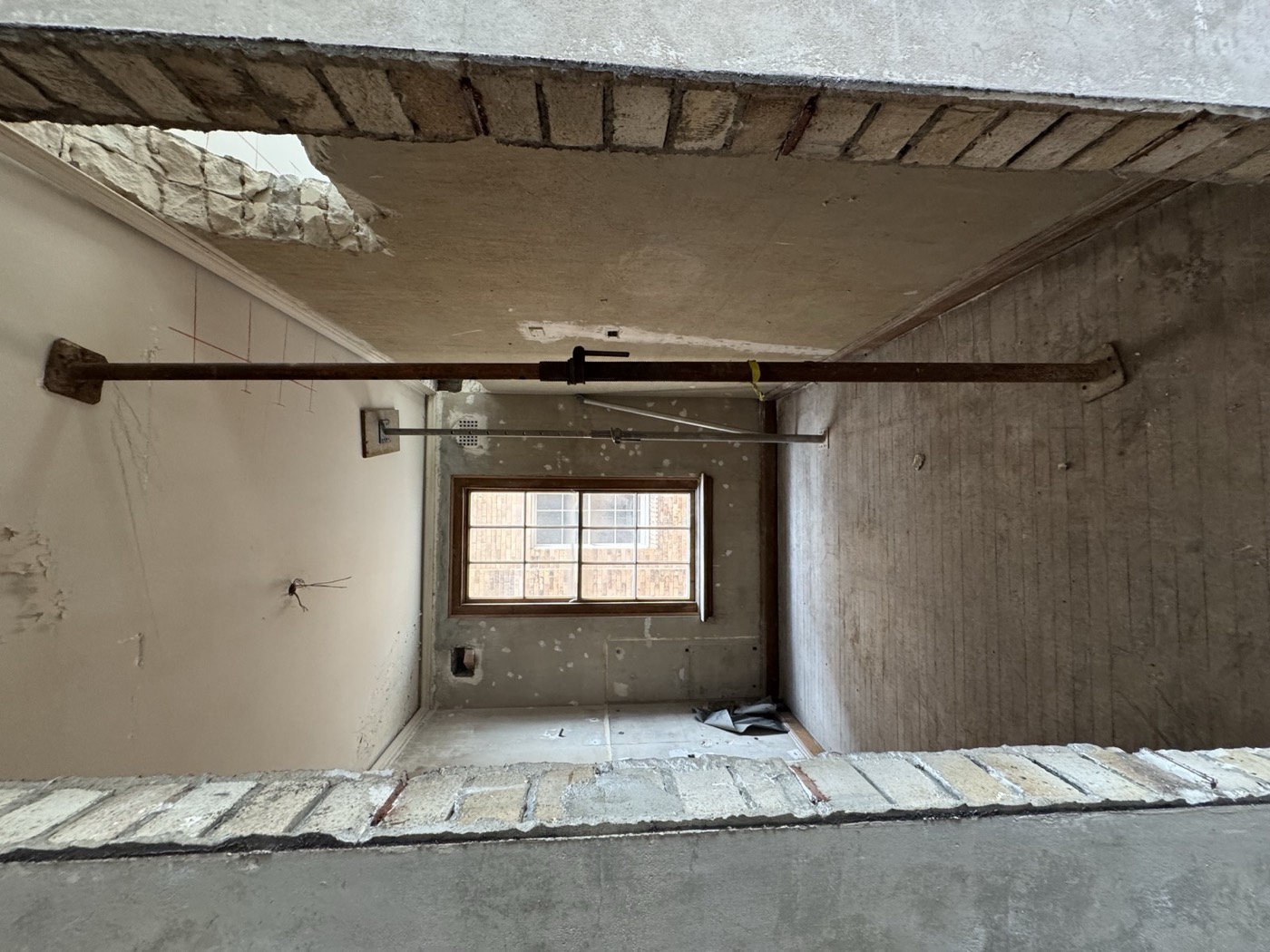
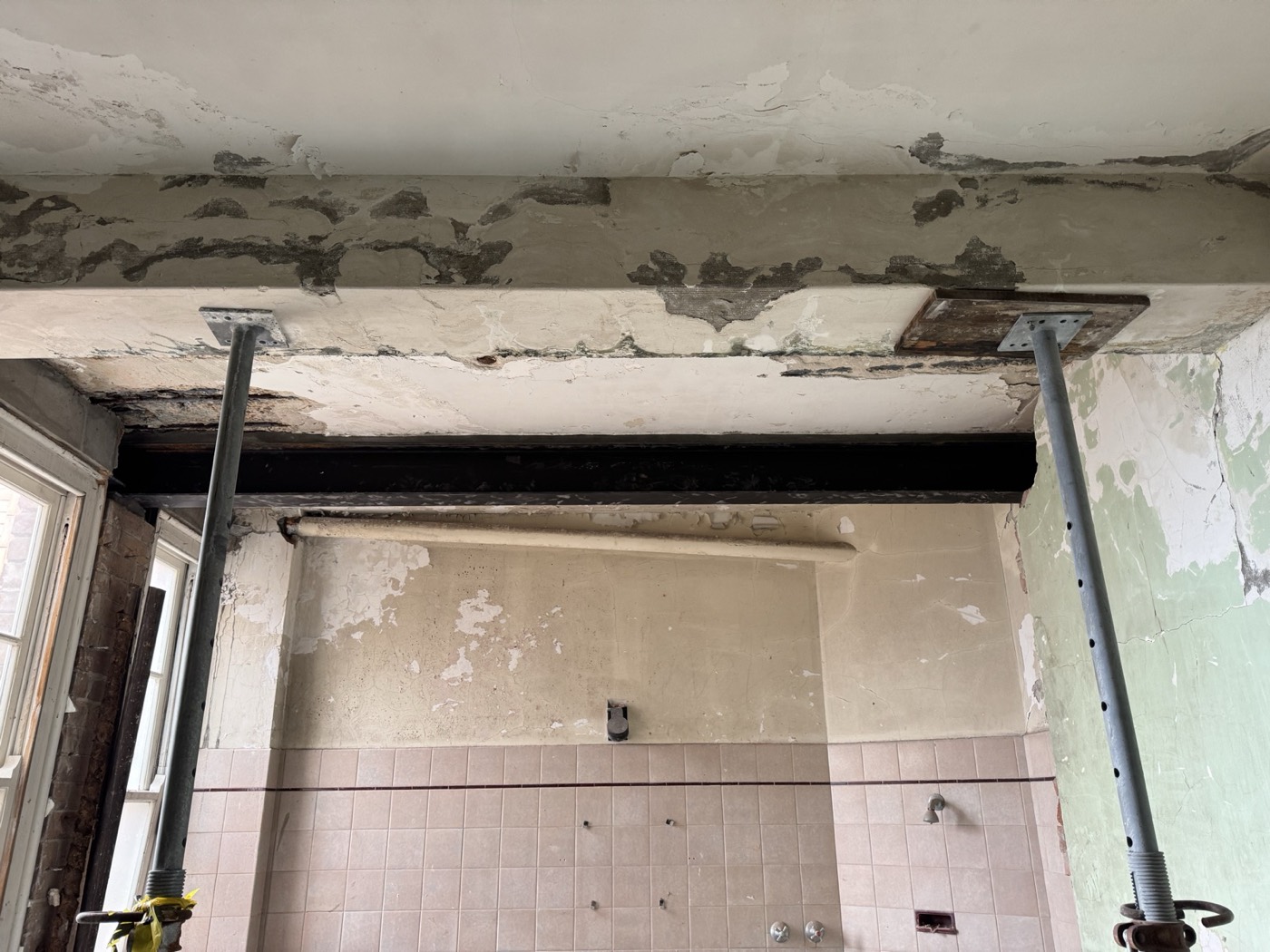
Props, needles or a transfer frame may be needed before steel is cut or connected. Deflection should be monitored where the engineer requires it. Jacking a floor back to level too quickly can crack the rooms above.
Welding is not always possible
Old material, timber nearby and occupied spaces may make hot work unsuitable. Bolted details can be better, provided they can be fitted accurately.
Finish the system
Corrosion coatings and fire protection need access and inspection before ceilings close. Record the installed sizes and any deviations from drawings.
See corroded beams, lintels and structural remediation.
Call 0415 840 500 or book an inspection. METCON is a licensed NSW builder (384697C) and DBP registered (BUP4254812).
Frequently asked questions
Can a beam be strengthened without removing the floor?
Sometimes, if connections and load paths can be reached safely.
Is surface rust a structural problem?
Not always. The amount of remaining steel and location matter.
Does new steel need fire protection?
It may. Requirements depend on the building and structural role.