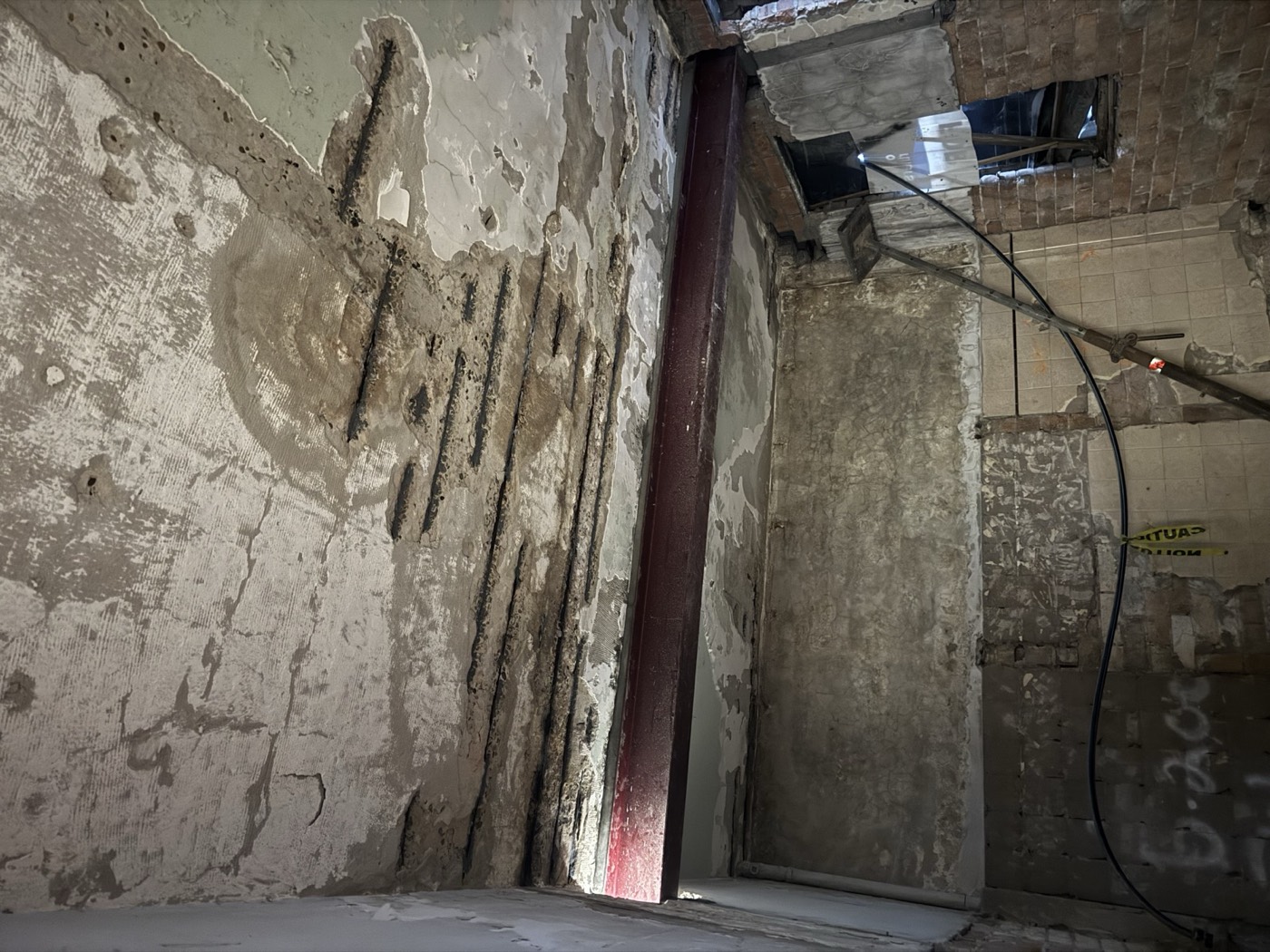
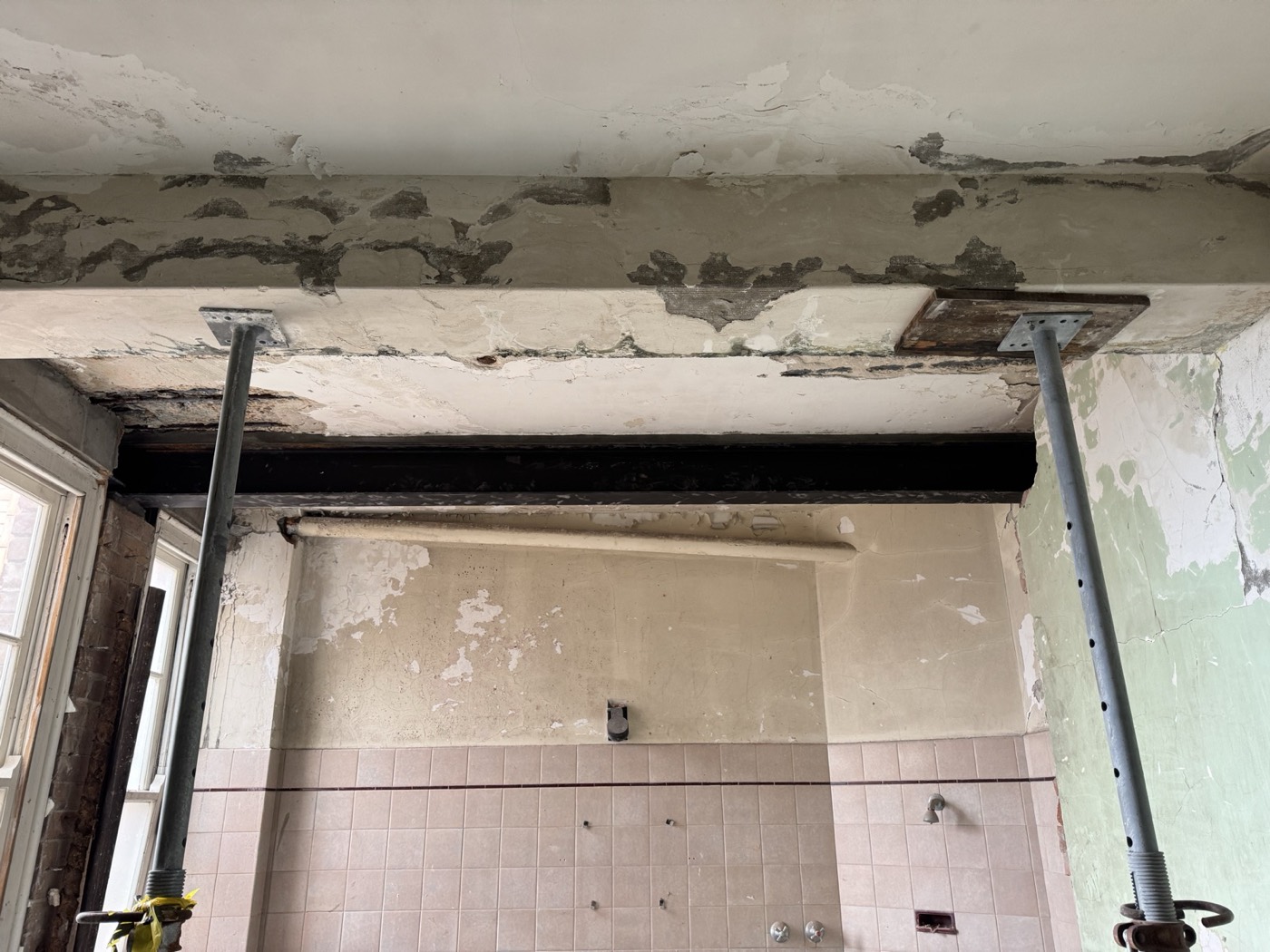
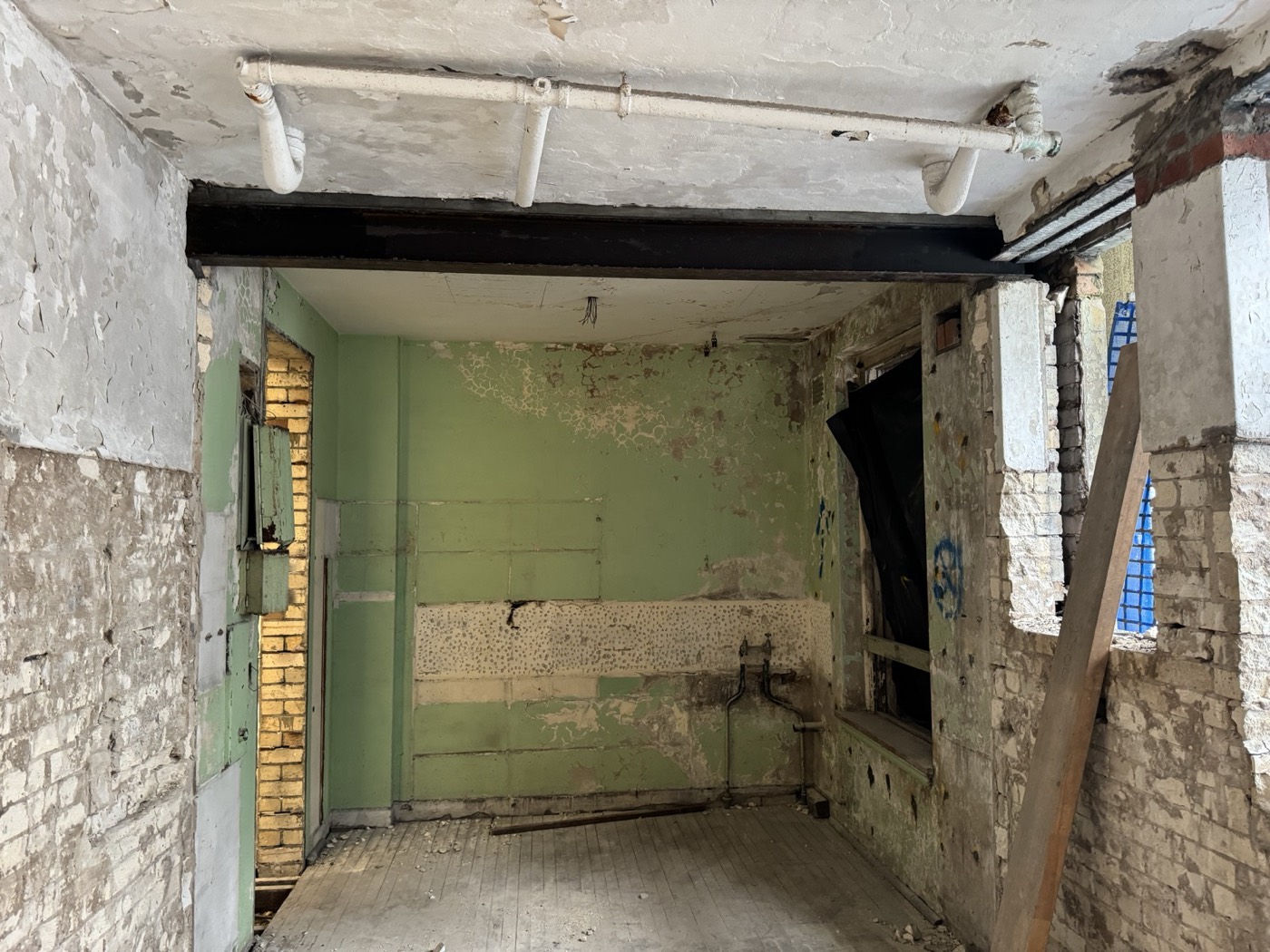
Heat can change concrete, steel, timber, masonry and connections even when the surface looks intact. Firefighting water may also damage floors below.
Do not enter before clearance
Wait for emergency services and responsible advisers to set access. Loose finishes, weakened floors, electricity and contaminated air may remain after flames are out.
Assess by exposure
Map where heat was highest, how long it lasted, the materials exposed and what water was used. Engineers may use samples, levels, hardness, scanning or connection openings depending on the structure.
Common risks
- Concrete spalling and loss of strength.
- Steel distortion or damaged fire protection.
- Timber char and loose connections.
- Masonry cracking and wall movement.
- Water and smoke in hidden cavities.
Make safe without hiding evidence
Temporary propping, weather protection and exclusion fencing may be urgent. Photograph and keep agreed samples before removal if insurance or cause matters.
Scope the rebuild in layers
- Safety and weather.
- Demolition and contamination control.
- Structural repair.
- Services and fire systems.
- Linings, finishes and commissioning.
Do not line a room because it has been painted black or cleaned. The structure behind it must be assessed.
Work with insurers
Match itemised scope, quantities and photos to affected areas. Get separate prices for improvements and code-required changes. See make safe, large insurance losses and structural works.
Call 0415 840 500 or book an inspection. METCON is a licensed NSW builder (384697C) and DBP registered (BUP4254812).
Frequently asked questions
Can steel be painted and reused?
Not without checking distortion, strength, connections and fire protection.
Does smoke mean every wall must be removed?
No. Contamination and material testing determine the scope.
Can clean-up begin first?
Only where authorities, evidence and safety allow it.