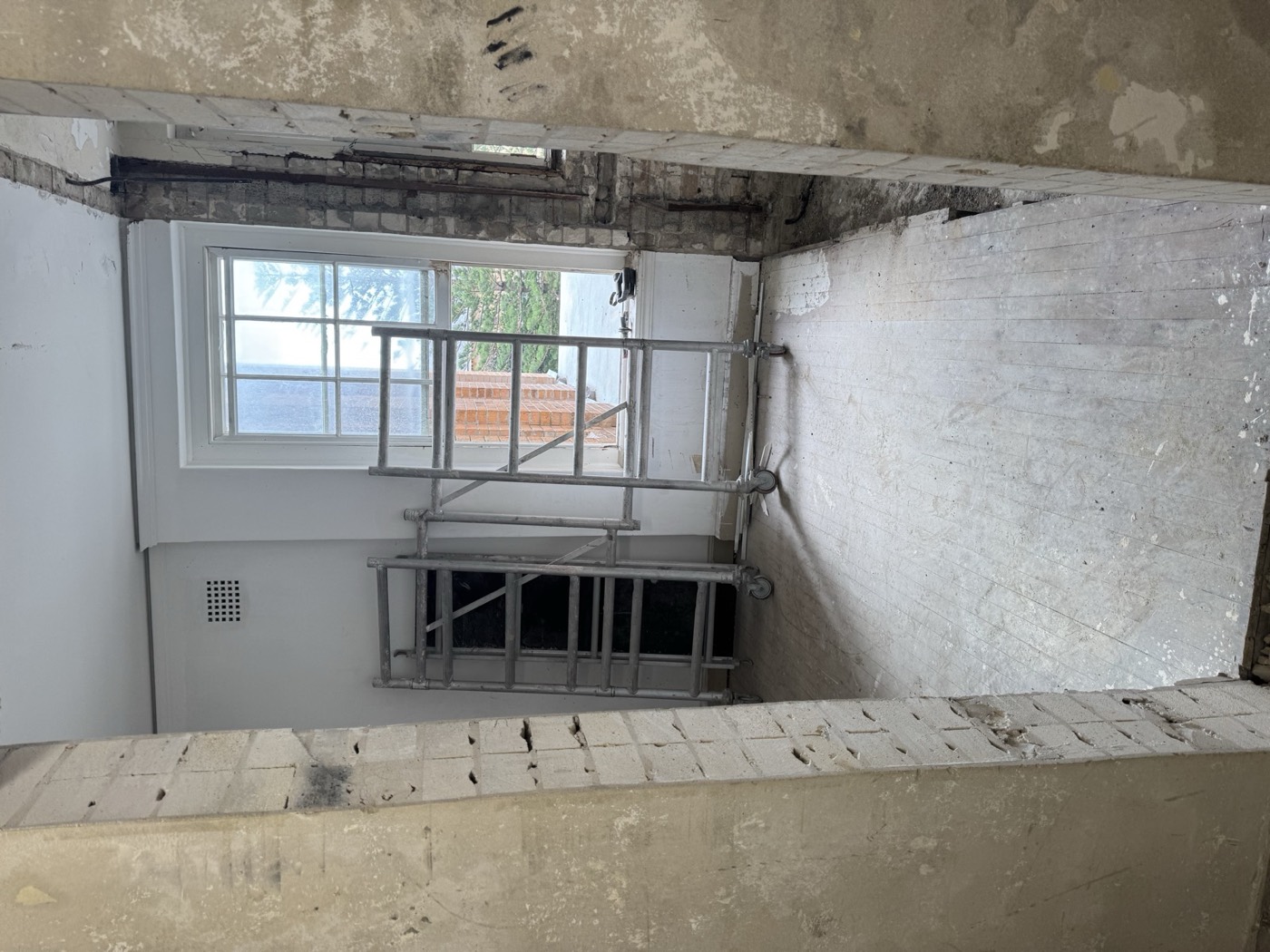
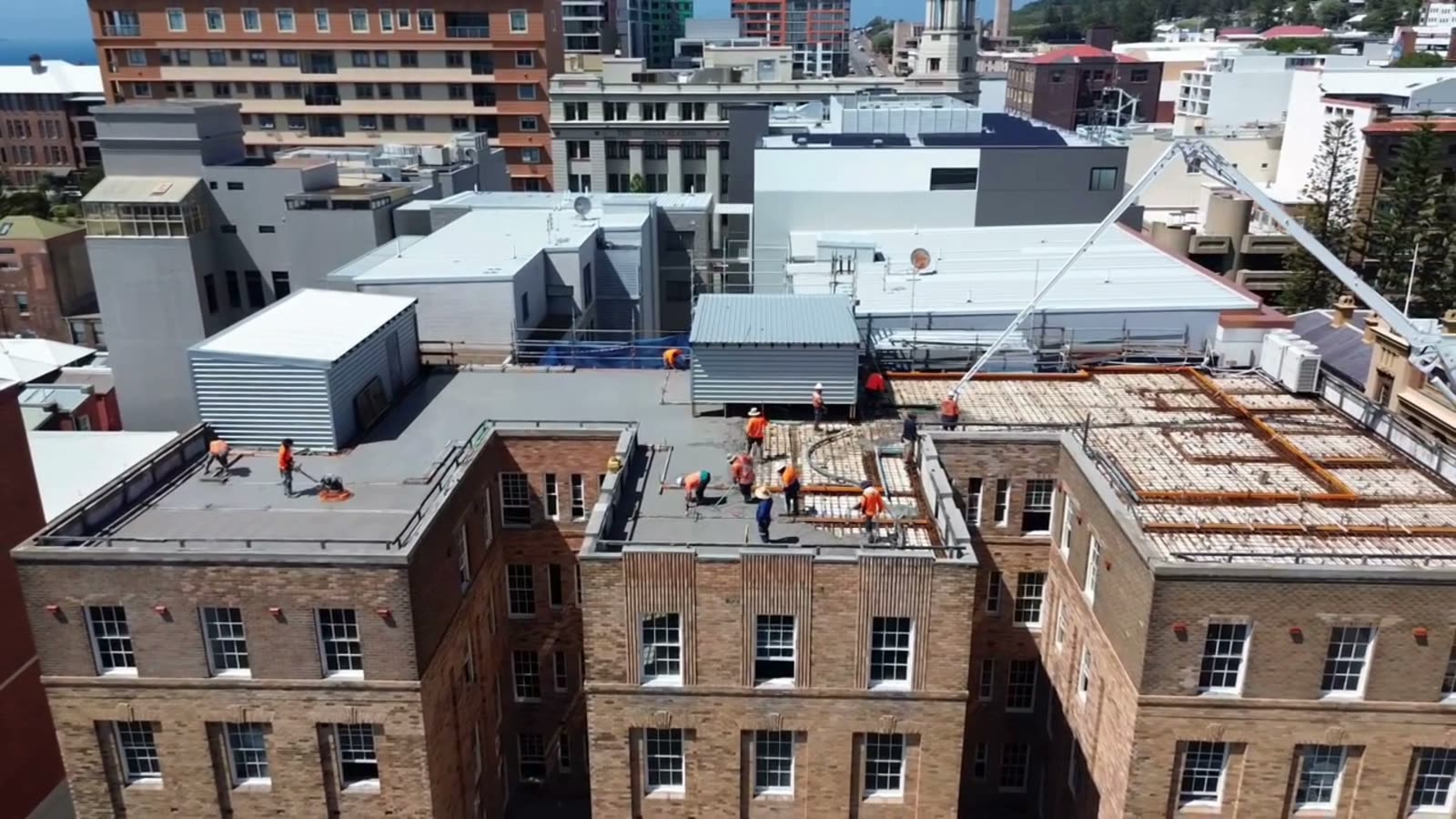
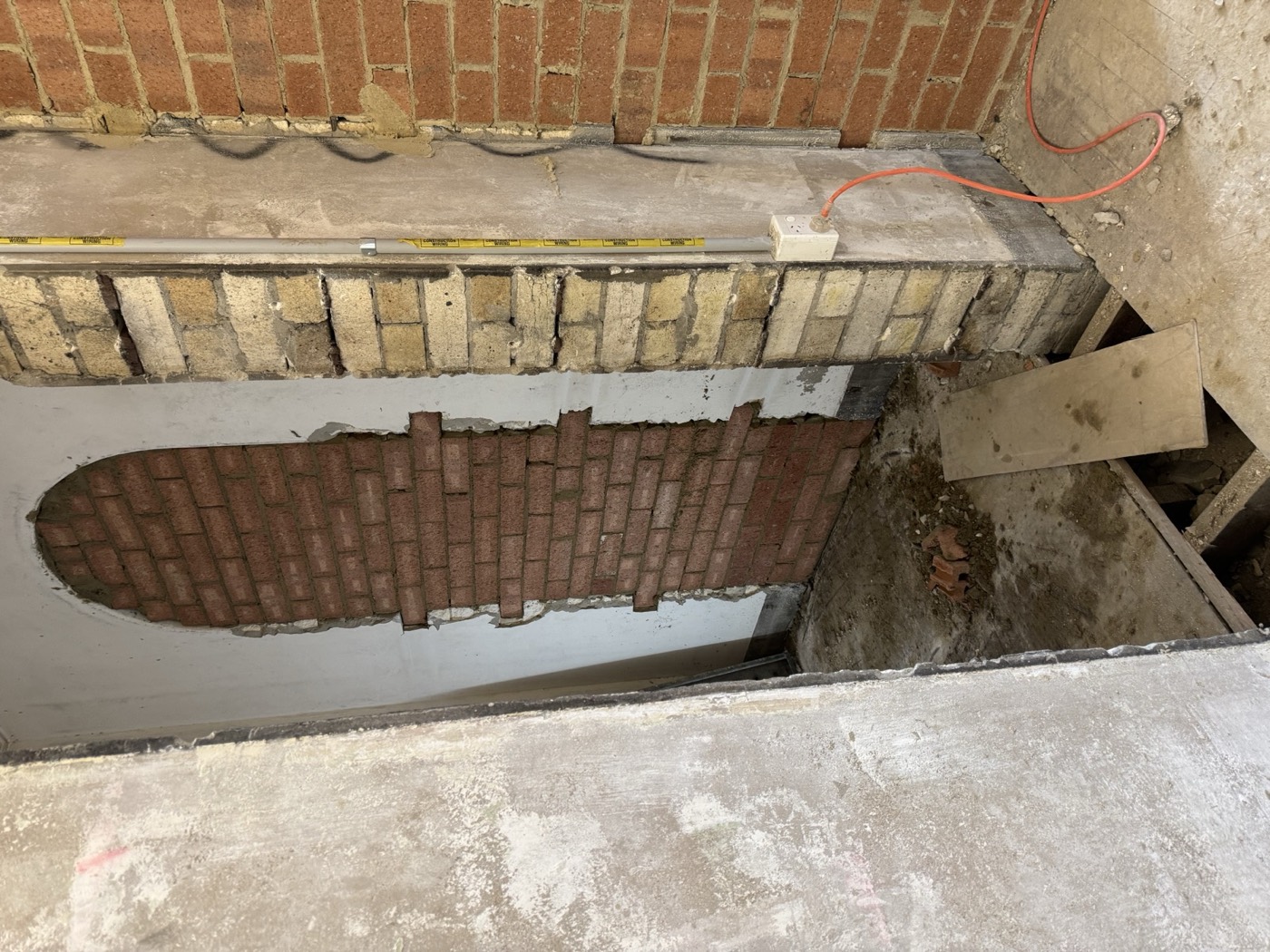
Storm, fire and impact losses may involve a builder, insurer, broker, engineer, loss adjuster and business owner. If each keeps a separate defect list, nobody knows which work is approved.
Build one live record
Use numbered areas with photos, damage source, temporary work, quote, approval, variation, completion and responsible person. The building plan should show what is safe to use.
Emergency work first
Make people and property safe, preserve relevant evidence and record what was removed. Do not combine an emergency invoice with a later full-scope repair price.
Scope by system
Structure, roof, facade, services, interiors and contents may have different authorities. A complete price should show demolition, disposal, access, repairs, approvals and reinstatement.
Keep upgrades separate
Owners may choose better materials, a new layout or code-driven upgrades. List those separately so insured repair scope is clear.
Manage the daily decision path
- Contractor identifies extra hidden work.
- Engineer or assessor reviews if needed.
- Price and program effect are issued.
- Authorised person accepts or declines.
- Work proceeds with photos and records.
Reopening a commercial site
Check structure, exits, power, water, fire systems and the actual access route. A repaired ceiling does not mean a business can safely reopen.
See insurance reports, fire damage and vehicle impact.
Call 0415 840 500 or book an inspection. METCON is a licensed NSW builder (384697C) and DBP registered (BUP4254812).
Frequently asked questions
Can a repair start before approval?
Emergency safety can. Seek insurer and contract approval for the permanent scope.
What if the insurer disagrees?
Ask for the clause, reason and any report in writing and seek independent advice.
Should we accept a cash settlement?
Compare the full approved scope, risk and access costs, with legal and insurance advice.